REVIEW · PHNOM PENH
Full-Day Discover Oudong Mountain-Former Capital City & Phnom Penh City Tours
Book on Viator →Operated by Royal Phnom Penh Tours · Bookable on Viator
Oudong Mountain turns the clock back fast. I like the way the day starts with Oudong Mountain and its huge stair-and-stupa views, then eases you into Phnom Penh’s biggest sights. I also like that this is a private, English-speaking guide setup with entrance fees covered, so you’re not stuck sorting tickets on your own. One thing to consider: the uphill walking can be warm and sweaty, so plan for heat and take breaks when you need them.
This route mixes religion, royal history, and city landmarks without feeling rushed. You’ll see key Oudong-era structures built or restored around Buddha worship, then pivot to Wat Phnom, the Royal Palace area, and the Silver Pagoda. The potential drawback is simply timing and comfort—at several stops you’ll be on foot in the sun, so good shoes and water matter.
In This Review
- Key Things I’d Know Before You Go
- Why Oudong Mountain Feels Different From Phnom Penh
- Value Check: What You’re Paying For (and What You’re Not)
- Udong Mountain First: Stupas, Relics, and Why This Hill Matters
- Phnom Udong Stair Climb: Views, Heat, and a Manageable Route
- Preah Sakyamoni Chedi and Oudong Temple at the Slopes
- The Quick Phnom Penh Loop: Wat Phnom and the Independence Zone
- Royal Palace and Silver Pagoda: One Compound, Two Moods
- Transportation and Guide Style: Where the Day Gets Easy
- Comfort Checklist: What to Bring for Oudong Stairs and Palace Heat
- Who This Tour Is Best For
- Should You Book This Full-Day Oudong and Phnom Penh Tour?
- FAQ
- What’s the total duration of the tour?
- Is hotel pickup and drop-off included?
- Is there an English-speaking tour guide?
- Are entrance fees included?
- Is transportation provided?
- Does the tour include bottled water or cooling items?
- Is lunch included?
- What stops will I visit in Phnom Penh?
- What’s the main activity at Oudong Mountain?
- Is free cancellation available?
- What if the weather is bad?
Key Things I’d Know Before You Go
- Morning-first timing for Oudong: you’ll get started early, which helps with both crowds and heat.
- A real religious focus at Oudong: you’ll visit stupas/shrines connected to Buddha relic traditions.
- Stair views from Phnom Udong: expect a climb and wide panoramas over the plains.
- Phnom Penh landmarks in one compact loop: Wat Phnom plus the Independence area and the Royal Palace compound.
- Included comfort extras: cold bottle of water and a cold towel help you stay human.
- Guide quality shows up in the details: guides like Sam Ang and Mr. Suyhong made the walking feel manageable and the story make sense.
Why Oudong Mountain Feels Different From Phnom Penh
If Phnom Penh is Cambodia’s present-day capital energy, Oudong is where you go for perspective. The mountain sits up above the plains, and once you’re climbing and looking out, you understand why rulers and pilgrims treated this place as important long before today’s skyline.
What I love is the mix of sacred buildings and practical sightseeing. You’re not just taking photos—you’re learning what different sites represent, including how later kings supported restoration and commemoration.
You can also read our reviews of more tours and experiences in Phnom Penh.

Value Check: What You’re Paying For (and What You’re Not)
At about $100.52 per person for a 7 to 8 hour private day, the price makes sense if you count what’s included. You get hotel pickup and drop-off, private air-conditioned transportation, an English-speaking guide, cold water, a cold towel, and entrance fees are handled for the programmed stops.
Lunch is the main unclear piece. The trip doesn’t clearly include lunch or drinks, so you should assume you’ll either grab something on your own or budget time for it if the guide build in a pause.
Also keep in mind this is a true private setup. Only your group is doing the day together, so you can ask questions and move at a pace that fits your legs, not the slowest person in a bus.
Udong Mountain First: Stupas, Relics, and Why This Hill Matters
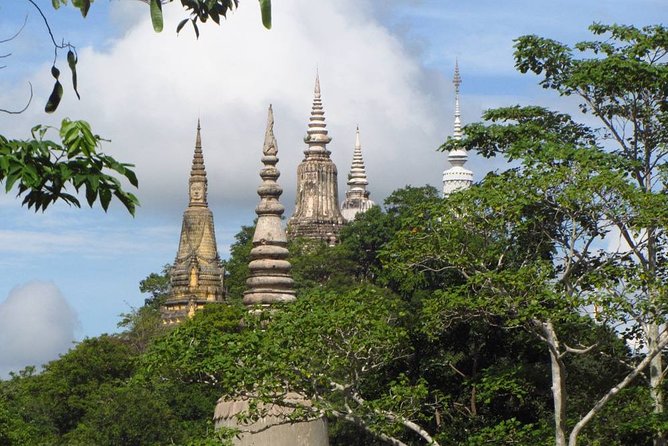
Your morning is built around Oudong Mountain, the older spiritual and royal center that sits above Phnom Penh. One of the highlights is the major stupa associated with King Norodom Sihanouk, built in 2002 on the hill of Oudong.
You’ll also hear about the Preah Sakyamoni Chedi, described as housing a Buddha relic. Even if you’re not a religion scholar, this is the kind of detail that makes the architecture feel purposeful, not random. It’s a reminder that these buildings are still part of living belief, not just stone.
This stop is also where your guide’s storytelling really counts. In good hands, you’ll understand what you’re looking at and why the design matters in Cambodian Buddhist practice.
Phnom Udong Stair Climb: Views, Heat, and a Manageable Route
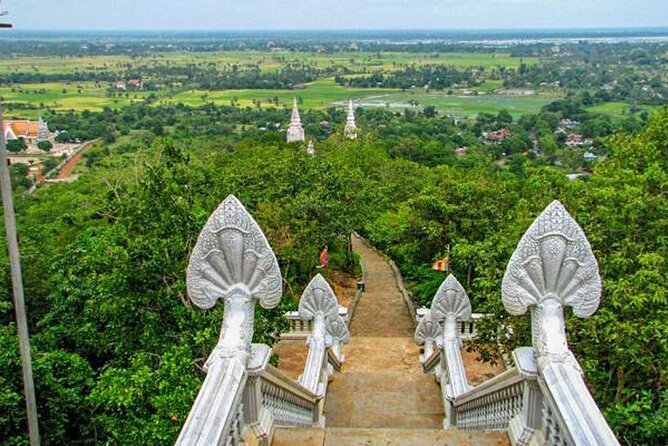
The “Phnom Udong” portion is where the day becomes physical. You’ll climb stairs to the top and get views across the plains below, and your guide explains the history and religious culture of the area along the way.
Here’s the practical note: you will be walking in Cambodia sun. Bring good shoes, drink water often, and don’t force it if you need a breather. One guide on this experience helped make the climb easier with a path that felt less strenuous than other routes, which can be a big deal if you don’t love steep stairs.
That early start helps too. You’re going up when the day is still getting going, not when the light has baked everything into one long heat trap.
Preah Sakyamoni Chedi and Oudong Temple at the Slopes
After the initial mountain visit, the day shifts to shrines and statues around the slopes. The Preah Sakyamoni Chedi area includes multiple Buddha-related shrines and statues, and it’s also tied to the story of damage and later recovery—something your guide can help you understand with context.
Down closer to the base, you’ll reach the Oudong Temple area. This is less of a peak-and-panorama moment and more of a “see how the mountain site connects to everyday life” moment, where you might spot picnic huts at the foot of the mountain.
It’s a good contrast: top for sweeping views and spiritual meaning, base for the human scale of the site.


The Quick Phnom Penh Loop: Wat Phnom and the Independence Zone
Once you finish Oudong, you pivot into Phnom Penh’s signature landmarks. The pacing here is smart: you get a big nature-and-sacred feel early, then you switch gears to classic city sightseeing.
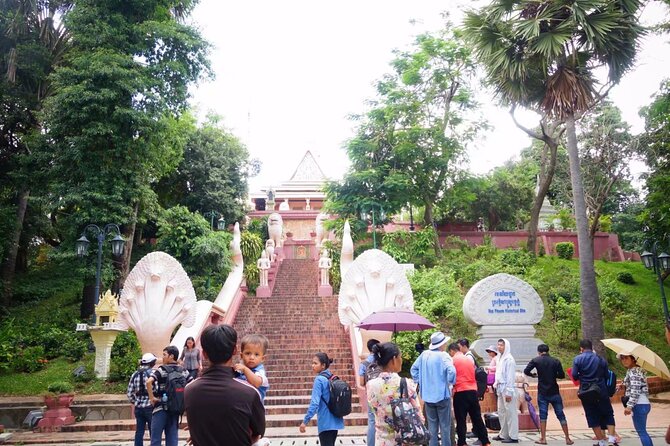
First on the Phnom Penh side is Wat Phnom, perched on an artificial hill near the Tonle Sap River area. It’s the namesake and a symbol of Phnom Penh itself, so even a short visit feels like “getting your bearings fast.”
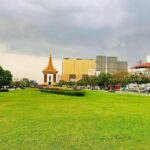
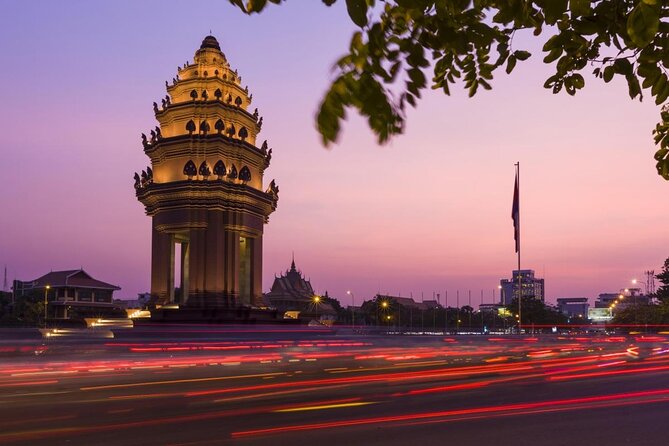
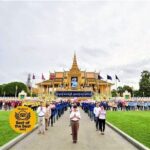
Next is Independence Monument, built in 1958 to commemorate Cambodia’s independence day after winning independence from the French. It’s an “in the middle of the city” kind of stop, so you can look up, take a few photos, and be back on your way without losing the rhythm of the day.
You’ll also see the Statue of King Father Norodom Sihanouk, completed in 2013 and inaugurated on October 11 of that year. It’s a brief moment, but it ties the day together thematically—Oudong’s Sihanouk connections continue right into Phnom Penh’s public memory.
Royal Palace and Silver Pagoda: One Compound, Two Moods
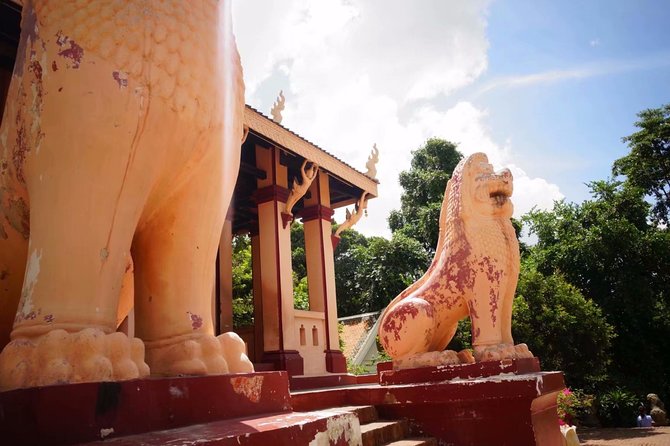
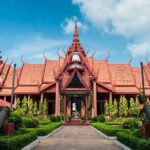
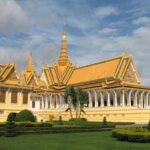
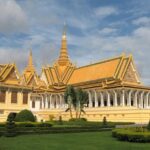
The Royal Palace and Silver Pagoda sit next to each other in the same larger walled compound. You’ll visit Royal Palace for about an hour, and then the Silver Pagoda for around 30 minutes.
The Royal Palace is described as constructed over a century ago to serve as the residence of the King of Cambodia and for court ceremony performances. If you come in with even basic awareness of who ruled from here, the buildings start to make more sense. It’s less about being impressed by gold paint and more about understanding power, tradition, and ceremonial space.
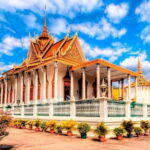
Then you cross over to the Silver Pagoda, proper name Wat Preah Keo Morokat. The name itself clues you into the visual style, but the real value is how the guide frames the place as part of the Royal Palace religious world, not as a random side attraction.
Photo tip: plan on respectful quiet. This area can feel more formal than other temple stops, so keep your camera use simple and follow any guidance from staff.
Transportation and Guide Style: Where the Day Gets Easy
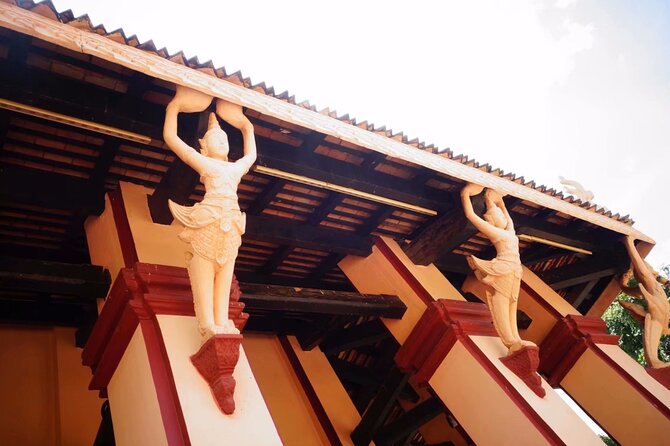
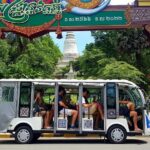
This tour runs with private comfortable/AC transportation and hotel pickup/drop-off, which makes a full day feel workable. Cambodia traffic can turn a schedule into chaos, so the private transport piece isn’t luxury—it’s time insurance.
The inclusion of a private English-speaking guide matters most in the narrative. Guides like Sam Ang can point out how one route at Oudong feels easier to climb, and how the history ties to what you’re seeing right now. Another guide mentioned in this experience, Mr. Suyhong, helped make the mountain trek more enjoyable with good timing and pacing.
Also, in hot weather, a good guide doesn’t just talk history. They keep you comfortable, offer calm explanations, and help you manage the slower moments so you don’t feel stuck.
Comfort Checklist: What to Bring for Oudong Stairs and Palace Heat
Because you’ll mix climbing with open-air temple viewing, pack for sweat and sun. I’d bring:
- Comfortable shoes with grip for stair sections
- A hat or cap
- Sunscreen
- A small reusable water bottle, even though the tour provides cold water
- Light clothing you can breathe in
The trip includes a cold towel and bottle of water, which is genuinely helpful. Still, you’ll feel better if you assume you might want extra drinks on your own during gaps.
Who This Tour Is Best For
This day works well if you want a “two-worlds” Cambodia day: sacred mountain sites plus major Phnom Penh landmarks, all in one organized loop. It’s ideal for:
- Couples or friends who prefer a private guide
- First-timers who want the highlights without switching taxis all day
- History-and-religion curious visitors who like context, not just photos
- Anyone who wants a full day that’s active but not an all-day hike marathon
If you’re extremely mobility-limited, you should think carefully about the stair climb on Oudong Mountain. The experience is described as most travelers can participate, but the climb is still a core part of the day.
Should You Book This Full-Day Oudong and Phnom Penh Tour?
If your goal is to understand Cambodia’s layers—royal city, spiritual traditions, and modern capital landmarks—this is a strong choice. The biggest reason I’d book it is the value math: pickup, private transport, entrance fees, plus water and a cold towel, all wrapped into a full day.
I’d especially recommend it if you appreciate guides who can make religious architecture and royal history feel connected. The best version of this day is when your guide keeps you moving at a comfortable pace and explains what you’re looking at while you’re looking at it.
The only reason to hesitate is heat and stairs. If you know you struggle with climbs or midday sun, plan your clothing carefully, take breaks early, and consider asking the guide about the most manageable route up.
FAQ
What’s the total duration of the tour?
It runs about 7 to 8 hours.
Is hotel pickup and drop-off included?
Yes, hotel pickup and drop-off are included.
Is there an English-speaking tour guide?
Yes, you get a private English-speaking tour guide.
Are entrance fees included?
Yes, all entrance fees are mentioned as included in the program.
Is transportation provided?
Yes, you’ll have private comfortable/AC transportation.
Does the tour include bottled water or cooling items?
Yes. You’ll receive a cold bottle of water during the trip and a cold towel.
Is lunch included?
Lunch and drinks are not clearly mentioned as included, so you should plan to cover it yourself.
What stops will I visit in Phnom Penh?
You’ll visit Wat Phnom, the Independence Monument, the Statue of King Father Norodom Sihanouk, the Royal Palace, and the Silver Pagoda.
What’s the main activity at Oudong Mountain?
You’ll visit Oudong Mountain sites, including the stupa area and shrines, plus you’ll climb stairs to get views from Phnom Udong.
Is free cancellation available?
Yes. You can cancel up to 24 hours in advance for a full refund, and changes less than 24 hours before the start time aren’t accepted.
What if the weather is bad?
This experience requires good weather. If it’s canceled due to poor weather, you’ll be offered a different date or a full refund.