REVIEW · FISHING
Siem Reap: Fishing in the rice fields, in the villages of Siem Reap
Book on GetYourGuide →Operated by Joe Jungle Adventure · Bookable on GetYourGuide
Snakes, frogs, and rice fields in one day.
This is a full Khmer-rural morning and afternoon built around topwater frog-bait fishing and the hunt for snakehead fish, with village stops, shared time with local fishermen, and even the option to have your catch prepared on the spot.
I like the chance to see Khmer daily life up close, especially the village market stop and lunch in a surrounding village. I also like how hands-on the fishing teaching is, so you’re not just watching. One thing to consider: you’ll be up early, riding scooters, and spending hours outdoors in muddy, hot conditions where you might encounter snakes or other dangerous wild creatures.
In This Review
- Key Highlights You’ll Actually Remember
- Rice-Field Fishing That Feels Like Real Khmer Life
- 7 a.m. Scooter Ride to Villages and Market Stops
- Learning Topwater Tackle: Frogs as Bait
- The Snakehead Strike: The Moment You’re Waiting For
- Lunch in a Surrounding Village and Shared Time in the Fields
- Afternoon Fishing: Changing Spots, Wild Nature, Real Adventure
- What’s Included in the $68 Price (and Why It Can Feel Worth It)
- Practical Tips: What to Bring for Mud, Sun, and Frog-Bait Fishing
- Who This Tour Suits Best
- Should You Book This Fishing Day With Joe Jungle Adventure?
- FAQ
- How long is the experience?
- What time does the tour start?
- Is pickup from my hotel included?
- How far do you travel from Siem Reap?
- How big is the group?
- What languages do the guides/instructor speak?
- What kind of fishing do you do?
- Is food and drink included?
Key Highlights You’ll Actually Remember
- Frog-bait topwater fishing taught step-by-step, not just explained
- Snakehead fishing on the surface, with that sudden strike feeling
- Village markets and lunch locally, a break from Siem Reap’s usual crowd pattern
- Small private group (max 4), which makes the day feel personal
- Spots change with water level, so the day adapts to the rice-field conditions
- Catch can be prepared and eaten on the spot if you want
Rice-Field Fishing That Feels Like Real Khmer Life
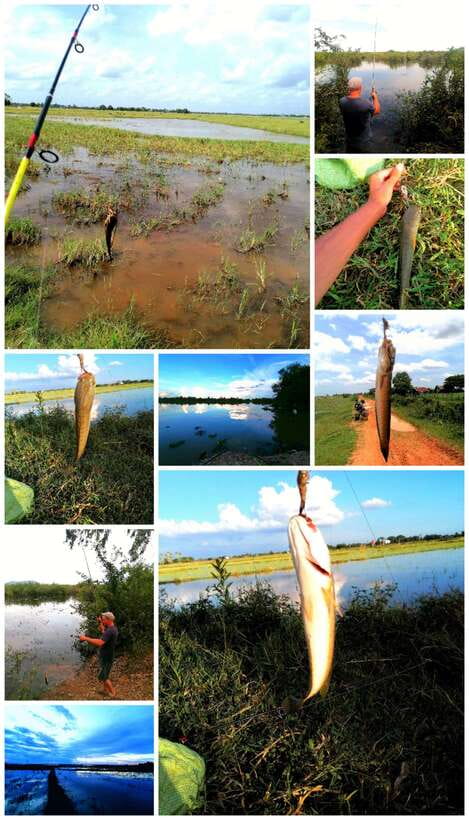
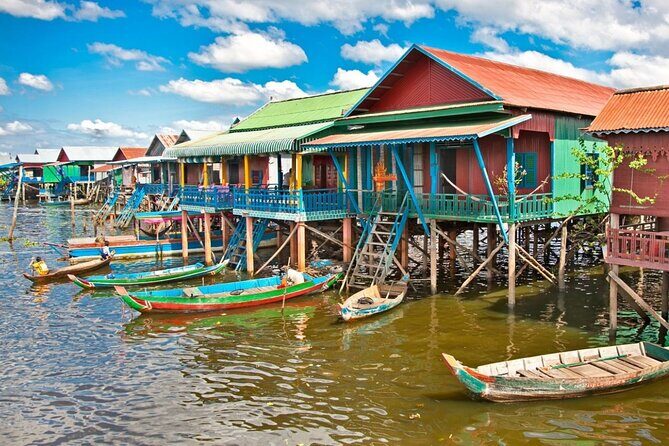
This day isn’t about “fishing as a souvenir.” It’s about fishing as a routine—something Khmer families do while moving through rice fields and village life. You start early, you ride out from Siem Reap, and then you’re put to work learning a local method.
What makes it interesting is the contrast: in the morning you’re in markets and villages, and later you’re out where the water, mud, and plant life do the talking. The fishing itself is very specific. You’ll use frogs as bait and fish on the surface, targeting snakehead fish when they come up and grab.
For me, that’s the appeal. It’s not just a sport. It’s practical knowledge, taught in a simple way, and tied to where you actually are.
7 a.m. Scooter Ride to Villages and Market Stops
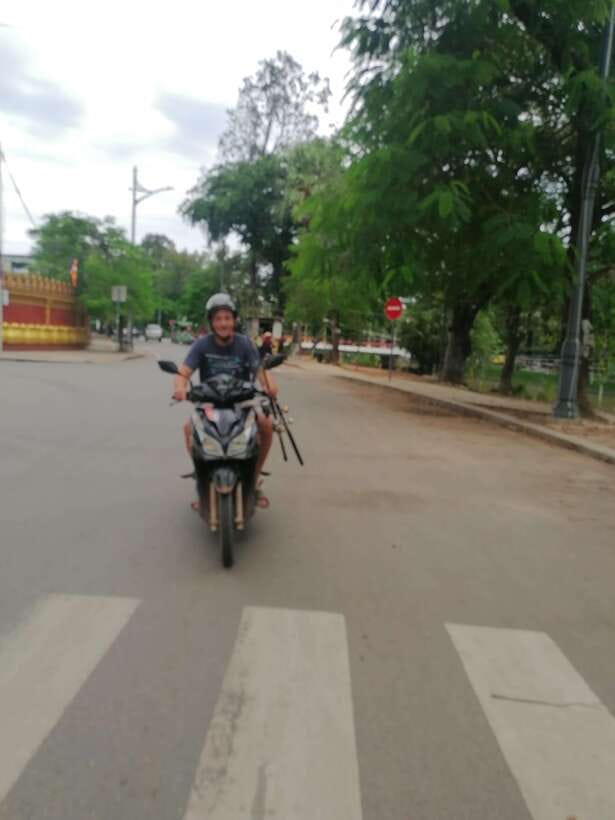
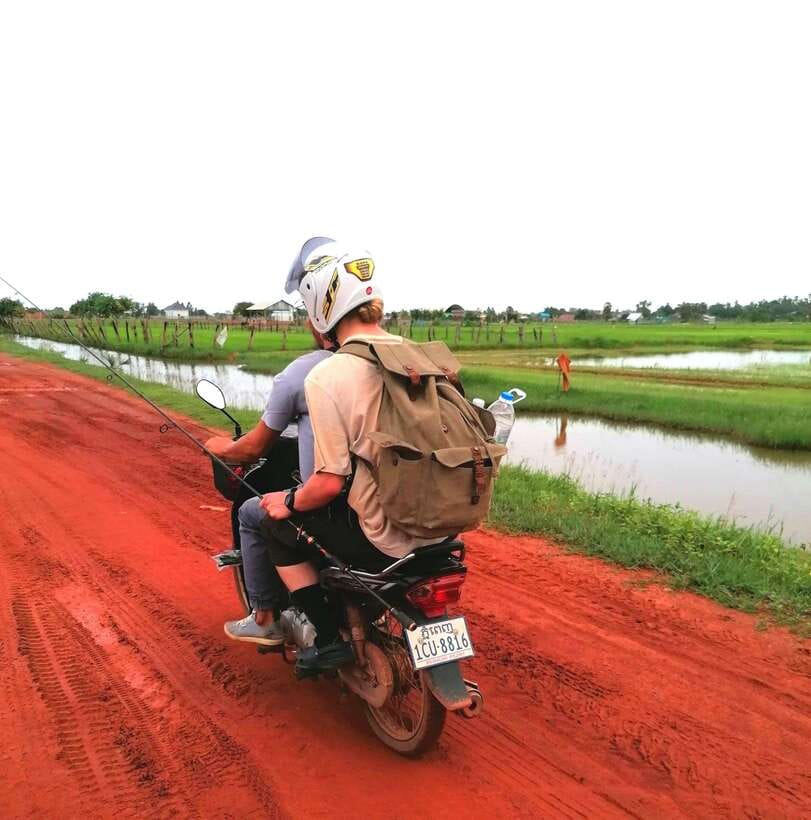
You begin at 7:00 a.m., with pickup from your hotel in Siem Reap. The instructions say to be ready 15 minutes before pickup, and the transfer runs by motorcycle or scooter. That means the ride is part of the experience—about 20–30 km from Siem Reap to nearby villages.
On the way, it helps to keep expectations realistic. You’re not on a smooth, curated road-trip. This is countryside travel, so you’ll feel the pace of rural Cambodia: early light, narrow routes, and the kind of movement you don’t get from a temple-focused morning.
Once you reach the villages, you stop at a local market. This is where you get a quick, meaningful view of everyday Khmer life—what people buy, what gets sold, how the day is already underway. Then you move on to a fishing area that depends on the water level. In rice-field environments, water isn’t a constant. It shapes where you can fish and what’s possible.
The good part here is timing. Starting early keeps you away from the hottest hours and often gives you the best “rhythm” of daily village life.
Learning Topwater Tackle: Frogs as Bait
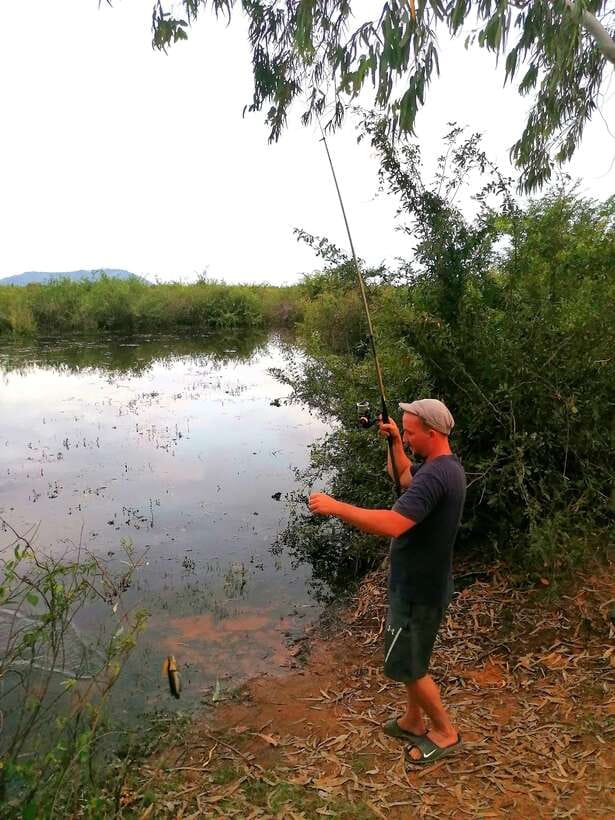
After the market stop, you reach one of the many fishing spots in the surrounding fields. The exact location can shift with the water level, but the structure stays the same: you’ll be taught on-site and then you’ll fish.
You’ll get an introduction to your fishing tackle and the basics of topwater fishing. In plain terms, topwater means your lure/bait works on the surface, where the fish notice it and come up to grab. In this case, the bait is frogs.
That frog-bait detail matters. It changes how you cast and how you read the water. You’re watching for subtle signs and then reacting fast when the snakehead fish takes the bait. This isn’t a slow, do-nothing fishing style. It’s active and a little adrenaline-y.
You’ll also get a small snack so you’re not running on empty before you start casting for real. It’s a small inclusion, but it helps. In Cambodia heat, an energy dip can ruin focus, and fishing demands attention.
If you’ve never done topwater before, don’t worry. The tour is built around teaching the basics and then letting you try.
The Snakehead Strike: The Moment You’re Waiting For
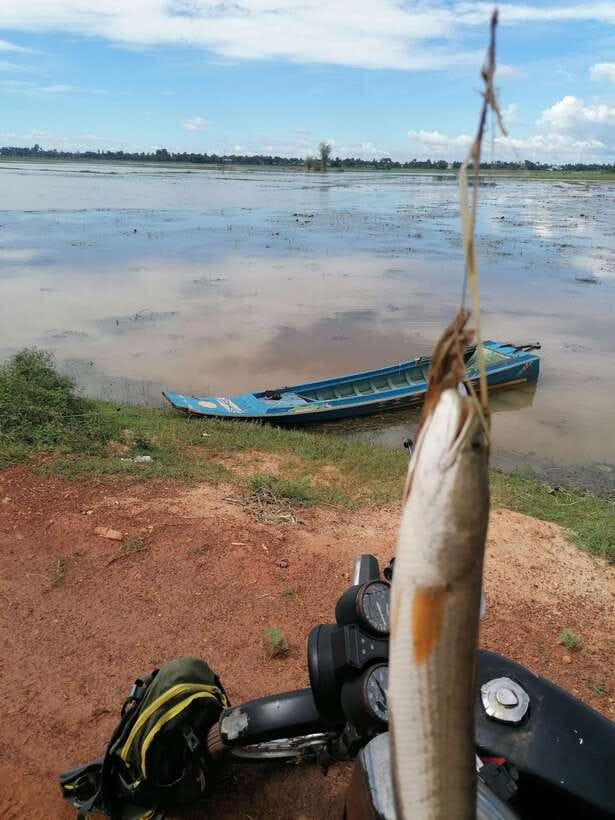
Here’s the part that people tend to remember most: the moment you feel that grab and see the action on the surface. The tour description is very clear about what you’re aiming for—snakehead fish grabbing the bait on the surface.
This fish often hits where you can actually see the response. That visual moment is what makes topwater fishing feel different from deeper-water fishing. There’s a rhythm: cast, wait, watch the water line, then react.
If you land a fish, there’s an option to have it prepared and eaten on the spot, like locals do when they’re out fishing for hours. One past day included cooking on a fire beside the water, and that matches the idea of eating your catch where it’s caught.
A practical note: you’re in rice-field terrain. Expect effort. Your rod handling, foot placement, and attention to the bait all matter. Snakehead fishing rewards quick focus and calm response.
Lunch in a Surrounding Village and Shared Time in the Fields
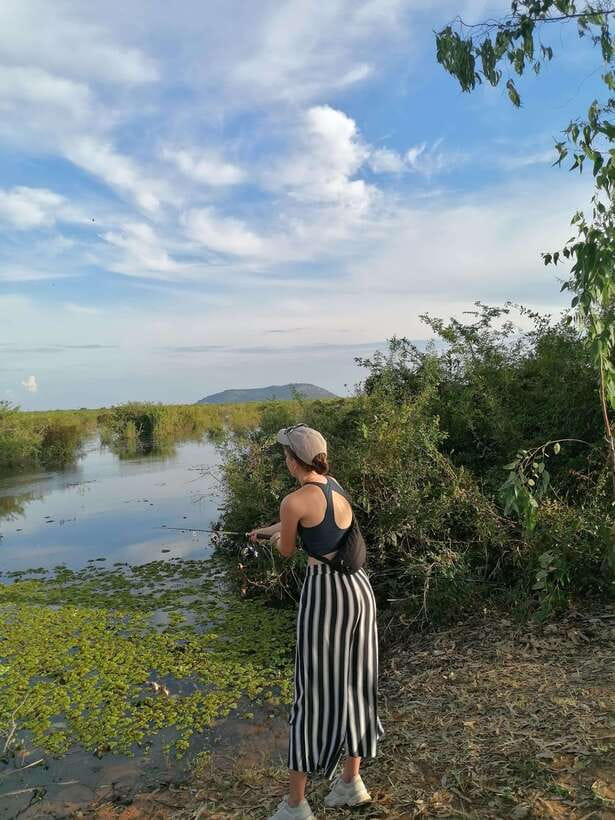
You’ll have lunch in one of the surrounding villages. The point of lunch here isn’t fine dining. It’s a reset in the middle of a long rural day—food that matches the setting, eaten with time to recover before the afternoon fishing.
You’ll also likely encounter local fishermen in the rice fields. The day is designed so you can stand together in the fields, not just pass through. That shared time is where the cultural exchange happens in a natural way. You’re there doing something locals also do, which makes conversation easier and more respectful.
Lunch plus this shared field time is one of the best “value for meaning” combinations on the day. You see a market, you fish, you eat locally, and you don’t feel like you’re constantly jumping between photo stops.
Afternoon Fishing: Changing Spots, Wild Nature, Real Adventure
After lunch, you return to the water. The tour notes that depending on fish stock, you’ll change spots again and then fish for a few hours in the afternoon.
This spot-changing isn’t just a tactic. It’s a reflection of rice-field life. Water level and fish activity can shift, so the day adapts. If you only fish one place all afternoon, you can miss the best chance when conditions improve. That’s why the schedule stays flexible.
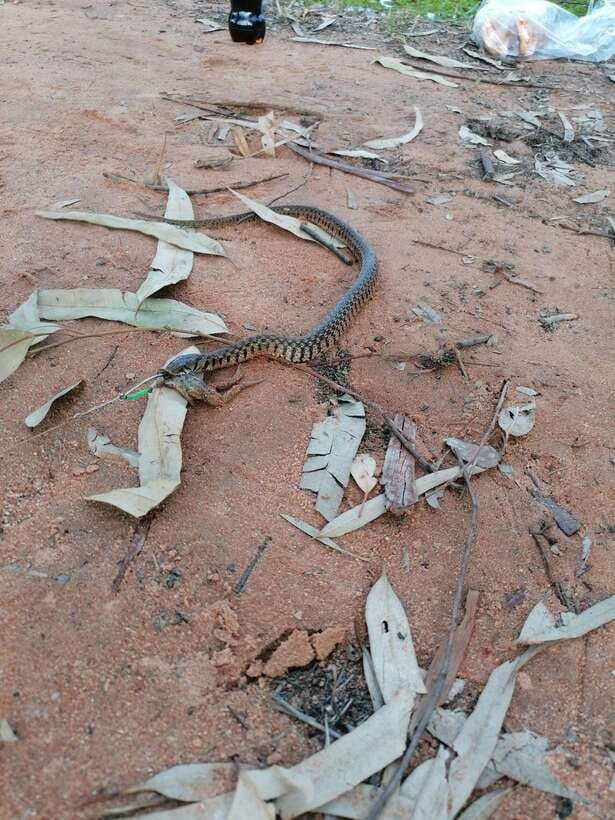
Now, the “adventure” part. The tour information warns that it’s not uncommon to encounter snakes or other dangerous wild creatures. That doesn’t mean the whole day is panic. It means you should treat this as real outdoors time, not a safe, indoor activity.
What to do with that information? Simple: wear proper clothing you’re okay getting dirty, keep your attention on your guide’s instructions, and don’t wander away from the group. If you hate unpredictability, you might want a different type of day trip. If you want nature with some edge, this is it.
What’s Included in the $68 Price (and Why It Can Feel Worth It)
The tour costs $68 per person. For Siem Reap, that’s not “cheap,” but it also isn’t priced like a luxury craft workshop.
Here’s what you get for the money:
- Hotel pickup and return to Siem Reap
- Transport by motorcycle/scooter to the villages and fishing areas
- Fishing equipment
- Snacks plus lunch
- Water and one soft drink per person
The value comes from two places. First, the day is long—10.5 hours—and uses real local settings rather than quick roadside stops. Second, it’s capped at a private group of max 4 people, so the teaching time and attention are more consistent than on large tours.
If you’ve ever done a Siem Reap day trip that feels like constant waiting for a bus, this one tends to feel more active. You ride out early, you learn a technique, and you spend hours fishing. The included food and gear also remove a chunk of hassle, which makes it easier to just show up and focus on the experience.
Practical Tips: What to Bring for Mud, Sun, and Frog-Bait Fishing
This day is outdoors, sun-heavy, and likely muddy. Bring the right stuff and you’ll enjoy it more.
Plan to bring:
- Sun hat
- Head covering or kippah
- Sunscreen
- Clothes that can get dirty
That last line matters more than it sounds. Rice fields and fishing spots can get wet and messy, and you don’t want to spend your time worrying about clothing.
You might also consider bringing a small towel or extra shirt if you’re the kind of person who hates feeling sticky afterward (not listed, but logically helpful for comfort). Still, follow the tour’s main list first.
Also, if you want to travel with flexibility, the tour notes that you’re welcome to drive your own vehicle. That can be helpful if you prefer to control the ride time or want less handling by transfer staff.
Who This Tour Suits Best
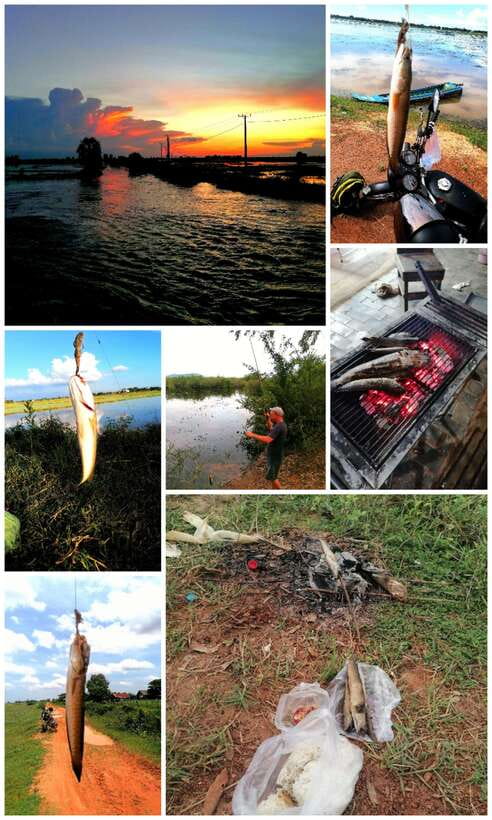
This is a great fit if you:
- Like hands-on experiences more than sightseeing-only days
- Want a break from the big-temple crowds
- Enjoy rural life, markets, and meeting locals in everyday settings
- Are curious about a specific fishing method, especially topwater frog-bait technique
It’s less of a fit if you:
- Strongly dislike early starts at 7:00 a.m.
- Hate muddy terrain or being outdoors for hours
- Need guaranteed “no-risk” environments (the day explicitly mentions potential dangerous wild creatures)
Language-wise, guides communicate in German and English, so you should be able to get clear instruction on the fishing basics.
Should You Book This Fishing Day With Joe Jungle Adventure?
If you want a Siem Reap day that feels tied to the region rather than the usual checklist, this is a strong choice. The combination of village market time, proper fishing instruction, and long hours out in the rice fields gives you a day with both culture and hands-on action.
Book it if you’re comfortable getting dirty, can handle being outdoors, and genuinely want to learn a technique instead of just holding a rod for a photo.
Skip it if you’re looking for comfort-first sightseeing or if snake-and-wildlife warnings make you uneasy. This tour is real rural Cambodia, not a padded theme day.
If you’re on the fence, think of it like this: the day’s “value” is measured in technique learned and rural scenes experienced, not in luxury touches.
FAQ
How long is the experience?
The tour lasts 10.5 hours. The exact starting times can vary, so you’ll want to check availability for the day you want.
What time does the tour start?
It starts early at 7:00 a.m.
Is pickup from my hotel included?
Yes. Pickup is included from any hotel in Siem Reap, and you should be in the lobby 15 minutes before pickup.
How far do you travel from Siem Reap?
You ride about 20–30 km from Siem Reap to the nearby villages and fishing areas.
How big is the group?
It’s a private tour limited to a maximum of 4 participants. For groups larger than 4, you need to contact the provider.
What languages do the guides/instructor speak?
The instructor/guides speak German and English.
What kind of fishing do you do?
You’ll do topwater fishing using frogs as bait, with instruction provided on tackle and basic rules.
Is food and drink included?
Yes. Snacks, lunch, water, and one soft drink per person are included.