REVIEW · SIEM REAP
Explore The Kampong Pluk Floating Village
Book on Viator →Operated by Cambodia Voluntour - Day Tours · Bookable on Viator
Kampong Pluk makes the lake feel personal. This half-day trip shows you Tonle Sap Lake the way local families experience it, and I like the chance to walk the stilted village streets and meet the kids up close, plus the boat ride along the village edges. One thing to consider: pickup timing can be messy if the guide doesn’t show up when expected, with at least one real case of a several-hour rearrangement after confirmed booking.
The “floating” idea is the hook, but the real lesson is practical. Homes sit on very tall stilts (around 8 meters), and during the rainy season the lake rise covers them—so the village looks like it’s floating even though it’s not. You’ll also get context for why these villages exist at the water’s edge, tied to seasonal fishing and rice work.
You’ll start at 8:00 am in Siem Reap and spend about five hours total, with a morning window on the lake (8:00–12:00) and a later stop at an Artisan School and Old Market. If you’re short on time but want a more real-life look at lake community life, this is a solid fit.
In This Review
- Key highlights to notice before you go
- Tonle Sap Lake and the logic behind stilt villages
- Walking Kampong Pluk: what you’ll see at street level
- Boat along the village edges: the best way to feel the lake
- Going beyond the most visited spots: Kampong Pluk and Chong Kneas
- The morning flow (8:00 am to noon): Tonle Sap in motion
- After the lake: Artisan School and Old Market time
- Price ($166) and value: what you’re paying for
- Timing hiccups: how to plan when pickup matters
- Who this tour suits best (and who should skip it)
- Should you book Kampong Pluk with Cambodia Voluntour?
- FAQ
- What is the location of this tour?
- How much does the tour cost?
- How long is the experience?
- What time does the tour start?
- Is pickup included?
- What’s included with the ticket?
- How many people are in a group?
- What does the itinerary include besides Kampong Pluk?
- Does the tour include Chong Kneas?
- What happens if the weather is poor?
- Is there free cancellation?
Key highlights to notice before you go
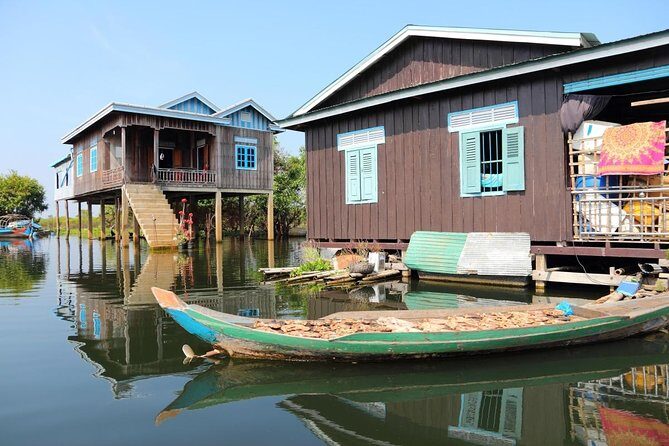
- Stilt houses, not floating houses: about 8 meters of stilts, with seasonal water covering them in the rainy period
- Tonle Sap’s seasonal rhythm: huge water-level changes shape how families live and work
- Boat time through the margins: you don’t just view the lake—you move along it
- Kampong Pluk plus a water-level option: Chong Kneas may be included depending on conditions
- Small group size: max 10 travelers, which helps the day feel calmer
- Easy add-on stops: Artisan School visit, then a drop at Old Market for shopping
Tonle Sap Lake and the logic behind stilt villages
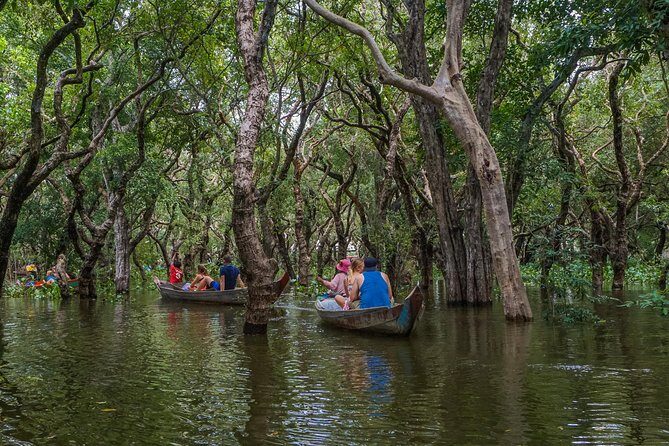
Tonle Sap Lake is one of Cambodia’s defining places, and this tour is built around a simple truth: water levels change a lot, and people plan their lives around that. In the rainy season, the lake rises dramatically. That rise can cover homes and make the whole village look like it’s floating.
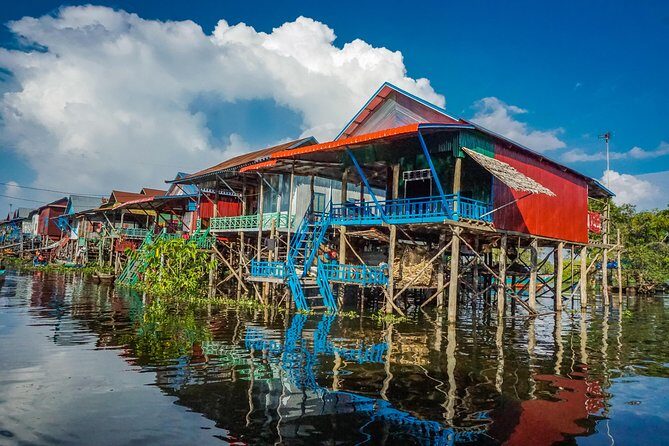
Here’s what I like about the way this trip frames it. Instead of treating the village like a photo stop, it explains why these structures are where they are. Many houses around the lake are built on floating bamboo rafts or tall stilts—about 30 feet is mentioned in the context of stilted life—so families can keep working when the water expands.
This matters for your day because it changes what you should pay attention to. You’re not just looking at unusual architecture. You’re looking at an everyday survival system. When you pause at stilted houses and see how a subsistence fishing family lives, the stilt height starts to feel like engineering, not just scenery.
You can also read our reviews of more tours and experiences in Siem Reap.
Walking Kampong Pluk: what you’ll see at street level
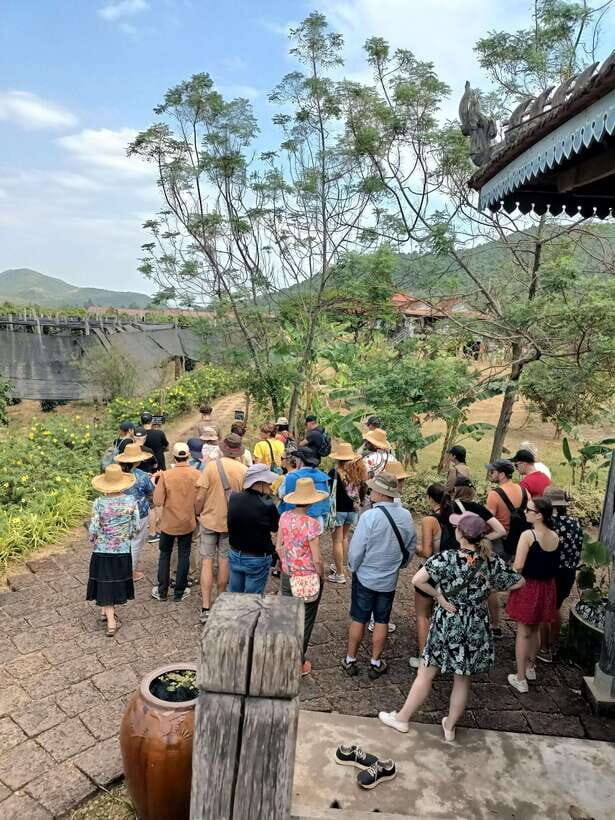
Kampong Pluk Floating Village is the name most people know, but the more interesting part is how the experience is designed. You’ll spend time walking through the village area and seeing daily life up close. That includes the kind of moments that make this trip feel human: meeting local children and watching regular routines rather than staged performances.
The “floating” part can be misleading if you’re expecting boats to roll right up to roofs like a movie. In reality, the homes are on stilts that rise far above the water. When you’re standing there, you get a clear view of the underside logic—supporting structures, living spaces above water, and the way walkways connect homes.
Also, the tour is positioned as more than a quick look. It’s described as an enriching cultural immersion of Tonle Sap Lake life, and the pace reflects that: you’re not rushed through bystanders-and-photo ops alone. You’ll have time to stop at stilted homes and understand how they’re used by families during fishing and harvest cycles.
Practical tip: wear shoes you don’t mind getting a bit dusty or uneven, because village walkways around water can be rough underfoot.
Boat along the village edges: the best way to feel the lake
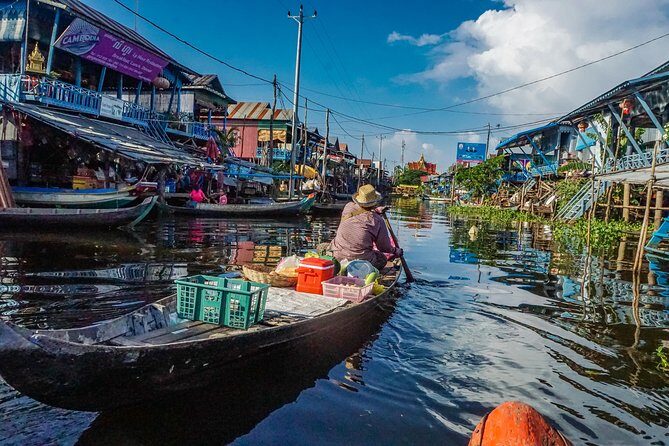
After the stilted-house viewing, you’ll continue by boat along the margins of the lake. This is the “you’ll remember this” part for a lot of people, because it changes your perspective. From the water, the scale hits differently: homes look taller, walkways look longer, and the lake’s breadth becomes obvious.
The tour description points out that the lake is the richest fresh water fishing ground in the world. That’s a big claim, but even if you don’t measure it on a map, you’ll sense the work-focused character of the shoreline communities. The boat segment turns you into a moving observer—quietly passing through the spaces where daily livelihood happens.
If you like photography, boat time also gives you angles that you can’t get on land. And if you just want a break from heat and walking, it’s a natural reset. Even during dry weather, being on the water is a different kind of comfort than standing still.
Going beyond the most visited spots: Kampong Pluk and Chong Kneas
One of the smartest bits in the tour description is the intent to go beyond the most touristy village area. You’re guided toward more genuine stilted villages for an understanding of contemporary lake life. Chong Kneas is specifically named as a possibility.
The catch is also the point: inclusion depends on water levels. That means the itinerary can shift based on what the lake is doing on that day. For you, that’s actually a good thing, because it keeps the experience tied to the real conditions that shape village life in Tonle Sap rather than a single fixed template.
When water levels are right, you’ll get a broader sense of how different stilt communities handle the same seasonal problem. It’s also a helpful reminder that Kampong Pluk is just one visible point on a larger network of life around the lake.
So, if you’re the type of traveler who gets bored with repeat scenery, this “water-level dependent” piece is a plus. It suggests you’ll spend time where conditions make sense—not just where marketing is easiest.
The morning flow (8:00 am to noon): Tonle Sap in motion
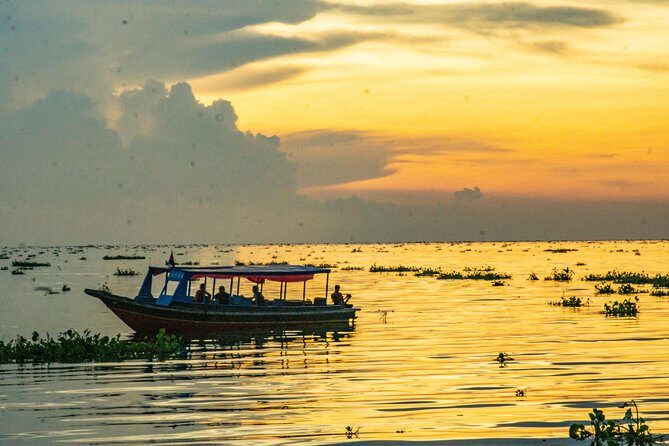
This trip starts at 8:00 am, and the morning window is set for Tonle Sap Lake time from 8:00AM – 12:00PM. That timing is practical. Early hours are often better for comfort, and the morning light usually helps if you’re photographing boats, stilts, and shoreline details.
During this morning block, you should expect a mix of:
- time at the lake for orientation and viewing
- pauses at stilted homes to see how subsistence fishing family life works
- boat travel along the lake margins as you move between village viewpoints
This section is the core of the experience. Everything else later—Artisan School and Old Market—is a bonus, but the lake and village time is the reason the schedule exists.
One thing to keep in mind: this is a day built around water and weather. If conditions aren’t good, the operator may cancel and offer a different date or full refund (details are handled through their policies). That means you’re best off booking if your schedule has some flexibility.

After the lake: Artisan School and Old Market time
When the lake portion wraps, the tour returns and adds two stops: The Artisan School and then a drop at the Old Market with free time for shopping.
Why this pairing works:
- The lake segment gives you context for how people live and work around Tonle Sap.
- The Artisan School stop adds a different kind of local story—work and skills—without forcing your day to stay outdoors.
- Old Market gives you a low-pressure way to use the rest of your time back in Siem Reap, whether you want souvenirs, snacks, or just a change of pace.
The tour description doesn’t promise a long educational talk at the Artisan School, so don’t expect a deep museum-style experience based on this info alone. But it’s still a sensible add-on because it keeps the day cohesive: you’re moving from community life on the lake to craft and local commerce in town.
Price ($166) and value: what you’re paying for
$166 for about 5 hours might sound steep until you map what’s included. In this case, you’re paying for:
- pickup being offered
- an admission ticket included
- mobile ticket convenience
- a small group size (max 10 travelers)
- guided time built around a boat experience and village viewing
Value is really about stress and structure. A lake-and-village day can go wrong fast if you’re trying to arrange it yourself—boat logistics, timing, where to stand, and how to interpret what you’re seeing. This tour packages those moving parts into one schedule.
Also, small group size matters more than people think. With up to 10 people, the guide can actually manage the pace at stilted walkways and during boat movement. You’re less likely to feel like you’re part of a parade.
So I’d frame this as a good value if you want a guided day that prioritizes context and access, not just transport.
Timing hiccups: how to plan when pickup matters
There’s one practical drawback worth mentioning up front. One account described a guide not fulfilling the booking at the correct time, forcing a reschedule by about 6 hours despite confirmations.
I can’t tell you this will happen. But I can help you prepare. For a tour with a fixed morning start, I recommend:
- confirm pickup details close to departure
- be ready at the pickup spot earlier than you think you need to be
- keep your next-day plans flexible if possible, since weather and timing can affect the plan
If you’re the kind of traveler who hates schedule changes, consider this an alert. If you can handle a slower start or a delayed turnaround, the lake experience is still likely to be worth it.
Who this tour suits best (and who should skip it)
This tour fits you well if:
- you want an on-water look at Tonle Sap Lake community life
- you enjoy walking around real neighborhoods and seeing how people live
- you like boats, short guided interpretation, and a small-group feel
You might skip it if:
- you’re strongly time-locked and can’t tolerate delays
- you dislike boat travel or uneven walkways around water
- you need a completely predictable schedule no matter what
It’s also a good fit for travelers who want more than a generic “floating village” checkbox. The stilt-house explanation and the emphasis on fishing/harvest context give the day meaning.
Should you book Kampong Pluk with Cambodia Voluntour?
I’d book this if you’re in Siem Reap and you want a lake day that connects the village you see to the seasonal forces that shape life there. The combination of stilted village viewing, boat time, and the add-on stops (Artisan School and Old Market) gives you a complete arc in about half a day.
Just go in with two expectations set:
1) the name floating village can be misleading, so focus on the stilt architecture and seasonal water logic
2) pickup timing can be imperfect, so confirm and plan with a bit of buffer
If those fit your travel style, this tour is a strong, practical way to experience Tonle Sap without turning it into a stressful logistics project.
FAQ
What is the location of this tour?
The tour is in Siem Reap, Cambodia.
How much does the tour cost?
The price is $166.
How long is the experience?
The duration is about 5 hours.
What time does the tour start?
The start time is 8:00 am.
Is pickup included?
Pickup is offered.
What’s included with the ticket?
An admission ticket is included, and you receive a mobile ticket.
How many people are in a group?
The tour has a maximum of 10 travelers.
What does the itinerary include besides Kampong Pluk?
After the lake/village time, you visit The Artisan School and then get dropped at Old Market for shopping.
Does the tour include Chong Kneas?
Chong Kneas may be included depending on water levels.
What happens if the weather is poor?
This experience requires good weather. If it’s canceled due to poor weather, you’ll be offered a different date or a full refund.
Is there free cancellation?
Yes. You can cancel up to 24 hours in advance for a full refund. If you cancel less than 24 hours before the start time, the amount paid is not refunded.