REVIEW · SIEM REAP
Cycle the Angkor Backroads with lunch / E-Bike or Tuk Tuk
Book on Viator →Operated by Siem Reaper Travel - Phnom Penh Day Tours · Bookable on Viator
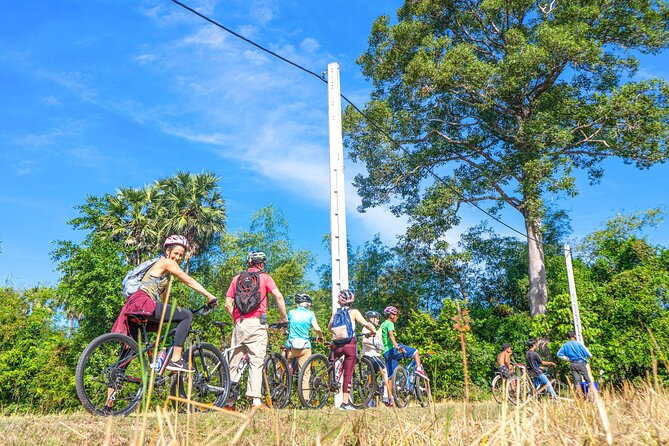
One morning bike ride can change how you see Angkor. This tour keeps you away from some of the biggest crowds by moving through the Angkor Archaeological Park at a human pace, with stops that balance big-ticket temples and calmer lanes. You’ll pedal between highlights while an English-speaking guide explains what you’re looking at along the way.
I especially like the small group size (max 12) because it feels personal and flexible, not rushed. I also like that you’re covered for the essentials: hotel pickup/drop-off, a mountain bike and helmet, water and snacks, and lunch by the pond at Srah Srang.
One possible drawback: you’ll be riding roughly 20–30 km in hot, humid conditions, so it helps to be comfortable biking and okay with some effort. Also, while guides share temple commentary, the style can vary, so you may want to ask questions if you care a lot about photo tips.
In This Review
- Quick hits before you ride
- Why biking Angkor feels different than going by car
- Getting ready: pickup, fitting, and starting at 8:00 am
- Bayon Temple and Angkor Thom gate: faces, elephants, and first momentum
- Ta Prohm and its jungle look: planning for photos and shade
- Srah Srang lunch by the pond: a calm reset before Angkor Wat
- Angkor Wat after lunch: the big one, plus the dress code
- Fitness and heat: what 20–30 km means in real life
- Price and value: what $55 covers, and what you’ll pay separately
- Guides: the difference between history talk and getting answers
- Who this tour is best for
- Should you book this Angkor backroads cycling day?
- FAQ
- What time does the tour start?
- How long does the tour last?
- How far will I ride?
- Is hotel pickup and drop-off included?
- What kind of bike do I get?
- Is lunch included?
- Are entrance fees included for Angkor temples?
- What is included for food and water during the ride?
- Do I need to dress a certain way?
- Can I cancel for a full refund?
Quick hits before you ride
- Backroads approach: Dirt lanes plus paved roads give you a more local feel than a car-only route
- Small group pace: Up to 12 riders keeps things manageable around the temples
- Lunch at Srah Srang: A pond-side break that breaks up the long day nicely
- Bike + helmet included: You don’t have to sort out rentals or safety gear
- Dress code matters at Angkor Wat: Cover shoulders and knees for cultural respect
Why biking Angkor feels different than going by car
Angkor is famous for a reason, but it can also feel like a checklist if you’re packed into traffic and tour schedules. On a bike, the experience has more rhythm. You arrive with fewer barriers between you and the site, and you notice details you’d miss at driving speed.
Pedaling also changes the mood of your photos. You’re not just aiming at stone you’re also capturing movement through lanes, gates, and paths. That’s part of why this style of tour appeals: it’s not only about seeing Angkor Wat. It’s about seeing the full Angkor setting.
And yes, you’ll still hit the big names—Bayon, Ta Prohm, and Angkor Wat—but the route style helps you avoid the most frantic moments that come with coach schedules.
You can also read our reviews of more tours and experiences in Siem Reap.
Getting ready: pickup, fitting, and starting at 8:00 am
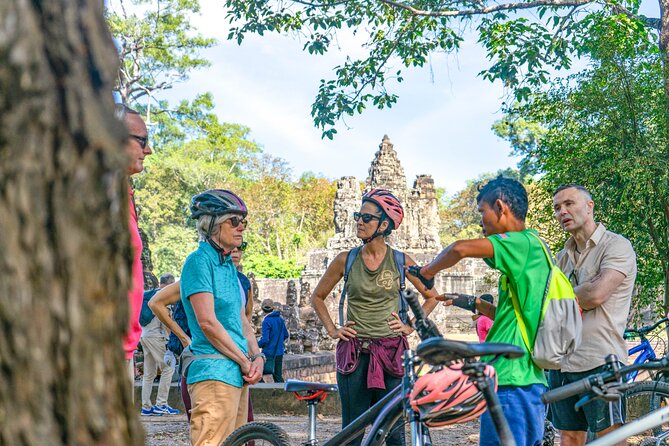
The day starts with hotel pickup and drop-off, which is a real comfort in Siem Reap. You’ll head to Siem Reaper Travel for bike fitting, and that first stretch runs about 30 minutes.
You’ll be given a bicycle and a helmet, then you’ll set off for the temples inside the Angkor Archaeological Park. Because the tour runs about 7 hours total, that early start matters. It gives you a better chance to cover the route before the heat feels relentless.
One practical point: since the ride distance is 20–30 km, you’ll want to get your seat height and riding comfort right during that fitting window. A small adjustment early can save you from sore legs later.
Bayon Temple and Angkor Thom gate: faces, elephants, and first momentum
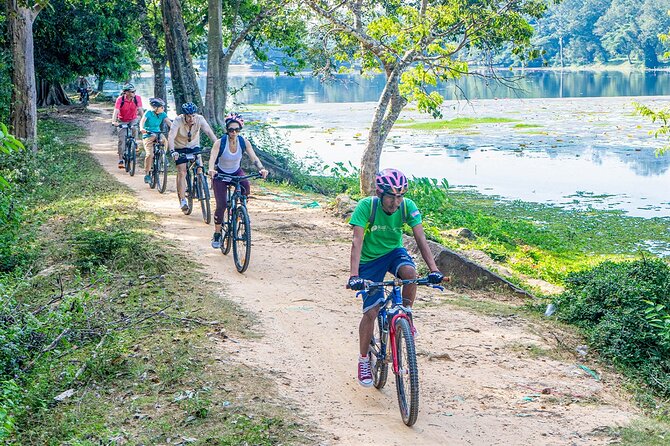
Your first major temple stop is Bayon Temple, reached after you start your ride toward the Angkor Archaeological Park. The route includes entering Angkor Thom through an ancient gate carved with elephants and four giant faces, and that moment sets the tone.
Bayon is all about the faces. You’ll spend about 3 hours in this area, which is plenty of time to move slowly, look closely, and not feel like you’re being herded. You’ll also have time to settle in after the morning ride rather than launching straight into the busiest parts.
A downside to any Angkor morning is the heat and crowds still exist. Even with a cycling approach and a small group, you should expect busy moments at famous structures. The upside is that your pace is still yours.
Ta Prohm and its jungle look: planning for photos and shade
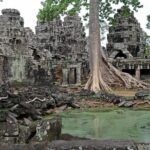
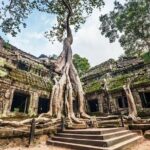
Next up is Ta Prohm, the temple known for being wrapped with trees and roots. This is also the one people connect to pop culture because it was featured in the Tomb Raider film, and that recognition helps make the whole visit feel immediate.
You’ll get about 2 hours here. That time window is useful because Ta Prohm is a temple you experience from multiple angles, and the shaded areas can be a relief if the sun is strong.
Here’s where I think you should go in with the right expectation: you’ll likely stop often and look around, but you’re not on a private photographer’s schedule. If you care about photos, it helps to be ready to ask for guidance on angles and timing rather than waiting for the guide to read your mind.
Srah Srang lunch by the pond: a calm reset before Angkor Wat
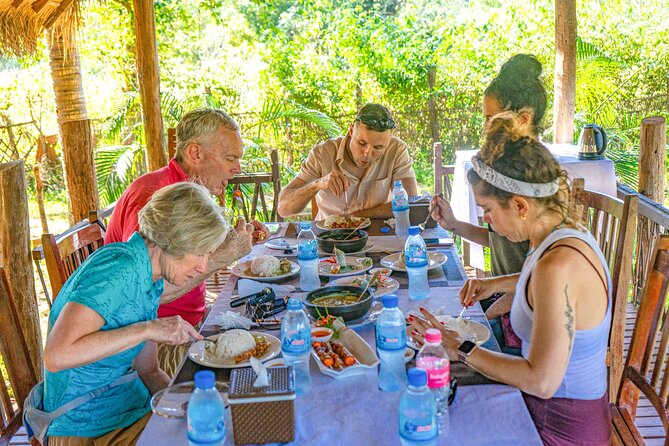
Between the big temple stops, you’ll take a lunch break at Srah Srang with a view over the pond. This stop is scheduled for about 1 hour, and it’s a smart piece of the route because it breaks up the day into something you can handle.
You’ll also get a chance to cool down a bit. Since bottled water and snacks are included, you’ll already have some hydration support, but lunch makes a bigger difference than you might expect when you’re riding for hours.
Vegetarian options are available if you request them when booking, so you won’t have to scramble once you’re there. That matters on Angkor days because your schedule can’t bend much.
Angkor Wat after lunch: the big one, plus the dress code
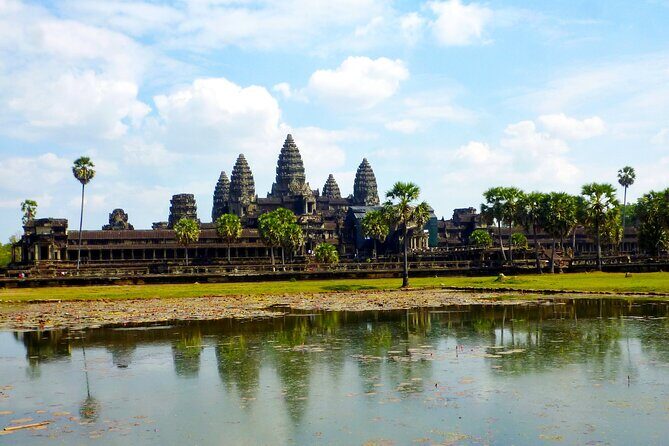
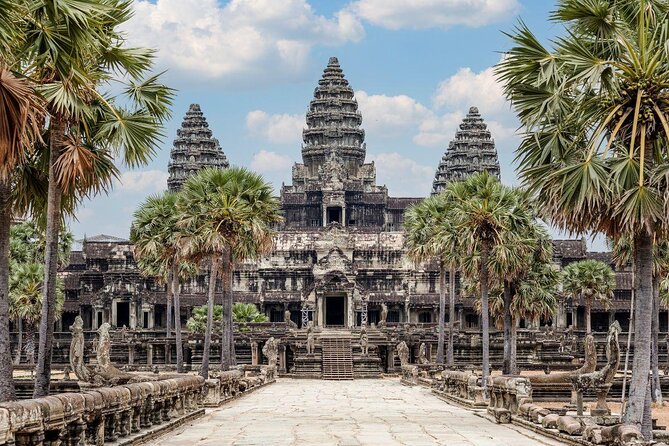
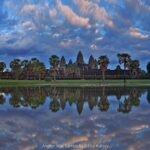
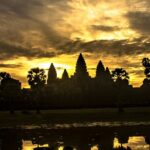
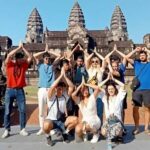
After lunch and a rest period, you’ll visit Angkor Wat, usually the emotional peak of the day for most people. It’s described as the largest religious monument in the world, and it’s also a top example of Khmer-era religious architecture. You’ll have about 2 hours at the site.
This is also where the dress code becomes non-negotiable. You’ll want clothing that covers shoulders and knees, especially at Angkor Wat. If you show up in tank tops or short shorts, you’ll waste precious time sorting it out once the day is already moving.
If you’re wondering how to make this stop feel less overwhelming: pace your viewing. Look first from wider angles to understand layout, then move closer. With a fixed 2-hour block, that approach gives you both the big picture and the satisfying details.
Fitness and heat: what 20–30 km means in real life
This is a bike tour for people with moderate physical fitness. The ride distance is listed as 20 km to 30 km, and the time on the move is spread across the morning and early afternoon with temple visits built in.
You don’t need to be a road-racer, but you do need to be comfortable pedaling for long stretches. The route includes both dirt lanes and paved roads, which means you’ll feel bumps and shifting surfaces.
Also, expect hot and humid weather. The good news is that the tour includes bottled water and snacks, and you’ll have shade breaks during temple visits. Still, I’d treat this as a warm-weather cycling day, not an easy stroll.
Price and value: what $55 covers, and what you’ll pay separately
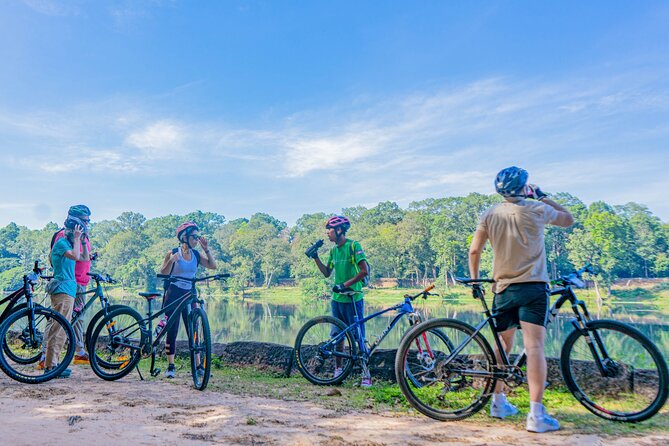
At $55 per person, this tour is priced like a value-focused way to see Angkor without doing everything by car. And the inclusions are solid: hotel pickup and drop-off, a mountain bike and helmet, an English-speaking cycling guide, water and snacks, and lunch.
The main separate cost is the one you should plan for mentally: entrance fees to Angkor temple complexs are not included. That’s normal for Angkor tours, but it does change the real total of your day, so budget for it before you commit.
One detail that helps: some listed stops have admission noted as free on the schedule, like the fitting stop and the Srah Srang lunch stop. But Bayon, Ta Prohm, and Angkor Wat are marked as not included, so don’t assume the ticket covers everything.
If you want the easiest way to judge value, ask yourself this: do you want a guided, small-group Angkor day with bike transport and lunch already handled? If yes, this price structure makes sense.
Guides: the difference between history talk and getting answers
The tour includes an English speaking cycle guide, and that matters because Angkor is not obvious on first sight. One of the clearest positives from past rides is that guides can be both knowledgeable and flexible. In one example, the guide named Son was described as knowledgeable and adaptable, which is exactly what you want when you’re mixing temples, timing, and photos.
There’s also a fair caution. In a separate account, the guide experience didn’t quite land for temple explanation and photo help. That doesn’t mean the tour fails, but it suggests you should take responsibility for your own questions. If you want specifics about symbols, architectural details, or the best angles, ask.
The cycling format can also make it harder for a guide to linger too long in one spot. If you like fast paced story-telling, you’ll likely enjoy the flow. If you’re hoping for deep, structured lectures at every stop, you may need to steer the conversation.
Who this tour is best for
This one is built for people who want an active day without feeling like they’re training for something. It’s a strong fit if you:
- like moving between sights and prefer the feel of a smaller group
- are comfortable biking and can handle 20–30 km with a few temple breaks
- want the classic Angkor temples but also want a route that feels more local than car-only sightseeing
- care about lunch being included rather than hunting for food between stops
It may be less ideal if you’re recovering from injuries, hate humidity, or want a fully relaxed, low-effort day with lots of optional wandering.
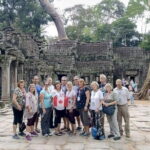
If you’re visiting with kids, child-sized bikes, tag-alongs, and child seats are available, which can help your family plan. For solo travelers, the small group size often makes it easier to meet other people without feeling like a crowd tour.
Should you book this Angkor backroads cycling day?
I think you should book this tour if your top priorities are active access, a small-group feel, and not having to organize bikes, helmets, lunch, or pickup. The combination of Bayon + Ta Prohm + Srah Srang + Angkor Wat in one day is efficient, and the lunch break by the pond is a smart recovery moment.
Skip it (or at least think twice) if you know you won’t enjoy biking for 20–30 km in hot, humid conditions. And if your ideal Angkor day is mostly about detailed guiding and photo coaching, be ready to ask for what you want.
If you’re flexible and want the kind of Angkor day where you get both temples and movement, this route format is a very practical choice.
FAQ
What time does the tour start?
The tour starts at 8:00 am.
How long does the tour last?
It runs for about 7 hours.
How far will I ride?
The ride distance is listed as 20 km to 30 km.
Is hotel pickup and drop-off included?
Yes, hotel pickup and drop-off are included.
What kind of bike do I get?
You’ll get a trek mountain bike and a helmet.
Is lunch included?
Yes. Lunch is included, and a vegetarian option is available if you request it when booking.
Are entrance fees included for Angkor temples?
No. Entrance fees to the Angkor temple complex are not included.
What is included for food and water during the ride?
Bottled water and snacks are included.
Do I need to dress a certain way?
Yes. You’ll want clothing that covers shoulders and knees, especially for Angkor Wat.
Can I cancel for a full refund?
Free cancellation is available up to 24 hours in advance for a full refund.