REVIEW · SIEM REAP
Angkor Wat Sunrise: Exclusive Private Tour!
Book on Viator →Operated by Angkor Wat Shared Tours · Bookable on Viator
Angkor Wat is a sunrise thing for a reason: timing, crowds, and light all matter. This private tour is built to get you moving early, then keep you moving with an English-speaking guide who explains what you’re seeing in plain terms. I really like that you get an air-conditioned minivan, plus chilled water along the way.
Two other things I’m happy about: you cover the big-name sights (Angkor Wat, Angkor Thom, Ta Prohm) plus the lesser-loved stops (Ta Keo, Banteay Kdei), and it stays focused thanks to the private format—only your group is in the vehicle. One drawback to keep in mind: the Angkor ticket fee and meals are not included, so budget a little extra beyond the $60 price.
Early starts can also be mentally tough if you hate waking up before you’ve had coffee. But if you choose sunrise, you’ve already chosen the trade.
In This Review
- Key Highlights You’ll Feel On the Day
- Angkor Wat Sunrise: Why This Early Start Works
- Your Private Ride, Chilled Water, and a Guide Like Sayon
- Stop 1: Angkor Wat at First Light (Plan for 2 Hours)
- Stop 2: Angkor Thom and Bayon (The South Gate Faces)
- Stop 3: Ta Prohm and the Jungle-Grabbed Look (About 1 Hour)
- Stop 4: Ta Keo’s Unfinished Stair Steps (About 1 Hour)
- Stop 5: Banteay Kdei and the Silk Cotton Tree Roots (About 1 Hour)
- How the Whole Route Feels: Big Temples, Then Texture
- Price and Value: What You’re Really Paying For
- What to Bring for a Comfortable 8–10 Hours
- Who Should Book This Private Sunrise Tour
- Should You Book This Angkor Wat Sunrise Private Tour?
- FAQ
- Is the Angkor ticket fee included in the tour price?
- How long is the Angkor Wat sunrise private tour?
- Do you get pickup and drop-off from your accommodation?
- Is there drinking water during the tour?
- Is the guide English-speaking?
- Which temples are included in the itinerary?
- Are meals included?
- Is this tour private?
- Do I need to arrange my own entry tickets?
- Can I cancel for a full refund?
Key Highlights You’ll Feel On the Day
- Exclusive private group means your pace and photo stops are more flexible than on big group tours
- Air-conditioned pickup and drop-off makes the long day more comfortable, especially in Khmer heat
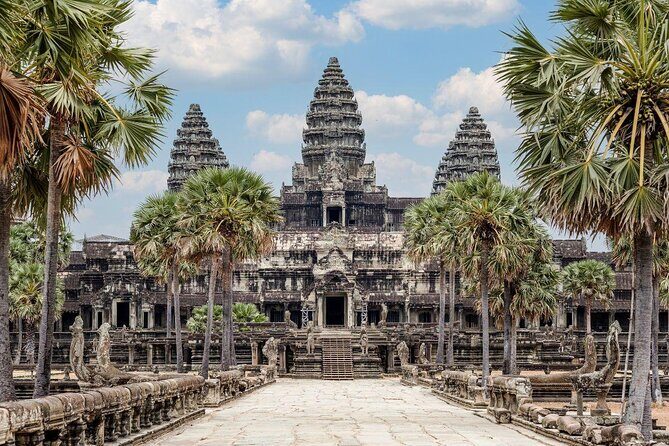
- Angkor Wat first light plus a well-timed temple circuit to keep you from wasting time
- Ta Prohm jungle ruins and the movie-famous atmosphere, without turning it into a chaotic photo line
- Banteay Kdei’s monk-cell look with silk cotton tree roots threading through stone
- Guide-led Khmer context that helps the temples make sense fast, not after you leave
Angkor Wat Sunrise: Why This Early Start Works
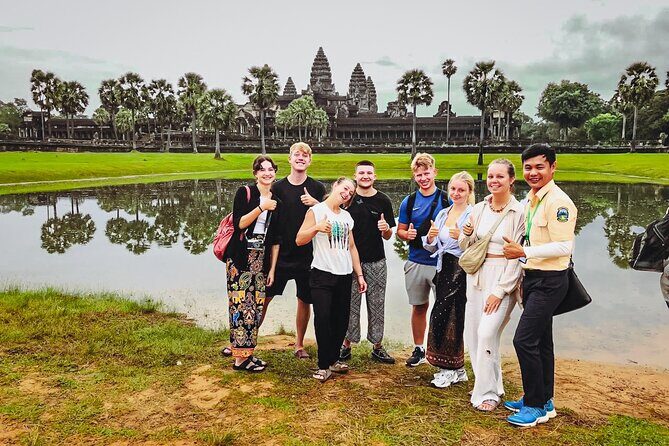
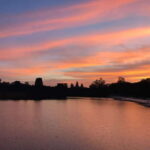
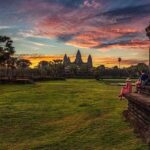
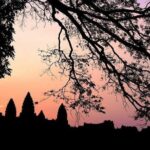
The biggest reason this tour earns its place on your Siem Reap list is simple: you’re not just going to Angkor Wat. You’re going for the sunrise moment, when the temple’s silhouette and the sky start cooperating. If you show up too late, you still see a monumental site—but you miss the part people travel halfway around the world to catch.
This tour also makes the early start feel less painful. You get picked up and dropped off by air-conditioned minivan, and you’ll have drinking water during the day. Those details matter more than you’d think when you’re outside for hours and the heat builds.
If you care about photos, sunrise plus a guided route is also a practical combo. It helps you know when to move, where to stand for views, and how to read the layout so you’re not just staring at stone and hoping it clicks.
You can also read our reviews of more private tours in Siem Reap
Your Private Ride, Chilled Water, and a Guide Like Sayon
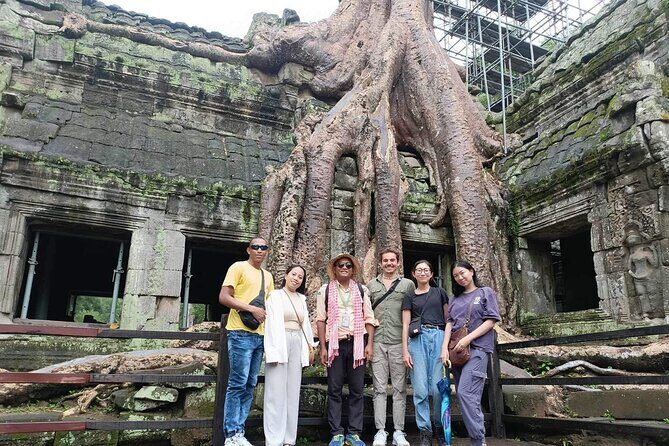
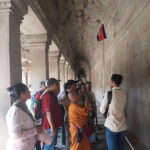
Private tours are hit-or-miss if the guide is just reciting facts. Here, the standout is the guide quality. In reviews, one guide named Sayon gets specifically praised for doing an excellent job explaining the history of the temples and helping people understand what they’re looking at around Siem Reap.
Even if you don’t have Sayon, the tour’s promise is clear: English-speaking guide, and time spent at each stop long enough to hear the story—not just to rush from one photo to another. I also like that you’re not dealing with a mixed group. Your questions stay yours.
Practical tip: show up with at least a little curiosity. When a guide ties Khmer Empire ideas to what’s in front of you—gate faces, layers of terraces, the way ruins are swallowed by roots—it turns the day from sight-seeing into understanding.
Stop 1: Angkor Wat at First Light (Plan for 2 Hours)
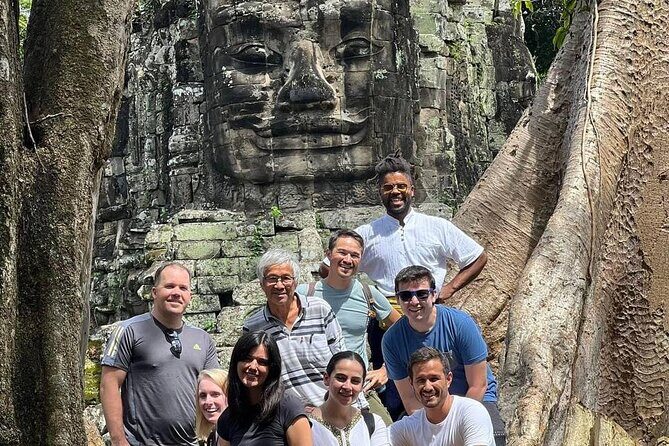
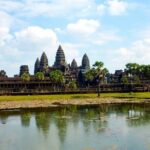
Angkor Wat is the largest religious monument in the world, and it’s famous for a sunrise that’s basically a global landmark. The temple itself is huge, but the sunrise timing is what sharpens everything. Light hits the stone, shadows deepen, and the whole complex feels more dramatic than it does at midday.
You’ll spend about 2 hours here. That’s a good amount of time for first-light viewing plus a bit of temple orientation so you’re not wandering blindly. And because the ticket fee is not included, you should expect to handle Angkor entry costs separately. (More on that later.)
What I like most: you get the main show first, when energy is highest and the air is cooler. What to consider: sunrise days can be mentally cold even if the weather later warms up. Dress in layers. Bring something you can comfortably walk in for stairs and uneven surfaces.
Stop 2: Angkor Thom and Bayon (The South Gate Faces)
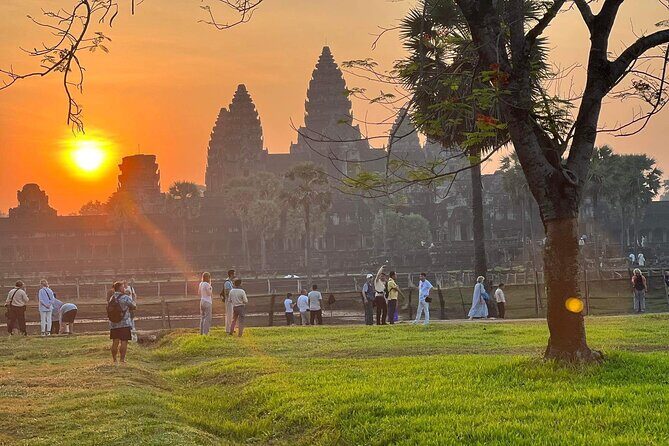
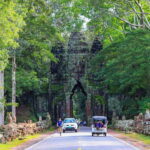
Next comes Angkor Thom, the latter capital of the Angkor Empire. This is where the tour shifts from one iconic monument to a whole political and spiritual center. The route heads through the South Gate, lined with gods and demons locked in an eternal tug-of-war. It’s the kind of scene that looks like set dressing until your guide explains the idea behind it.
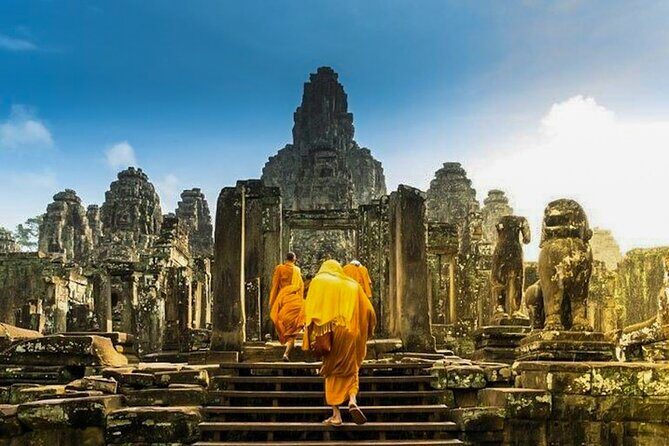
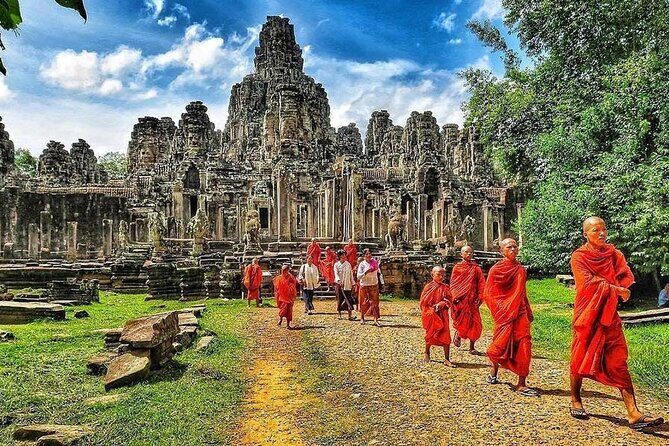
Then you reach Bayon Temple, located at the center of Angkor Thom. Bayon is famous for its face towers—lots of expressions, lots of angles. It’s one of those places where you’ll keep noticing details if you slow down for a few minutes.
You’ll spend about 2 hours here. That’s long enough to absorb the layout without turning it into a sprint. The main drawback is that this area can involve lots of standing and walking on stone paths. Wear shoes you trust. If you’re even slightly unsure on footing, don’t choose fancy footwear for a day that includes stairs and rough ground.
Stop 3: Ta Prohm and the Jungle-Grabbed Look (About 1 Hour)
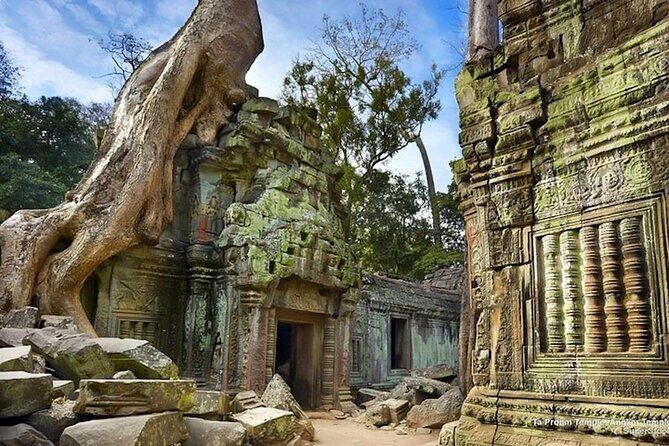
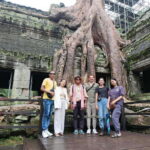
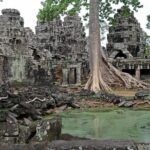
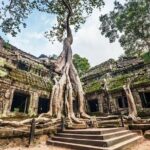
Ta Prohm is the famous jungle temple, the one people often connect to the Tomb Raider film look. The reason it’s so compelling in real life is that it doesn’t feel restored to perfection. It feels like time paused, then started erasing again—with roots and stone still locked together.
This stop is listed for about 1 hour. That’s usually enough for the big views and a quick understanding of why the temple is so visually striking. The trade-off is you won’t get an all-day, slow-motion wandering session. But with a full circuit that includes Ta Keo and Banteay Kdei, one hour keeps your overall day from dragging into the hottest hours.
What to watch for: Ta Prohm attracts attention, and that can mean waiting for clear angles. A private format helps because your guide can nudge you to spots with better sightlines.
You can also read our reviews of more tours and experiences in Siem Reap
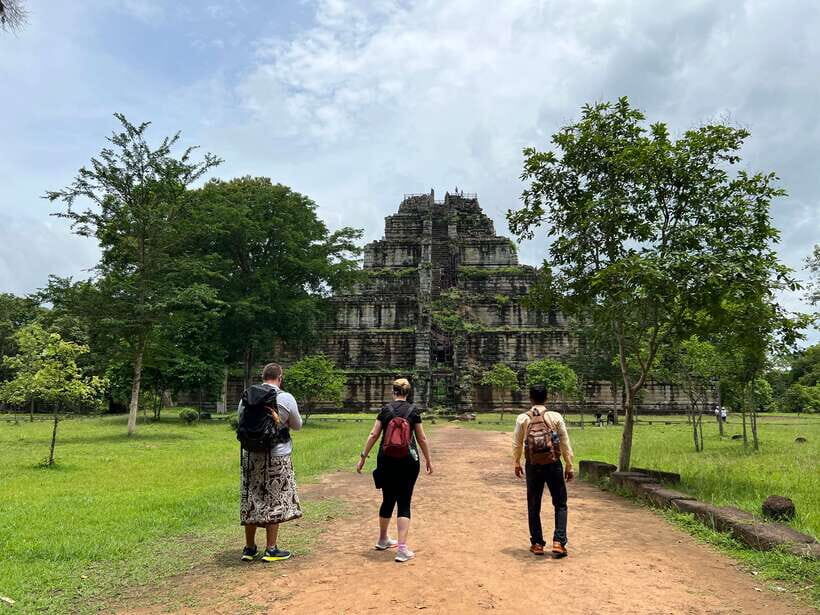
Stop 4: Ta Keo’s Unfinished Stair Steps (About 1 Hour)
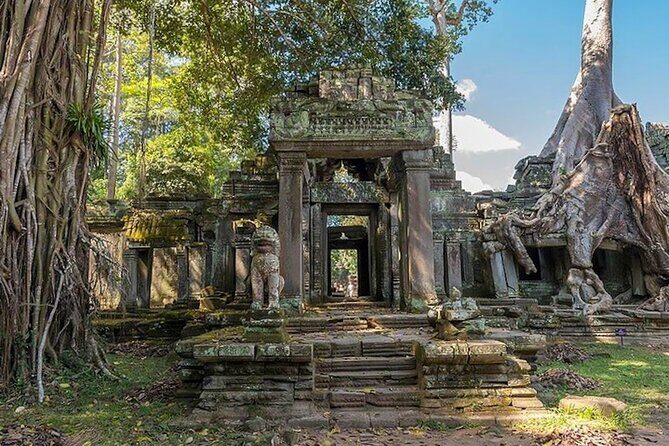
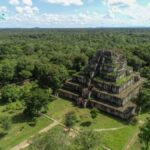
Ta Keo is different in a way you’ll really notice. It was never finished, which gives it another visual mood compared with temples that feel complete and symmetrical. Its square, layered-pyramid shape is dramatic, and the terraces are part of the experience—especially if you’re okay with climbing steps.
You’ll have about 1 hour here. I like this stop because it breaks up the “faces and jungle” theme. It’s more geometric. More severe. Less Hollywood. The unfinished state also makes the site feel human, like an empire project caught mid-stream.
Consideration: if you dislike stairs, take it slow and plan your own pace. This is still outdoors, still stone, and still a lot of walking for a single day.
Stop 5: Banteay Kdei and the Silk Cotton Tree Roots (About 1 Hour)
If you want a temple that feels half-ruin, half-ecosystem, Banteay Kdei delivers. It’s also known as the citadel of monk’s cells. The phrase matters because it helps you imagine rooms arranged around function rather than just looking at stone as decoration.
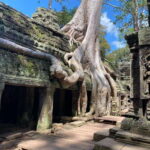
What makes this stop memorable is the way nature takes part. Banteay Kdei is partially overgrown with towering, sinuous trees, and especially notable are the silk cotton tree roots weaving their way through ruined walls. Those roots create a web-like pattern that reads like an artist’s structure, only it’s happening in real time around the architecture.
You’ll spend about 1 hour here. That’s a good window for photos and a mindful walk around the most affected areas. The possible drawback is light and shade. Some parts can be dappled and busy for pictures. Wear sunscreen and be ready for a mix of bright and shaded areas as you move.
How the Whole Route Feels: Big Temples, Then Texture
This circuit works because it doesn’t treat Angkor like one stop. It gives you an arc:
- You start with the symbol—Angkor Wat at sunrise.
- You shift to the capital energy—Angkor Thom and Bayon.
- You move to jungle atmosphere—Ta Prohm.
- You get a different temple shape—Ta Keo’s unfinished pyramid.
- You end with roots and stone—Banteay Kdei.
That order also helps you keep your brain engaged. When every stop looks like another pile of stone, you stop noticing the differences. Here, each place has a separate visual and story identity, so the day stays interesting without feeling random.
Price and Value: What You’re Really Paying For
The price is $60 per person, and you’re getting a private experience with pickup and drop-off, private transportation, an English-speaking guide, and drinking water. Admission tickets and meals are not included.
Here’s how I’d think about value. Sunrise Angkor tours are popular, and timing is the expensive part—not the paperwork. You’re paying for getting you there early, getting you between sites efficiently, and getting guide time at multiple major stops. If you tried to DIY this with a driver and no guide, you’d likely spend a similar amount once you add transportation plus your own ticket and timing headaches.
The only real “gotcha” is that the Angkor ticket fee is extra. So check your total budget before you book, and plan meals separately. Also, the tour runs about 8 to 10 hours, so bring the right mindset: this is a full-day plan, not a quick taste.
If you’re traveling in a group, there’s also mention of group discounts. With a private format, that’s helpful if you’re not going solo and can split the overall cost in practice.
What to Bring for a Comfortable 8–10 Hours
Since you’ll be out a long time and moving across multiple temple zones, pack for comfort, not just looks.
- Wear shoes with grip. Stone and stairs don’t care about your style.
- Bring layers for early sunrise. It can feel cooler before the day warms up.
- Sunscreen and water habits matter. You’ll have drinking water, but you still need to pace yourself.
- Bring a hat and sunglasses if you want your photos to look sharp and your eyes to stay open.
Also, plan your day around this tour. You’re covering several major sites back-to-back, so you’ll likely want a calm evening afterward.
Who Should Book This Private Sunrise Tour
This is a great fit if:
- you want sunrise at Angkor Wat without the stress of arranging everything yourself
- you care about explanations that connect Khmer Empire ideas to what you see on the ground
- you prefer a private group pace across multiple sites
- you’re okay doing stairs at certain temples (especially the terrace areas)
It might not be your best choice if:
- you want a short, low-walking visit
- you hate paying separate admission fees for major sites
- you’re traveling only for rest and don’t want an early start
Should You Book This Angkor Wat Sunrise Private Tour?
I’d book it if sunrise is your priority and you want a guide-led route that hits both the famous temples and the visually memorable “texture” stops. The private format plus pickup, water, and an English-speaking guide makes the long day feel manageable, and it helps you understand what you’re seeing instead of just collecting landmarks.
Book it sooner rather than later if you can. Sunrise demand is high, and the tour is commonly booked around the 3-month mark. If your goal is first light at Angkor Wat plus a smart day of temples, this is a strong use of your Siem Reap time.
FAQ
Is the Angkor ticket fee included in the tour price?
No. The Angkor ticket fee is not included. Admission ticket costs are listed as not included for the stops.
How long is the Angkor Wat sunrise private tour?
It runs about 8 to 10 hours.
Do you get pickup and drop-off from your accommodation?
Yes. Pickup and drop-off are offered.
Is there drinking water during the tour?
Yes. Drinking water is included, and chilled water is mentioned as available during the tour.
Is the guide English-speaking?
Yes. The tour includes an English speaking tour guide.
Which temples are included in the itinerary?
You’ll visit Angkor Wat, Angkor Thom (including Bayon Temple), Ta Prohm, Ta Keo, and Banteay Kdei.
Are meals included?
No. Meals are not included.
Is this tour private?
Yes. It is a private tour/activity, and only your group will participate.
Do I need to arrange my own entry tickets?
The tour does not include the Angkor ticket fee, so you should expect to handle ticket costs separately.
Can I cancel for a full refund?
Yes. Free cancellation is available, and you can cancel up to 24 hours in advance for a full refund.