REVIEW · SIEM REAP
Angkor Wat Private One Day tour including sunrise & Banteay Srey
Book on Viator →Operated by Angkor Wat Private Day Tours · Bookable on Viator
Pre-dawn temples set the tone fast. This private day in Siem Reap is built around early sunrise timing and a guide who can shape the order to match your interests, from Angkor Wat to the quieter corners of Angkor Thom. Pickup starts at 04:45 AM, and you’ll spend the best part of the day inside the World Heritage complex.
I especially like two things here. First, you get a dedicated English-speaking guide and driver so you’re not bouncing between tickets, tuk-tuk bargaining, and confusing gate hours. Second, the schedule focuses on quality: you’re not rushing every stone for the sake of checking boxes, and you build in time after the heaviest morning crowd moves on.
One consideration: the temple pass and lunch are extra, and it’s hot most of the year. You’ll also be walking in temples with a clear dress-code requirement (covered shoulders, chest, and knees), so plan light layers and bring sun protection.
In This Review
- Key points to know before you go
- A Pre-Dawn Start at Angkor Wat
- Temple Passes, Dress Code, and What You Pay Extra
- Banteay Srei: Small Temple, Serious Detail
- Ta Prohm and the Famous Roots Over Stone
- Bayon Temple Inside Angkor Thom: Faces and Buddhism
- The Private Guide Difference: Custom Pace That Actually Helps
- How Much Time You’ll Really Spend (And Why It Feels Balanced)
- Price and Value: When $121 Per Group Makes Sense
- Who This Tour Is Best For
- Should You Book This Angkor Wat Private Day Tour?
- FAQ
- What time is pickup for the sunrise start?
- Which temples are included in the one-day itinerary?
- Is the one-day temple pass included?
- Are lunch and meals included?
- What does the tour cost and who is it for?
- What should I wear to visit the temples?
Key points to know before you go
- 04:45 AM pickup gets you moving early so Angkor Wat feels calmer when you arrive.
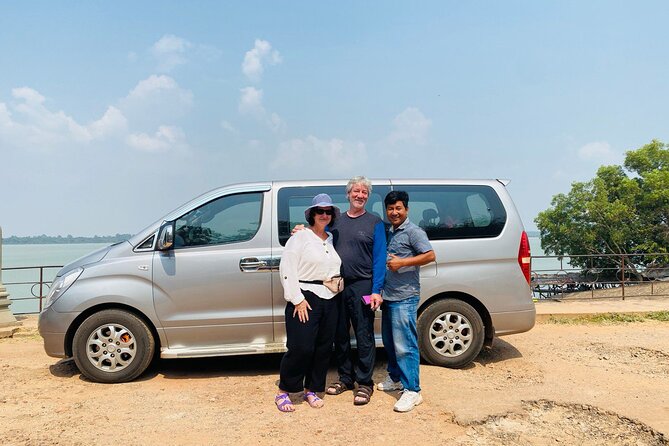
- Private only your group with an English-speaking guide plus an English-speaking driver.
- Smart Angkor mix: Angkor Wat, Banteay Srei, Ta Prohm, and Bayon in/near Angkor Thom.
- Time for details rather than a “see everything” sprint through multiple temples.
- Optional Landmine Museum stop before Ta Prohm if you want added context.
- Heat and weather support with regular water/snack stops, mineral water provided, and umbrellas in rainy season.
A Pre-Dawn Start at Angkor Wat
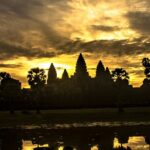
This tour really begins before sunrise. Your hotel pickup is 04:45 AM, and from there your driver takes you to handle a key practical step: purchasing your 1-day temple pass before you head into Angkor Wat. That matters because it cuts out guesswork and helps you get straight into the complex while it’s still relatively peaceful.
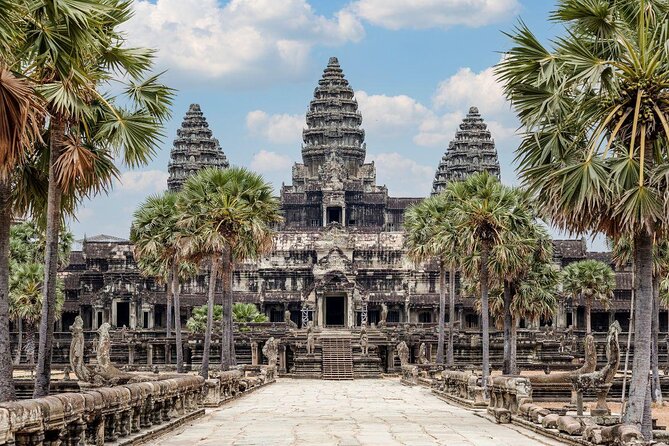
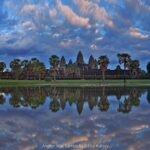
When you arrive at Angkor Wat, the big advantage is timing. Morning crowds are heavy at Angkor, but the plan gives you breathing room once the loudest waves pass. You’ll have about 2 hours at Angkor Wat, which is enough time to get your bearings, walk key areas, and still stop when something catches your eye.
If you like temples more than photo spots, you’ll appreciate that the guide can steer you. Angkor Wat is famously dramatic, but the experience is also about scale and layout—moats, causeways, galleries, and the way light changes the stone. A good guide helps you understand what you’re looking at without turning the day into a lecture.
Practical tip: wear shoes you can stand in for hours. The surfaces inside the temple zone can be uneven, and you’ll be doing a lot of walking over the full day.
You can also read our reviews of more tours and experiences in Siem Reap.
Temple Passes, Dress Code, and What You Pay Extra
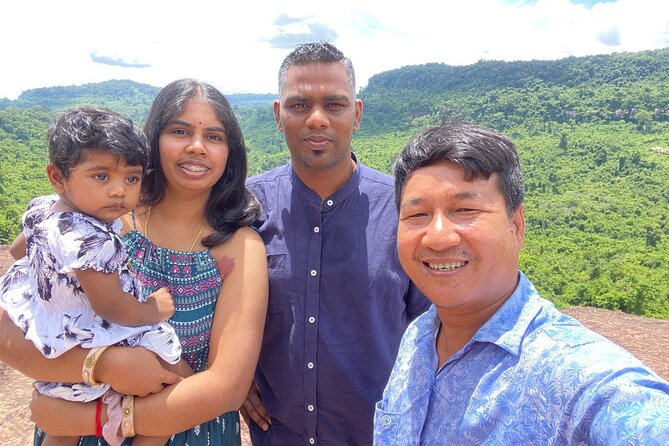
The headline price is $121 per group (up to 3), and that’s for the private guide/driver and the day plan. What’s not included is the one-day temple ticket fee and meals, so the total cost will be higher once you add those.
For value, the best way to think about it is this: you’re paying to buy time and comfort. You’re not sorting tickets, routing, or transportation on your own, and you’re getting an English-speaking guide to explain the significance of each stop. If you’re traveling as a small group (or even as a solo traveler who wants a private pace), this is often the sweet spot.
Do read the dress code ahead of time. You’ll need covered shoulders, chest, and knees. That’s not the place to wear shorts that barely qualify. A lightweight long skirt, long pants, or a cover-up makes the day smoother, especially when the heat rises.
Also plan for weather. It’s hot for most of the year, and you’ll be outside. The tour helps with mineral water and regular stops for buying water and snacks, plus umbrellas in rainy season. Still, bring sunscreen and a hat, because the sun at Angkor is not subtle.
Banteay Srei: Small Temple, Serious Detail
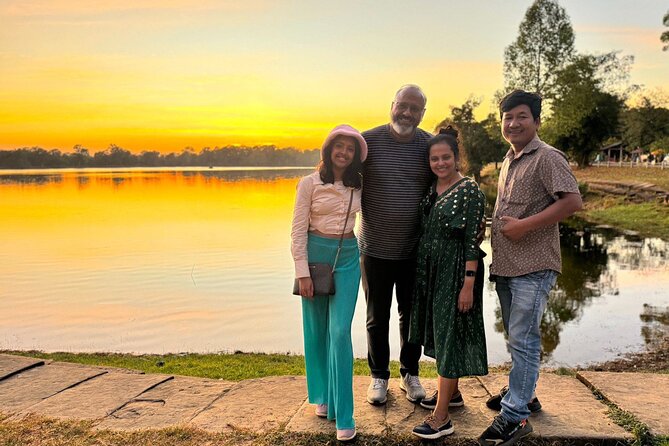
Next up is Banteay Srei, where you’ll spend about 1 hour. If Angkor Wat is about size and symmetry, Banteay Srei is about intricate carving and fine detail. Even with a shorter time slot, the experience can feel dense, because your eyes naturally slow down to take in the ornament work.
This stop is also one of the easier ones to enjoy without feeling rushed. The carvings here are known for being exceptionally intricate, and a guide helps you spot what you’d otherwise miss—patterns, reliefs, and the way the temple’s stonework is arranged.
You may also choose an optional detour: the Landmine Museum can be visited before continuing to Ta Prohm. This is a very different kind of stop than the temple ruins, and it depends on what you want your day to feel like. If you want more context about Cambodia’s past, it can add meaning. If you want the day to stay strictly in ancient sites mode, skip it and keep the schedule tighter.
Practical tip: keep your expectations aligned with the time. You’re getting a focused taste of Banteay Srei. If you want a slower, longer visit, ask your guide if there’s flexibility.
Ta Prohm and the Famous Roots Over Stone
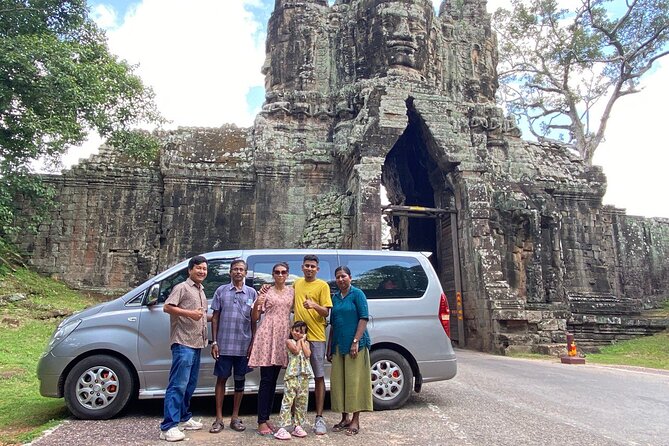
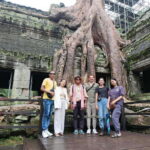
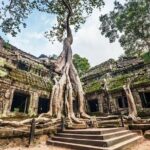
Then comes Ta Prohm, the “Tomb Raider Temple” people often recognize from pop culture. You’ll have around 1 hour here, which sounds short until you realize how much of the site works visually as a whole: the ruins, the vegetation, the framing of doorways, and the way roots appear to swallow parts of the structure.
The main reason Ta Prohm works is mood. It’s not just about seeing a temple; it’s about feeling the contrast between human design and nature’s takeover. If your guide points out what to look for, you’ll enjoy it more than just walking a loop for pictures.
A well-run private guide experience makes the difference at stops like this. You can get the best angles without wasting time, and you can decide when to linger. One benefit from the tour’s approach is that you’re not forced to move at the pace of a larger group. Your guide can match the tempo to your energy level.
For comfort, treat this as a “stay hydrated” checkpoint. You’ll likely be hot and dusty by now, and it’s smart to pause for water, even if you feel you can push on. This is the kind of day where small breaks help you enjoy the later temples rather than just survive them.
Bayon Temple Inside Angkor Thom: Faces and Buddhism
After Ta Prohm, the tour shifts into Bayon Temple, which is part of the Angkor Thom area. You’ll get about 2 hours here, making it one of the longer stops of the day—enough time to slow down and really look.
Bayon is associated with the late 12th to early 13th century and is known for its state-temple role and the Buddhist deities connection tied to King Jayavarman VII. But the big visual draw is the faces. They’re the sort of feature that turns a wide stone wall into a moving experience as you walk around and the angles change.
This is a good place to rely on your guide. Without help, you can spend time circling but miss the “why” of the temple’s layout and what the carvings are pointing to. With a good guide, you get context and you also get a clearer sense of the timeline—what came before, what was meant to symbolize power, and how Bayon fits into the Angkor Thom complex.
If you’re sensitive to crowds, use Bayon as your calmer zone. The tour plan includes time across the day rather than clustering everything into one crush moment, and that helps your brain reset.

The Private Guide Difference: Custom Pace That Actually Helps
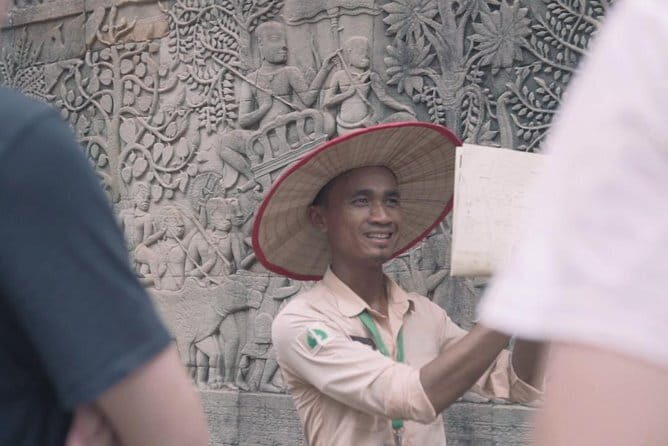
The most praised aspect of this kind of Angkor tour is simple: the guide makes the day feel complete instead of chaotic. In past experiences tied to this tour, guides like Sitam and Tom stood out for being both personable and flexible, and one account also noted that the guide helped accommodate a handicapped participant with practical, on-the-ground adjustments.
That flexibility is what you want from a private setup. You’re paying for someone to manage the “soft logistics” that don’t show up on a brochure: where to stand, how long to linger, when to take a breath, and what to prioritize if you’re tired or if something catches your interest more than expected.
You’ll also enjoy that the tour is designed as a quality-first itinerary. It’s not just temples listed like a checklist. It’s a day plan that aims to balance major sights with time to actually see them.
And yes, the safety and driving matters. One review highlighted the driver Chris as fantastic—safe and resourceful. When you’re dealing with early mornings and long stretches between sites, a confident driver reduces stress and keeps the day running on time.
How Much Time You’ll Really Spend (And Why It Feels Balanced)
Officially, you’re looking at about 8 to 10 hours. That time can feel long or smooth depending on pacing, and this tour tries to keep it smooth by keeping your stops in a workable window.
Here’s the key pattern:
- Angkor Wat first, in the morning mindset
- Banteay Srei next, with a detail-driven feel
- Ta Prohm after lunch-hour energy builds
- Bayon as a later anchor stop with more time
The schedule gives each temple enough room to matter. Angkor Wat gets the biggest foundation time, then you move into different styles of temples, and Bayon gives you a “final wow” with 2 hours to absorb it.
You’ll also get help with hydration. Mineral water is included, and the guide makes regular stops so you can buy water and snacks. Those pauses are not just extras—they help you keep your energy for the long walking day.
Price and Value: When $121 Per Group Makes Sense
Let’s talk money in a grounded way. At $121 per group (up to 3), you’re not buying a cheap ticket to a buffet tour. You’re buying private transportation and an English-speaking guide, plus the structure to handle the temple pass on your behalf.
The biggest add-ons you should budget for are:
- Temple pass (not included)
- Meal/lunch (not included)
- Any personal expenses
Even with those extras, the value can be strong if:
- You’re traveling as a small group and want your own pace.
- You’d rather spend money on a guide than on trial-and-error navigation.
- You want a smooth start at 04:45 AM without figuring out transportation from scratch.
If you’re traveling solo and the idea of private guide time appeals to you, it can still be worth it for the reduced stress. Angkor is one of those places where guidance can turn a tiring day into an actually satisfying one.
Who This Tour Is Best For
This works well if you want:
- A one-day plan that hits the big names without feeling like a race.
- A guide who can adjust to your interests (major temples, detail temples, and optional context stops).
- The comfort of pickup and drop-off from Siem Reap hotels.
It may be less ideal if you want a full, slow-day exploration with lots of free roaming. With fixed stop durations, you’re going to follow a route. Still, because it’s private, you can usually ask your guide to spend a few extra minutes where you care most.
Given the mention of guide flexibility in at least one experience involving a handicapped participant, it’s also a good fit to ask questions about your specific needs ahead of time. Don’t assume it’s automatically perfect for every situation, but the tour’s private nature gives you a better chance of adapting than a large group day.
Should You Book This Angkor Wat Private Day Tour?
I’d book this if you want a well-paced Angkor day that feels organized from sunrise to the final faces at Bayon. The big wins are the private setup, the dedicated guide/driver, and a plan that balances major temples with time to actually see what you came for.
I’d think twice if you’re on a strict budget because temple tickets and lunch are extra, and the early start isn’t optional. Also, if you dislike hot outdoor walking, be honest with yourself. You can manage it with hydration and sun protection, but you can’t avoid the climate completely.
If your priority is quality and a smooth day with a guide who can tailor the route, this is a strong choice.
FAQ
What time is pickup for the sunrise start?
Pickup starts at 04:45 AM from your accommodation in Siem Reap.
Which temples are included in the one-day itinerary?
The tour includes Angkor Wat, Banteay Srei, Ta Prohm, and Bayon Temple (in the Angkor Thom area).
Is the one-day temple pass included?
No. The one-day temple ticket fee is not included, and you purchase it before entering Angkor Wat.
Are lunch and meals included?
No. Meal/lunch is not included, though the guide makes regular stops where you can buy snacks and water.
What does the tour cost and who is it for?
It costs $121 per group (up to 3). It’s a private experience, so only your group participates.
What should I wear to visit the temples?
You’ll need to follow the dress code: covered shoulders, chest, and covered knees.