REVIEW · SIEM REAP
Angkor Wat: Full-Day Guided Sunset Tour
Book on GetYourGuide →Operated by Angkor Wat Travel Tour · Bookable on GetYourGuide
Sunset at Angkor is the payoff.
This full-day guided route strings together Angkor Wat and the key temple hits, then finishes with sunset views from Phnom Bakheng. You also get a local guide explaining what you’re seeing, not just pointing at stones.
I especially like two things: the English live guide (I’ve seen guides such as David and Rith praised for humor, clear explanations, and great photo help), and the simple comfort upgrades—cold water and cold towels at the stops. One thing to plan for: Phnom Bakheng means stairs and walking on uneven ground, and this tour isn’t suitable for wheelchair users.
In This Review
- Key Points at a Glance
- What You’re Really Getting for $16: Temples, Storytelling, and Sunset
- Hotel Pickup and Transport: Start Easy, Stay Comfortable
- Angkor Wat Morning: Why Vishnu, Suryavarman II, and the Layout Matter
- Banteay Kdei: Less Restored, More Atmosphere
- Ta Prohm and the Fig Trees: Photos With a Real Explanation
- Lunch and Coffee Break: A Midday Reset You’ll Appreciate
- Bayon Temple: Hundreds of Faces and a Different Side of Angkor
- Phnom Bakheng for Sunset: The Steps, the Timing, and the View
- Value, Guides, and the Small Comforts That Make the Day Work
- Who Should Book This, and Who Should Rethink It
- What to Bring (and What to Do) for a Smoother Angkor Day
- Should You Book This Angkor Wat Sunset Tour?
- FAQ
- How long is the Angkor Wat full-day guided sunset tour?
- What time is pickup from my hotel in Siem Reap?
- What language is the tour guide?
- Which temples are included on the tour?
- Is the Angkor entry ticket fee included?
- Are meals included?
- Is there free cancellation?
- Is this tour suitable for wheelchair users?
- What should I bring for the day?
Key Points at a Glance
- Pickup-and-drop convenience in Krong Siem Reap: start at your hotel (between 8:30 and 9:00) and return you after sunset.
- A guided temple sequence that makes the day make sense: Angkor Wat, Banteay Kdei, Ta Prohm, Bayon, plus Phnom Bakheng for sunset.
- Cooling breaks built in: cold water and cold towels included to help during hot, humid hours.
- Sunset from Phnom Bakheng: you’ll climb up to the temple mountain for the final views.
- Value for $16 per person: 8 hours of transport and a live guide, with strong transport ratings (98% perfect score).
What You’re Really Getting for $16: Temples, Storytelling, and Sunset
At $16 per person for an 8-hour, hotel-to-temple day, this tour’s value comes from two practical ingredients: guided time at big sites and the fact that it ends at Phnom Bakheng for sunset. Angkor can feel overwhelming if you wander on your own, because the temples aren’t just scenery—they’re connected by religion, kings, and Khmer-era building styles. A guide helps you connect those dots while you’re walking.
I also like that the day isn’t only one temple. You get a sequence that covers the major “wow” moments—Ta Prohm’s fig trees, Bayon’s stone faces, and Angkor Wat’s massive scale—then you end with a viewpoint that’s famous for a reason.
The possible tradeoff is pace. You’re covering a lot in one day, so you won’t have endless time to linger. That’s fine for most people, but if you’re the type who wants slow wandering and long photo sessions at every stop, you’ll want to use your “explore on your own” minutes well.
You can also read our reviews of more guided tours in Siem Reap
Hotel Pickup and Transport: Start Easy, Stay Comfortable
You’ll be greeted at your hotel in Krong Siem Reap between 8:30 AM and 9:00 AM. The tour emphasizes an easy handoff: you wait in the lobby about 10 minutes early, and the driver comes holding a sign with your last name. That reduces the “where do I meet?” stress, especially if you’re sharing a hotel or you’re new to town.
Once you’re moving, there’s a scheduled ride segment (around 40 minutes each way in the tour flow). In hot months, that matters more than you’d think. Several people mention that the vehicle helps with comfort, and the tour includes cold water and cold towel refreshes—exactly what you want after you’ve been baking in the sun.
One more practical point: the tour is not wheelchair-friendly. The sites involve steps, uneven surfaces, and climbing routes, especially when you head toward Phnom Bakheng at the end.
Angkor Wat Morning: Why Vishnu, Suryavarman II, and the Layout Matter
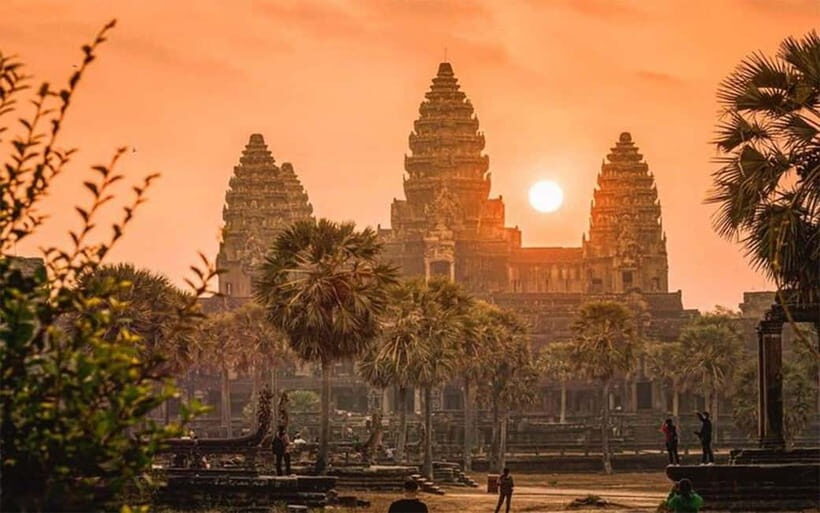
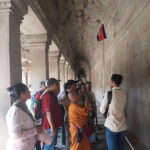
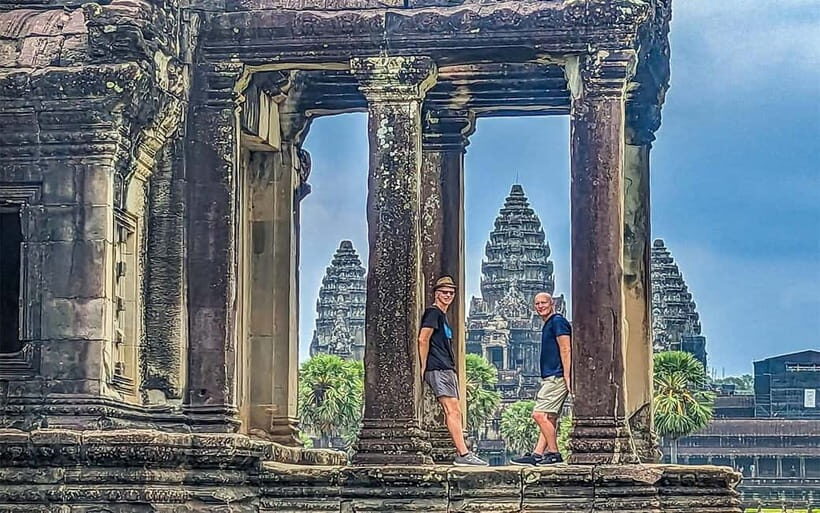
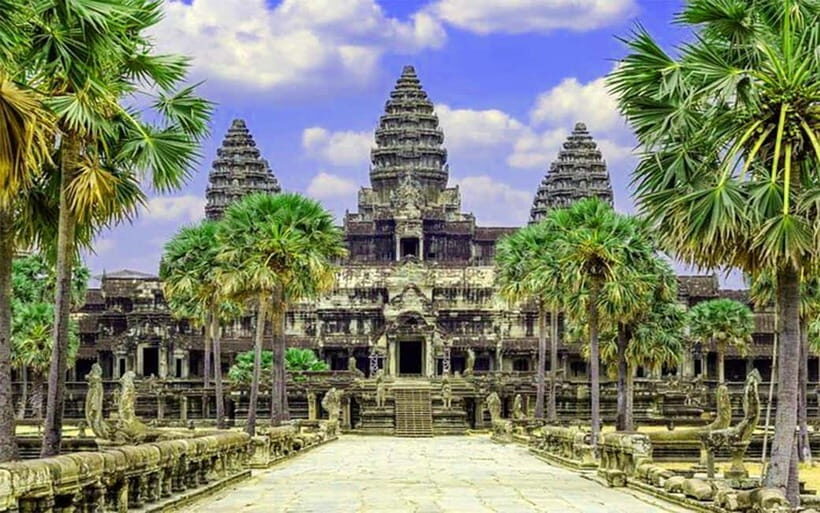
You start at Angkor Wat, with about 2 hours that includes a photo stop plus guided sightseeing. This is the main event, and the guide’s job is to help you see beyond the obvious postcard angles.
Here’s what the tour frames clearly: Angkor Wat was built in the early 12th century by King Suryavarman II, and it was dedicated to Vishnu. Even if you’re not a religion scholar, that context changes how you look at the architecture. You start noticing how the layout and symbolism relate to temple-mountain ideas and ritual spaces—why the scale is so huge and why the design feels purposeful, not random.
What to watch for during your guided time
- The way the guide connects Hindu and later Buddhist interpretations over time.
- The “big picture” layout before you start snapping photos nonstop.
- Where to stand for the best perspective, so you aren’t just photographing from wherever you happen to be.
A possible drawback at Angkor Wat is that it’s popular and busy. The good news: a guided route usually helps you get your bearings fast and find photo spots without wasting time.
Banteay Kdei: Less Restored, More Atmosphere
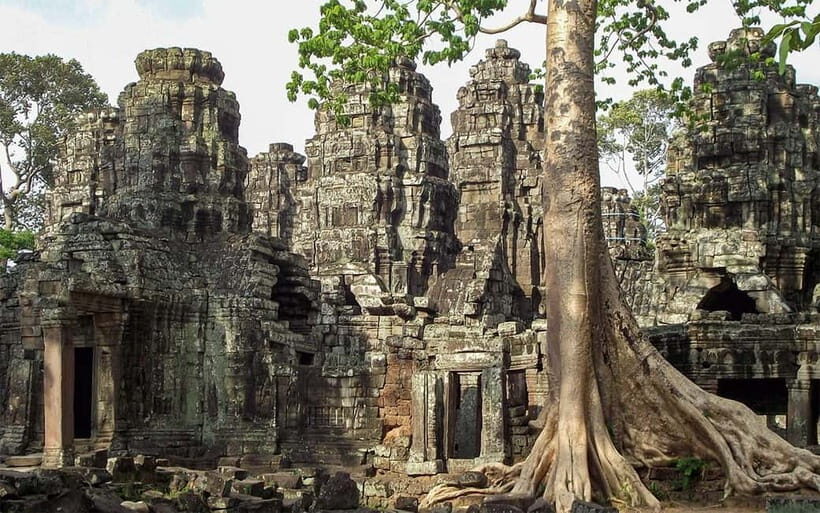
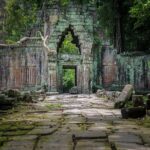
Next you go to Banteay Kdei for about 45 minutes. The tour describes it as built by King Jayavarman VII in the late 12th century, and it’s largely unrenovated. That detail matters. When a temple has not been smoothed into “new,” you get a more honest feeling for wear, texture, and how ancient stones survive.
The tour also frames Banteay Kdei as a monastic complex with architectural style similarities to Ta Prohm. Translation: you’ll likely see structures that feel jungle-adjacent or lived-in, even if you’re still within a controlled visit area.
How this stop can feel different from Angkor Wat
- It’s typically less of a “single famous angle” experience and more of a “notice the details” visit.
- It’s a good break in the day because the guide can slow the story down while you walk through sections at a steadier pace.
The main consideration is time. You don’t get a long wander here, so if you love spending 30 minutes on just one façade, use the guided portion to pick your favorite details, then use your short photo windows.
Ta Prohm and the Fig Trees: Photos With a Real Explanation
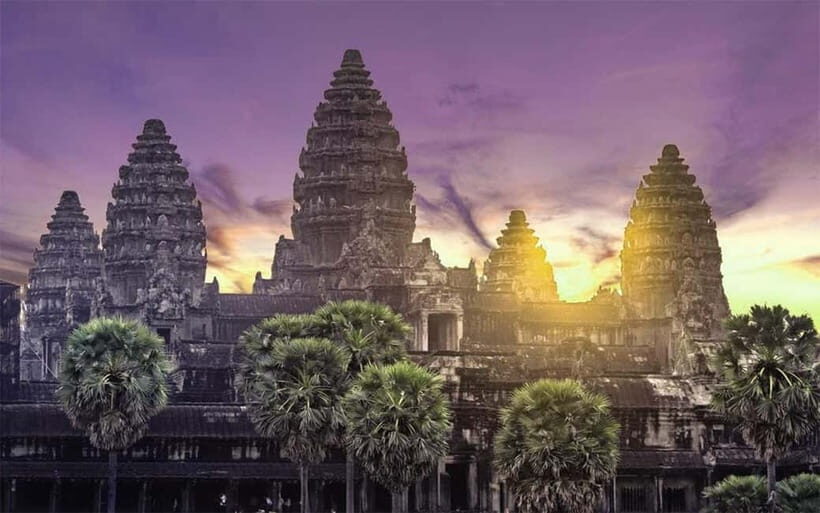
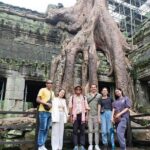
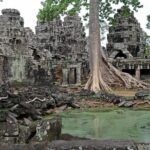
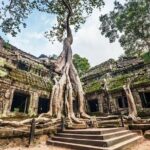
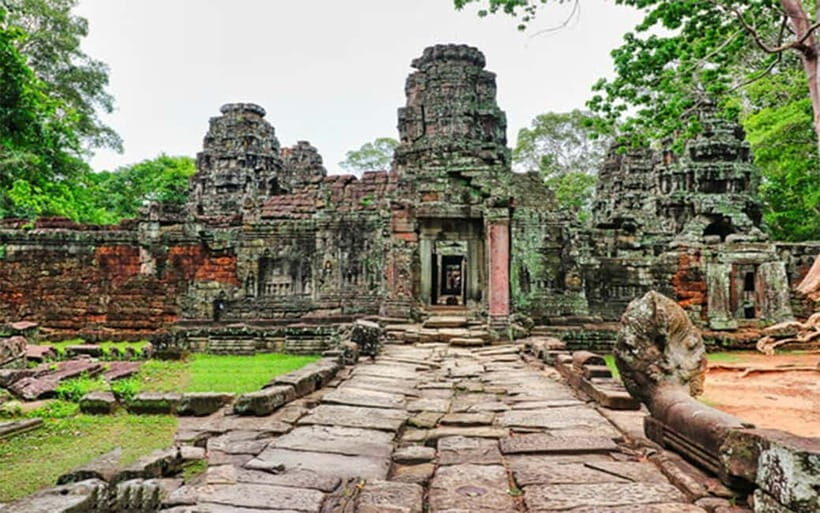
Ta Prohm is where Angkor becomes cinematic. You’ll spend about 1.5 hours here, including a photo stop and guided sightseeing. The tour focuses on the gigantic fig trees and how the temple was preserved in its original state, with roots intertwined through the structure.
This stop is famous for a reason, but it’s also a great example of why a guide helps. If you just look at the roots, it’s breathtaking. If your guide connects it to Khmer building and later preservation choices, the scene becomes even more meaningful—like you’re seeing a relationship between architecture and nature, not just a dramatic accident.
What you’ll enjoy most at Ta Prohm
- The way the roots frame doorways and windows, making your photos look layered.
- The chance to spot how the stonework and tree growth interact at different heights.
- Guided timing that can help you avoid the worst congestion spots within the site.
It’s also one of the hottest spots in the day for many people because you’re outdoors longer and the sun hits exposed stone surfaces. Your included cold water and towels are genuinely useful here.
You can also read our reviews of more evening experiences in Siem Reap
Lunch and Coffee Break: A Midday Reset You’ll Appreciate
After Ta Prohm and the main morning’s temple energy, you take a 45-minute break for coffee, lunch, and local snacks. This is your buffer against fatigue, and it’s smart planning—because the afternoon still includes Bayon and the Phnom Bakheng climb.
One important note: meals (breakfast and lunch) and entry tickets are listed as not included. So treat lunch and snacks as part of your own budget, even though you’ll have time set aside for them. You’ll probably be hungry enough that paying for lunch feels easy.
How to use this break well
- Rehydrate before you head to Bayon.
- Put on comfortable layers if it’s cooler at dusk (weather can shift around sunset).
- If you’re carrying a camera battery, this is a good moment to swap or charge if you can.
Also, because it’s hot in Siem Reap, “snack-smart” matters. Go for something filling but not heavy, and save your appetite for dinner after the tour.
Bayon Temple: Hundreds of Faces and a Different Side of Angkor
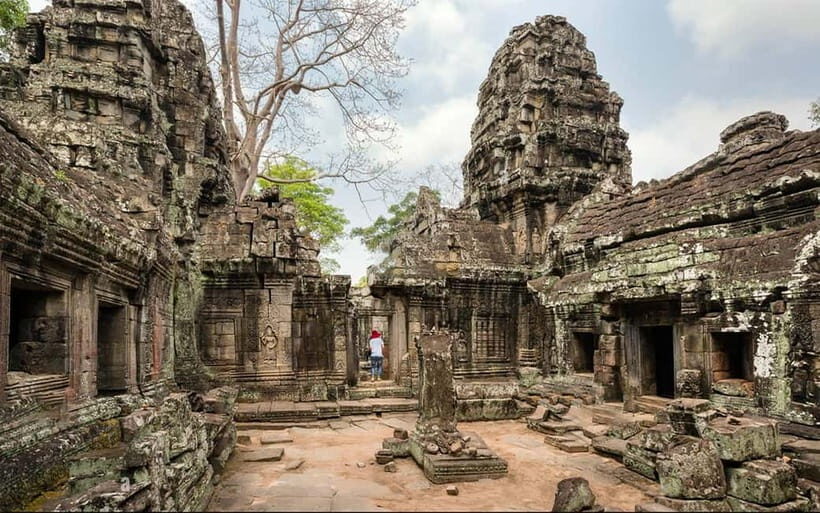
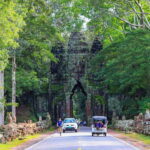
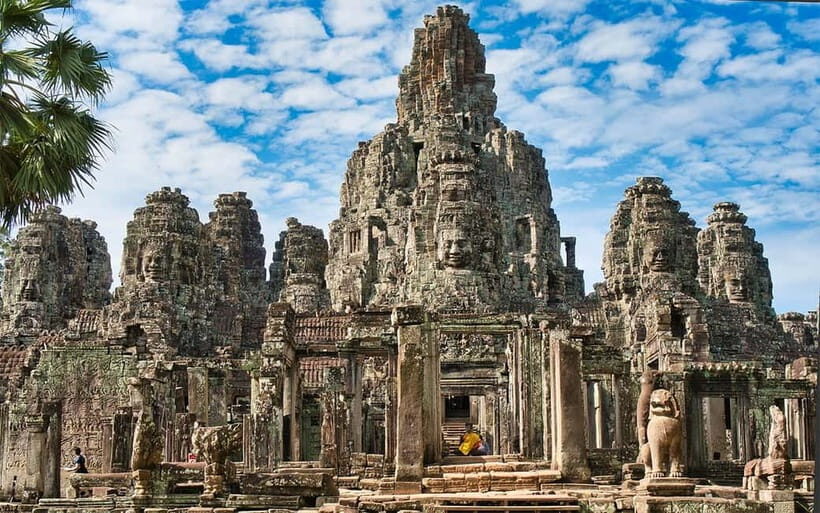
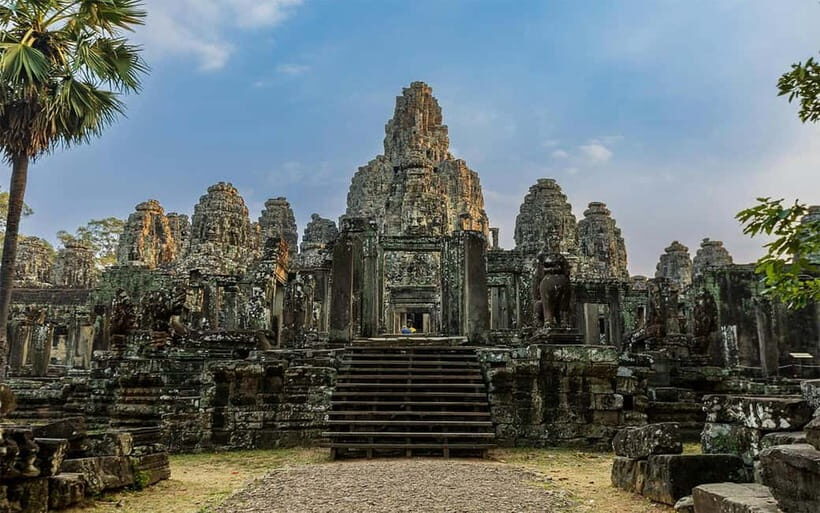
Bayon Temple is next, with about 1 hour for a photo stop, guided tour, and sightseeing. The tour describes Bayon as having Buddhist architecture and being adorned with hundreds of stone faces. That’s your clue that you’re not just seeing “another temple”—you’re seeing a different religious layer within Angkor’s long timeline.
This is one of those stops where you can either feel lost (“so many faces, where do I look?”) or feel oriented (“okay, this is what the guide wants me to notice”). Having an English-speaking guide helps you connect what you’re seeing to the meaning behind it.
Practical photo advice for Bayon
- Don’t rely only on the front approach. Stone faces repeat and shift depending on your angle.
- Use your guide’s recommended spots for photos so you don’t spend 20 minutes moving around with the wrong perspective.
- If you get a guide like Mare or Chong, people have specifically praised photo help, which can save you time and stress.
The one possible drawback: Bayon can feel visually busy. If you’re sensitive to crowds or overstimulation, ask your guide where to focus for 5 minutes before you start free roaming.
Phnom Bakheng for Sunset: The Steps, the Timing, and the View
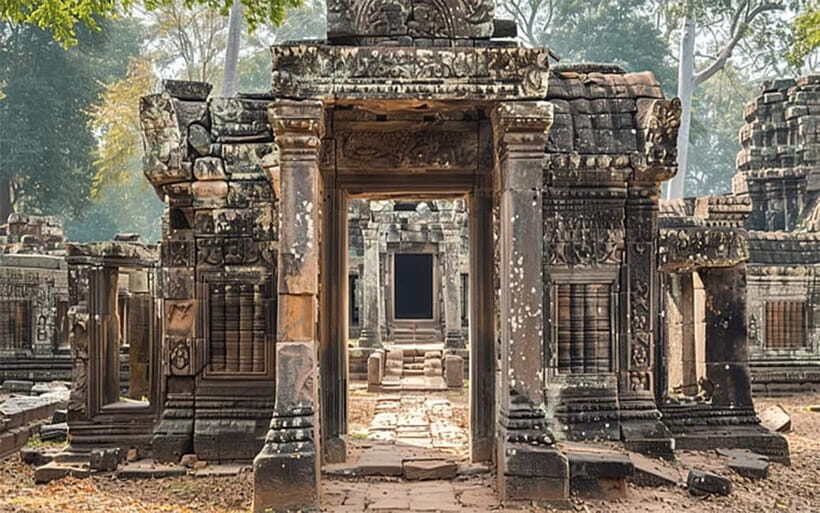
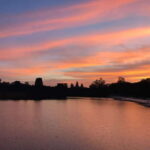
The final segment is about 1 hour, including travel within the schedule, guided sightseeing, and the sunset itself. You’ll ascend the steps to Phnom Bakheng, described as the state temple of the first Khmer capital.
This is the part that makes the tour feel like more than a temple checklist. Sunrise tours get all the hype, but sunset has its own charm: softer light on stone, dramatic sky potential, and a sense of closure after a full day of walking.
What to expect physically
- Stairs and climbing on the temple mountain.
- Uneven ground and a need for steady footing.
- Heat earlier in the day that usually eases later, but sunset also means it can get crowded fast.
If you’re prone to leg fatigue, wear shoes with good grip. Bring water habits into your final hour—don’t wait until you’re thirsty to start hydrating.
Weather is the wild card. In rainy or stormy seasons, sunset can shift or get obscured. The good news is that you still see Phnom Bakheng at golden-hour conditions as the light changes, even if rain limits the full spectacle.
Value, Guides, and the Small Comforts That Make the Day Work
Here’s where this tour tends to win: the human factor. Many guides listed by name in experiences (like David, Rith, Mare, Chong, Rey, and Se) are praised for keeping things fun, explaining history clearly, and not turning the day into a boring lecture. You’ll also notice that several people mention humor and storytelling, which matters because Angkor is a long day.
Transport also seems well managed. The tour data highlights a highly-rated transport experience, with 98% of reviewers giving it a perfect score. That lines up with what you care about most: smooth timing, fewer chaotic moments, and a driver who handles the flow.
Finally, the included cold water and cold towels are not just a cute perk. They’re the difference between “I’m fine” and “I’m done” when the heat hits. I’d pack light, but I’d still plan to rely on those refresh moments.
Who Should Book This, and Who Should Rethink It
This tour is a strong fit if you want:
- A guided day that helps you understand Angkor Wat, Ta Prohm, Bayon, and more without getting stuck in confusing details.
- A practical sunset plan that doesn’t require an ultra-early sunrise wake-up.
- Hotel pickup and drop-off so you can focus on temples, not logistics.
You might rethink it if:
- You need wheelchair accessibility. The tour is explicitly not suitable for wheelchair users.
- You’re traveling with an unaccompanied minor. Unaccompanied minors are not allowed.
What to Bring (and What to Do) for a Smoother Angkor Day
From the tour info, bring:
- Comfortable shoes (you’ll be walking and climbing).
- A camera (you’ll want it at Ta Prohm and Phnom Bakheng).
- Comfortable clothes (light and breathable helps in the heat).
My extra practical advice: charge your batteries before pickup, and keep a small plan for your camera settings so you’re not fiddling every time the light changes. At sunset, the light can shift fast, so you’ll want to be ready.
Also, plan for cash for entry tickets and meals. Entry tickets and meals aren’t included, so budgeting ahead avoids last-minute stress.
Should You Book This Angkor Wat Sunset Tour?
If you’re trying to make the most of one day in Siem Reap, I think this is an easy yes. The route hits the core temples that most people come for, and the ending at Phnom Bakheng gives your day a real “closing scene.” The value is strong for what you get: hotel pickup, an English live guide, cold water and towels, and a full 8-hour structure that keeps you moving without feeling pure speed-running.
Book it if you want a guided, story-driven day and you’re okay with stairs at the end. Skip or choose a different format if you need wheelchair access or you’re not comfortable with uneven temple terrain.
FAQ
How long is the Angkor Wat full-day guided sunset tour?
The tour runs for about 8 hours.
What time is pickup from my hotel in Siem Reap?
Pickup is scheduled between 8:30 AM and 9:00 AM. You’re asked to wait in the hotel lobby about 10 minutes before the scheduled pickup time.
What language is the tour guide?
The live tour guide is in English.
Which temples are included on the tour?
You visit Angkor Wat, Banteay Kdei, Ta Prohm, Bayon Temple, and Phnom Bakheng. Angkor Thom is also listed as part of the experience.
Is the Angkor entry ticket fee included?
No. Entry tickets fee are not included.
Are meals included?
Meals (breakfast and lunch) are not included. The schedule includes a lunch break, but you should plan to pay for food yourself.
Is there free cancellation?
Yes. You can cancel up to 24 hours in advance for a full refund.
Is this tour suitable for wheelchair users?
No. This tour is not suitable for wheelchair users.
What should I bring for the day?
Bring comfortable shoes, a camera, and comfortable clothes.