REVIEW · SIEM REAP
Sunrise Tour of Angkor Temples from Siem Reap
Book on Viator →Operated by Angkor Buddy Tour · Bookable on Viator
That early start pays off fast. This sunrise Angkor route is built for the calm hours when Angkor Wat looks almost unreal against the first light. I like that it pairs the big sights with real explanation, so you’re not just chasing photos. And the hotel pickup makes the pre-dawn logistics painless, even when you’re half-asleep. The one consideration: you’re leaving around 4:00–4:30am, and breakfast is not included unless you arrange a breakfast pack.
What makes this day work is the guide-led pacing. When you’re with guides like Tann (and a driver like Pan who stays on top of the timing), the tour feels organized without rushing your questions. You’ll hit Angkor’s top hits like Ta Prohm and Bayon, plus the Angkor Thom city area, in a way that keeps the day moving but not chaotic.
In This Review
- Key things to know before you go
- Why Angkor Wat at sunrise hits harder than daytime
- Hotel pickup, air-conditioned comfort, and a real-world 7–8 hour plan
- Angkor Wat stop: what to expect from the 4:00–4:30am arrival
- Ta Prohm: the movie-famous temple and how to tour it without losing your mind
- Angkor Thom city and the Phnom Temples en route to Bayon
- Bayon Temple: compact layout, maze-like corridors, and portrait carvings
- Tickets, dress code, and the rules that keep you from losing time
- The cost check: is $26 good value for an Angkor sunrise day?
- Who this sunrise tour suits best
- Should you book this Sunrise Tour of Angkor Temples?
- FAQ
- What time does the tour depart for sunrise?
- Are temple entrance fees included in the $26 price?
- Does the tour include breakfast or meals?
- Is hotel pickup and drop-off included?
- What should I wear for the temples?
- Are drones allowed at Angkor Temples?
Key things to know before you go
- Sunrise schedule starts around 4:00–4:30am, so plan for a very early wake-up.
- Professional English-speaking guide (often Tann) helps with both history and how to photograph key scenes.
- Small group size up to 15 travelers, which makes it easier to hear explanations and move as a group.
- All temple entrance fees are separate at $37 per person and cover the temples in the itinerary.
- Dress code matters: shoulders and knees covered; only a real scarf is acceptable for covering.
Why Angkor Wat at sunrise hits harder than daytime
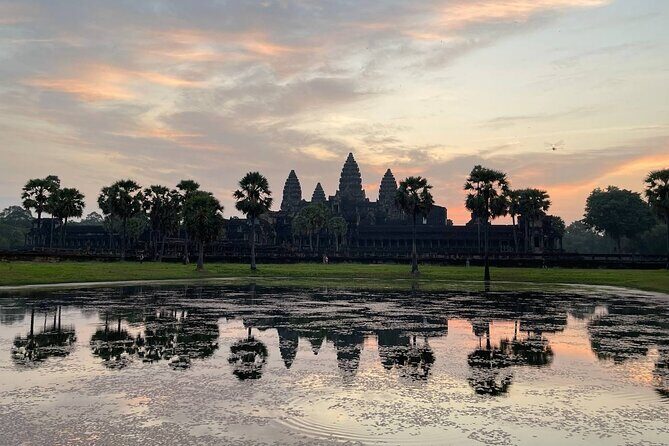
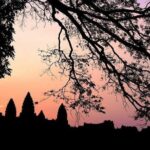
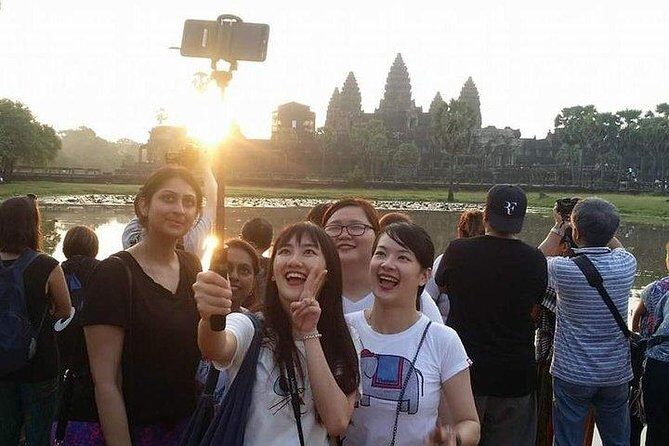
Angkor Wat doesn’t just look good at dawn. It feels different. The morning air is cooler, the crowds are thinner, and the big temple silhouettes appear crisp before the heat and haze settle in. When the sun edges up behind the structures, you get that classic golden backlight effect on stone carvings and moat reflections.
Another thing I like: the tour doesn’t treat sunrise as just a photo moment. Your guide explains Angkor Wat’s historic and religious significance, so you understand why the layout and symbols matter. That context makes the place feel more alive, not like a stop on a checklist.
There’s also a practical bonus. By starting early, you can often move through the most popular areas before the foot traffic thickens.
You can also read our reviews of more tours and experiences in Siem Reap
Hotel pickup, air-conditioned comfort, and a real-world 7–8 hour plan
This tour includes free pickup and drop-off from city hotels in Siem Reap. That matters because Angkor mornings can get messy if you’re trying to coordinate transport at 4am on your own. You’ll ride in an air-conditioned vehicle, with bottled water provided, which is a small comfort that helps when you’re waking up fast.
The tour runs about 7 to 8 hours total. That’s long enough to see several major temples and still feel like you’re touring, not sprinting. The best part is the pacing: with guides like Tann and drivers like Pan, the day tends to stay smooth, with an emphasis on matching your pace to the visit style for each site.
If you’re the type who gets overwhelmed by crowds, the small group setup (maximum 15 travelers) is a big plus.
Angkor Wat stop: what to expect from the 4:00–4:30am arrival
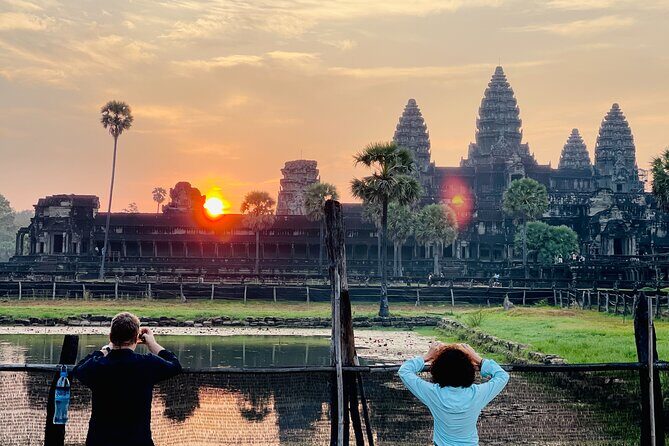
You’ll depart your hotel roughly between 4:00am and 4:30am to reach Angkor Wat for sunrise. The first major stop is scheduled for about 3 hours 30 minutes. Temple entrance fees are not included in the base price, so you’ll plan around that separately.
Once you’re inside, expect a mix of viewing time and guided explanation. The guide helps you understand the temple complex’s significance and points out what to focus on, from structural details to religious symbolism. This is also where photography becomes easier, because you’re there while the light is still soft.
A practical note: dress warmly early. Even in Cambodia, dawn can feel chilly before the day heats up. Also, keep in mind that you’ll be standing and walking on uneven stone paths for long stretches.
Ta Prohm: the movie-famous temple and how to tour it without losing your mind
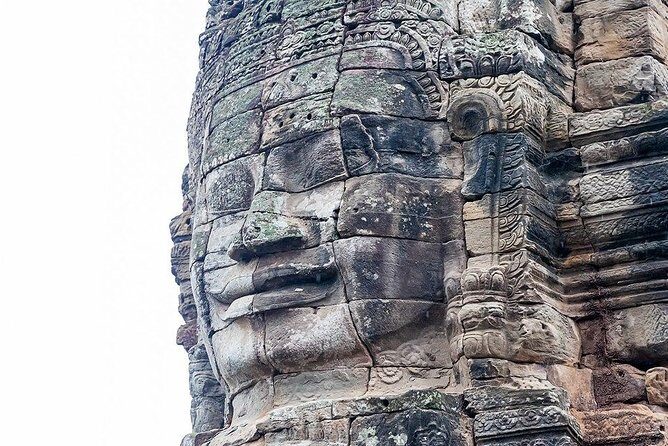
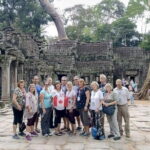
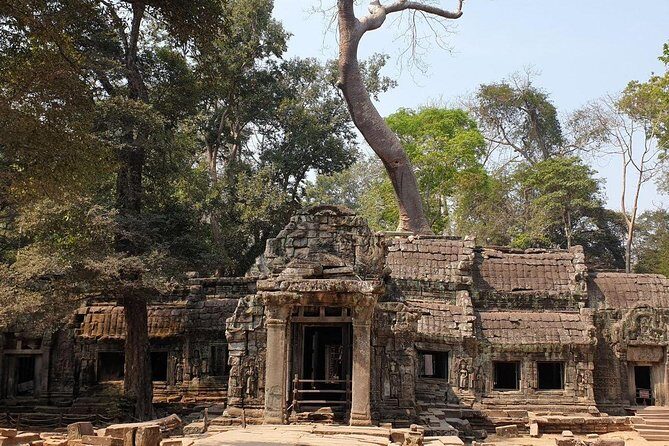
After the Angkor Wat morning, the tour continues to Ta Prohm, one of Angkor’s most recognizable sites thanks to its movie fame. Your Ta Prohm stop is about 2 hours, and temple entrance fees are separate.
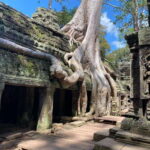
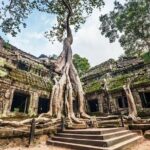
What you’ll love here is the visual drama: massive tree roots, crisscrossing beams, and a temple that looks like nature is folding it back into the jungle. But the experience isn’t only about scenery. With a good guide, you’ll get a better sense of how and why the site is preserved in its distinctive state.
Between Ta Prohm and the next phase of the day, you’ll also have a meal at a local restaurant. The schedule includes about 1 hour for that meal. Because breakfast is not included, this lunch timing matters: it’s often where you catch up on energy after the early morning.
One more reality check: Ta Prohm is busy. You can still enjoy it, but be ready to share space and keep your movements controlled so you don’t get swept into the flow.
Angkor Thom city and the Phnom Temples en route to Bayon
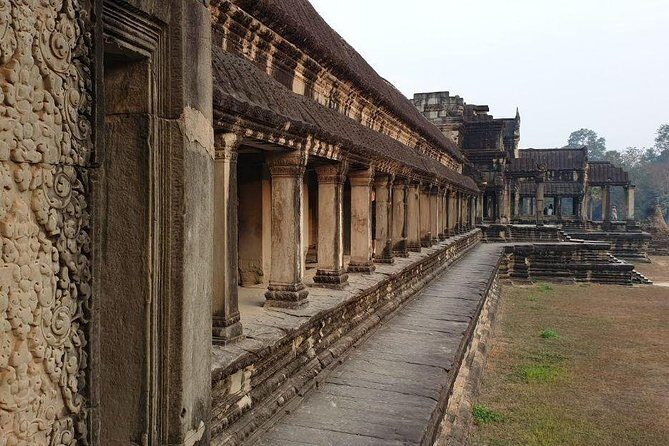
From Ta Prohm, you’ll head through Angkor Thom City, the historic capital area. This portion matters because it helps connect the dots. You’re not just hopping from temple to temple; you’re moving through a larger urban layout that gives you context for how the Angkor world functioned.
Along the way, the itinerary includes exploring the Phnom Temples, before continuing toward Bayon. The tour route also allows you to see how the major temple complexes relate to each other spatially. Even if you’re not a deep history person, this is where the day starts to feel more coherent.
Expect more walking here than you might think. Paths can narrow, and you’ll spend time moving between viewpoints and temple areas.


Bayon Temple: compact layout, maze-like corridors, and portrait carvings
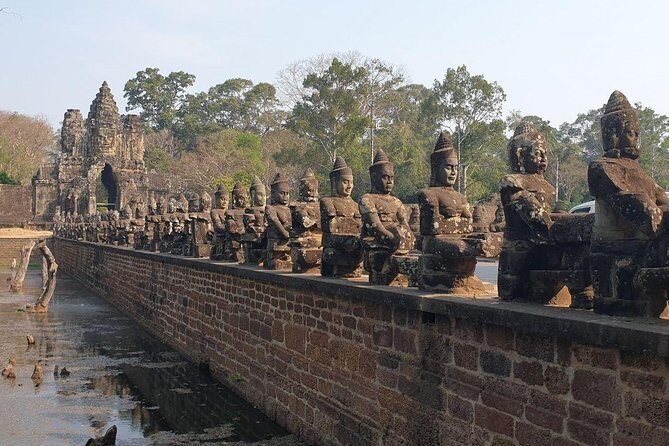
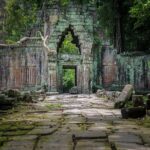
Bayon Temple is the final major stop. It’s scheduled for about 1 hour, and it’s described as compact, with no surrounding wall that makes it easier to enter in different ways. In plain terms: you’re not stuck outside waiting for the perfect entrance point.
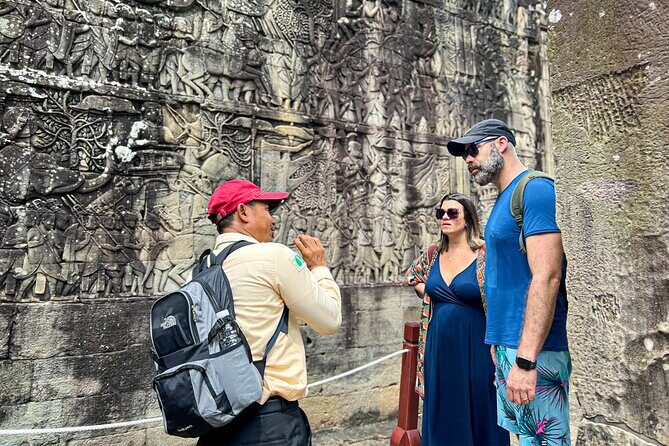
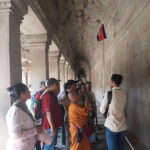
Inside, the space can feel maze-like, with narrow corridors and lots of turns. That’s part of the charm, but it also means you’ll want to slow down and let your guide direct you. When you’re with Tann-like expertise, the visit becomes more than wandering. You learn what you’re looking at and how to interpret the carvings.
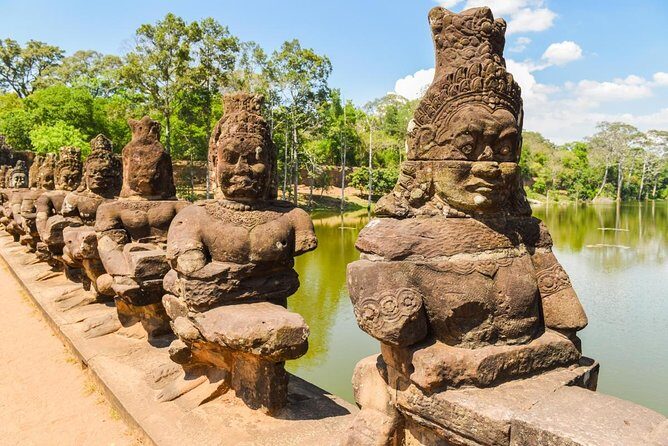
Bayon is especially famous for its repeating faces in stone. You’ll get chances to see the carvings from different angles, which is helpful for photos and for understanding the design.
Tickets, dress code, and the rules that keep you from losing time
Let’s talk logistics that actually affect your day.
Temple entrance fees: The Angkor temple entrance fee is listed as $37 per person and covers the temples in the itinerary. The base tour price ($26) does not include this, so you’re really planning for two costs: the tour plus the temple pass. The temple fee can be paid with Visa cards, and it can also be purchased on the day of the tour just before sunrise.
Dress code: You need respectful clothing that covers shoulders and knees. A real scarf is acceptable for covering, but the info is clear that some common alternatives aren’t allowed. If you show up in shorts and a tank top, you can waste precious morning time sorting it out.
Drone rule: Drones are not allowed at the temples. The only exception mentioned is to ask permission from APSARA, but don’t plan on it being granted.
What about breakfast? Breakfast isn’t included. If your hotel room includes breakfast, the tour suggests requesting a breakfast pack so you can eat after sunrise at Angkor Wat. That’s a smart move because it prevents you from running on empty early in the day.
The cost check: is $26 good value for an Angkor sunrise day?
On paper, $26 per person looks like a great deal. And for what you’re getting, it’s pretty fair: professional English-speaking guide, air-conditioned transportation, free hotel pickup and drop-off, sightseeing as specified, and bottled water.
But here’s the value math you should do before you commit. Temple entrance fees add $37 per person for the itinerary temples. So your total spend is closer to $63 per person once you include the pass. For many people, that still feels worth it because sunrise access + guided temple interpretation + time-efficient routing can reduce the guesswork and wasted hours.
Also keep in mind the group setup. With up to 15 travelers, you’re more likely to get guidance and photo help, not just a rushed walk-through.
If you’re traveling solo or as a couple, compare this with private options. Private tours can be great for flexibility, but the shared-group format here is designed to stay organized and not chew up your day.
Who this sunrise tour suits best
This is a strong choice if you want a classic Angkor itinerary with a guide who can explain what you’re seeing. It’s also a good match if you’d rather handle the big morning logistics (pickup timing, temple flow, transportation) instead of figuring it out on your own.
You’ll likely enjoy it most if you:
- want the sunrise experience at Angkor Wat
- care about understanding the temples’ meaning, not only getting photos
- like a guided route through Angkor Thom and Bayon rather than random wandering
If you’re someone who hates early mornings, this may feel brutal. The departure window around 4:00–4:30am is the biggest trade-off. Also, you need to be okay with a day where walking is part of the deal, including corridors and temple steps.
Should you book this Sunrise Tour of Angkor Temples?
I’d book it if your priority is seeing Angkor Wat at sunrise with a guide who helps you interpret the place and photograph it well. The combination of early start, hotel pickup, English-speaking guidance, and a focused route through Ta Prohm, Angkor Thom, and Bayon is built for people who want the highlights done right.
Don’t book it blindly if you’re sensitive to early wake-ups or if you’re planning to show up without covering clothing for the dress code. Also do the math in your head: the $26 tour price is only half the cost; the $37 temple entrance fee is the other half.
If you’re ready for a long, early morning and want an organized, guide-led Angkor day, this one is a very practical pick.
FAQ
What time does the tour depart for sunrise?
The tour departs your hotel around 4:00am to 4:30am to reach Angkor Wat for the morning.
Are temple entrance fees included in the $26 price?
No. Temple entrance fees are listed as $37 per person and cover all the temples in the itinerary.
Does the tour include breakfast or meals?
Breakfast is not included. The itinerary includes a lunch stop at a local restaurant (about 1 hour). If your hotel offers breakfast, the tour suggests requesting a breakfast pack.
Is hotel pickup and drop-off included?
Yes. Free pickup and drop-off are included for city hotels in Siem Reap.
What should I wear for the temples?
You need respectful clothing that covers your shoulders and knees. Only a real dress scarf is allowed for covering.
Are drones allowed at Angkor Temples?
No. Flying drones are not allowed at the temples. You can ask permission from APSARA, but drones are not generally permitted.