Oudong rewards your effort. This day trip takes you to Phnom Oudong, the former royal capital site, plus shady forest temples and stupas—so the views feel earned, not purchased. The route also threads in everyday Cambodian life along the Tonle Sap River with real market stops.
I especially like two things: the personal guidance from Sam Ang (Sam), a local licensed English-speaking guide who shares stories and practical context, and the mix of “seen-it-once” landmarks with places where you watch craft and daily routines up close.
One consideration: you should be ready for a lot of walking and climbing, including temple dress rules (shoulders, back, and legs above the knee covered). If that’s a problem, you may want a lighter option.
In This Review
- Key highlights before you go
- Phnom Oudong from Phnom Penh: why this day trip works
- Morning logistics: 8:00 am start and the ride north
- Russey Keo fish port and the Tonle Sap River pulse
- Silversmith village and the quiet skill of hands
- Floating village view: seeing houses without getting stuck on boats
- Wat Arey Kasap: the inland chapter before the climb
- The main event: Phnom Oudong ascent, jungle paths, and temple stupas
- Chey Odam village: market browsing and a break in the shade
- Price and value: is $110 worth it?
- What to pack (and what to wear) for Phnom Oudong
- Who this tour is best for
- Should you book the Oudong Mountain History and Pagoda Tour?
- FAQ
- What time does the Oudong Mountain tour start?
- How long is the tour?
- Is pickup included?
- What’s included in the price?
- Do I need to wear specific clothing?
- What happens if the weather is bad?
Key highlights before you go
- Sam Ang’s storytelling: you’ll get context and local navigation that make the stops feel connected
- Real Tonle Sap River life: fish port and market views plus a floating village look from the shore
- Temple etiquette included: you’ll know what to cover before you’re standing in front of sacred spaces
- A hike with big payoff: the climb to Phnom Oudong is where the day clicks into place
- Lunch in Chey Odam: a relaxed break after the ascent, in the shade
Phnom Oudong from Phnom Penh: why this day trip works
Oudong Mountain isn’t just a “pretty hill with temples.” It’s a working blend of sacred space and Cambodia’s story of power, faith, and survival. The former royal capital location helps you understand why so many pagodas and stupas cluster here, and why people still make the trip.
What I like about this outing is the pacing. You don’t jump straight into the climb. You build the day with river-side scenes first, then temples inland, then the main ascent. That order matters: by the time you reach Phnom Oudong, you’re ready to read the place instead of just walking through it.
This is also a good format if you’re traveling solo, as a couple, or with a group. It’s a private tour, so you’re not stuck with a wandering bus of mismatched interests. Your guide can adjust to your group’s comfort level while still keeping the schedule moving.
Morning logistics: 8:00 am start and the ride north
The tour starts at 8:00 am, and it runs about 7 hours. Pickup and drop-off are included, and you travel by tuk tuk or car depending on the day and your group.
That start time helps. You’re on the road early enough to get comfortable daylight for the hike and the outdoor market time at Chey Odam later. It also means you’re less likely to feel rushed during the main climb.
One practical note: it’s designed for people who can handle stairs, uneven paths, and some uphill walking. If you love an active day, you’ll probably feel right at home here.
Russey Keo fish port and the Tonle Sap River pulse
The day begins at Russey Keo, a fish port and market on the Tonle Sap River. Even if you don’t buy anything, it’s a strong first lesson in how the region eats, works, and trades.
This stop is short—about 30 minutes—but it’s time well used. You’re not just looking at water. You’re seeing a core livelihood connected to the Tonle Sap, which drains from the enormous freshwater lake system.
Practical tip: come with your eyes open and a little patience. Markets move fast, and you might feel like you’re weaving through activity. If you’re sensitive to crowds, keep close to your guide and follow his pace.
Silversmith village and the quiet skill of hands
Next comes the silversmith village in Bopha Kampong Luong (listed as Bopha Kampong Luong Silversmith Village). This is one of those stops where the value is in watching how things are made, not just taking photos.
You get about 45 minutes here, and it’s a chance to slow down after the motion of the market area. You’ll see local artisans producing silverwork, and you can usually ask questions through your guide to understand what you’re looking at.
This is also a good moment to think about souvenirs. The tour includes a small souvenir, and if you also want a handmade piece, this is a logical time to browse. Set a budget before you arrive—craft work can be tempting.
Floating village view: seeing houses without getting stuck on boats
You’ll then stop for a viewpoint connected to the floating village area at Kampong Luong, with a short 15-minute window. You won’t be doing a long boat ride here; instead, the tour gives you a look from the shore.
Why it’s worth it: floating communities are hard to grasp from photos alone. A quick, guided viewpoint helps your brain place what the river is doing to daily life—where people live and how the water shapes routines.
If you’re the type who likes geography, you’ll probably enjoy this stop. It helps connect later temple sites inland to the region’s water-based ecosystem.
Wat Arey Kasap: the inland chapter before the climb
After the river stops, the tour shifts inland to Oudong district with a visit to Wat Arey Kasap (listed as Arey Kasap pagoda), for about 45 minutes.
This part builds anticipation. You’re moving from everyday Cambodian life toward the religious atmosphere that defines Oudong. The guide can point out what makes the temple area meaningful, and you’ll also get a reminder about dress rules before you get too far into the day.
Dress rule matters here and later: at temples and religious sites, shoulders and backs should be covered, and your legs should be covered above the knee. If you arrive in shorts and a tank top, you’ll likely have to adjust on the spot, which is never fun.
The main event: Phnom Oudong ascent, jungle paths, and temple stupas
This is where the day earns its keep. The highlight is the climb to Phreah Reach Throap Mountain / Phnom Oudong, scheduled for about 1 hour 30 minutes and including the admission ticket.
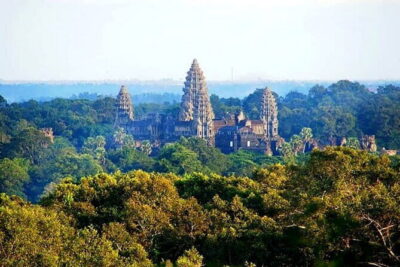
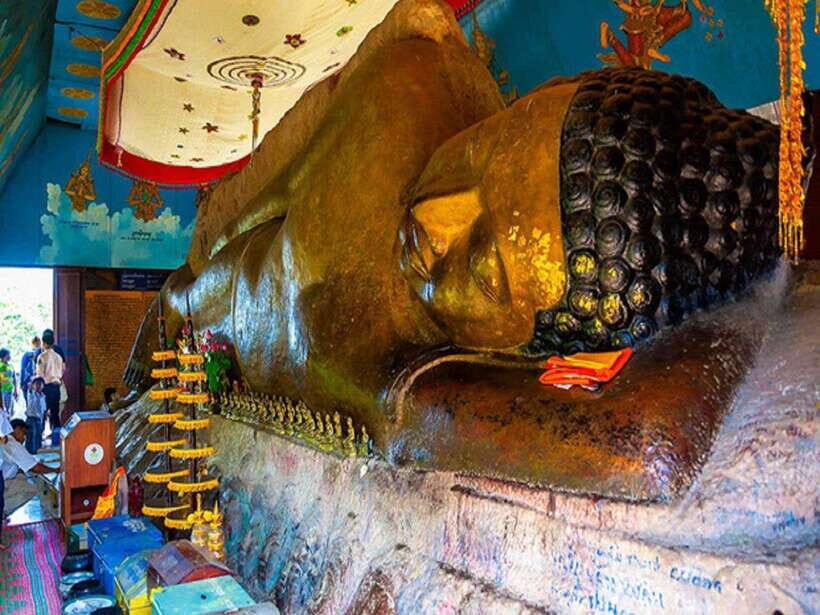
You’re walking into a jungle-clad setting, and the ascent offers wide views of the surrounding plains. That view is the payoff, but it’s not the only point. While you’re up there, you’ll wander through forest shade to see ancient and modern temples and stupas.
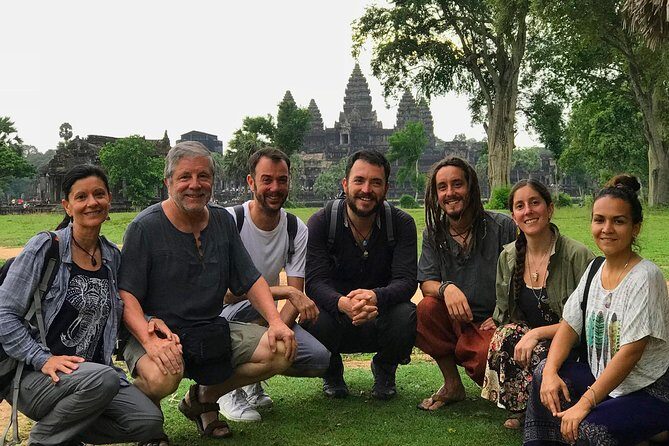
What I value most about this section is the guidance style. The tour is led by a local licensed English-speaking guide, Sam, and the experience is built around helpful paths and meaningful context. In practice, that often means you spend less time guessing and more time noticing details you’d otherwise miss.
Also, you’ll want to plan for the physical side. This isn’t a casual stroll. Expect uneven steps, sun exposure on some sections, and periods of climbing. Wear something you can move in, and take breaks when your guide suggests.
Chey Odam village: market browsing and a break in the shade
At the base of Phnom Oudong sits Chey Odam. You’ll get about 30 minutes at the market before lunch.
Chey Odam is one of those places where the day trip crowd becomes part of the local rhythm. The market gives you a chance to buy snacks, small items, and practical things you forgot at home. It’s also an easy way to compare what you saw earlier in the day at Russey Keo with a different kind of commerce—more day-trippers, more casual browsing, less river-industry focus.
Then lunch follows, typically for about 1 hour 30 minutes. Lunch is at a local outdoor restaurant with beer and soft drinks. The style is Khmer food served in shaded spots where you can cool down and recover.
If you want the simplest win here, it’s this: eat, drink water, and don’t rush. The climb can leave your legs tired. Lunch is your reset.
Price and value: is $110 worth it?
At $110 per person, this tour sits in the mid-range for a Phnom Penh day trip that includes transportation, guiding, and a full food plan. Here’s what you’re actually getting for the money:
- Pickup and drop-off plus transport by tuk tuk or car
- English-speaking local guide (Sam Ang) for the full day
- Water and snacks
- Lunch with soft drinks and beer
- Small souvenir
- Several stops with admission listed as free, with the Phnom Oudong ticket included
So you’re not paying only for the hike. You’re paying for a guided route that strings together several meaningful stops without you needing to arrange vehicles or interpret what you’re seeing. If you’d otherwise have to hire a driver, figure out temple timing, and coordinate entry fees, the structure becomes good value.
The “hidden” value is schedule control. The reviews show a pattern of smooth timing, and that matters on a day with climbing involved. When the day runs well, you feel less stress and more momentum.
What to pack (and what to wear) for Phnom Oudong
This tour will treat you well if you show up prepared.
Bring:
- Good walking shoes (the ascent and temple paths can be unforgiving)
- A light layer for sun and air (especially if your shirt sleeves are thin)
- Refillable water if you like having extra beyond the provided water
- A small hat or cap for the market and base areas
Wear:
- Clothing that meets temple rules: covered shoulders and backs, and legs above the knee covered
- If you’re unsure, pack a light scarf or shawl. It can save you time at the first temple checkpoint
Also, bring a bit of patience. This day mixes river life, craft work, religious sites, and a climb. Your brain will hop topics. Let it.
Who this tour is best for
You’ll probably love this tour if you:
- Enjoy an active day with walking and viewpoints
- Want more than just temples—river and daily life stops matter to you
- Like having a guide who shares context and helps you move confidently through sacred areas
It’s also a decent choice for families and solo travelers, as long as everyone can manage the climb and respects temple dress rules.
If your group wants a very relaxed, minimal-walking outing, this may feel like too much. The highlight is the ascent.
Should you book the Oudong Mountain History and Pagoda Tour?
Yes, if your goal is a Cambodia day that mixes Phnom Oudong’s sacred climb with real regional life on the Tonle Sap side. The guide-led flow makes the route easier to understand, and the included lunch and snacks reduce the hassle of planning your own day.
Consider skipping or switching to a lighter itinerary if:
- You strongly dislike uphill walking or long temple-site time
- You don’t want to follow temple dress requirements
- Your energy level is better spent on a slower Phnom Penh-focused day
If you do book it, show up with comfortable shoes and clothing that covers you at temples. Then let the day unfold in the right order—river first, inland temples next, big views last—and you’ll likely feel like you got the full Oudong experience, not just a quick photo stop.
FAQ
What time does the Oudong Mountain tour start?
The tour starts at 8:00 am.
How long is the tour?
It runs for about 7 hours (approx.).
Is pickup included?
Yes. Pickup and drop-off are included, and you’ll travel by tuk tuk or car.
What’s included in the price?
The tour includes water, snacks, transportation, an English-speaking guide, lunch at a local outdoor restaurant, and a small souvenir.
Do I need to wear specific clothing?
Yes. At temples and religious sites, shoulders, backs, and legs above the knee should be covered.
What happens if the weather is bad?
The experience requires good weather. If it’s canceled due to poor weather, you’ll be offered a different date or a full refund.