REVIEW · PHNOM PENH
Cambodia Wildlife Sanctuary and Countryside Tour
Book on Viator →Operated by Authentic Food Tours : Southeast Asia Bites and Activities · Bookable on Viator
Wildlife and temples in one day. That is the hook here. You get a behind-the-scenes wildlife rescue visit, a local lake lunch in rural Takeo, and a climb up to a mountain temple viewpoint—all in a single, tightly planned loop. I especially like that it is Cambodian owned and operated, with English-speaking guides, so the day feels guided rather than random. I also like the small group limit, which helps the pace feel more human. One drawback to consider: it is an 11.5-hour day starting early at 7:40 am, so you’ll want to be ready for a long ride and a full schedule.
This is the kind of trip that helps you connect dots. The wildlife stop shows how Cambodia handles injured or displaced animals, the countryside lunch slows you down, and Phnom Chisor gives you temple architecture plus big views over the region. If you want history and culture without spending hours piecing things together on your own, this format makes it easier.
Just be aware that animal encounters depend on what the rescue center is managing that day. You’re not booking a guaranteed animal show. Still, the value here is the education and context, plus the fact that admissions for the day’s key stops are handled as part of the experience.
In This Review
- Key highlights to know before you go
- Wildlife and temples in one guided day from Phnom Penh
- Phnom Tamao’s behind-the-scenes rescue tour: what you’re really paying for
- Tonle Bati lunch in Takeo Province: the local food part you can’t DIY as easily
- Phnom Chisor mountain temple: ancient architecture plus big countryside views
- How the full 11.5-hour schedule feels in real life
- Small-group touring with pickup and English-speaking guides
- Price and value: what $159 buys you for wildlife, lunch, and a temple viewpoint
- Who should book this countryside wildlife and temple tour
- Should you book this Cambodia Wildlife Sanctuary and Countryside Tour?
- FAQ
- What time does the tour start?
- How long is the Cambodia Wildlife Sanctuary and Countryside Tour?
- Is pickup included?
- Does it use a mobile ticket?
- What is included for the wildlife sanctuary stop?
- Are the other stops paid separately?
- What lunch options are offered at Tonle Bati?
- What’s the group size limit?
- What is the cancellation policy?
- Are the guides fluent in English?
Key highlights to know before you go
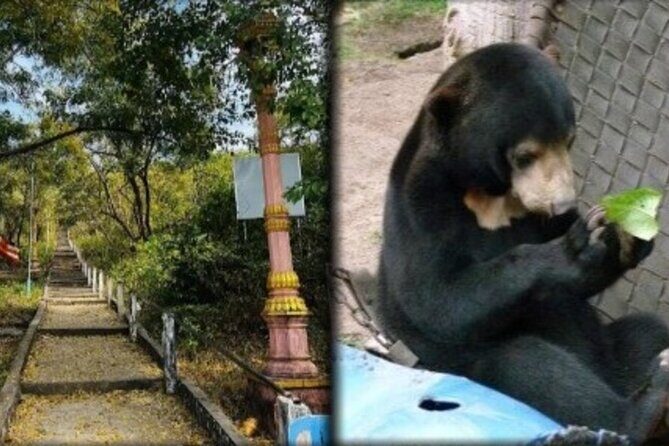
- Behind-the-scenes at Phnom Tamao: a wildlife rescue centre established in 1995, spread across over 6,000 acres
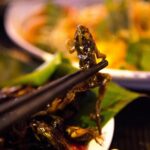
- A real countryside lunch at Tonle Bati: pick from grilled meats, frogs, and fish, plus papaya salad and pickled vegetables
- Phnom Chisor mountain temple views: temple architecture up top with countryside perspectives
- Small group size: capped at 17 people, which helps questions and pacing
- English-speaking, local guides: you’ll get explanations that make the stops easier to understand
Wildlife and temples in one guided day from Phnom Penh
If you only have a day (or a long half-day) in Phnom Penh, this tour is designed for efficiency without feeling rushed. You start in the capital area, then head out south for the wildlife rescue stop, swing into the countryside for lunch, and finish at a temple on a mountain. That combo is the whole point: wildlife, everyday rural life, and temple culture in one story.
The operators also position this as a very specific type of outing—one of the only trips that blends these elements in this format. Whether or not you take that claim literally, the structure is what matters. Instead of choosing between wildlife OR temples OR food, you get all three with a guide who connects what you’re seeing to the wider Cambodian context.
I like that it is Cambodian owned and operated, with local creation and guides who are fluent in English. That matters in Cambodia. Without a guide, temples can become “cool to look at” but harder to interpret. Wildlife rescue centers can feel like just cages and animals. With context, you start understanding why these places exist and what they’re doing.
The pace is full. That’s worth saying up front. It’s about 11 hours 30 minutes, and the meeting time is 7:40 am. If you’re the type who likes slow starts, you’ll need to plan your morning carefully.
You can also read our reviews of more tours and experiences in Phnom Penh
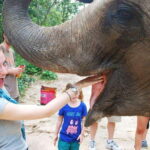
Phnom Tamao’s behind-the-scenes rescue tour: what you’re really paying for
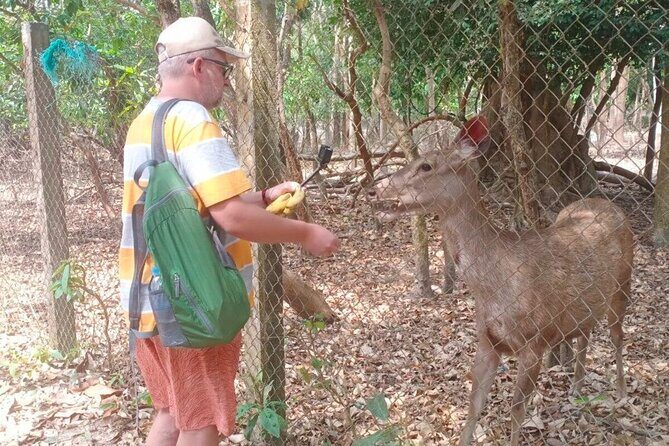
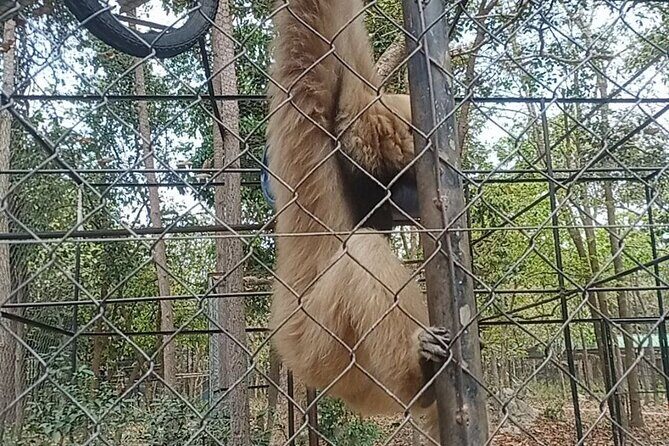
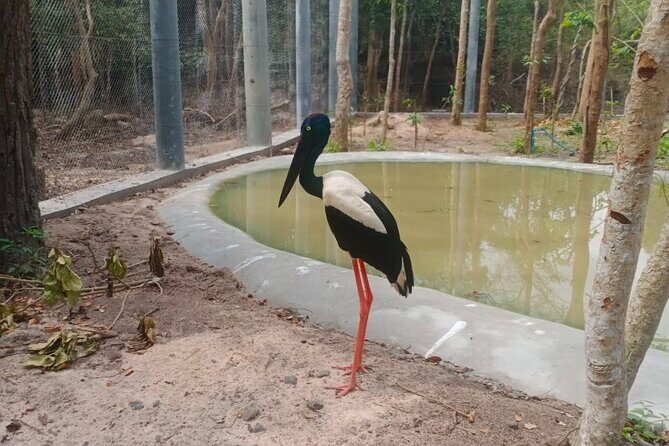
Your first stop is the Phnom Tamao Wildlife Rescue Centre, about 25 miles by road south of Phnom Penh. It’s a major facility: established in 1995 and covering over 6,000 acres. The tour time here is about 4 hours, and admission is included.
What makes this stop valuable isn’t just the chance to see animals. It’s the behind-the-scenes angle. In practical terms, you’re more likely to leave with answers to the questions you’d have on your own, like:
- Why animals end up in a rescue center
- How care and rehabilitation work (at a basic, visitor-friendly level)
- What protection looks like in a real-world setting
A rescue center also changes the way you watch wildlife. You’re not treating animals like entertainment. You’re seeing them as living beings with histories, and you’re watching a conservation effort in action. That shift tends to make the visit feel more meaningful than a basic zoo-style walkthrough.
One thing to consider: you’re out in a real wildlife environment. That means sun, heat, and uneven ground are possible, depending on where you go during the tour. Wear comfortable shoes, use sunscreen, and plan to stay hydrated. Those small choices make a big difference when you’re out for hours.
Tonle Bati lunch in Takeo Province: the local food part you can’t DIY as easily
Next you head to Takeo Province, with the lunch stop at Tonle Bati. This segment is about 3 hours, and the admission ticket is free for this stop. The tour describes lunch next to a beautiful lake, which is a nice change from the busy city rhythm.
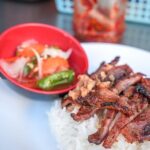
Here’s what you should expect from the food. You can choose from grilled meats, frogs and fish, plus papaya salad and pickled vegetables.
That menu tells you a lot about what this tour values: straightforward local cooking, served as part of community life—not a polished restaurant “Cambodia experience.” Even if you’re picky, this is useful because it forces you into a real meal format. You’ll learn what you like and what you’d rather skip next time.
If you’re uncomfortable with frogs, the good news is you have options: grilled meats and fish are also part of the choice set. If you don’t like fish either, you’ll likely have to decide quickly on the day. The tour data only lists these choices, so it’s best to think ahead if you have strong dietary limits.
Also, don’t underestimate the setting. Eating by the lake with a guide explaining local life can be a real reset during an otherwise busy day. It’s one of those stops that makes the whole itinerary feel less like “checklist tourism.”
Phnom Chisor mountain temple: ancient architecture plus big countryside views
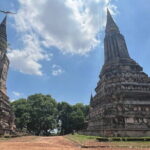
Your final stop is Phnom Chisor, also referred to as Chisor Mountain Temple. This is a 4-hour stop, and admission is free.
The big selling point is the location: the temple sits at the top of a mountain. That means you’re not just visiting buildings. You’re visiting a viewpoint. The tour includes time to explore the temple’s ancient architecture, then take in countryside views from above.
What’s especially valuable about finishing here is pacing. After wildlife and a rural lunch, you’re ready for something reflective. Temples have a way of doing that. With a guide, you can focus on details in the structures rather than just taking photos. You’ll get a better sense of how the architecture connects to the broader Cambodian temple tradition.
Practical note: mountain temples usually mean stairs or uneven paths, and you’ll likely be walking more than you expect if you’re coming from a car. Bring shoes you trust, and plan for sun. If you’re sensitive to heat, this is where you’ll feel it most.
This stop is also a nice payoff for people who thought “temples are just temples.” When you add views and elevation, it turns into something more memorable than a single room or façade.
How the full 11.5-hour schedule feels in real life
This trip meets at 7:40 am and runs about 11 hours 30 minutes. That’s a long day, but it’s also a smart design: it frontloads the heavier activity (the wildlife visit), builds in lunch in the countryside, then ends with temple time while your energy is still reasonable.
The stop sequence matters:
- 4 hours at the wildlife rescue center
- 3 hours for the Tonle Bati lunch stop
- 4 hours at Phnom Chisor
In practice, this is the kind of pacing that works well if you like structure. You’re not rushing between random sites, and you’re not stuck trying to coordinate transport and tickets on your own.
Still, you’ll want to plan your body for a full day outside. I’d recommend simple preparation: comfortable clothes, water, and a snack you can grab if hunger hits early (even though lunch is included as part of the stop). If you’re sensitive to early starts, try to sleep well the night before.
One more thing: the day is long enough that a small-group size becomes a comfort factor, not a luxury. You’ll feel it when the group can ask questions and not get stuck waiting.



Small-group touring with pickup and English-speaking guides
The tour offers pickup and uses a mobile ticket, which makes it easier to manage on your phone. The group is capped at 17 travelers, so you’re not getting steamrolled by a huge crowd.
This limit tends to be one of the biggest quality signals. A smaller group lets your guide adjust to the pace—especially important on days that mix walking, outdoor time, and multiple sites. It also gives you better chances to ask questions, like why rescue centers operate the way they do, or what to look for in temple architecture.
Language support is another plus. The guides are fluent in English, which means you don’t need to rely on spotty translation for the important stuff. In the feedback tied to this kind of guiding, Yi is specifically mentioned as a strong guide—attentive, helpful, and tuned in to what people are getting out of the day.
You’re also not dealing with a faceless company. The tour is described as Cambodian owned and operated, with local experience of over fifteen years in the industry. That usually translates into smoother timing and better explanations. It also means the operator is likely more familiar with how to keep the day practical.
Price and value: what $159 buys you for wildlife, lunch, and a temple viewpoint
The price is $159.00 per person. The tour is about 11.5 hours, includes pickup, and uses a mobile ticket. Admission coverage is also part of the structure: the wildlife stop includes admission, while the other two stops are listed as free admission.
So what are you really paying for?
- Transport and scheduling for a full day outside Phnom Penh
- Guided interpretation across wildlife, local food life, and temple architecture
- Admission handling at the wildlife center
- A small-group cap that keeps the experience from feeling like a cattle call
In Cambodia, a day that strings together wildlife plus temples plus a countryside lunch usually costs more to DIY once you add guides, transport, and entry fees separately. Here, you’re buying the package and the logic behind it.
One more detail: the tour is often booked about 34 days in advance on average. That isn’t a guarantee of anything, but it’s a sign that this exact combo is in demand. If you’re traveling in a busier season or with a tight schedule, booking earlier is safer.
Who should book this countryside wildlife and temple tour
This is a great fit if you want a day trip that feels like more than just photos. You’ll likely enjoy it if you:
- Want both wildlife education and temple time in one day
- Like the idea of a real countryside meal near a lake
- Value English-guided context over trying to piece everything together yourself
- Prefer a small group size for better interaction with your guide
It may not be the best match if you:
- Hate early mornings. Starting at 7:40 am is not gentle.
- Expect a guaranteed parade of wildlife sightings. Rescue centers depend on what’s available and what’s appropriate that day.
- Have strict dietary needs. The lunch choices listed are specific, including frogs and fish as options.
If you’re a solo visitor, the small group can be a friendly way to travel without feeling lost. If you’re with friends, it can be a fun, shared learning day.
Should you book this Cambodia Wildlife Sanctuary and Countryside Tour?
I’d book it if you want a well-structured day that connects three things most people separate: rescue wildlife, rural local life, and a temple with views. The value comes from the full-day planning, the small group cap, and the English-speaking, locally experienced guidance. For many people, the best part is the feeling of doing more than a standard sightseeing loop—because each stop explains something different.
I’d skip it if you’re looking for a short, easy city day or if you don’t want to commit to the early start and outdoor walking that come with Phnom Tamao and Phnom Chisor.
If your priority is depth without extra planning, this is a smart way to spend a day outside Phnom Penh.
FAQ
What time does the tour start?
The meeting time is 7:40 am.
How long is the Cambodia Wildlife Sanctuary and Countryside Tour?
It runs for about 11 hours 30 minutes (approximately).
Is pickup included?
Yes, pickup is offered.
Does it use a mobile ticket?
Yes, it includes a mobile ticket.
What is included for the wildlife sanctuary stop?
The tour includes a Behind the Scenes visit at Phnom Tamao, and admission ticket is included for this stop.
Are the other stops paid separately?
No. The tour lists free admission for the Tonle Bati lunch stop and for Phnom Chisor.
What lunch options are offered at Tonle Bati?
Lunch options include grilled meats, frogs and fish, plus papaya salad and pickled vegetables.
What’s the group size limit?
The maximum group size is 17 travelers.
What is the cancellation policy?
You can cancel for a full refund up to 24 hours before the experience starts.
Are the guides fluent in English?
Yes. The guides are described as fluent in English.