REVIEW · PHNOM PENH
Cambodia 7 Days Private Tour from Angkor Temples to Coastline
Book on Viator →Operated by About Cambodia Travel & Tours · Bookable on Viator
Temples and beach time, neatly stitched. This private 7-day Cambodia tour links Siem Reap’s Angkor highlights with Phnom Penh’s major history stops, then finishes with Sihanoukville down on the coast. You get an English-speaking guide and an air-conditioned private vehicle, plus a plan that avoids the usual scramble of figuring out connections on your own.
I like that the Angkor day is built around the big names you actually came for, with admissions handled so you can focus on the temples instead of ticket lines. I also love the Tonle Sap portion: the boat ride to a floating village makes Cambodia feel practical and human, not just postcard scenery—plus you’re traveling with a guide who can explain what you’re seeing as you go.
One caution: this is a lot of ground in a short time, and you’ll be walking in hot afternoons. Also, Phnom Penh includes intense history at the genocide sites, so plan your energy level and don’t cram too hard if you’re sensitive to heavy topics. (And yes, tips for the guide and driver are not included.)
In This Review
- Key highlights worth planning for
- Angkor Wat to the coast: how the route actually feels
- Day 1 in Siem Reap: land, check in, and don’t waste the first evening
- The big day at Angkor Archaeological Park: what you’ll see and why it works
- The practical side: it’s a lot of walking, so pace yourself
- Tonle Sap Lake floating villages: seeing life shaped by water
- Weather note
- Siem Reap to Phnom Penh: switching gears without losing momentum
- Phnom Penh in one full day: Royal Palace, Silver Pagoda, and Wat Phnom
- The genocide museums: how to handle Tuol Sleng and Choeung Ek
- Day 5 to Day 7: Sihanoukville beach time with breathing room
- My honest take on the coast portion
- Hotels, breakfast, and private transport: the “value” you can feel
- Price at $1,282.47 per person: what you’re really paying for
- Guide and service quality: what shows up in real feedback
- Practical tips to get more out of your week
- Should you book this Cambodia tour from Angkor to the coastline?
- FAQ
- Is this a private tour or will I share it with other groups?
- Where does the tour start and how does it end?
- What cities are included in the 7-day experience?
- Are entrance tickets included for the major sights?
- Do I get a boat trip on Tonle Sap Lake?
- What meals are included?
- Do I have a guide the whole time?
- What hotel options are available?
- Is pickup offered?
- How does cancellation work if I need to change plans?
- What’s not included in the tour price?
Key highlights worth planning for
- Angkor Wat to Ta Prohm in one guided day with admissions included across the key stops
- Tonle Sap Lake floating village by boat—a clearer look at how communities live with the water
- Phnom Penh in a tight loop: Royal Palace, Silver Pagoda, Wat Phnom, and more
- Tuol Sleng and Choeung Ek are both on the schedule, not just one
- Coastline time in Sihanoukville with real free hours to rest, swim, or add an island day
Angkor Wat to the coast: how the route actually feels
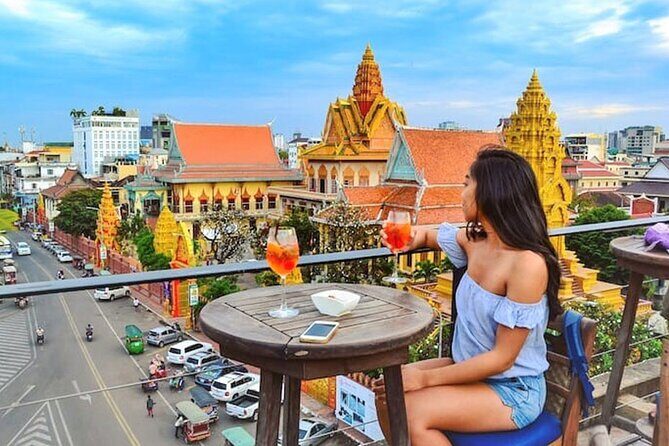
This tour is for you if you want a “Cambodia greatest hits” trip without the mess. You start in Siem Reap, spend multiple days in the capital area, then trade temple steps for beach sand in Sihanoukville. It’s private the whole way, which matters in Cambodia—time is precious, and getting stuck in slow logistics can chew up your best hours.
The pacing is smart in one way and intense in another. It’s smart because you get guided structure for the hardest-to-plan parts (Angkor and Phnom Penh). It’s intense because the early days are built around full sightseeing blocks, and you’ll walk and travel more than you would on a slower, purely coastal trip.
You can also read our reviews of more private tours in Phnom Penh
Day 1 in Siem Reap: land, check in, and don’t waste the first evening
On arrival at Siem Reap Angkor International Airport, you’re met by your guide and driver at arrivals. You’ll check into your hotel in Siem Reap (hotel choice ranges from 3-star to 5-star, depending on the option you select), and then you’re free to do something low-stress: rest, take a short walk, or explore nearby.
This “settle in” block is actually valuable. Siem Reap is where people sometimes burn their first night wandering without a plan. Here, you can keep Day 1 simple and save your energy for Angkor the next day.
Your hotel includes daily breakfast, which helps you start mornings without hunting for food. If you’re picky about coffee or you need a steady meal before temples, this is a comfort.
The big day at Angkor Archaeological Park: what you’ll see and why it works
Angkor is not one temple. It’s a whole system of temples, roads, walls, and water features tied to the Khmer Empire. On this tour, you’ll get that big-picture idea by moving through the main zones rather than hopping randomly.
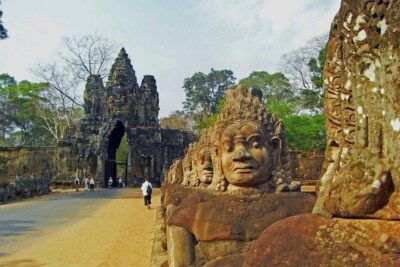
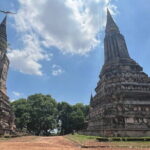
You’ll start at Angkor Wat, which is famous for good reasons: the layout and architecture reflect the scale and order people built into the capitals of the Khmer world. Then you head into Angkor Thom, including the south gate and key landmarks like Bayon, where the famous smiling faces sit among a denser maze of stone and story.
From there, you’ll move through major structures like:
- Baphuon (distinctive multi-level temple design)
- Phimeanakas near the Royal Palace area
- Terrace of the Elephants and Terrace of the Leper King, both known for their bas-reliefs and royal-era grandeur
- Ta Nei, a quieter stop that fits the day’s pattern
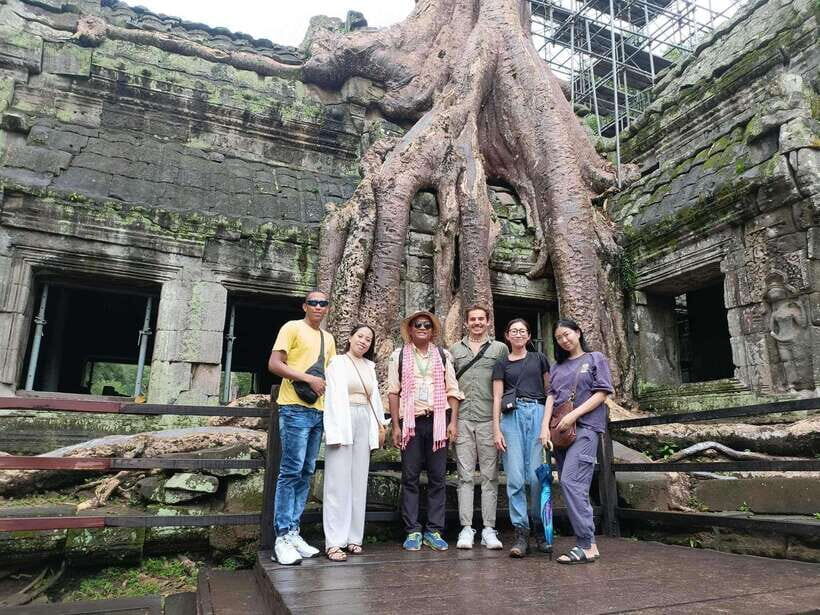
- Ta Prohm, the “trees over stones” temple that’s been left largely as it was found, with only the paths and structures needed for safety and preservation
Finally, you’ll finish with Phnom Bakheng, which is often chosen for panoramic views over the Angkor area.
The practical side: it’s a lot of walking, so pace yourself
This day is packed with major sites, and it’s the kind of schedule where your feet will tell the truth. Wear shoes you trust. Bring water. And if you care about photography, plan for stop-and-go time as crowds gather around the most famous angles.
Still, the value here is that you’re not just “seeing temples.” You’re getting a guided route through the core sites people use to understand Angkor’s design—what connects to what, and why each place feels like a chapter.
Tonle Sap Lake floating villages: seeing life shaped by water
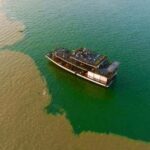
After breakfast, you’ll head to Tonle Sap Lake, Southeast Asia’s largest freshwater lake and a major ecosystem for local livelihoods. The tone shifts from stone to water, which is exactly what you want in Cambodia.
You’ll take a boat trip to Kampong Phluk Floating Village. This is where the tour becomes more than sightseeing. You’ll see how homes, schools, and shops can float on bamboo rafts or boats, and you’ll get a look at mangroves and local fishing communities. Even if you’ve seen photos before, the boat perspective changes how you understand the place.
One useful thing: a guided explanation helps you avoid turning the floating village into a zoo moment. You’re there to understand day-to-day life, not just collect views.


Weather note
Tonle Sap is affected by seasons and heat. The tour doesn’t promise a perfect weather bubble, so come ready for sun and humidity like you would anywhere on a tropical coast—shade breaks help.
Siem Reap to Phnom Penh: switching gears without losing momentum
After the floating village trip, you’ll return to Siem Reap, then you’ll transfer to Phnom Penh. This is a long travel day, but it’s handled as a private move, so you’re not stuck coordinating multiple rides or waiting on strangers.
When you arrive in Phnom Penh, you check in and get the rest of the day at leisure. This gives you a breather before the full Phnom Penh sightseeing block.
If you’re arriving late-day, keep your “night plan” simple: a short walk, an early dinner, and a good sleep. Phnom Penh’s next day is busy, and you’ll want a clear head for what’s coming.
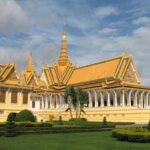
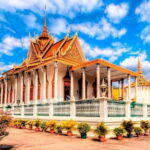
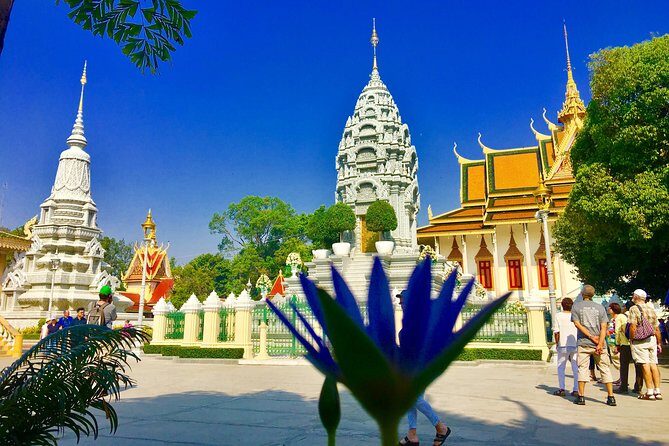
Phnom Penh in one full day: Royal Palace, Silver Pagoda, and Wat Phnom
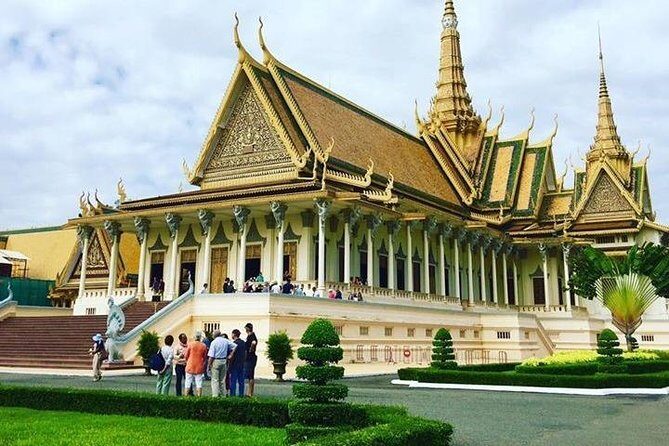
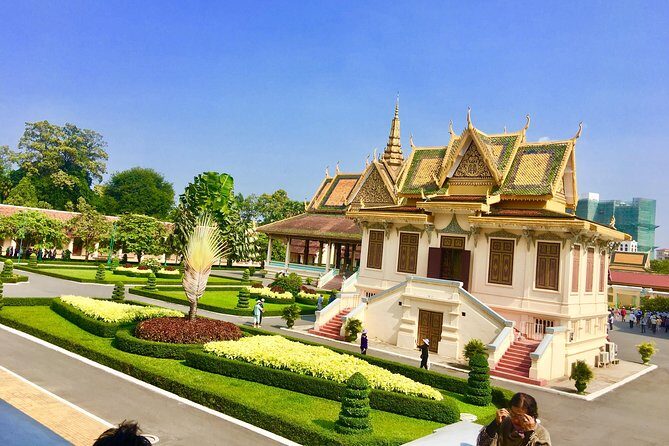
Your Phnom Penh day starts with the Royal complex. You’ll visit:
- Royal Palace
- Silver Pagoda, right next door, known for its peaceful garden escape vibe compared to the streets
- Wat Phnom, the city’s hilltop temple with legend behind it
- Wat Ounalom on the riverfront area
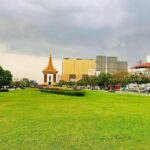
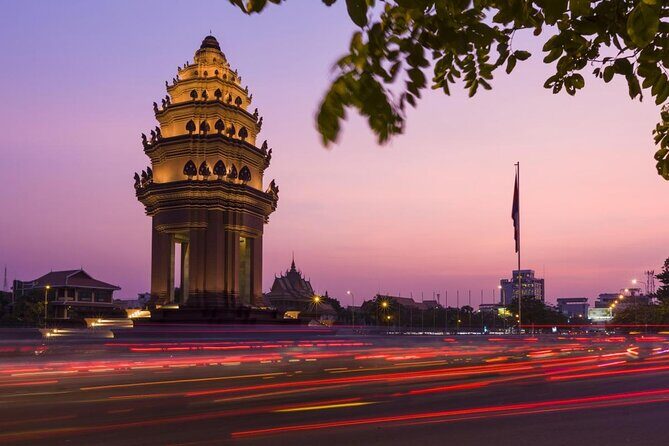
- Independence Monument (built in 1958 for independence from France in 1953)
- Norodom Sihanouk Memorial, also referred to as the statue of King Father Norodom Sihanouk
- Central Market, built in 1937 in a dome shape with four arms of hallways
This sequence matters. It moves you from power (palace and monuments) to religion (temples) to daily life (market). It’s not just a list of stops—it’s a map of how Phnom Penh works.
Also, Central Market is one of those places where shopping isn’t the main point. It’s a chance to see how people move through the city, and to grab snacks or small essentials without needing a car.
The genocide museums: how to handle Tuol Sleng and Choeung Ek
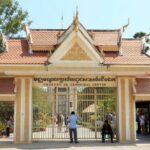
This tour includes both Tuol Sleng Genocide Museum and Choeung Ek Genocidal Center.
Tuol Sleng was formerly a secondary school used as Security Prison 21 (S-21). Choeung Ek is known for a former orchard and mass grave area about 17 km south of Phnom Penh, tied to killings between 1975 and 1979.
These stops are not light. They’re essential history, but they also hit hard. If you’re the type who gets emotionally overloaded, build in breathing space. Take notes if that helps you process. Or plan a quiet, early dinner afterward so your brain has time to settle.
I’ll also point out something practical: walking and standing at memorial sites can add fatigue fast, so water and comfortable shoes matter even on days that don’t feel like “a hike.”
Day 5 to Day 7: Sihanoukville beach time with breathing room
After breakfast in Phnom Penh, you get a simpler morning. You’ll have leisure time, then a private transfer takes you to Sihanoukville, where you check into your beachfront or city hotel option (3-star to 5-star choices). From there, the day is yours for relaxation.
Day 6 is a full 8-hour free day in Sihanoukville Province. This is where the tour earns its keep. You’re not locked into a bus schedule. You can swim, lounge, or consider optional add-ons like island trips or snorkeling if you want that kind of day.
Day 7 continues in a similar style: breakfast, a bit more free time, then your private driver (without a guide) meets you for the transfer to Techo International Airport (KTI).
My honest take on the coast portion
Sihanoukville is best when you treat it as a reset. You came from Angkor and Phnom Penh, which are both big on walking and big on emotion. This is where you recover. If you try to cram more sightseeing here, you’ll miss the whole point.
Hotels, breakfast, and private transport: the “value” you can feel
The tour offers flexible accommodation choices: 3-star, 4-star, or 5-star hotels, all with daily breakfast. That matters because the difference between a decent room and a disappointing one is huge when you’re doing early mornings and long days.
Transport is also a key part of the value. You’re using a private vehicle with an air-conditioned ride for transfers between cities and for guided days. That turns potential chaos into predictable travel time.
One small note: this is a private group, meaning it’s only your group. There’s less waiting around for other people, and that helps keep the day on track—especially when moving through tight schedules at major sites like Angkor and Phnom Penh.
Price at $1,282.47 per person: what you’re really paying for
At $1,282.47 per person for about 7 days, you’re not just paying for a guide’s narration. You’re paying for the full package of:
- accommodation for multiple nights (with daily breakfast)
- private air-conditioned transport
- an English-speaking guide
- entrance fees for the included sights
- a Tonle Sap boat trip
- airport and city transfers as scheduled
That’s the real value: the heavy logistics are handled. For Cambodia, it’s often cheaper to DIY at first glance, but the time cost can be higher—especially around Angkor.
What’s not included is tips for the guide and driver. Plan for that. If you’re the type who likes to be generous, this budget should feel complete. If you’re strict about spending, you’ll need to decide your comfort level for tipping up front.
Guide and service quality: what shows up in real feedback
The best part of a private tour is the human element: the person who decides how quickly you move through crowds, how clearly they explain what you’re looking at, and whether the day feels smooth.
In feedback, guides like Tokk and Toc are named for being engaging and helpful. Ton also comes up in Phnom Penh-focused praise. Drivers like Sary are mentioned as top partners to the guide, which matters because Cambodia travel depends on the driver’s timing and street sense.
One practical comment to take seriously: in hot weather, you’ll want clear communication. There’s a note that one guide could have been a bit louder, which is a reminder to speak up if you’re having trouble hearing. A good tour should feel easy, not like you’re straining.
Practical tips to get more out of your week
You’ll have a better trip if you show up ready for four realities: heat, walking, emotional intensity, and long transitions.
- Wear shoes you can stand in for hours. Cambodia’s stone floors and temple steps add up fast.
- Bring sun protection for Angkor and lake time. Shade is limited at major temple viewpoints.
- Plan a slower rhythm after the genocide sites. Your brain will need recovery time.
- Pack light snacks and water for days that feel tightly scheduled.
- Save cash for tipping your guide and driver.
If you like structure but also want a genuine break, this tour hits that balance well: Angkor and Phnom Penh are guided and structured, then Sihanoukville gives you space to be a person again.
Should you book this Cambodia tour from Angkor to the coastline?
Book it if you want a private, guided Cambodia trip that links the big cultural stops with real coastline downtime. It’s especially good for first-timers who don’t want to wrestle with tickets, transport, and logistics across multiple cities.
Skip or reconsider if you’re sensitive to heavy historical content, because Tuol Sleng and Choeung Ek are part of the plan. Also reconsider if you hate walking or you want a slow pace—this route gives you less time to linger, more time to move through major highlights.
If you’re the type who can handle a full day sightseeing block and then enjoy a calm beach day, this is a strong fit.
FAQ
Is this a private tour or will I share it with other groups?
It’s a private tour/activity. Only your group participates.
Where does the tour start and how does it end?
It starts at Siem Reap Airport. It ends with transfer to Techo International Airport (KTI) in Sihanoukville.
What cities are included in the 7-day experience?
You’ll visit Siem Reap (Angkor area), Phnom Penh, and Sihanoukville.
Are entrance tickets included for the major sights?
Yes. Entrance fees for the included visits are listed as included.
Do I get a boat trip on Tonle Sap Lake?
Yes. The tour includes a boat trip for the floating village and Tonle Sap Lake.
What meals are included?
Breakfast is included (6 breakfasts).
Do I have a guide the whole time?
You’ll have an English-speaking tour guide for the guided sightseeing portions. For the transfer sections labeled as private driver without guide (such as part of the Sihanoukville-to-airport day), you won’t have a guide with you.
What hotel options are available?
You can choose from 3-star, 4-star, or 5-star hotels, and daily breakfast is included.
Is pickup offered?
Pickup is offered.
How does cancellation work if I need to change plans?
You can cancel up to 6 days in advance for a full refund. If you cancel 2–6 days before, you receive a 50% refund, and within 2 days there’s no refund.
What’s not included in the tour price?
Tips for the tour guide and driver are not included.