REVIEW · PHNOM PENH
13 Days Private Tour to Cambodia, Angkor Wat and Vietnam
Book on Viator →Operated by Global Travel & Tours Asia · Bookable on Viator
Some trips feel like a checklist. This one feels like a route you can breathe on. You start in Phnom Penh, then slide into Angkor’s biggest temples, and finish with the water-heavy side of Vietnam—Halong Bay, the Perfume River, and the Mekong Delta. It’s a private, guided plan that mixes UNESCO sights with real-life places like floating villages, cyclo rides, and temple-tomb scenery.
Two things I really like: first, you get private transfers and a licensed English-speaking guide, so you’re not stuck decoding signs and buses all day. Second, the schedule is packed but not chaotic—daily pacing includes flights between regions, plus paid entries and most meals handled for you. One consideration: it’s intense sightseeing. If you hate long temple walks in heat, you’ll want comfortable shoes and a calm attitude.
The overall vibe is upscale and organized. Even the small details—like having bottled water each day and being met at airports—help the trip feel smooth. Coordinator Ann is specifically called out by past guests for meeting at arrival and helping with customs and visas, so you’re not left figuring it out solo.
In This Review
- What Makes This Tour Work So Well
- Phnom Penh Start: Temples and the Truth You Can’t Skip
- Angkor Wat and Angkor Thom: Big Names, Strong Sequencing
- Banteay Srei, Preah Khan, and a Floating Village Ride
- Hanoi: Colonial Corners, Cultural Stops, and Evening Folklore
- Halong Bay Overnight Cruise: Why the Overnight Matters
- Hoi An: Old Town Walking, Cyclo Sights, and River Time
- Hue: Imperial Citadel, Tombs, and Perfume River Boat Moments
- Saigon: War Memory, French Landmarks, and Market Energy
- Mekong Delta: Cai Be Sampan Cruise and Tropical Lunch Setting
- Price and What You’re Actually Paying For
- Who This Tour Fits Best
- Should You Book It?
- FAQ
- Is this a private tour?
- Are airport pickups included?
- How do flights work during the trip?
- Which UNESCO World Heritage sites are included?
- Do I get an overnight cruise on Halong Bay?
- Is there a river cruise in Hue?
- Do you include a Mekong Delta cruise?
- What meals are included?
- Are entrance fees covered?
- How much can I cancel and still get a full refund?
- Who provides the guide service?
What Makes This Tour Work So Well
- Airport-to-hotel, handled: meeting on arrival, help with customs and visas, and transfers that reduce stress.
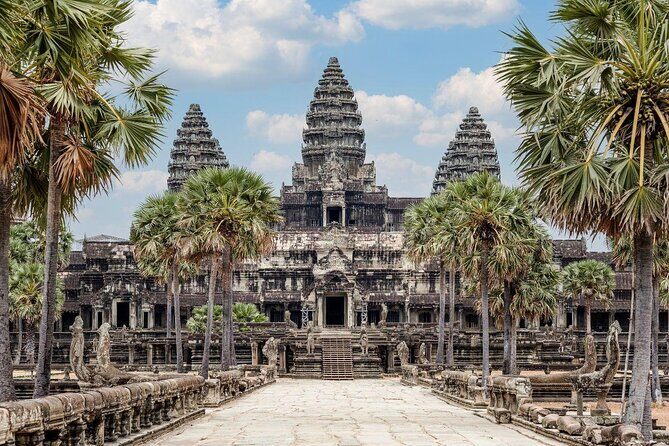
- UNESCO coverage with good variety: Angkor, the Hue sites, and Hoi An plus Vietnam’s nature icons like Halong Bay.
- Time on the water: an overnight cruise in Halong Bay, plus a river cruise on the Perfume River and a Mekong Delta boat day.
- Private guiding style: you’re not herded through ruins; you have a professional guide for the story behind the stones.
- Flight legs remove travel drag: you move by domestic flights between Phnom Penh → Siem Reap and across Vietnam, so you keep more daylight for sites.
- A consistent hotel standard: multiple nights in solid, comfort-focused stays, including an onboard cabin on the Halong cruise.
Phnom Penh Start: Temples and the Truth You Can’t Skip
Your trip begins in Phnom Penh after you land, clear immigration and customs, and handle your Cambodia visa at the airport. That first day is practical rather than scenic, but it matters: once you’re through the formalities, the tour can flow.
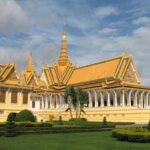
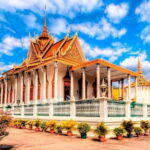
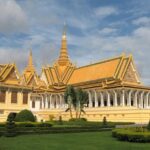
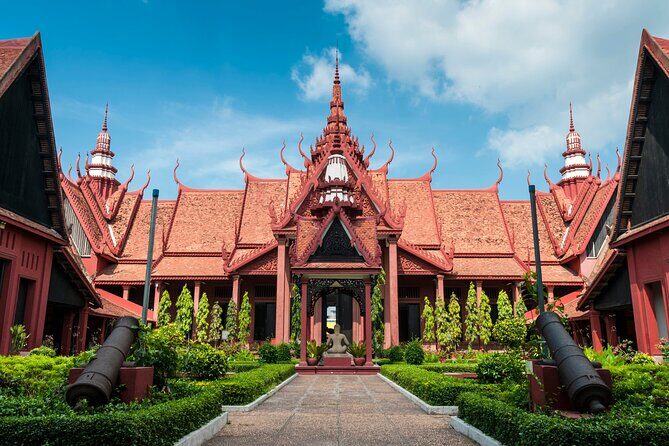
The next day has a lot of emotional weight, but it’s structured well. You visit the Royal Palace (built in 1866), then head to the National Museum, which focuses on Khmer art and sculptures. That museum stop is a big value add. Without it, Angkor can feel like a wall of buildings. With it, you get the art-language that helps you “read” what you’ll see later.
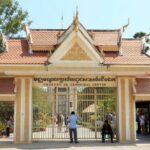
Then the tour moves into the city’s spiritual center with Wat Phnom, founded to house Buddhist relics. After lunch, you go to Tuol Sleng Genocide Museum (S-21), followed by Choeung Ek Killing Fields. These stops are not light, but they’re important. If you do this trip, go slowly here. You’ll learn how the Khmer Rouge years were documented and what happened outside the prison walls.
A quiet thought for you: pairing Royal Palace sights with genocide history is heavy. Still, it’s the reality of the place, and having guided context makes it easier to process.
You can also read our reviews of more private tours in Phnom Penh

Angkor Wat and Angkor Thom: Big Names, Strong Sequencing
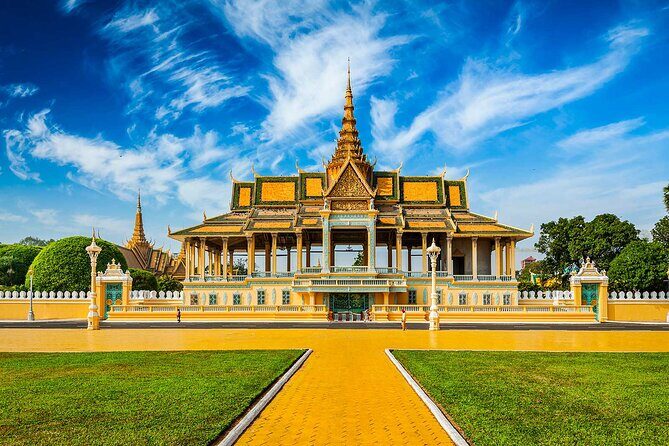
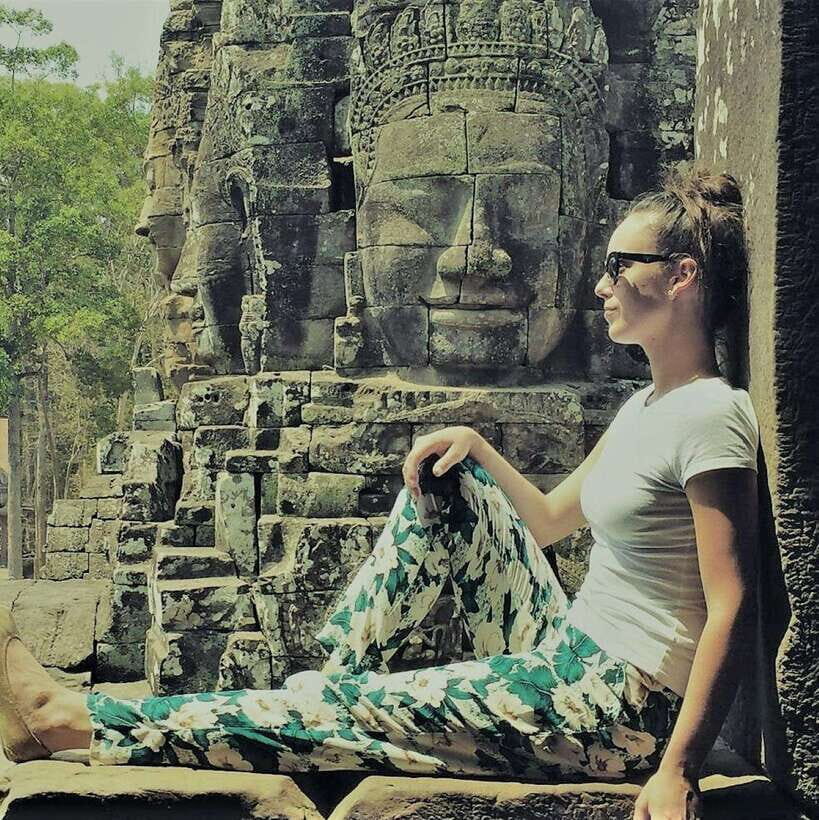
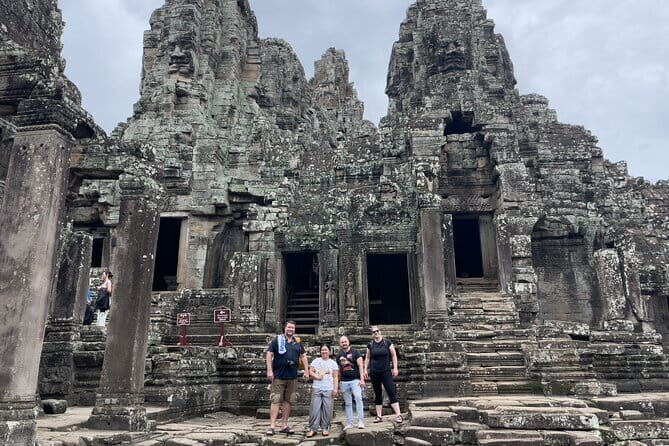
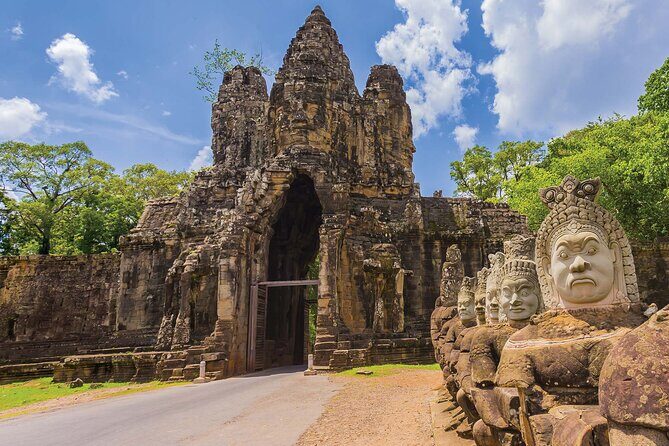
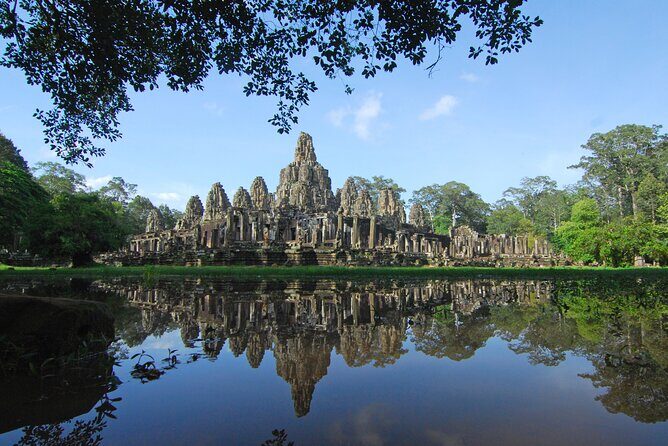
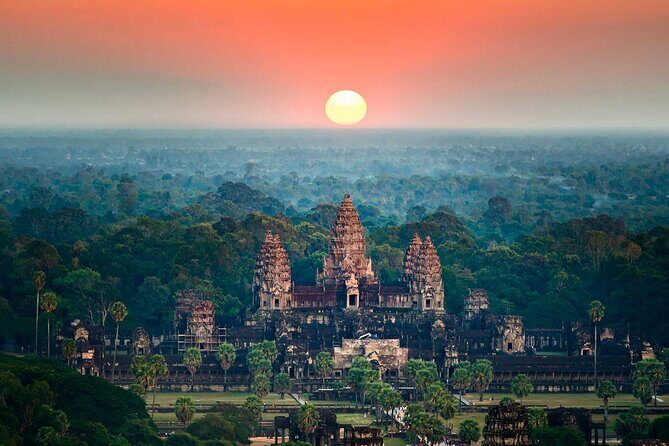
Angkor is the headline, and it earns it. On the first Angkor day, you start at the Angkor Thom South Gate, then step into the central spectacle of Bayon Temple, famous for faces carved on multiple sides. You’re not just walking ruins—you’re moving through a planned city logic that once ruled a massive kingdom.
From there, you continue with Baphuon, Terrace of the Elephants, Terrace of the Leper King, and Phimeanakas, before finishing with Ta Prohm and Angkor Wat.
Here’s why this sequence is smart for you. Bayon and the terraces give you the “power” side of Angkor—ceremonial space and royal messaging. Then Ta Prohm adds a totally different mood: trees and stones tangling together, with an almost cinematic feel. Finally, you land at Angkor Wat, with its bas-reliefs and guardian figures that reward time, even if you can’t see every detail in a single visit.
The trade-off is simple: this is a full day. You’ll be standing, walking, and climbing ramps. If you’re prone to knee pain, plan for slower pace and water breaks.
Banteay Srei, Preah Khan, and a Floating Village Ride
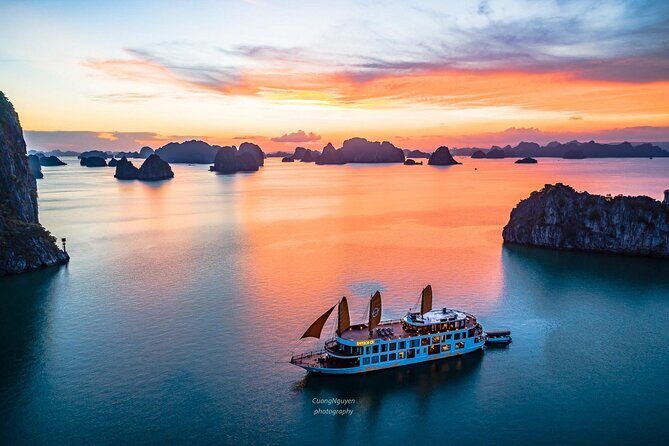
The next morning brings you to Banteay Srei, the famous pink sandstone temple with delicate sculpture work. This is the Angkor day for people who want precision and carvings—not just scale. It’s smaller than the big-city monuments, but it can feel more intimate because the craftsmanship is right in front of you.
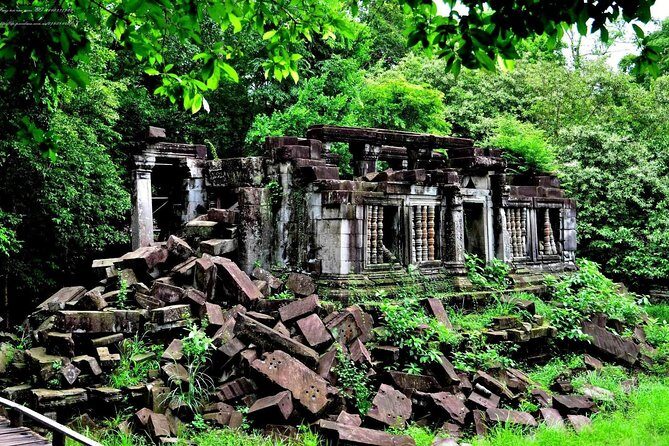
After that, you visit Preah Khan, built in the same style as Ta Prohm and in a better preservation state. The name here means sacred sword, and the temple has that “royal-religious complex” feeling—less like a lone temple, more like a living urban fabric.
After lunch, the tour shifts outward with Kampong Phluk Floating Village. You take an ox-cart ride through villages and rice fields, then have a coconut drink with a family. You also get time to see how life adapts to seasonal water levels—something you don’t get from the temple stones alone.
Then you fly to Hanoi the same day. That combo—temples, countryside, and a flight—works best if you treat it as one continuous chapter. The schedule is ambitious, but the internal flights reduce the worst transit fatigue.
Hanoi: Colonial Corners, Cultural Stops, and Evening Folklore
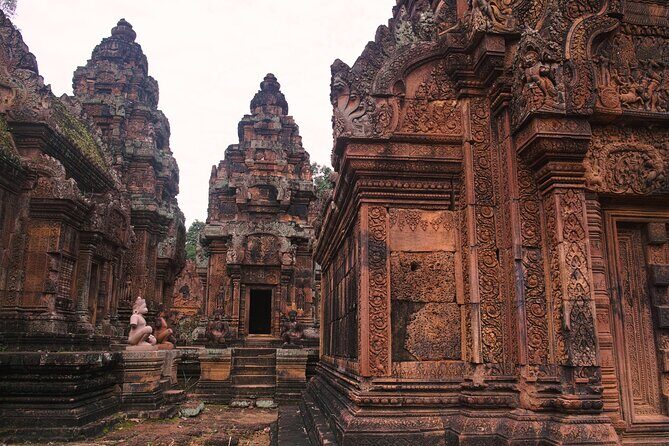
Hanoi days can be either chaotic or calm, depending on logistics. This one leans calm.
You start with the Ho Chi Minh Complex and Ba Dinh Square, then head to the Temple of Literature, built in 1070 and dedicated to Confucius. You’re seeing a place where education and state power overlap. Next is the Museum of Ethnology, which covers Vietnamese history through objects and images—so you’re not only stuck with politics and architecture.
Later you drive through colonial-era Hanoi and make time for the Hanoi Opera House area. Then you visit Hoa Lo Prison, known for its later use as a detention site. It’s a museum stop that adds context for modern history, not just war headlines.
The tour also includes Tran Quoc Pagoda near West Lake and a cyclo ride through the Old Quarter’s 36 streets. The cyclo part helps you slow down. You can take in the shop houses and street rhythm without sprinting for photos.
In the evening, you get Thang Long Water Puppet—a North Vietnamese tradition tied to rural folklore. It’s short, it’s different, and it’s one of the easiest ways to add local culture after a long day of museums.
Halong Bay Overnight Cruise: Why the Overnight Matters
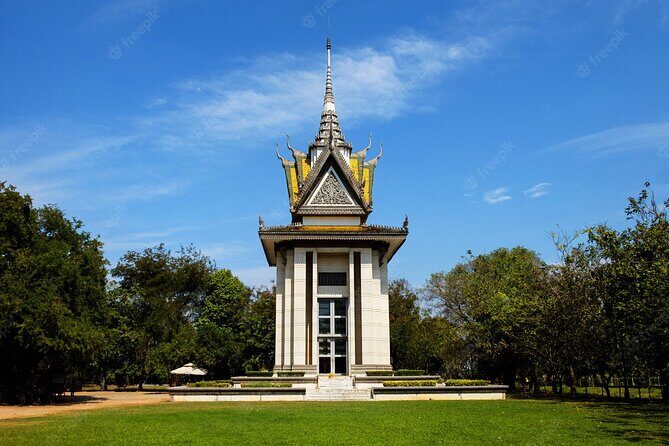
On the way to Halong Bay, you travel northeast from Hanoi and start your one-night cruise on a traditional ship. Halong Bay is famous for a reason, but the best part of this kind of itinerary is time. Day trips can feel rushed. Overnight gives you a more human pacing: you see the bay in softer light and you’re not constantly fighting the clock.
You get a morning view on the water with tea or coffee, breakfast in the open air, then a visit to Vung Vieng fishing village by rowboat. That’s a key balance point: you see the natural scenery, but you also meet the people who work the water.
Practical note for you: cruises mean limited control over timing and comfort. But because your tour includes the cruise itself, you’re not scrambling for boat availability or negotiating the details on your own.



Hoi An: Old Town Walking, Cyclo Sights, and River Time
After Halong Bay, you fly to Da Nang and transfer to Hoi An, then spend a full day in the heritage zone.
You visit the Japanese Covered Bridge, then ride by cyclo to the Old House of Phung Hung, the Fukian Assembly Hall, and the Old House of Tan Ky. These stops work well because they show Hoi An as a trading crossroads—Japanese influence, Chinese community history, and Vietnamese family architecture in the same walking circuit.
Then you go for a riverboat ride along the Thu Bon River, plus a boat-building village visit. This gives you texture beyond the postcard streets.
After lunch, you get free time to explore on your own, which I think is essential. Hoi An is one of those places where you’ll want an unscheduled hour to wander, snack, and sit down. In the evening, there’s a Hoi An Memories Show, a cultural performance with historical themes.
A small caution: Hoi An’s old town can get busy. If you want a calmer feel, use your free time early or later in the day.
Hue: Imperial Citadel, Tombs, and Perfume River Boat Moments
Hue is where the trip starts to feel more reflective. You drive in scenic coastal scenery to Hue, visiting major tomb sites like Tomb of Tu Duc and Tomb of Khai Dinh. Both are UNESCO-worthy in mood if not just design—open grounds, stonework, and the sense that these tombs were built to last beyond a single reign.
Then you explore the Hue Imperial City (the Citadel), and later use a pedal cyclo to see the imperial layout, including areas linked to official and personal spaces of emperors.
The next day focuses on the river and spiritual atmosphere. You visit Thien Mu Pagoda, a seven-story octagonal tower built in 1844, then cruise along the Perfume River and view boats on the water.
Finally, you see the Mausoleum of Emperor Minh Mang—set on a pine hill by the river and often considered among the most beautiful. Hue is a good place for you if you want “slow tourism with meaning.” It’s still structured, but it doesn’t feel like a sprint.
Then you fly to Ho Chi Minh City.
Saigon: War Memory, French Landmarks, and Market Energy
In Ho Chi Minh City, you start with a visit to the Cu Chi Tunnels at Ben Duoc. Exploring three-story-deep tunnels and chambers is intense, and it helps you understand the war from the ground level. This is not a light add-on—it’s a major experience block.
After lunch, the tour continues through Saigon landmarks shaped by colonial influence. You stop at Saigon Notre Dame Cathedral and the Central Post Office, a striking building with French, Gothic, and Renaissance influences. Then you visit the Independence Palace—the end-of-war site for April 1975.
The War Remnants Museum rounds out the theme, with exhibits intended as a peace message and a record of war’s human and physical costs.
After that, you shift into life and commerce: Ben Thanh Market for shopping time, then a stroll around Ho Chi Minh Square bordered by City Hall, the Rex Hotel, and restaurants.
One consideration: this day can feel emotionally heavy plus physically active. If you’re sensitive to war imagery, plan to pace yourself in the museums and take short breaks.
Mekong Delta: Cai Be Sampan Cruise and Tropical Lunch Setting
On your Mekong day, you first go to My Tho, then transfer to the Cai Be jetty and set out on a Cai Be Princess sampan cruise. You’re welcomed with cold towels and a refreshing drink—small comfort that makes the experience feel cared for.
The cruise includes Le Longanier Restaurant where lunch is served in a colonial-style villa setting, surrounded by tropical gardens and fruit trees. It’s a pleasant contrast to museums and tunnels, and that contrast is part of the value. You get history and hardship earlier, then you get a slower, nature-and-food rhythm.
If you like river travel and want a different view of everyday life, this day delivers.
Price and What You’re Actually Paying For
At $4,360 per person for 13 days, you’re not just paying for sightseeing. You’re paying for a private structure that covers the big friction points in Southeast Asia: internal flights, guides, private vehicle transfers, and multiple entrance fees.
Look at what’s included:
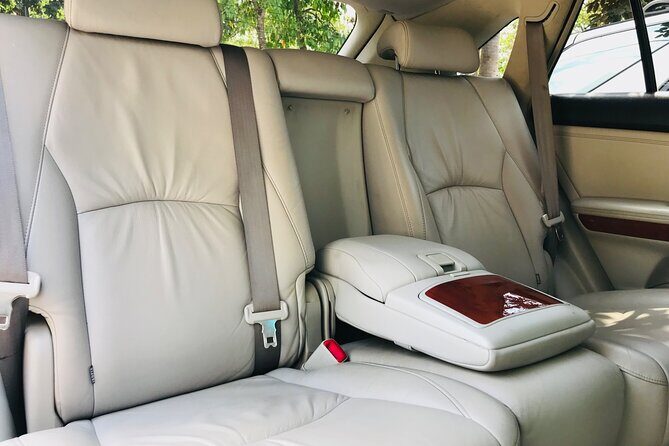
- Private transportation with air-conditioning and drivers
- A professional licensed English-speaking guide
- All entrance fees listed in the plan
- Domestic flights plus region-to-region flights inside the itinerary
- Hotel stays across Cambodia and Vietnam, including an overnight Halong Bay cruise cabin
- Daily breakfast, plus lunch (6 times) and one included dinner
- 3 bottles of mineral water per person per day
- VAT and taxes/service charges
For you, that means fewer days spent scheduling, hunting tickets, and dealing with translation friction. It’s usually the difference between a trip that feels “worked” and a trip that feels like you can pay attention.
The only real downside baked into the price is that you’re committing to a fixed route. If your dream is to wander off-script daily, this kind of private program may feel too structured. But if you want reliable flow and strong guiding, it’s a fair match.
Who This Tour Fits Best
This is a strong fit if:
- You want private guiding and airport meet-and-greet instead of DIY logistics
- You care about UNESCO sites but also want real-life experiences like floating villages and river cruising
- You like the mix of Cambodia’s temples and Vietnam’s cities, war memory, and water scenery
- You value a plan that includes most major transit and entry details
It might not be ideal if:
- You dislike early mornings and full museum/temple days
- You hate tight daily pacing (especially around Angkor and the war-history blocks)
Should You Book It?
If your top goal is to see Angkor Wat, then pair it with Vietnam’s classic “big three” of Hanoi, Halong Bay, and Hue, plus Saigon and the Mekong, I’d say yes—book it. The biggest reason: the tour handles the hardest logistics (private transfers, flights, entrance fees, and multi-day boat time) so you can focus on the actual places.
My practical advice: pack for heat and long days, and treat the history-heavy stops as moments to slow down, not speed through. If you do that, this tour won’t just check boxes. It’ll give you a connected route through Cambodia and Vietnam—temples, rivers, and the stories in between.
FAQ
Is this a private tour?
Yes. The experience is listed as private, meaning only your group participates.
Are airport pickups included?
Yes. Pickup is offered, and the tour includes transfers on the tour’s start and end points.
How do flights work during the trip?
Domestic flight tickets are included for several legs inside the itinerary, including Phnom Penh to Siem Reap, Hanoi to Danang, and Hue to Ho Chi Minh City, with other included flights as specified.
Which UNESCO World Heritage sites are included?
The tour includes UNESCO World Heritage visits including Angkor, Hue (imperial sites), and Hoi An.
Do I get an overnight cruise on Halong Bay?
Yes. The itinerary includes a one-night cruise on Ha Long Bay on a traditional ship.
Is there a river cruise in Hue?
Yes. You’ll cruise along the Perfume River in Hue.
Do you include a Mekong Delta cruise?
Yes. You’ll take a cruise from Cai Be on a sampan, including time ending at Le Longanier Restaurant.
What meals are included?
Daily breakfast is included. Lunch is included multiple times, and one dinner is included. Meals not listed as included are not covered.
Are entrance fees covered?
Yes. All entrance fees at the places listed above are included.
How much can I cancel and still get a full refund?
You can cancel up to 6 days in advance for a full refund, with the cutoff based on local time at the experience start.
Who provides the guide service?
You’ll have a professional licensed English-speaking guide along the way.