REVIEW · ANGKOR WAT
Two Days Angkor Wat Park-Beng Mealea and Kampong Phluk Village
Book on Viator →Operated by Toptrip Inspire Cambodia · Bookable on Viator
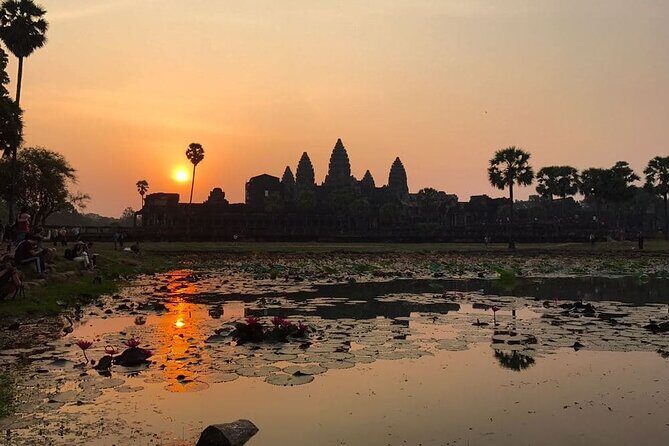
Sunrise in Angkor is a cheat code. You start very early (around 5 AM) to catch the light at Angkor Wat before the day thickens, and that timing makes everything feel calmer. I also liked how the guide work keeps the temples readable, not just crowded stone, especially with Thom sharing stories while you move.
I love the way this tour covers the “must see” Angkor styles in one efficient loop on Day 1. You hit Bayon, Baphuon, the Terrace of the Elephants, and Ta Prohm without wasting time bouncing randomly, so you leave with a clearer sense of how the city changed over time. The second half of Day 2 slows you down with Beng Mealea in a jungle setting, plus a real look at everyday life around Tonlé Sap.
One thing to plan for: the price covers the guide, vehicle, and water, but temples fees and the boat fee at Kampong Phluk are not included. If you hate early starts or don’t like heat, you’ll want to pace your day and bring the right gear.
In This Review
- Key highlights I’d circle
- Early 5 AM Angkor Wat Sunrise Without the Crowd Crunch
- Day 1: Angkor Thom South Gate to Ta Prohm in One Smart Loop
- Angkor Wat at dawn, then Ta Prohm time after
- Angkor Thom South Gate (fast photos, then move)
- Bayon Temple (the faces that pull you in)
- Baphuon (pyramid style, climb-like perspective)
- Terrace of the Elephants (quick views, plus a walking pass)
- Phimeanakas (walls and former royal compound feel)
- Ta Prohm (the jungle temple moment)
- Beng Mealea: When Angkor Gets Wild
- Kampong Phluk Floating Village and the Small Boat Time
- Why Banteay Srei Fits on Day 2
- Price and Logistics: What the $260.69 Covers (and What It Doesn’t)
- Thom’s Guide Style: Stories That Make Stone Make Sense
- Practical Tips for Two Days of Angkor, Jungle, and Water
- Who This Tour Suits Best
- Should You Book This Two-Day Angkor Wat, Beng Mealea, and Kampong Phluk Tour?
- FAQ
- What’s the main focus of this two-day tour?
- How long is the tour?
- Is pickup included?
- Is this a private tour?
- Who provides the guide, and what language?
- Are temple admission fees included?
- How much is the boat fee at Kampong Phluk?
- Is drinking water provided?
- What ticket type do I receive?
- Can I cancel for a refund?
Key highlights I’d circle
- 5 AM Angkor Wat sunrise with a calmer start so photos and temple moments feel less rushed
- Thom’s storytelling that connects temple features to what Cambodians see and remember
- Day 1 smart routing through Angkor Thom and Ta Prohm for the biggest visual payoffs
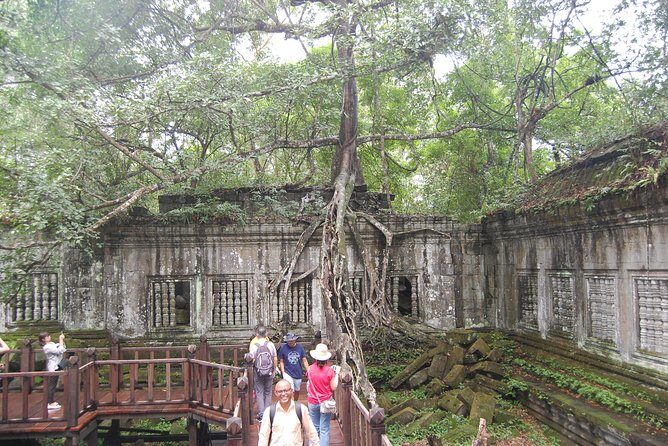
- Beng Mealea for a more wild, less restored jungle ruin vibe than the main circuit
- Kampong Phluk small-boat time (extra time matters here, and you pay a boat fee)
- Banteay Srei added on Day 2 for pink sandstone and very fine carving detail
Early 5 AM Angkor Wat Sunrise Without the Crowd Crunch
Angkor Wat at sunrise is the moment most people come for, and the biggest advantage here is the early start. Starting around 5 AM means you get the light with fewer people pushing for the same angles, so your attention stays on the temple lines and atmosphere instead of the stampede.
After dawn, you keep moving right away. That matters because Angkor is one of those places where the early hours set your whole day mood. If you later arrive mid-morning, the temples can still be great, but the experience feels like a checklist. Here it feels like you’re already inside the story when the sun climbs.
Practical note: it’s still Cambodia. You can be cold at first and then hot fast. Bring layers you can shed quickly, and plan to keep drinking water during the day.
You can also read our reviews of more tours and experiences in Angkor Wat
Day 1: Angkor Thom South Gate to Ta Prohm in One Smart Loop
Day 1 is built like a route, not a random wandering day. You’ll get picked up in Krong Siem Reap and ride in an air-conditioned vehicle, which you’ll really appreciate once the heat settles in.
Here’s how the stops feel, in the real-world order you’ll experience them:
Angkor Wat at dawn, then Ta Prohm time after
You begin at Angkor Wat for sunrise and then continue temple time right after. The schedule gives you time to look slowly, not just snap a few photos and rush off. The payoff is you see Angkor Wat in two modes: first as a quiet dawn scene, then as a functioning temple complex as the day opens up.
You’ll also continue onward to Ta Prohm later. That jungle-temple contrast is important: it stops the day from feeling repetitive.
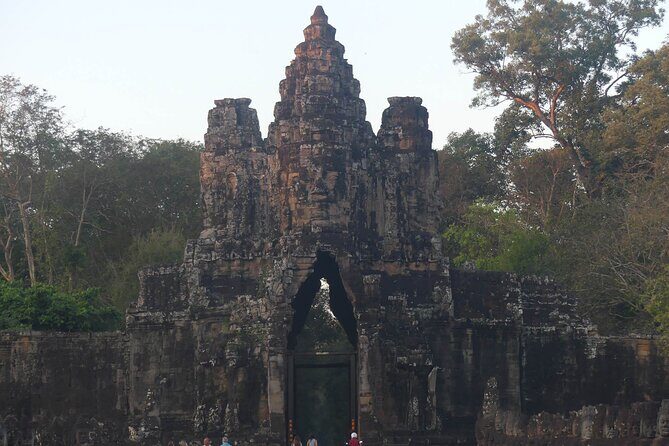
Angkor Thom South Gate (fast photos, then move)
You stop at the South Gate for photos, then you head onward. The time is short (about 20 minutes), so come ready with your picture plan. This is a great stop for framing wide shots because the gate structure sets a strong visual “entry” feeling into Angkor Thom.
Bayon Temple (the faces that pull you in)
Bayon is where you start feeling the center of Angkor Thom. You’ll spend about an hour here, and that’s enough time to notice how the carvings repeat across angles. Bayon can be visually overwhelming if you rush, so having a guide to point out what you’re actually looking at helps you slow down.
Baphuon (pyramid style, climb-like perspective)
Next is Baphuon, described as a top picturesque pyramid style temple. You’ll have about 45 minutes. This stop rewards you for taking a moment on the paths to view the structure from different sides. The architecture reads better when you pause instead of walking straight through.
Terrace of the Elephants (quick views, plus a walking pass)
The Terrace of the Elephants stop is brief (around 20 minutes), with time to enjoy the views and walk past the terrace areas. You won’t have hours here, so treat it like a visual preview and keep your eyes open for the carvings and layout rhythm.
Phimeanakas (walls and former royal compound feel)
You then pass through Phimeanakas, including the wall area tied to the former royal place and small temples in the compound. This is one of those stops where the guide’s context makes a big difference. Without that, it can feel like “another temple.” With it, you start seeing how the royal center was structured.
Ta Prohm (the jungle temple moment)
You finish Day 1 at Ta Prohm, the famous jungle temple. You’ll spend about an hour here. The key is to slow down and let the setting do its work: roots, stone, and the way the temple appears swallowed by greenery. It’s the kind of place where photos look good, but your enjoyment rises if you take a few minutes just to watch how people move through the space.
Beng Mealea: When Angkor Gets Wild
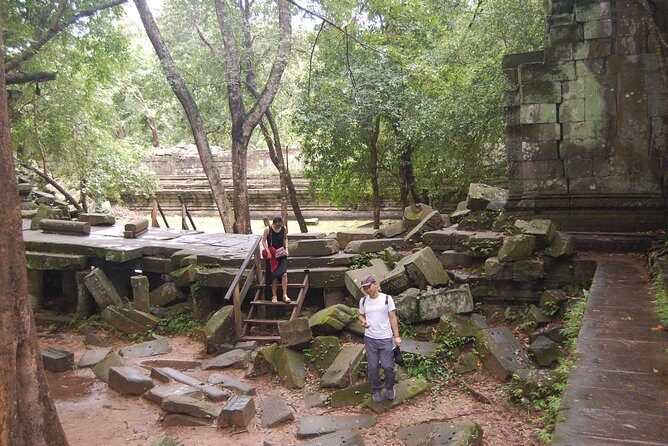
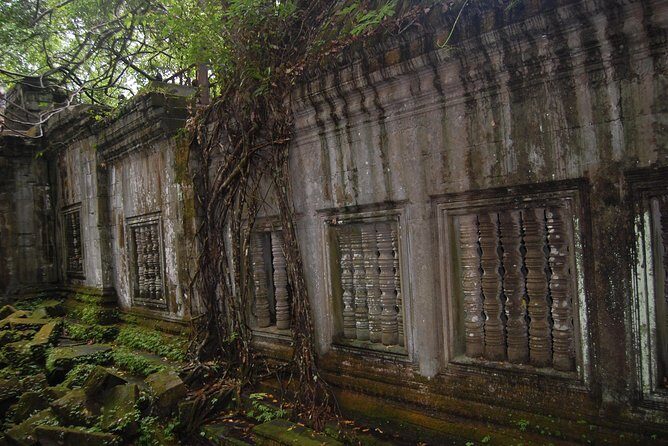
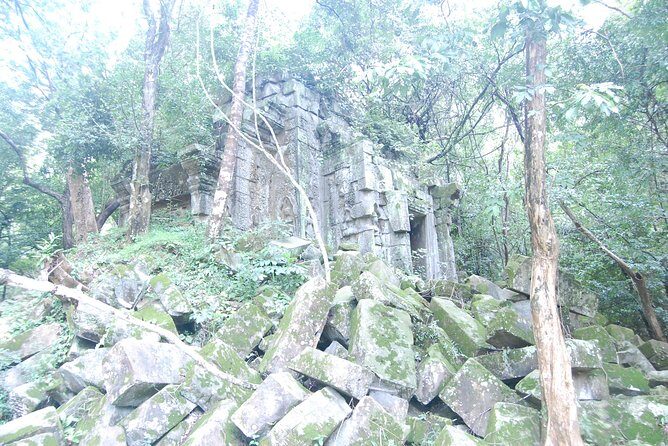
Day 2 starts by taking you away from the main temple crowds. Beng Mealea is the “jungle sanctuary” style ruin stop, and it’s described as not 100% revamped, which is a big clue about what to expect. This isn’t the polished circuit feel. It’s more raw, more overgrown, and more atmospheric.
You’ll spend about 1.5 hours at Prasat Beng Mealea. That timing is smart because the site can look similar across different angles if you rush, but it also changes as you find paths and view elevations. A guide helps here because you can focus on what matters instead of guessing where you’re supposed to walk.
My practical advice: wear shoes you trust. Beng Mealea can be uneven, and you don’t want to spend the day thinking about your footing.
Kampong Phluk Floating Village and the Small Boat Time
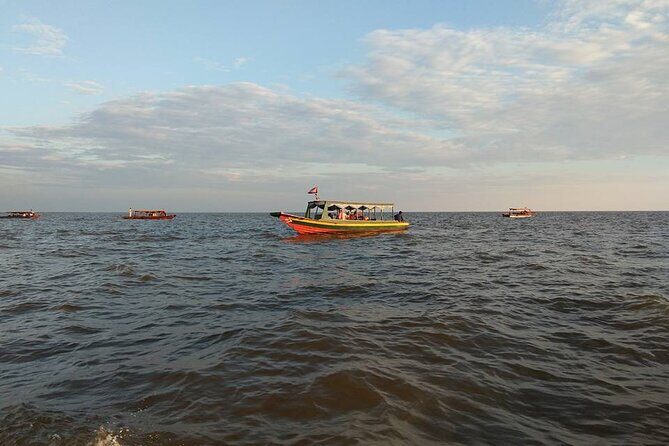
After Beng Mealea’s jungle ruins, you head to Kampong Phluk Floating Village for about 2 hours. This stop is a culture shift on purpose. Temples are stones and symbols; Kampong Phluk is daily life tied to water, boats, and the rhythm of Tonlé Sap.
The tour notes a boat fee of $25 per person, and that’s important because it changes the experience. One review specifically encouraged taking extra time for the small boat. I agree. The boat portion is where the setting clicks, because you can see the waterways and stilt-life from the angle land can’t provide.
You’ll also be spending time in a broader village context (Kampong Phluk / Kampong Khleang area and the lake). That gives you a chance to watch how people build, move, and live around water levels.
Two practical tips here:
- Bring a light layer even if it’s hot. Breeze on the water can cool you.
- Keep your phone and camera secure. You don’t want to baby gear while you’re trying to enjoy the view.
Why Banteay Srei Fits on Day 2
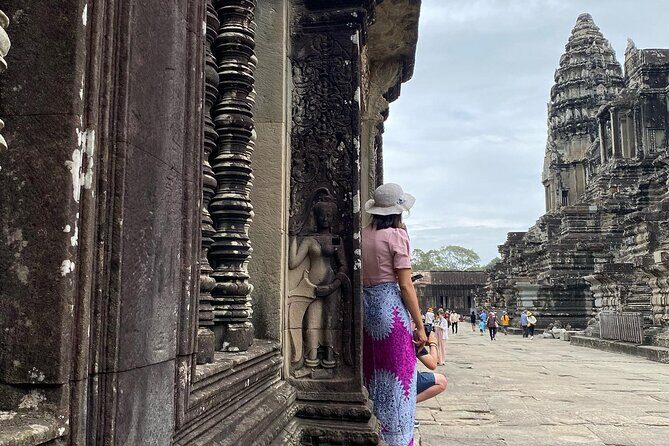
Day 2 includes Banteay Srei for about 1 hour. This is a very different temple style than the huge Angkor Wat / Angkor Thom scale. It’s described as a pink sandstone temple, known for strong carving detail.
Why this stop works on Day 2: it gives your eyes a break from wide stone structures and instead focuses on detail work. If you’ve already spent Day 1 looking at major city layouts, Banteay Srei feels like switching from a skyline to a close-up.
Don’t expect a long, slow soak here. The timing is shorter by design, so treat it like a final highlight where the carvings and color do the talking. If you’re the type who loves photos of textures, you’ll likely enjoy this part.
Price and Logistics: What the $260.69 Covers (and What It Doesn’t)
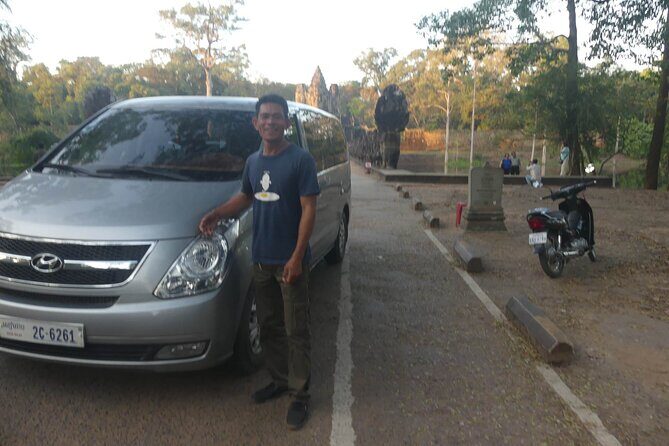
The listed price is $260.69 per group (up to 3) for the two-day experience. That’s not a bargain in the street sense, but it can be good value for what you get: a private setup, an English-speaking tour guide, and an air-conditioned vehicle plus drinking water.
Here’s what’s included:
- Pickup/transport in an A/C vehicle
- English speaking tour guide
- Drinking water
And what you’ll still pay for:
- Temples fee (not included at the stops)
- Boat fee at Kampong Phluk: $25 per person
- Travel insurance (not included)
So the real value question is: are you paying for comfort and interpretation, not just tickets. In Angkor, interpretation matters because you can easily stand in front of a wall of stone and miss why it’s special. With Thom’s guidance, the stops make more sense as you go.
Also check your group size during booking. The price is per group up to 3, but I’ve seen at least one four-person experience in this format, so it’s worth confirming what fits your exact party.
Thom’s Guide Style: Stories That Make Stone Make Sense
A recurring theme in the feedback is how good Thom is at guiding, and it’s the kind of quality that affects your whole trip. In the best moments, you’re not just hearing facts. You’re getting the small context that helps you notice carvings, layout choices, and cultural details that you’d otherwise skip.
One review highlighted that Thom steered people through two days of beauty and learning, tying temple details to local culture and even foods. That matters because Angkor isn’t only about temples. It’s about the people who live around these places, and the guide’s stories can help you see the bridge between the past and the present.
Another review said Thom made the experience work smoothly for someone with a slight walking disability. That suggests the guide keeps pacing in mind and helps you manage time in places that can get crowded or uneven.
This tour feels like it’s built around that human layer: a clear plan, but also someone keeping the experience comfortable and understandable.
Practical Tips for Two Days of Angkor, Jungle, and Water
Two days in this region can be intense if you go in without a plan. Here’s what I’d do to make it easier on you.
Start with shoes you can trust. You’ll be walking across temple compounds, plus more uneven terrain at Beng Mealea. Don’t wear footwear that you only tolerate on flat sidewalks.
Pack for quick temperature shifts. Sunrise can feel cool, then it’s hot fast. A light layer and a hat pay off.
Bring small, practical gear. You’ll want sunscreen, bug spray, and a reusable water bottle even though water is provided. Heat + long days make extra water feel worth it.
For the boat, assume you’ll want extra time. The guidance to take extra time for the small boat is on point. If you rush it, you miss the best part of the Kampong Phluk angle.
Have your photo strategy ready. Some stops are short (like the South Gate), so plan your framing and then move. You’ll get better shots by not overthinking every minute.
Who This Tour Suits Best
This tour is a great match if you want:
- A sunrise start at Angkor Wat without getting crushed by crowds
- A structured, not chaotic, Day 1 across major Angkor Thom sights
- A shift to jungle ruins at Beng Mealea on Day 2
- A culture stop with real local life at Kampong Phluk
It also fits small groups well since it’s described as private, meaning only your group participates. If you’re traveling with friends or family and you want a guide to keep things flowing, this format is ideal.
If you hate early mornings, or you’re expecting temple time that feels unstructured and slow, you might feel rushed. But if you like a tight plan that still leaves room to look closely, this is strong.
Should You Book This Two-Day Angkor Wat, Beng Mealea, and Kampong Phluk Tour?
I’d book it if you want a smart mix: famous icons plus a jungle day, with a guide who can explain what you’re seeing. The early Angkor Wat sunrise timing is the big reason, and it pairs well with the efficient Day 1 routing.
I’d hesitate if you’re budget-tight for fees, because temples fees plus a $25 per person boat cost add up. I’d also think carefully if you dislike heat or uneven ground, since Day 1 and Beng Mealea both involve walking.
If your goal is to come away with more than photos, this tour has the right ingredients: good pacing, a real guide voice in Thom, and two different kinds of Angkor experiences back to back.
FAQ
What’s the main focus of this two-day tour?
It’s centered on seeing Angkor Wat at sunrise, then exploring major Angkor Thom temples, followed by Beng Mealea and a cultural visit to Kampong Phluk.
How long is the tour?
The duration is listed as about 2 days.
Is pickup included?
Yes, pickup is offered, with the start location in Krong Siem Reap.
Is this a private tour?
Yes. It’s listed as a private experience where only your group will participate.
Who provides the guide, and what language?
The tour includes an English speaking tour guide.
Are temple admission fees included?
No. Temples fee is not included, so you’ll need to pay those separately.
How much is the boat fee at Kampong Phluk?
The boat fee is listed as $25 per person.
Is drinking water provided?
Yes. Drinking water is included.
What ticket type do I receive?
The tour includes mobile ticket.
Can I cancel for a refund?
Yes. You can cancel for a full refund up to 24 hours in advance of the experience start time.