REVIEW · ANGKOR WAT
2-Days in temples and other areas
Book on Viator →Operated by ASEAN Adventure · Bookable on Viator
Angkor can feel like a blur. This private, two-day route keeps the must-sees (like Angkor Wat and Bayon) while also sending you to lesser-frequented temple zones such as Preah Khan and Neakphoan.
I especially like two things: you get a real private guide who adjusts to your pace, and the itinerary mixes classic highlights with quieter Khmer-era sites so the photos and the stories both feel fresh. The one downside to plan for is that key costs are not included: temple tickets, food, and the boat for Tonle Sap are extra, so your total spend depends on what you buy on the day.
In This Review
- Key things that make this tour work
- Two Days in Angkor: Why This Route Feels Less Like a Checklist
- Hotel Pickup, Van Comfort, and Paper Tickets That Keep It Simple
- Day 1: Angkor Wat, Bayon, and Ta Phrom Without the Rush
- Angkor Thom city and Bayon complex
- Angkor Wat
- Ta Phrom
- Lunch at Angkor Archaeological Park (paid by you)
- A smart evening plan
- Day 2: Preah Khan, Neakphoan, Preruk, and Banteay Srey
- Preah Khan: Jayavarman VII and his father
- Neakphoan: the island temple in Jayatataka baray
- Preruk: a Hindu state temple
- Banteay Srey: Shiva and Parvati
- Lunch again (paid by you), then Tonle Sap Lake
- The Real Secret Sauce: Narin’s Flexibility and Small Fixes
- Price and Value: What $261 Really Buys (and What It Doesn’t)
- What to Wear and Bring for Angkor (So Your Day Stays Fun)
- Who This Tour Fits Best
- Should You Book This Two-Day Temple and Tonle Sap Tour?
- FAQ
- Is this a private tour?
- What’s included in the price?
- What costs are not included?
- Do I get hotel pickup and drop-off?
- What will I see on the first day?
- What will I see on the second day?
- What clothing should I plan for?
Key things that make this tour work
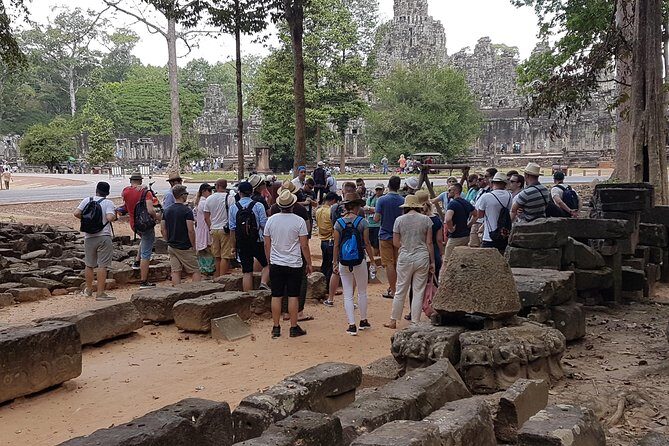
- Private pacing with Narin: you don’t have to march with a crowd.
- Big temples plus calmer ruins: Angkor Wat and Bayon, then Preah Khan and Neakphoan.
- Lunch is built in, but paid by you: convenient stops inside the day.
- Tonle Sap floating villages add a different Cambodia: temple time plus water life.
- Dress help can happen: bring covered knees and shoulders, but the guide may help if you slip up.
Two Days in Angkor: Why This Route Feels Less Like a Checklist
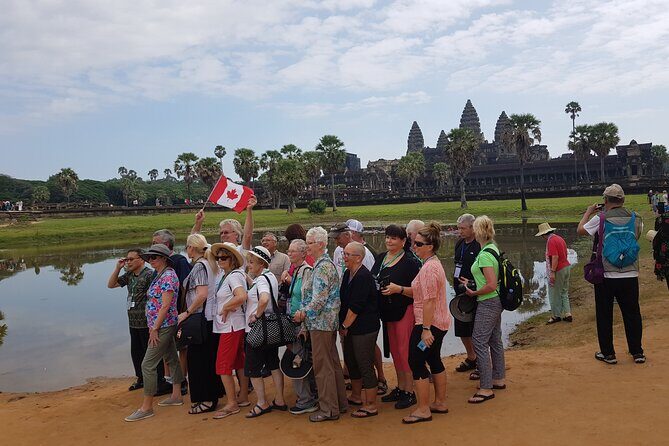
If you only have 48 hours, the main risk with Angkor tours is doing too much, too fast, with too little context. This plan is designed to avoid that. You still hit the headline sites, but the order and the spacing give you enough breathing room to notice carvings, layout, and how different temples connect to the city planning around them.
Day 1 focuses on the most famous cluster and gets you oriented fast. Day 2 shifts northeast and outward for temples tied to specific rulers and purposes, then finishes with Tonle Sap floating villages. That last change of scenery is not just a fun add-on; it helps you understand Angkor-era Cambodia as something connected to water systems, farming, and daily life—not just stone monuments.
The other big value: private transport plus hotel pickup. You’re not doing puzzle-piece logistics while your knees and patience protest. You’re in motion, but it’s guided motion, with water provided.
You can also read our reviews of more tours and experiences in Angkor Wat
Hotel Pickup, Van Comfort, and Paper Tickets That Keep It Simple
This is a private tour, meaning it’s just your group. You’ll be picked up from your hotel and dropped back after the two days, which matters in Siem Reap because travel time inside town and the traffic can eat your energy.
The tour includes a car or van, a guide, and water. That may sound basic, but it’s exactly what you want in heat. You can focus on temples instead of sorting out rides, meeting points, and constant short stops.
You’ll also receive a paper ticket for the experience. Paper may feel old-school, but it’s straightforward when you want quick check-in without app fuss.
Day 1: Angkor Wat, Bayon, and Ta Phrom Without the Rush
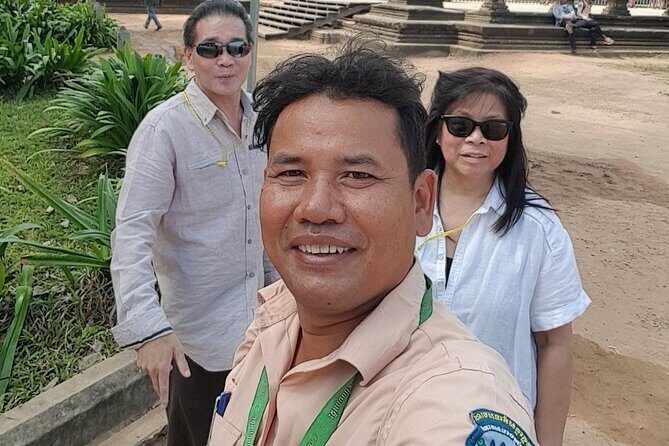
Day 1 is built around the big skyline temples: Angkor Wat, the Bayon complex, and Ta Phrom. You start by heading to Angkor Thom city, which is where Bayon fits in. Angkor Thom is not a single temple—it’s a whole ancient city plan—so getting there early helps you understand the geography before you zoom to the famous individual buildings.
Angkor Thom city and Bayon complex
Bayon is famous for its faces, but what I like about starting here is that it sets the tone. You see how rulers projected power through architecture and placement, then you carry that understanding into the next stops. It’s easier to read the complex when you’ve just arrived and your brain is still fresh.
Angkor Wat
Then you shift to Angkor Wat, the temple that gets everyone’s attention for a reason. It’s not just photogenic; the layout and scale make it feel like a whole system. If you’re someone who enjoys noticing how cause and effect show up in stone—pathways, courtyards, and where attention is directed—Angkor Wat rewards that kind of slow looking.

Ta Phrom
Finally, Ta Prohm is where the experience turns cinematic. It’s the temple many people recognize from pictures, but in real life the scale and the mix of stone and roots can be even more intense. I recommend using Ta Prohm as your reset moment. Let the crowd noise fade while you take in the details, then save your energy for tomorrow’s smaller sites.
Lunch at Angkor Archaeological Park (paid by you)
After morning temples, you stop for lunch in the Angkor Archaeological Park. Lunch is paid by you. The practical advantage is that you’re not spending your afternoon hunting food in a confusing zone. You get an organized pause, then you continue with less stress.
A smart evening plan
After you’re dropped back at your hotel, the tour recommends an evening Khmer dancing show or Khmer circus, plus local restaurants. That’s good advice because it balances the heavy walking with something local and relaxed.
Day 2: Preah Khan, Neakphoan, Preruk, and Banteay Srey
Day 2 is where the tour feels like more than the usual two-day highlight reel. You leave the central “poster temples” and go for sites tied to specific purposes and rulers. The result is a more rounded Angkor story, with different temple styles showing up one after another.
Preah Khan: Jayavarman VII and his father
Preah Khan was built in the 12th century for King Jayavarman VII to honor his father. It’s located northeast of Angkor Thom. One detail that makes this temple especially interesting is that it likely served as Jayavarman VII’s temporary residence while Angkor Thom was being built.
So when you walk around Preah Khan, you’re not only looking at stone. You’re imagining how leadership moved through the city during construction and why the temple complex had that civic and personal role.
Neakphoan: the island temple in Jayatataka baray
Next is Neakphoan, an island temple in the middle of the Jayatataka baray. Barays are water reservoirs, and that matters here. Neakphoan isn’t just a temple on land—it’s framed by water geography. Even if you don’t know all the terms, your eyes catch the difference, and you start to see Angkor as an engineered relationship between temples and water.
Preruk: a Hindu state temple
Then comes Preruk, a Hindu temple built as the state temple of Khmer king Rajendravarman and dedicated in 961 or early 962. That time window and the “state temple” role are useful context because Khmer religious life shifted over time, and these temples show you those layers instead of treating Angkor as one uniform style.
Banteay Srey: Shiva and Parvati
Finally, you visit Banteay Srey, a 10th-century temple dedicated to Hindu gods Shiva and Parvati. This stop gives you another angle on temple purpose—less about broad imperial signaling and more about devotion centered on specific deities.
Lunch again (paid by you), then Tonle Sap Lake
After these temples, you have lunch, again paid by you. Then you head to Tonle Sap Lake for the floating villages, and the boat is paid by you.
Tonle Sap is worth including because it changes the “temples only” feeling. You see daily life connected to water systems, and it makes Angkor’s water management feel less abstract. Even if you’re not a “boat person,” this portion is the kind of contrast that makes a two-day trip feel complete.
The Real Secret Sauce: Narin’s Flexibility and Small Fixes
The most consistently praised part of this experience is the guide. Many people highlight Narin—his friendly, helpful style and his ability to adjust. That matters more than most first-time visitors expect.
Here’s what that flexibility can look like in practice:
- Starting earlier to avoid the hottest hours, which can be a lifesaver if you’re heat-sensitive.
- Adapting the route to your interests and pace, instead of sticking rigidly to a timetable.
- Adding meaningful stops, like a landmine museum focused on finding and disarming them.
One story that stuck out: there was a moment when someone realized they were underdressed for the temples (Angkor Wat requires covered knees and shoulders). Narin asked another guide friend to lend clothing for coverage. That’s not something you should rely on as a plan, but it’s the kind of human support that makes the day run smoother when travel reality hits.
If you’re the type who likes history context plus practical help—where to stand, what to look for, how not to waste time—the guide experience is the main reason this tour earns a near-perfect rating.
Price and Value: What $261 Really Buys (and What It Doesn’t)
At $261 for roughly two days, you’re paying for an organized private setup: guide time, a car/van, hotel pickup and drop-off, plus water. That’s the core value, because the temples are spread out, and Angkor is not the place where you want to wing every transfer.
What’s not included is where you should budget. The tour doesn’t include:
- Temple tickets
- Food
- Boat for Tonle Sap
So the true cost is $261 plus what you spend on those day-of items. For many people, that’s still a good deal compared to trying to assemble everything yourself with separate taxis and unclear timing—especially if you value a calm, guided pace instead of hauling yourself between sites.
Also, the itinerary includes more than just the “most famous three.” It adds sites like Preah Khan and Neakphoan, which typically means less time sitting in traffic and more time seeing temples that don’t feel like a copy-paste crowd photo.
What to Wear and Bring for Angkor (So Your Day Stays Fun)
Angkor punishes bad planning in two ways: sun and dress rules. The dress note isn’t subtle. Angkor Wat requires covered knees and shoulders.
So do yourself a favor:
- Bring a light scarf or shawl you can throw over shoulders.
- Wear clothing that covers knees without feeling like you’re in a sauna.
- Choose comfortable walking shoes with grip.
Water is included, but you’ll still want sun protection and the kind of small flexibility that keeps you comfortable across multiple temple stops.
Heat plus uneven ground is the real combo. The tour recommends moderate physical fitness, which is fair: you’re doing a lot of walking and climbing over two days.
Who This Tour Fits Best
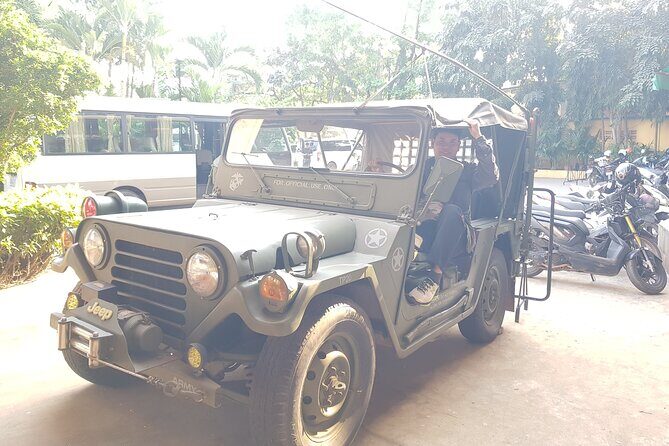
This tour is a strong match if you:
- Want a private, small-group experience instead of large group logistics.
- Prefer a guide who can steer your pace, especially in hot weather.
- Want both the iconic temples and the more specific Khmer-era complexes tied to particular rulers and purposes.
- Like adding a different Cambodia segment, which Tonle Sap provides.
It’s also a decent fit for families or couples who want the day to feel organized without feeling like a rushed conveyor belt. If you’re someone who enjoys practical local recommendations, the lunch and restaurant suggestions from the guide style can help you avoid the usual “where do we eat now?” scramble.
Should You Book This Two-Day Temple and Tonle Sap Tour?
I’d book it if you want the cleanest path through Angkor in two days: major highlights on Day 1, then more targeted sites on Day 2, ending with Tonle Sap for a strong change of scenery. The private format and the guide’s flexibility are the big reasons this works.
Skip it (or at least reconsider) if you hate paying extra for tickets, food, and the boat. Also, if you’re expecting temples only with no thought for clothing rules and walking stamina, you’ll likely find Angkor demands more planning than that.
If you’re okay planning for those add-on costs and you want a guide-led route that feels human, this is a smart value buy for a short visit.
FAQ
Is this a private tour?
Yes. It’s a private tour/activity, so only your group will participate.
What’s included in the price?
The tour includes the guide, car/van transport, and water.
What costs are not included?
Temple tickets, food, and the boat are not included.
Do I get hotel pickup and drop-off?
Yes. Pickup is offered from your hotel, and when the tour finishes you’ll be dropped off back at your hotel.
What will I see on the first day?
You’ll visit Angkor Wat, the Bayon complex (within Angkor Thom), and Ta Phrom temples, with lunch in the Angkor Archaeological Park.
What will I see on the second day?
You’ll visit Preah Khan, Neakphoan, Preruk, Banteay Srey, and then go to Tonle Sap Lake to see the floating villages.
What clothing should I plan for?
Angkor Wat requires covered knees and shoulders, so plan clothes that meet that rule.