REVIEW · KAMPONG PHLUK
Tonle sap, Kompong Phluk (Floating village) Private Tour
Book on GetYourGuide →Operated by Angkor Wat Merge Tour · Bookable on GetYourGuide
That first look at Tonle Sap is a shock.
Kompong Phluk floating village feels real, not staged: you see stilt houses on the lake, walk through the day-to-day of a sustainable community, and pass key spots like a school and a pagoda as water levels change.
I especially love the way this trip explains daily life on the lake—how people shift between dry and wet seasons and use boats for work and school when the water rises. You’ll also enjoy how it helps you dodge the most overrun stops, while still delivering iconic views like mangroves and the floating forest.
One thing to watch: if you go in the dry season, the water can be extremely low, which can cut down the scenery you came for. And while the tour price is friendly, the trip can cost more once you add the big boat and any optional boat activities.
In This Review
- Key things I’d plan for
- Floating Kampong Phluk: Why Tonle Sap feels different
- What you’ll see: Village, school, pagoda, and floating forest
- Dry vs wet season: the water level risk you should plan around
- Sunset on the lake: why 2pm or 3pm starts are worth it
- Price and value: $23 is only the start of your budget
- Getting there and moving on the water: private comfort, real logistics
- Respectful visits: how to make the stops land well
- Who should book this private Kampong Phluk tour
- Should you book Kompong Phluk?
- FAQ
- How long is the Tonle Sap, Kampong Phluk private tour?
- What is the price for this private tour?
- What’s included in the tour price?
- What extra costs should I expect?
- Is a guide included?
- Is pickup included, and when should I be ready?
- What stops are part of the trip?
- Can I schedule this for sunset?
Key things I’d plan for
- Kampong Phluk floating village gives you intimate access to lake life, not a quick photo stop
- School and pagoda visits help you understand why the community is built where it is
- Floating forest and mangroves make the scenery feel like part of the ecosystem, not just a backdrop
- Water level matters a lot—dry season can mean less “floating” and more disappointment
- 2pm or 3pm starts can reward you with a sunset over the lake from the boat
- Budget for add-ons like the big boat, since it’s not included in the base price
Floating Kampong Phluk: Why Tonle Sap feels different
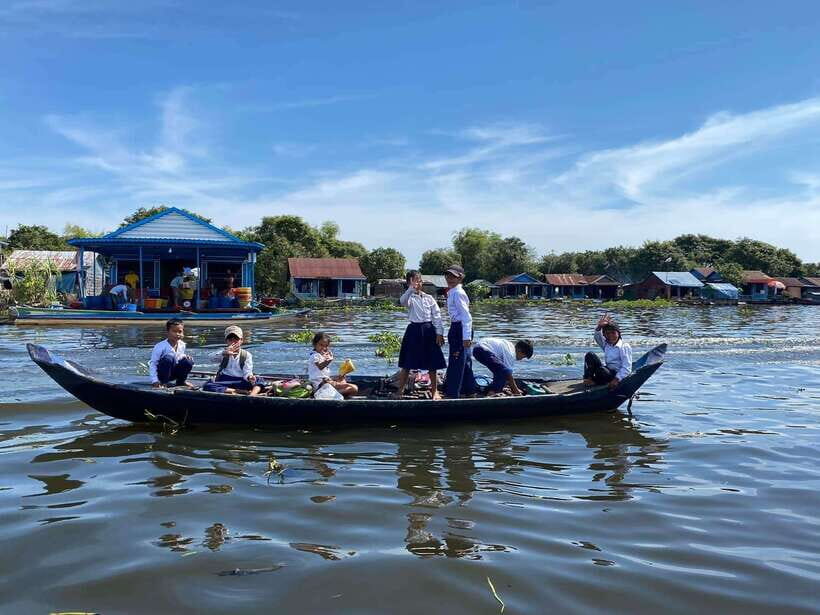
Tonle Sap isn’t a theme park. It’s a working lake, and Kampong Phluk is one of its best-known floating communities. The best part is that you’re not just looking at houses on stilts—you’re seeing how people live with the water, not around it.
The “floating village” label is accurate, but the mood changes with the season. In the wet season, the lake swells and daily movement becomes more boat-based. In the dry season, things can look flatter and less dramatic, even though the community is still functioning.
This tour is only about 5 hours, which is a blessing if you’re based in Siem Reap and want a big change of scenery without losing a whole day. The private-group setup also helps; you can move at a sensible pace instead of being herded.
You can also read our reviews of more tours and experiences in Kampong Phluk.
What you’ll see: Village, school, pagoda, and floating forest
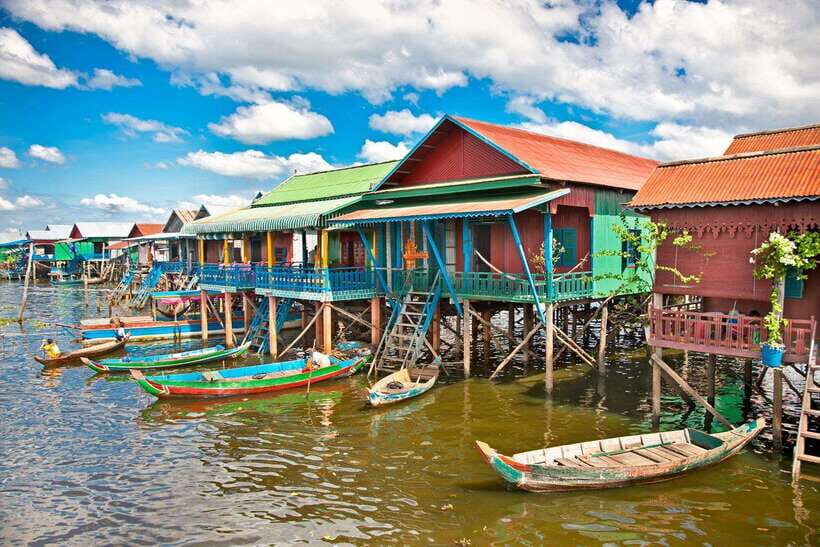
Your visit centers on the floating village area of Kampong Phluk and the sights that help you understand the place.
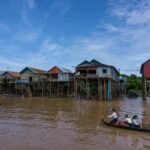
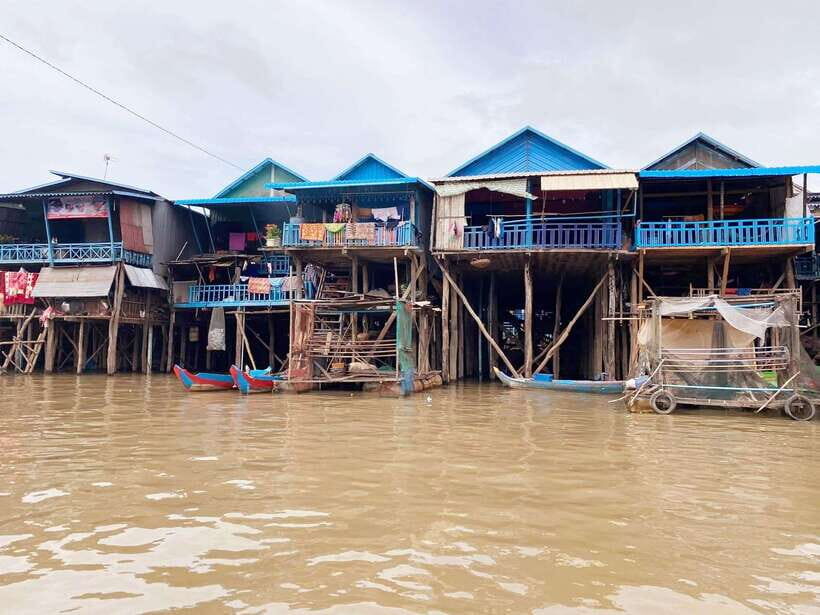
First up is the floating village itself: brightly colored homes raised on long poles along the lake shore. The important detail here is that high water levels don’t automatically mean disaster—those houses are built for the seasonal rhythm. That’s the kind of local engineering you miss when you only take skyline photos.
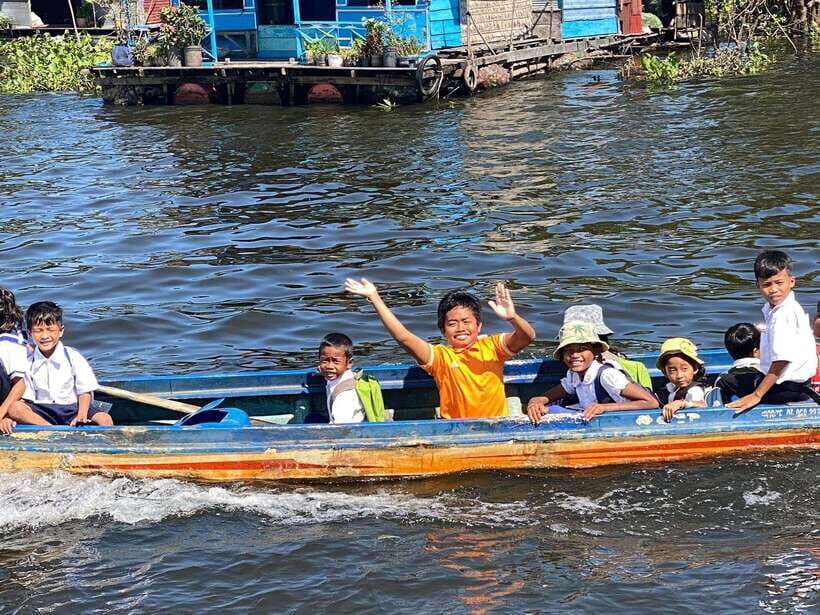
Next, you’ll pass through a school area. This is one of those stops that changes how you look at everything else. You start connecting the landscape to the people who use it every day, especially when you think about how children and families travel during different water conditions.
Then comes the pagoda. On Tonle Sap, religious spaces aren’t separate from daily life—they’re part of it. Even if you don’t know Khmer, the setting helps you read the community’s values in a practical way: these places matter beyond sightseeing.
Finally, you’ll see the floating forest. This is where the lake’s ecosystem becomes more than a view. The mangrove-style scenery and the floating greenery feel tied to the water level itself, not just planted for tourists.
You’ll likely get a strong “checklist” of core sights in one half-day: floating village, school, pagoda, and floating forest. The trade-off is that you’re not going to sit in one place for long enough to feel like you live there. If you want slow travel, you may wish you had an extra day.
Dry vs wet season: the water level risk you should plan around
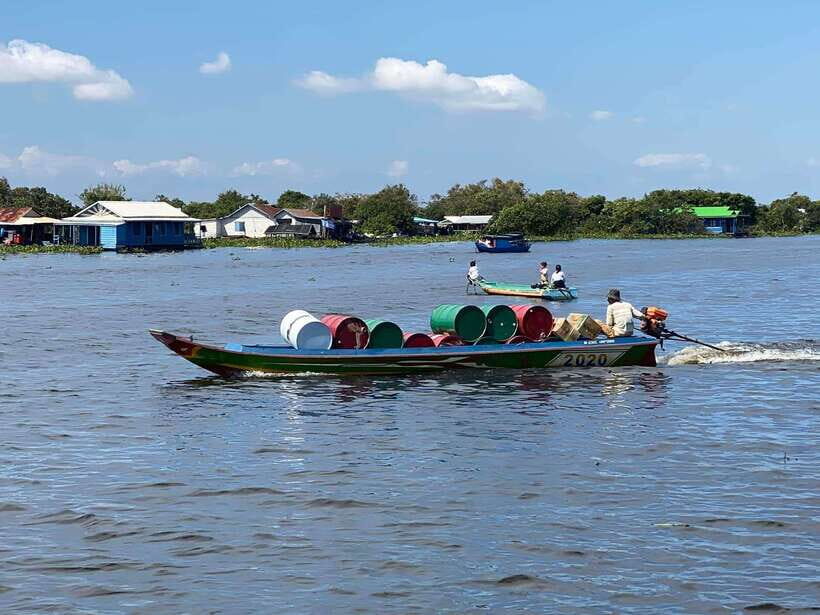
Water levels aren’t a small detail on Tonle Sap. They can be the difference between a memorable lake day and a flat, disappointing one.
If you’re traveling in the dry season, be cautious. One booking experience described the river water level as extremely low, which meant the scenery didn’t match expectations. That’s a real concern because the “floating” effect depends on depth and access routes.
Here’s how to protect yourself:
- If you’re flexible, choose dates closer to times when the lake is higher rather than lower.
- Ask your driver or operator what the water level is like right now before you lock in the day.
- If you’re set on going in the dry season, adjust expectations. You might still enjoy the community and the village stops, but the big wow factor of water scenery may be reduced.
This isn’t a reason to avoid Kampong Phluk. It’s a reason to avoid casual planning. Tonle Sap moves, and your experience moves with it.
Sunset on the lake: why 2pm or 3pm starts are worth it
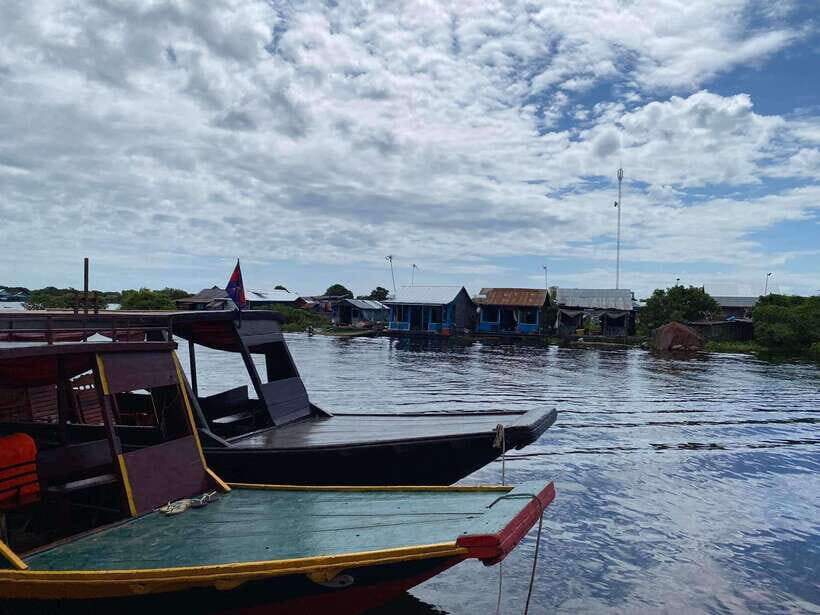
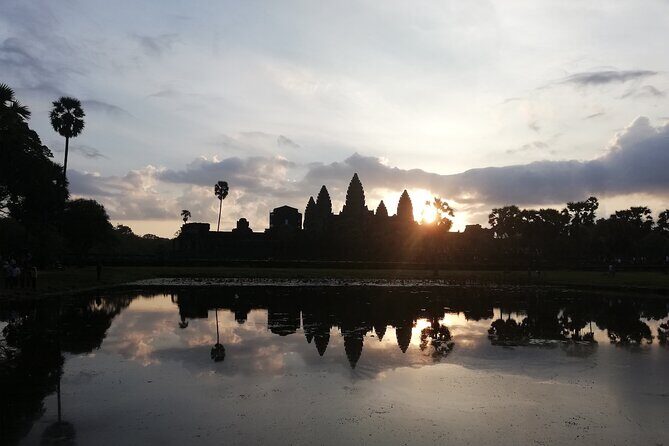
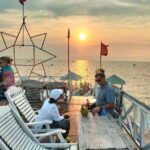
If you can choose your start time, aim for a 2:00pm or 3:00pm schedule. The reason is simple: you get a very nice sunset at the lake while you’re out on the boat.
A clear sky makes this feel unreal. One review specifically called out a clear day and described the sunset as beautiful enough to make the whole trip feel like a once-in-a-lifetime sight.
Also, sunset timing can make the village feel calmer. You’re not just moving through points on a map; you’re watching the light change the colors of stilt houses, mangroves, and the water itself.
If your schedule doesn’t allow that late start, don’t panic. You’ll still see the village and key stops. You just won’t get that end-of-day payoff from the water.
Price and value: $23 is only the start of your budget
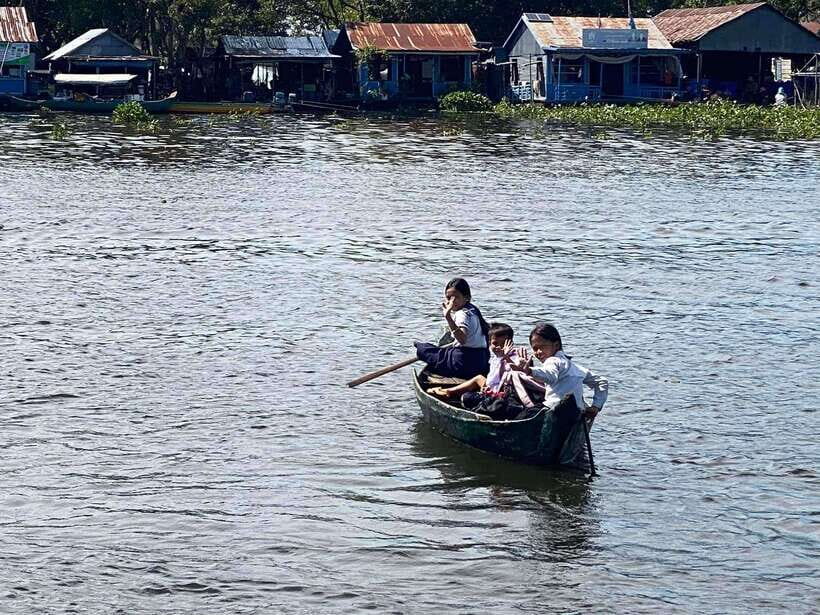
On paper, this private tour looks like a deal: $23 per group up to 4 for a duration of about 5 hours. That can be great value for families or friends traveling together, especially because pickup is included and you’re not paying per person for the base tour.
But here’s the honest part: the base price doesn’t cover everything you’ll likely want.
- The big boat is an added $20 per person.
- A tour guide is listed as not included.
- There’s also an entrance fee not included.
In one review, the cost breakdown felt unclear at first, with the base amount covering only hotel and port transfers. After that, additional boat payment was required per person. The same review also mentioned an optional add-on: a $5 paddle-boat segment to get into the mangroves from a floating restaurant area.
So how do you judge value fairly?
- If you split costs with up to four people, the $23 base can be genuinely affordable.
- If you’re traveling solo, the per-person big boat cost becomes the real anchor of the trip price.
- If you want the best experience, you should assume you’ll pay for boat access—because that’s how you get into the key areas.
My advice: ask directly what the mandatory boat cost is for your date and whether any extra boat segments are optional or expected. That one question saves a lot of frustration.
Getting there and moving on the water: private comfort, real logistics
This tour uses a private setup with a tuk-tuk pickup. You’ll wait in the lobby about 10 minutes before departure. That kind of simple timing matters because it keeps the half-day from slipping.
Transport is the reason you feel the Tonle Sap change so quickly. You start on land in Siem Reap, then you’re routed toward the lake where stilt houses and mangroves start to appear. Once you’re on the water, the day becomes about small moments: boat glides, shoreline views, and quick transitions between the village, school/pagoda areas, and the floating forest.
Where you end matters too. After the tour, you can either go back to your hotel or ask the driver to drop you in central spots like the market or Pub Street. That’s a practical way to keep your day flowing instead of wasting time backtracking.
Respectful visits: how to make the stops land well
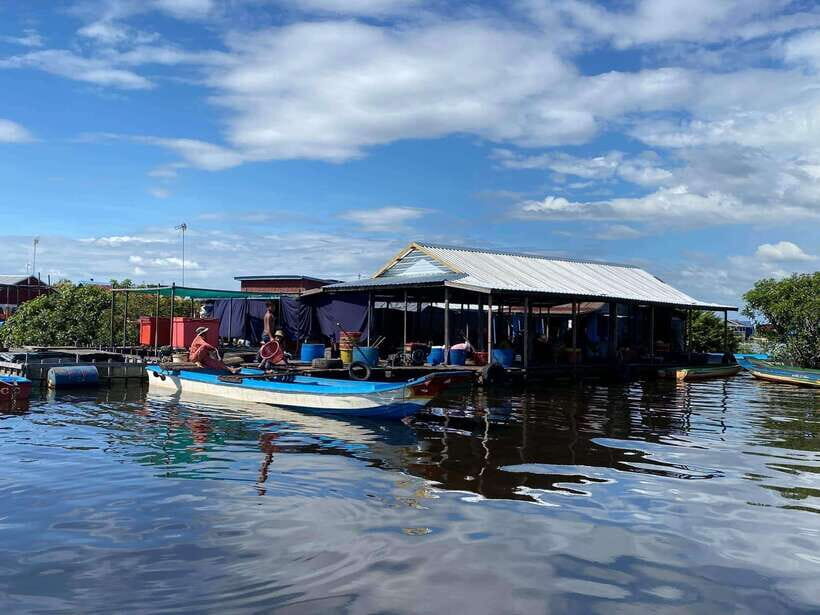
A floating village day can turn awkward if you treat it like a zoo. If you approach it like a normal neighborhood visit, the whole vibe improves.
At the school and pagoda, keep your distance and keep your voice low. These stops aren’t just scenery; they’re part of how people live. If you want photos, take them respectfully and avoid blocking paths.
Also, remember that this community works on lake time. People’s movements may revolve around water conditions and boat access. Being flexible with pacing helps you feel less rushed—and often makes your interactions smoother.
Finally, if you’re hungry, don’t ignore the floating restaurant option. One reviewer regretted not eating anaconda at the floating restaurant, which tells you two things: food is available, and the menu can include items that feel daring if you’re expecting only “tourist-friendly” choices.
Who should book this private Kampong Phluk tour
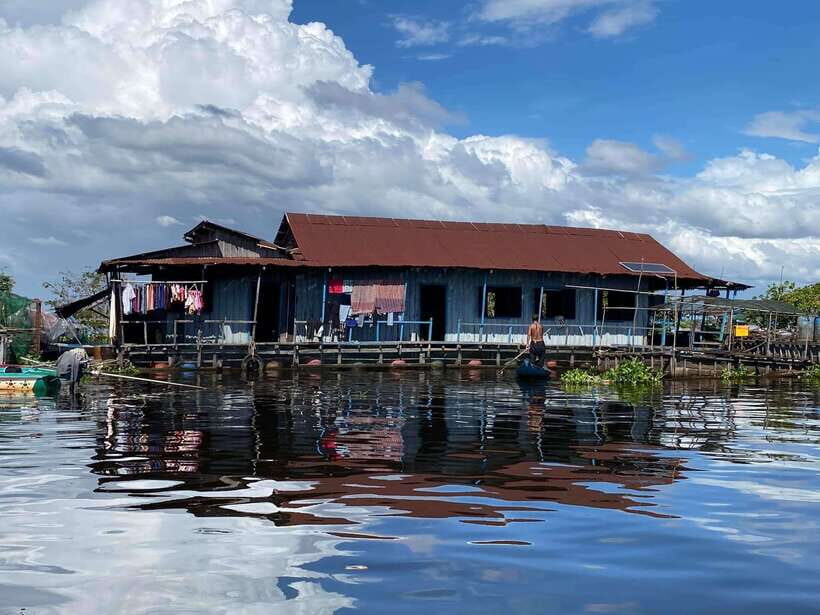
This is a great fit if:
- You want a real local day on Tonle Sap, not a rushed sightseeing circuit
- You’re interested in how daily life changes with wet and dry seasons
- You like having a private group so the day feels paced rather than frantic
- You’re okay budgeting for the big boat and any entrance/optional boat costs
It might not be the best fit if:
- You’re traveling in the dry season and want the deepest “wow” scenery possible without checking water conditions
- You’re expecting the base price to cover everything, all-in
- You strongly prefer a fully guided experience with a guide included by default (since a tour guide is listed as not included)
One bright note from a review: the trip can feel more meaningful if you’re matched with a capable local guide. A reviewer praised a guide named Sopheap for being great, which suggests the right guide can turn the visit into something more than a photo run.
Should you book Kompong Phluk?
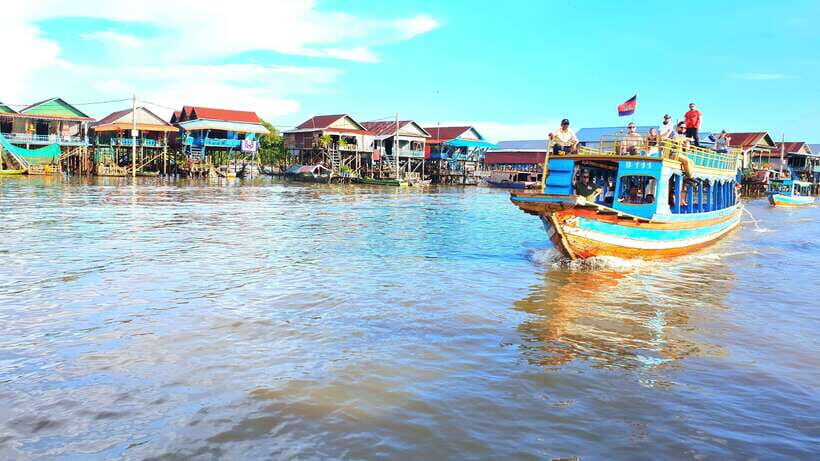
I’d book this tour if you plan with the water level in mind and you accept that the base price is only part of the total cost. The combination of floating village, school, pagoda, and floating forest is a lot to fit into 5 hours, and the sunset timing at 2pm/3pm can be a serious payoff.
I’d also feel good about the value if you’re splitting the group price with up to four people, since that keeps the $23 base meaningful. Just don’t walk in assuming every boat segment is included.
If you’re on a tight budget, confirm what you must pay (especially the $20 per person big boat) and what’s optional. If you do that, you’ll make this day land in the “worth it” category instead of the “why did this cost so much?” category.
FAQ
How long is the Tonle Sap, Kampong Phluk private tour?
It runs for about 5 hours.
What is the price for this private tour?
The price is $23 per group up to 4.
What’s included in the tour price?
Drinking water is included, and pickup is included as part of the experience.
What extra costs should I expect?
You may need to pay for the big boat ($20 per person). Entrance fees and a tour guide are listed as not included. There may also be an optional paddle-boat cost mentioned in one review.
Is a guide included?
A tour guide is listed as not included, although some bookings may be paired with a local guide.
Is pickup included, and when should I be ready?
Yes, pickup is included. You should wait at the lobby about 10 minutes before the departure time.
What stops are part of the trip?
You’ll see the floating village at Kompong Phluk, plus a school, a pagoda, and the floating forest.
Can I schedule this for sunset?
If you book a start time around 2:00pm or 3:00pm, you can catch a sunset on the lake from the boat.
If you tell me your travel month (dry vs wet season) and how many people are going, I can help you sanity-check the likely total cost and the best departure time for the views you want.