REVIEW · KAMPONG PHLUK
Siem Reap: Floating Village, Kampong Phluk Private Tour
Book on GetYourGuide →Operated by Angkor Visit Tour · Bookable on GetYourGuide
A floating town beats temple crowds. This private trip turns the Tonle Sap area into the main event, with changing water levels, stilt villages, and flooded-forest views. You’ll also get an English-speaking guide to explain daily life and customs rather than just pointing at scenery.
The main thing to consider is the water-and-walk reality. Conditions can shift fast with the season, so what you do on the ground versus on a boat depends on the current level of the lake and canals.
In This Review
- Key points before you go
- Kompong Phluk: the calm contrast to Siem Reap’s temples
- The smooth part: private transport and a timed half-day
- A guided stroll through the village that runs on stilts
- When your guide is part storyteller (and part translator)
- Tonle Sap views and sunset timing: pictures you’ll actually want
- Flooded forest and floating homes: where time feels slower
- Budget note for the boat part
- Temple inscriptions: the small history stop that adds meaning
- Price and value: is $36 fair for a private day?
- Who this Kompong Phluk private tour suits best
- Who should skip it
- Should you book this floating village day?
- FAQ
- FAQ
- How long is the Kampong Phluk private tour?
- Does the tour include hotel pickup and drop-off?
- Is a guide included, and is the tour in English?
- What transportation is provided?
- Is the boat ticket included in the price?
- About how much is the boat ticket?
- How long do you spend at Kampong Phluk?
- When is the best time to visit for the full experience?
- What should I wear and bring?
- Is free cancellation available?
Key points before you go
- Private pickup and a comfortable AC vehicle so you start the day without Siem Reap logistics stress.
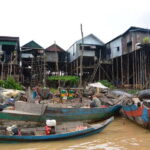
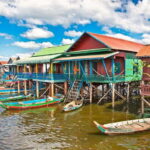
- Stilt living tied to Tonle Sap water swings, from roughly half a meter to over 10 meters.
- A guided village route with stops like a monks training area and a large pergola covered in art.
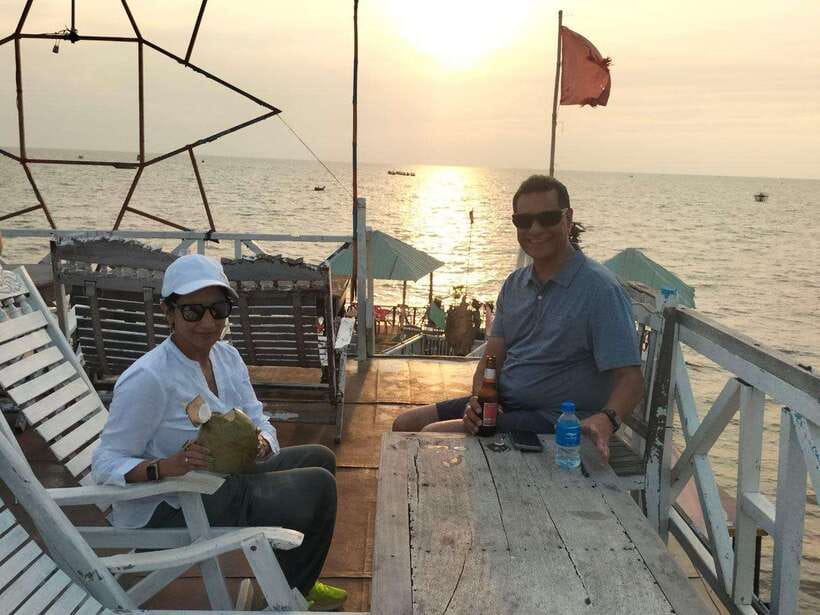
- Photo-focused timing, including a sunset window during the village visit.
- Flooded forest views that make the trip feel like you left town, even though you didn’t.
Kompong Phluk: the calm contrast to Siem Reap’s temples
If you’re in Siem Reap for Angkor, you’ll get used to stone and scale pretty quickly. Kompong Phluk offers a different kind of wow: people living with the water instead of trying to fight it.
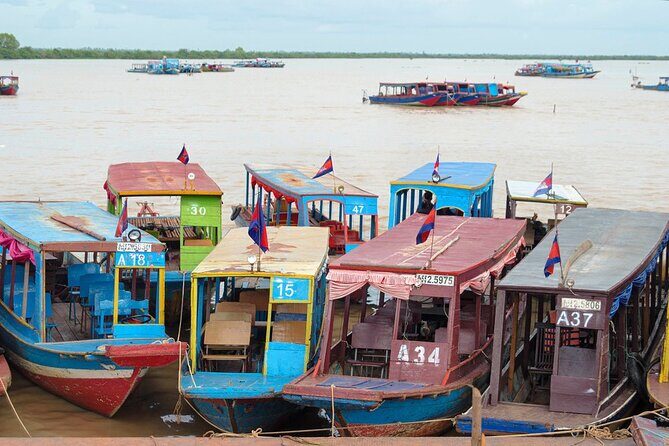
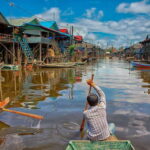
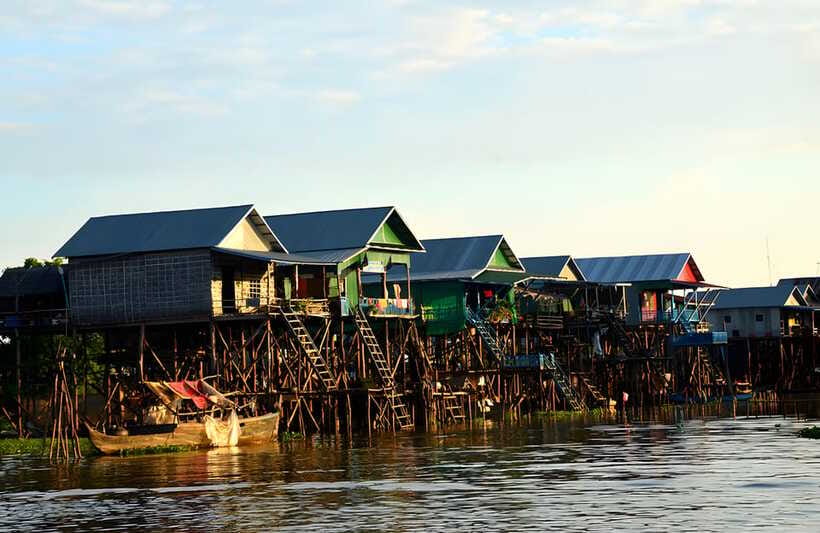
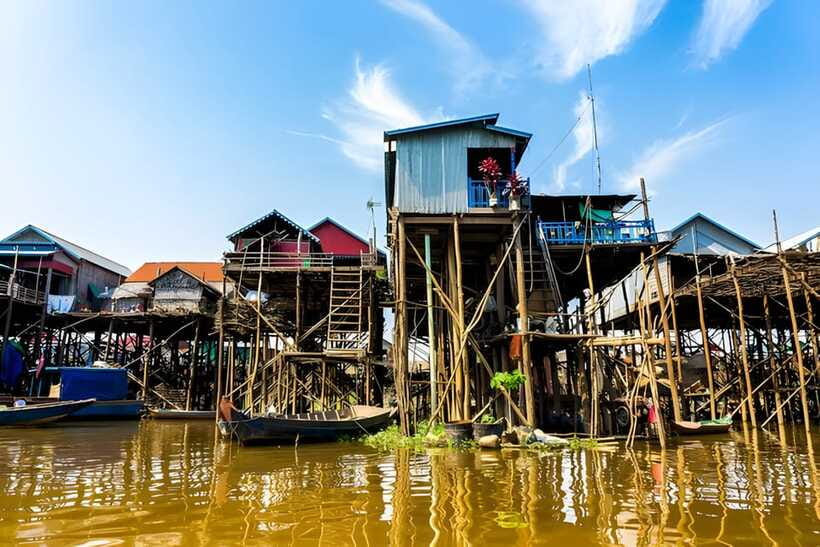
The reason this area works so well is the seasonal math. Tonle Sap’s water levels can change dramatically, from about half a meter to over 10 meters. That forces the village to adapt, and Kompong Phluk is built on stilts high enough (around 12 meters) to keep homes and daily life functioning even when everything around you rises.
That also explains why the experience can look different depending on when you go. In lower-water periods, you may be able to walk through parts of the village. In wetter months, the movement shifts to boats and watery pathways. Either way, you’re not just watching a place—you’re seeing how a community plans around nature’s schedule.
You can also read our reviews of more tours and experiences in Kampong Phluk.
The smooth part: private transport and a timed half-day
This tour runs about 6 hours total, with roughly 1 hour each way to get from Siem Reap to Kompong Phluk. The ride is part of the day, but it’s not the annoying part. You get a private air-conditioned vehicle and hotel pickup and drop-off, plus cold water during the outing.
Why that matters in practice: you don’t have to coordinate multiple transfers, and you can keep your day flowing. It’s especially helpful if you’re also doing temple visits before or after this trip and you don’t want one more “how do I get there” puzzle.
The tour also includes a skip-the-line style setup via a separate entrance. Even if you don’t know what line you’ll encounter until you’re there, that kind of shortcut usually saves time when attractions or entry points get busy.
A guided stroll through the village that runs on stilts
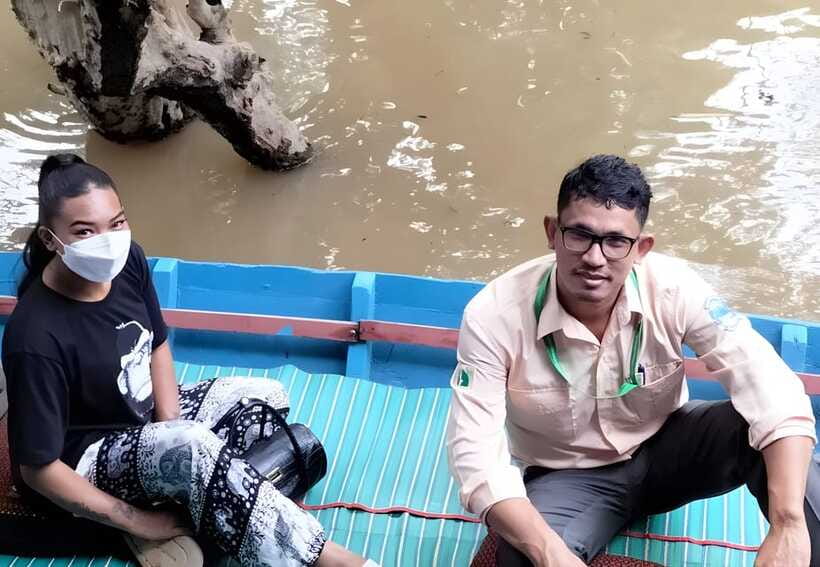
The heart of the day is the Kompong Phluk village visit. Expect a mix of photo stops, guided explanation, sightseeing, and walking, packaged into about 2.5 hours. This time window matters: it’s long enough for real conversation with your guide and good pictures, but short enough that you’re not exhausted before the flooded forest part.
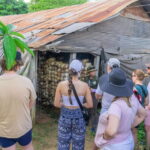
Your guide will start by showing you the rivers and the town, which is key because the village isn’t just one spot. It’s a network of homes, schools, workshops, and repair areas that function around the waterline.
One of the memorable stops is docking near a monks training school area. It’s a useful place to understand local routines, because you’re not just observing. You’re getting context for how education and community structure works here.
Then comes the big-photo moment: the large pergola. The walls and ceiling are covered with extensive art work, and it’s the kind of stop that gives your camera a break from “just water, just huts” shots. It also sets a tone for the visit: this isn’t only practical. People put effort into beauty too.
As you move around, your guide points out how daily services work at village scale, including:
- schools and homes
- local shops
- boat builders
- fishing net repair work
That last one is where many visitors start to pay closer attention. Fishing isn’t an abstract concept here. You can see the maintenance and repair logic that keeps everything running when conditions change.
When your guide is part storyteller (and part translator)
The biggest praise for this tour is about the guide’s ability to explain life and customs clearly. In recent trips, guides such as Phally and Phallysok have been highlighted for strong English and for answering questions with real openness.
Even if you don’t recognize a specific name on your booking, you can still expect the same core value: a good guide turns a floating village visit into a conversation about culture, not just a photo hunt. I’d treat questions as your secret weapon here. Ask about daily routines, school life, how families handle seasonal changes, and what boat travel is like during wet months.
Tonle Sap views and sunset timing: pictures you’ll actually want
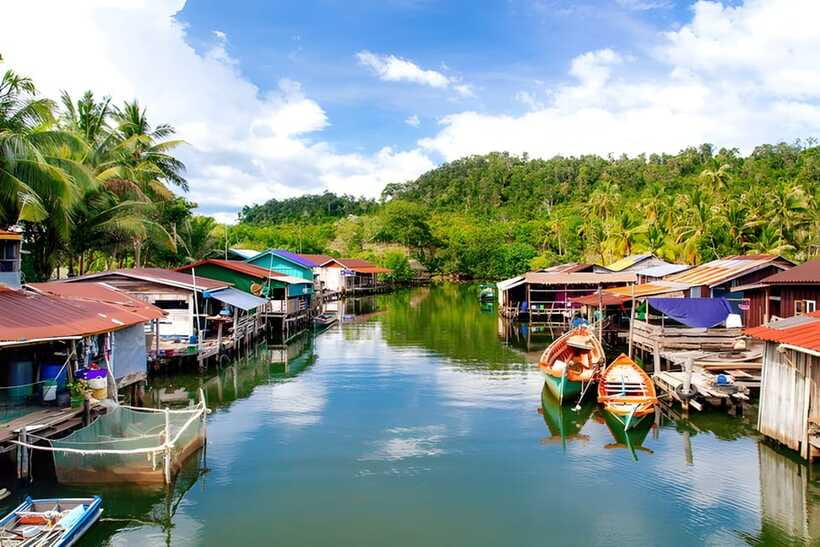
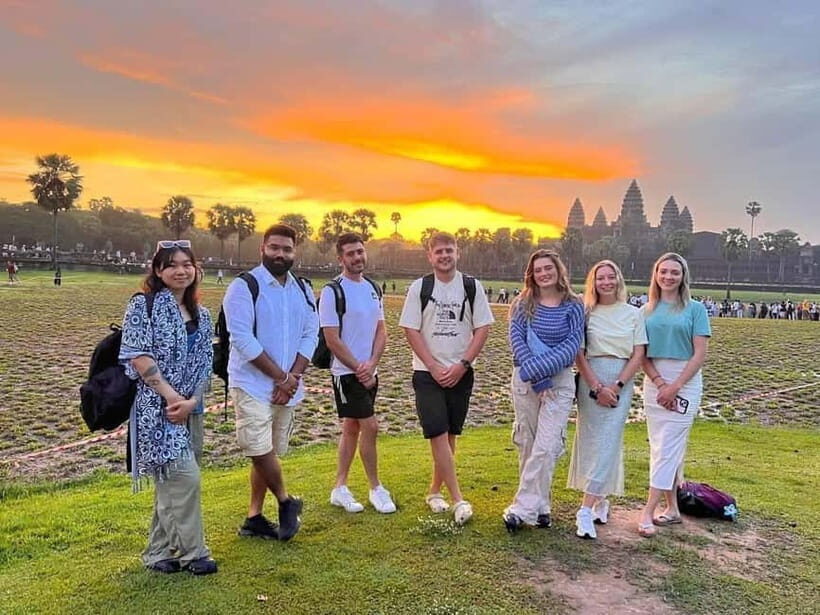
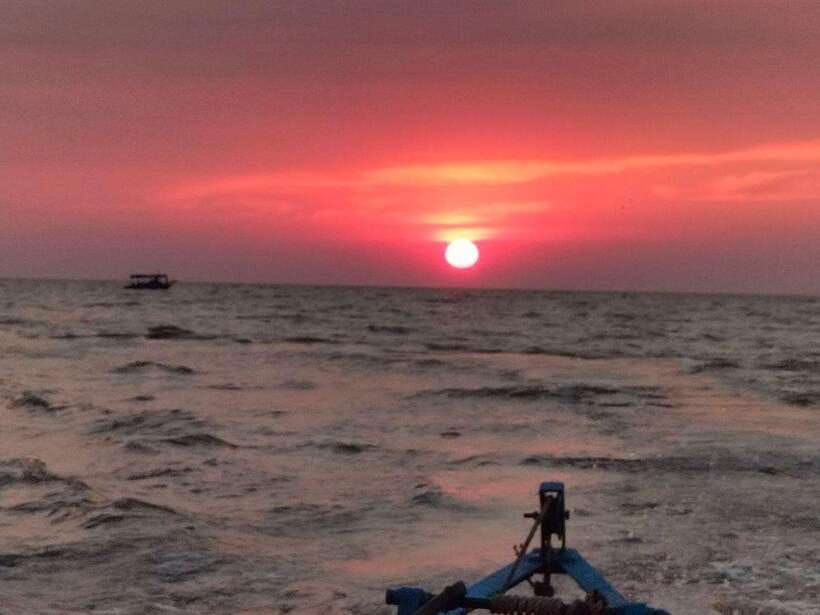
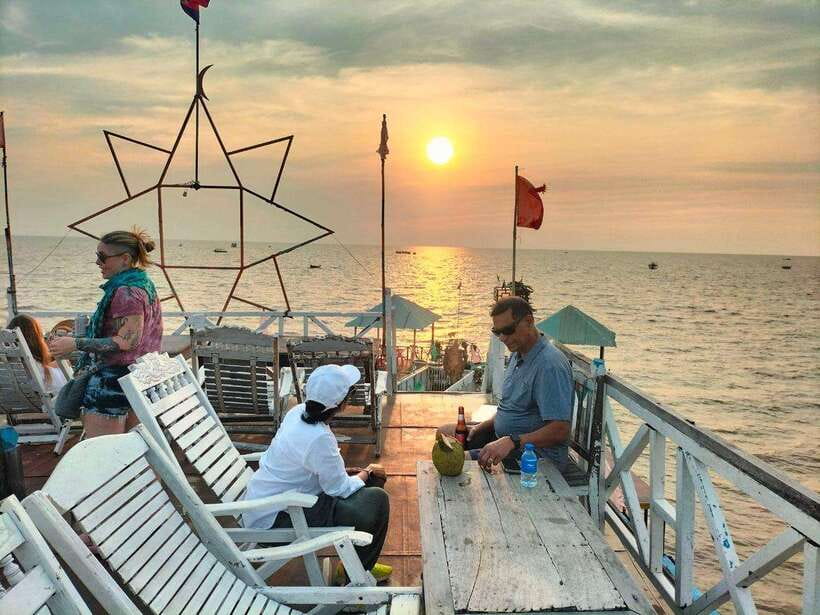
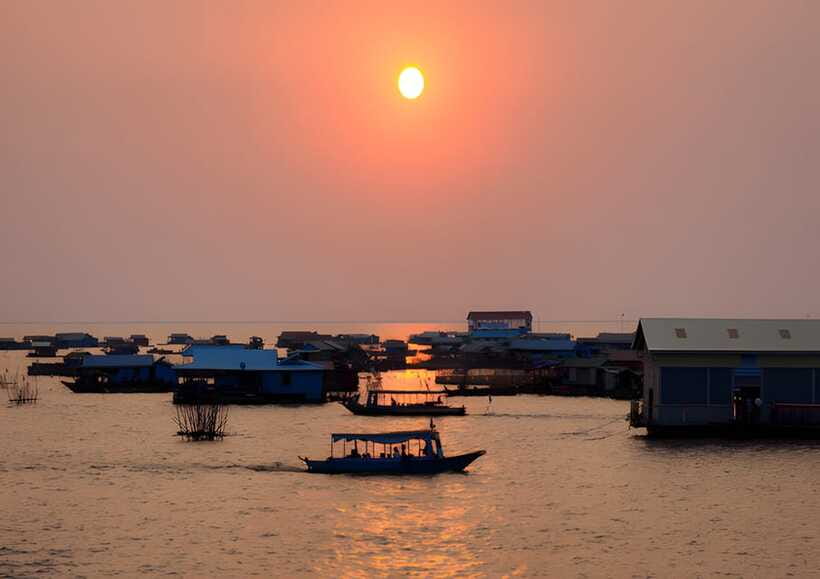
There’s a practical reason this tour includes a sunset window during the village time. The light changes fast around the water, and that makes photos look better without fancy editing.
You’re aiming for more than one “postcard” angle. Expect views that show:
- the lake and river edges
- stilted structures
- the rhythm of the community along the waterline
Also, if you’re a photographer, come ready to shoot more than one distance. Close-up details help, but so do wider frames that show how the village relates to water level changes. Those wide shots often look the most dramatic when you can see the stilt heights and the surrounding flooded areas.
Practical tip from the tour’s own packing advice: bring a hat and sunscreen. Cambodia sun doesn’t negotiate, and you’ll be out in open areas even when things are calm.
Flooded forest and floating homes: where time feels slower
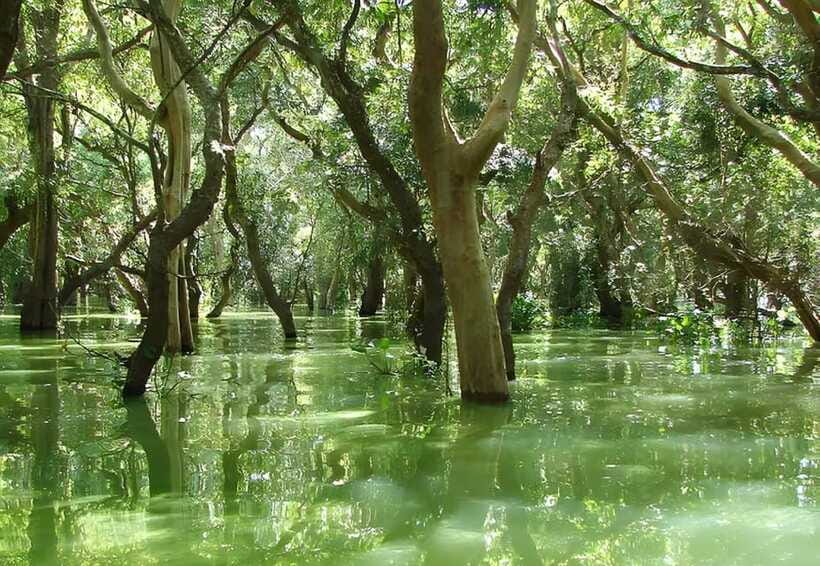
After the village portion, the tour moves into the flooded forests area. This is where the day changes its texture. The view isn’t about buildings now—it’s about water, trees, and the strange geometry of life in a place that periodically disappears under water.
During the transfer to this area, you’ll pass a few floating homes. That simple act—seeing homes literally on the water’s surface—helps you connect the earlier “stilt life” lesson to what’s happening when the lake rises higher.
Then you’re in the flooded forest zone. This is a unique experience because the environment you’re seeing isn’t temporary for tourists; it’s the normal seasonal reality for residents. The trees and flooded channels create natural corridors for travel and for work.
If your trip happens in a rainy period, the overall feel will be more boat-based. In a drier period, you might get more walking time in and around village areas, depending on the current water level. The tour’s guide will adapt the experience to what’s possible that day.
Budget note for the boat part
Boat ticket cost is not included in the base price. One recent booking shared that the boat portion ran about $20 per person. I’d plan on paying for that extra on the day.
Don’t treat that as a surprise tax—treat it as part of what makes the trip work. If you’re paying for a flooded-forest experience, you’re paying for the water access that gets you there.
Temple inscriptions: the small history stop that adds meaning
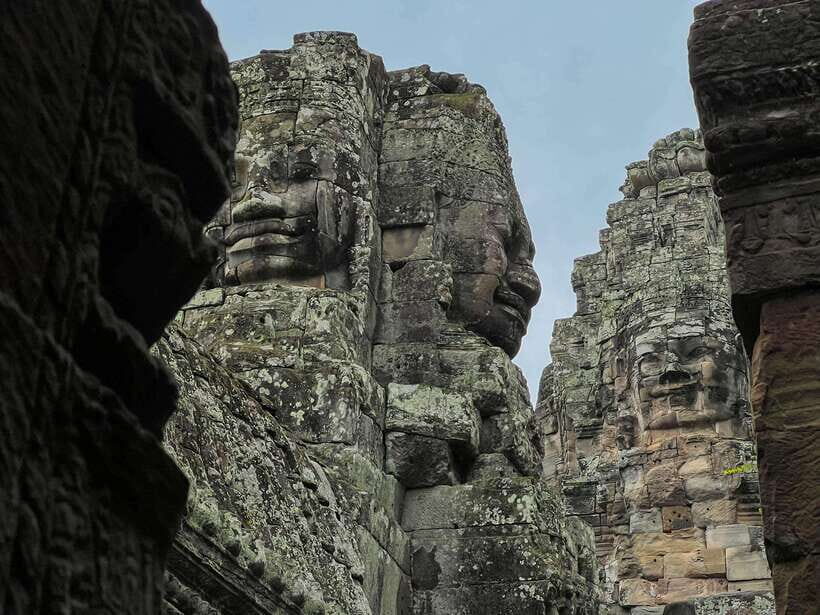
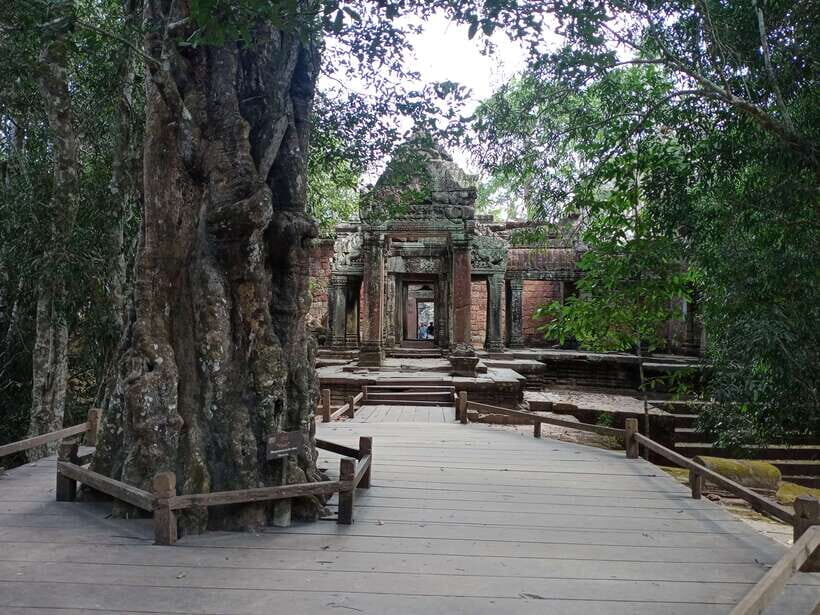
One of the tour highlights mentions seeing temple inscriptions that provide insight into construction. Even if this feels like a left-field addition to a floating-village day, it actually helps connect two sides of Cambodia you might otherwise keep separate.
The value of an inscription stop is that it gives you a “how” answer. You’re not only looking at a structure. You’re getting a hint of how builders described or marked elements of construction, which can make the larger temple story feel less like random grandeur and more like human effort carried across time.
If you’re the type who likes details, this is the part where you’ll appreciate having a guide who can explain what you’re looking at instead of letting carved stone remain just decorative.
Price and value: is $36 fair for a private day?
At $36 per person for 6 hours, this tour can feel like one of the more reasonable private options in Siem Reap, especially because it includes:
- a professional English tour guide
- a private air-conditioned vehicle
- pickup and drop-off at your hotel
- cold water
What’s not included is also important for budgeting:
- boat ticket
- coffee/beer
- tax
- tip
So the real value depends on how you handle that boat ticket and how much you care about private guiding. If you’re comparing against group tours, the private aspect can make a big difference. You can ask questions and adjust your pace without feeling like you’re chasing a schedule.
For me, this is a solid value choice if your goal is to leave the temple circuit for a few hours and see real daily life tied to the lake. If you only want “pretty views” and you don’t care about explanations, you might feel the guide portion is less essential. But if you enjoy context, this is where the tour pays off.
Also, the boat cost is a separate line item. Don’t ignore it. If the boat portion is around the $20 per person range, that changes the total in your head. Still, once you factor in private transport and a guide for a half-day, it can remain a reasonable spend for what you get.
Who this Kompong Phluk private tour suits best
This tour is a great match if you want:
- a change of pace from temples
- local life explanations instead of only viewpoints
- photo opportunities with different angles and light
- a guided route that helps you understand what you’re seeing
It’s also a good choice for couples or small groups who prefer a private setup. Recent experiences included two travelers who felt the private format gave them more information and comfort, and that’s a common benefit of doing this kind of cultural route without a crowd.
Who should skip it
The tour notes it is not suitable for people over 95 years old. Beyond that age cutoff, I’d treat this as a “comfortable walking” experience. You’ll be on foot during the village visit, so wear shoes that handle uneven surfaces.
If you have mobility limitations, it’s smart to ask your operator how walking and timing are handled on your travel date, since water level affects what routes are possible.
Should you book this floating village day?
My take: book it if you want a genuine break from temple overload and you like seeing how people shape their routines around natural forces. Kompong Phluk is one of those places where the explanation matters because the water level is the real main character.
Do your homework on timing. The tour is best during the wet season for the full experience. If you’re there in dry months, you can still go, but parts of the experience may shift toward walking rather than more boat-based movement.
Finally, pack like it’s outdoors all day—because it mostly is. Bring your hat, sunscreen, and a camera. And when you get the chance to talk with your guide, do it. This kind of tour works best when you treat it like a conversation.
FAQ
FAQ
How long is the Kampong Phluk private tour?
The duration is 6 hours total.
Does the tour include hotel pickup and drop-off?
Yes. Pickup and drop-off from your hotel in Siem Reap is included. You may need to provide your hotel name and booking time.
Is a guide included, and is the tour in English?
Yes. A professional English tour guide is included.
What transportation is provided?
You’ll travel in a private air-conditioned vehicle.
Is the boat ticket included in the price?
No. The boat ticket is not included.
About how much is the boat ticket?
In one recent booking, the boat tour ticket was about $20 per person.
How long do you spend at Kampong Phluk?
The Kampong Phluk segment is listed at about 2.5 hours.
When is the best time to visit for the full experience?
The tour is best visited during the wet season.
What should I wear and bring?
Wear comfortable clothing and shoes for walking. Bring a hat and sunscreen, and consider bringing a camera.
Is free cancellation available?
Yes. You can cancel up to 24 hours in advance for a full refund.