REVIEW · PHNOM PENH
Phnom Penh & Kirirom National Park Birds Tour
Book on Viator →Operated by Vana Adventure Travel · Bookable on Viator
Birding in Cambodia gets serious fast.
This 2-day Phnom Penh & Kirirom National Park birds tour is built around the hours when birds actually call and feed. I love that you cover multiple habitats, from lotus fields and rice cultivation to lowland forest, so the list doesn’t feel like one long repeat. I also like the focus on field skill: the tour targets specific birds and expects some tricky ones, which is exactly where a good guide matters.
One thing to consider is the early start and humidity. You’ll be outside during humid lowland conditions with occasional rain showers, and the birding pace is described as moderate with some tricky species.
In This Review
- Key things I’d mark on your planning list
- Phnom Penh to Kirirom: why the birds start singing before most people wake
- Price and value: what $350 buys besides a bus ride
- Day 1: 5:30 am departure, Mekong ferry, then lotus and rice birding
- Chambok home stay: more than a bed after a bird day
- Day 2: Kirirom National Park at sunrise for forest birds you actually want
- The birds and habitats you’ll cover, from fields to tropical moist forest
- Photo tips that match this exact tour style
- Moderate difficulty: how to handle tricky species without losing momentum
- Group size, guides, and the feel of the whole trip
- Who this tour is best for (and who might want something else)
- Should you book the Phnom Penh & Kirirom Birds Tour?
- FAQ
- What time does the tour start?
- How long is the tour?
- Where does it start?
- How big is the group?
- Is the homestay included?
- What meals are included?
- What costs are not included?
- Is there an admission fee for Kirirom National Park included?
- What kinds of habitats and birds should I expect?
- What if the weather is poor?
Key things I’d mark on your planning list
- 5:30 am start time keeps you in sync with peak bird activity
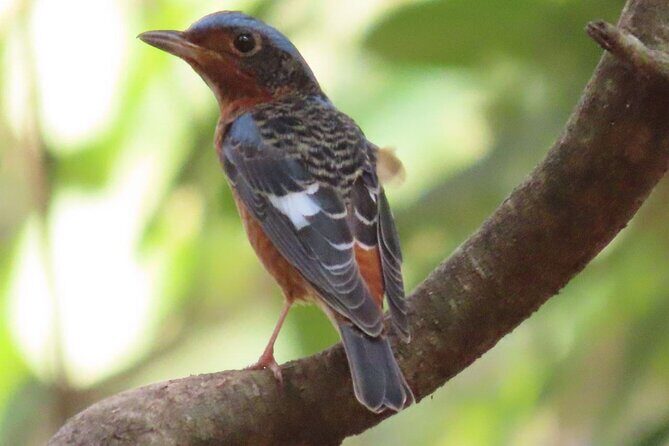
- 50 to 80 species expected, across lotus, rice fields, woodland, and tropical moist forest
- Guide Thong’s call-locating approach helps you find birds that are hard to spot
- Chambok homestay night is part of the experience, not just an add-on
- Moderate difficulty with tricky birds means you’ll want patience and decent field stamina
- Photography is good, because the tour is timed for active birds, not quiet dead hours
Phnom Penh to Kirirom: why the birds start singing before most people wake
If you’ve ever waited until late morning on a trip, you already know the problem. Many birds simply don’t “show” the same way once the day heats up and noise builds. That’s why this tour leans hard on mornings. The day starts at 5:30 am, and the plan then funnels you into countryside and forest where birds are more vocal and visible.
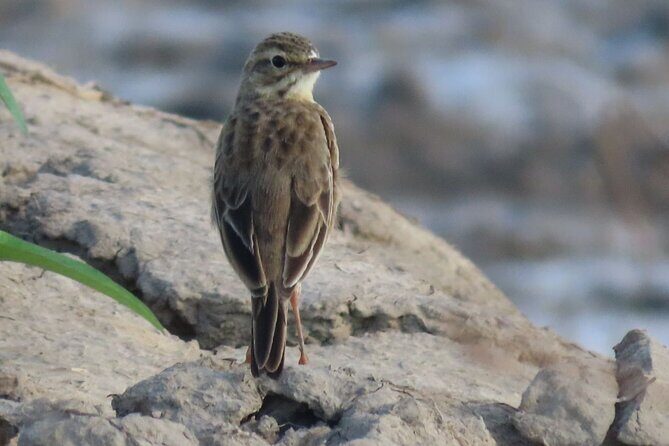
Another reason I like this style of tour is the habitat mix. You’re not only chasing forest birds. You’re also working through lotus fields, rice cultivation, woodland, and lowland broad-leaved and tropical moist forest. That matters because birds sort themselves by habitat. Move through those environments, and your species list stays interesting.
And yes, the tour is “moderate,” with some species that can be tricky. That’s not a sales pitch. It’s a reality check: some of the birds you’ll aim for can be small, quick, or better heard than seen. A guide who can read calls and behavior gets you farther than someone waving binoculars around.
You can also read our reviews of more tours and experiences in Phnom Penh.



Price and value: what $350 buys besides a bus ride
At $350 per person for a 2-day outing, the math only works if the tour is doing real work for you in the field. Here’s what you’re paying for that isn’t just transportation.
You get:
- Local birding guide plus a local guide
- Air-conditioned vehicle for transfers
- One night homestay at Chambok Community Based Ecotourism
- Two lunches and two breakfasts
- Pickup is offered, and the group size is capped at maximum 8 travelers
For bird tours, the biggest value driver is usually the guide’s ability to locate birds quickly and responsibly. One of the strongest points from the guide feedback is that Thong is a real professional and has a talent for finding birds by following their calls. That’s not a small detail. When birds are silent or hidden, a call-first strategy keeps your morning productive.
There’s also the value of time. You start early, move efficiently between bird-rich zones, and you’re not stuck in a slow loop. The tour avoids the typical “see some viewpoints, then stall” structure. Instead, it’s built around the moments when birds are active, even if it means getting up before the coffee kicks in.
Your main “budget caution” is that a few things are not included. Dinner and the Chambok entrance ticket fee are extra, listed as 7 USD for Chambok Ecotourism Community. So if you’re trying to keep the trip tight-budget, plan for that dinner cost and any personal spending.
Day 1: 5:30 am departure, Mekong ferry, then lotus and rice birding
Day 1 starts at 5:30 am, and the first big move is crossing the Mekong River by ferry. That’s a practical start. It also sets the tone: you’re quickly out of the city and into landscapes where birds behave more naturally.
After the ferry, you drive to the birding side and reach an area near a natural lake surrounded by local farmland. This is where the tour’s habitat plan becomes real. Farmers are growing lotus, paddy rice, and other vegetables, and that kind of mosaic land use often supports a mix of water-adjacent birds plus birds that use edges and field edges for feeding.
This is also a good reminder for your expectations. Birds in agricultural zones can be both easier and harder than forest birds. You might spot movement sooner, but birds can be scattered and partially hidden by vegetation. The upside is that this habitat mix tends to create variety during the same morning.
Plan on a long day for Stop 1, listed at about 9 hours. That doesn’t mean you’re walking for 9 hours straight, but it does mean you’ll be operating in early light and staying flexible. It’s a bird tour, not a sit-and-watch café morning.
Chambok home stay: more than a bed after a bird day
The overnight stop is at Chambok Home Stay, part of the Chambok Community Based Ecotourism area. You get one night included, plus breakfast and lunch coverage across both days.
Two things make this important for your birding trip, not just your comfort:
- You’re staying close to where the next day’s nature time begins, so you don’t waste precious daylight.
- Homestays can connect your trip to local conservation choices in a tangible way.
From the feedback, the emphasis on supporting ecotourism comes through clearly. There are real concerns in Cambodia around forest loss and poaching, and responsible community-based tourism is one of the ways visitors can help keep habitats valued instead of treated as expendable.
As for what you should plan for personally: dinner is not included, and there’s a 7 USD entrance ticket fee for Chambok Ecotourism Community. That means you’ll likely pay for your evening meal separately. If you’re sensitive to costs, bring a little extra cash so you aren’t scrambling.
Also, since the morning birding is early and the weather can be humid, I’d treat the homestay night as part of the “field gear loop.” Get rest. Hydrate. Don’t plan anything late.
Day 2: Kirirom National Park at sunrise for forest birds you actually want
Day 2 starts with sunrise birdwatching at Kirirom National Park. The walk is described as an easy pace, which is a big deal if you want to focus on birds instead of punishing your legs.
This is where the “moderate” label helps you understand what kind of challenge you’ll face. You’re not trekking a mountain for views. You’re moving slowly through forest edges and interior paths where birds can be present but hard to see. Patience matters more than speed.
The stop description calls out species that you can be watching for, including:
- Greater Racket Tailed
- Forest wagtail
- White rumped Shama
- Red-whiskered Bulbul
- Puff-throated B… (the list is truncated, but it signals you’ll be aiming for specific forest birds)
Forest birds often show up in bursts. One minute you hear movement. The next you get a brief look. The guide’s role is to keep you positioned when the bird is most likely to reappear. That’s also why “listening” is such a key skill on tours like this. In feedback, Thong’s ability to locate birds by following calls gets highlighted as a real advantage.
Expect a full about 9-hour day again. Heat builds fast. Even if the walk pace is easy, you’ll want water, a hat, and a rain plan.


The birds and habitats you’ll cover, from fields to tropical moist forest
The tour promise is a serious species target: 50 to 80 species. That’s ambitious, but birding success depends on the day’s activity levels, not just location.
The list of “top birds” is long and includes species tied to different habitats. A few names to anchor your imagination:
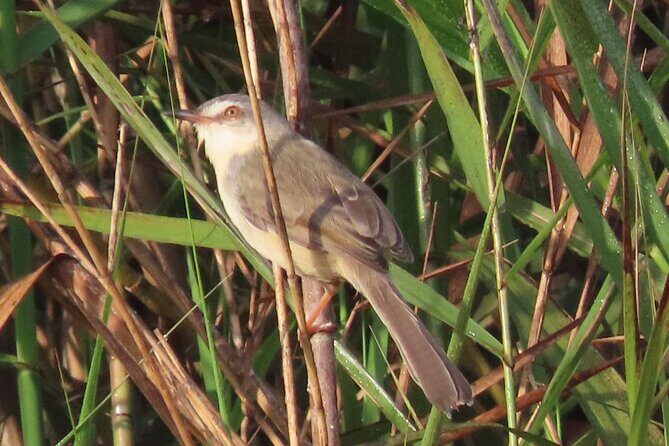
- Cambodian Tailorbird and Dark-necked Tailorbird (tailorbirds often respond to movement and call cues)
- Collared kingfisher (usually tied to water edges and fishing behavior)
- Oriental Pratincole and Green bee-eater (often seen in open areas or perching/foraging zones)
- White-throated Rock Thrush (rocky or forest-edge behavior, where sound helps)
- Black-naped Oriole and Red-whiskered Bulbul (forest and wooded areas)
- Blue-eared Barbet and Black-naped Monarch (tree canopy and mid-story areas are common)
- Greater Racket Tailed and Mountain Imperial-pigeon (more specialized forest birds)
You’re also moving through habitats that line up with these species:
- Lotus fields
- Woodland and cultivation
- Rice fields
- Lowland broad-leaved and tropical moist forest
That mix is why the tour works well even if you’re not a hardcore “single-species only” birder. You’ll see different behaviors across the two days: water hunting, field foraging, and forest movement. It keeps your brain engaged, which matters when you’re scanning for hours.
Photo tips that match this exact tour style
You’re told photographic opportunities are good, and you’ll feel that because the schedule targets active birds, especially in morning light.
Here’s how to set yourself up for better photos on a tour like this:
- Treat your first look as the best look. Early morning birds can be responsive, but they also disappear fast.
- Keep your lens ready and don’t wait until you’re sure. With birds, hesitation costs you.
- Use the guide’s positioning. If Thong is stopping you to listen or watch for a call response, that’s usually when a bird is about to move into view.
Also remember that the tour expects humidity and occasional rain showers. That means you should protect your gear and yourself. Even a light shower can turn a “great moment” into a muddy, slippery scan if you’re not ready.
Finally, if you’re new to birding, don’t chase perfect framing. On tours like this, the win is getting real, identifiable views. A slightly shaky image is still better than a perfect photo of an empty branch.
Moderate difficulty: how to handle tricky species without losing momentum
This tour calls out an important point: ease of birding is moderate, with some very tricky species. That’s not discouraging. It’s honest, and it changes how you should approach the experience.
What you should do:
- Expect “heard more than seen” moments. If a bird is hard to locate visually, calls become your map.
- Keep your expectations flexible. The goal is a strong species count (50 to 80), not a guaranteed photo of every named bird.
- Stay calm when the forest goes quiet. Many birds respond in short windows.
One standout from the feedback is that Thong uses bird calls to locate birds effectively. That tells me the tour relies on active listening and behavior tracking, not just luck. If you go in thinking this is about sitting and waiting, you’ll feel frustrated. If you go in ready to scan and listen, you’ll feel like the tour is working.
Group size, guides, and the feel of the whole trip
With maximum 8 travelers, you’re not stuck in a crowd. That matters because birding isn’t like museum sightseeing. You need quiet, space, and the ability to react quickly when birds call.
You also get both:
- A local birding guide
- A local guide
In practice, this usually means smoother logistics and better local knowledge, which can save time when birds are temperamental and weather changes fast.
English proficiency is mentioned as strong in feedback, too. That helps when you’re trying to understand why the guide stops, what to listen for, and which habitat features to pay attention to.
And yes, the reviews emphasize skipping time-wasting. If you’re the type who hates being dragged into generic market stops, you’ll likely appreciate that the focus stays where it should: birds and countryside.
Who this tour is best for (and who might want something else)
This tour is a great fit if you:
- Want a structured birding trip with real field guidance
- Prefer countryside + forest variety over one single habitat
- Enjoy mornings and don’t mind humid conditions
- Want a manageable group size
- Like the idea of a homestay experience tied to community ecotourism
It may not be ideal if you:
- Want a relaxed “sleep in and stroll” schedule
- Don’t handle early starts well
- Need fully guaranteed sightings of every listed bird (birding is never 100% even with a top guide)
The moderate physical fitness note is also worth respecting. You’re not described as needing to be an athlete, but you will be walking outdoors through forest and farmland areas.
Should you book the Phnom Penh & Kirirom Birds Tour?
I’d book it if you want high-value bird time and you like the idea of being guided to birds you’d miss alone. The combination of early starts, habitat variety, and a guide like Thong who can locate birds by following calls is exactly what separates a “nice day outside” from a real birding trip.
I’d hold off if you’re mainly after a comfortable, late-morning sightseeing day. This tour is built for birds, not for slow sightseeing. You’ll work a bit. You’ll sweat a bit. You’ll also get chances at a strong species list, and you’ll do it in places that feel connected to real Cambodian life in the countryside.
If you’re ready to trade a little sleep for birds, this is a solid pick.
FAQ
What time does the tour start?
The tour start time is 5:30 am.
How long is the tour?
It runs for 2 days (about 9 hours per day in the schedule).
Where does it start?
It starts in Phnom Penh, Cambodia, with pickup offered.
How big is the group?
The group size is capped at maximum 8 travelers.
Is the homestay included?
Yes. You get one night at Chambok Home Stay as part of the tour.
What meals are included?
The tour includes two breakfasts and two lunches.
What costs are not included?
Dinner and the entrance ticket fee at Chambok Ecotourism Community (listed as 7 USD) are not included. Tips and personal expenses are also not included.
Is there an admission fee for Kirirom National Park included?
The provided details say admission tickets are not included in the stops, so you should plan that park entrance costs may be separate.
What kinds of habitats and birds should I expect?
You’ll cover lotus fields, woodland, cultivation, rice fields, and tropical moist forest, aiming for 50 to 80 species including birds such as tailorbirds, kingfisher, thrush, and bee-eaters.
What if the weather is poor?
The experience requires good weather. If it’s canceled due to poor weather, you’ll be offered a different date or a full refund.