REVIEW · SIEM REAP
4-Day Excursion of Angkor, Koh Ker, Beng Mealea, Tonle Sap and Waterfalls
Book on Viator →Operated by Asean Angkor Guide · Bookable on Viator
Early mornings, big temples, real Cambodia.
This 4-day circuit is built to spread famous Angkor sights across more than one day, so you’re not sprinting through everything. You’ll also hit the wilder, less-visited stops like Beng Mealea and the remote Koh Ker area, then finish with Tonle Sap floating villages.
I especially like the way the schedule uses early starts to cut down on crowds and give you calmer temple moments. I also like that you get a private vehicle with A/C plus a guide who can explain what you’re looking at, not just point and move on. One thing to consider: the tour price doesn’t include most major temple passes and admissions, so your total cost will rise once tickets are added.
In This Review
- Key highlights worth planning around
- A Four-Day Temple and Lake Circuit From Siem Reap
- Koh Ker: The 120-Kilometer Day Trip That Feels Like Another Era
- Beng Mealea’s Jungle Maze, and Why You’ll Want Good Shoes
- Angkor Wat Sunrise and the Early-Morning Win
- Angkor Thom Highlights: Bayon, Elephant Terrace, and the South Gate
- Phnom Bakheng Sunset: Stair Breathing and Timing
- Kulen National Park and Banteay Srei’s Red Sandstone Detour
- Kampong Phluk on Tonle Sap: Boat Time and Real Daily Life
- Price, Passes, and What the Tour Fee Actually Buys
- Private Guide Pacing: The Difference Between Seeing and Understanding
- Who Should Book This Circuit (and Who Might Prefer Another)
- Should You Book This 4-Day Angkor Adventure?
- FAQ
- What is included in the tour price?
- What admissions or passes are not included?
- Is this tour private or shared?
- What time is the Angkor Wat sunrise pickup?
- Is breakfast included?
- How far is Koh Ker from Siem Reap?
- What is the cancellation policy?
Key highlights worth planning around
- Angkor Wat sunrise with a 4:40 am pickup means you’ll be in position before the day heats up and the crowds build
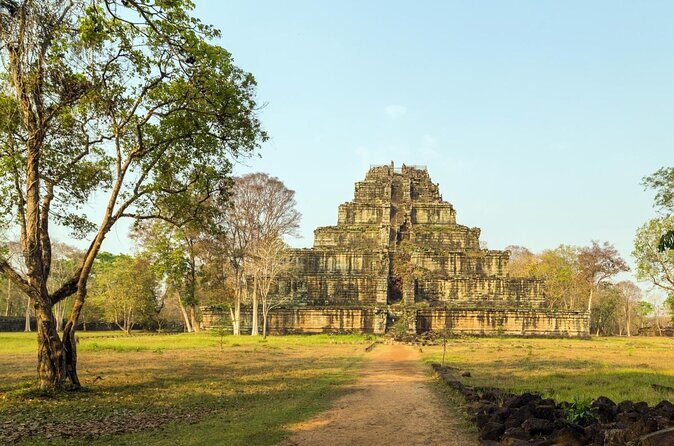
- Koh Ker (about 120 km from Siem Reap) gives you a quieter, more remote temple feel than the main Angkor roads
- Beng Mealea’s jungle temple is included, which usually appeals if you like broken stone, shade, and exploration
- A private tour setup means your pace is less rushed than a busier shared group day
- Tonle Sap via Kampong Phluk includes a boat ride option, which is the most memorable way to see life on the water
- AC transport + water and towels help you stay comfortable during long drives between sites
A Four-Day Temple and Lake Circuit From Siem Reap
This is a “cover a lot, but still understand it” kind of trip. You start with a pickup from your Siem Reap hotel each day, then return at the end of the day—so you don’t have to coordinate tuk-tuks, buses, or timing yourself.
The structure is the key value. Instead of doing everything in one intense Angkor day, you split the work: one day leans northern and remote (Koh Ker and Beng Mealea), another is heavy Angkor classics, and a third swaps in rural Cambodia experiences at Phnom Kulen, plus Banteay Srei and Kampong Phluk.
One practical note: your schedule is early and full. Even when time blocks look short on paper, you should expect walking, heat, stair steps, and waiting for the next viewpoint.
You can also read our reviews of more tours and experiences in Siem Reap
Koh Ker: The 120-Kilometer Day Trip That Feels Like Another Era
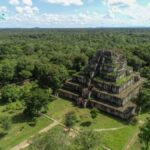
Day 1 starts with Koh Ker, a remote archaeological site in northern Cambodia about 120 kilometers from Siem Reap. The drive is long enough that the A/C vehicle really matters, especially if you’re traveling in warmer months.
Koh Ker appeals because it feels less like a theme park and more like an actual dig area scattered through the landscape. The temples here are not as “everyone visits the same photo spots” as some Angkor highlights, so the mood tends to be more open and exploratory.
On your schedule, Koh Ker is listed for about 2 hours, with the Koh Ker pass not included in the base price. If you love architecture details, this is where you’ll notice how different the stone layouts feel compared with the bigger, more restored main Angkor complexes.
Beng Mealea’s Jungle Maze, and Why You’ll Want Good Shoes
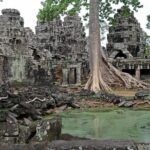
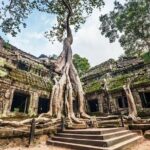
Beng Mealea is one of the best reasons to choose this itinerary. It’s described as a jungle temple, and that matters in practice: paths can be uneven, roots and rock fragments are part of the experience, and you’ll likely walk longer than you expect just to navigate around collapsed sections.
Your tour includes an in-depth exploration block (about 1 hour on the schedule), but the Beng Mealea temple pass is separate. Also, you’ll want footwear with grip and ankle support. A lot of people come expecting a quick “see and go,” then end up wandering to understand the way the site spreads.
This stop also balances the emotional tone of the overall trip. Angkor Wat sunrise and Angkor Thom are iconic and grand; Beng Mealea feels more raw and in-the-mix, which gives the whole 4 days a better rhythm.
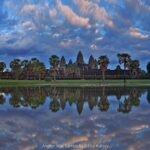
Angkor Wat Sunrise and the Early-Morning Win
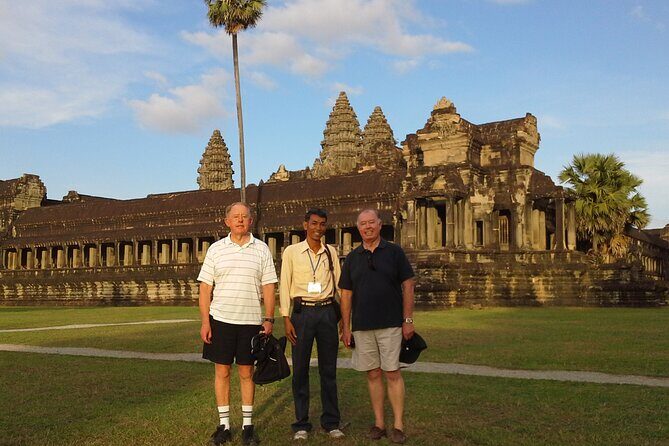
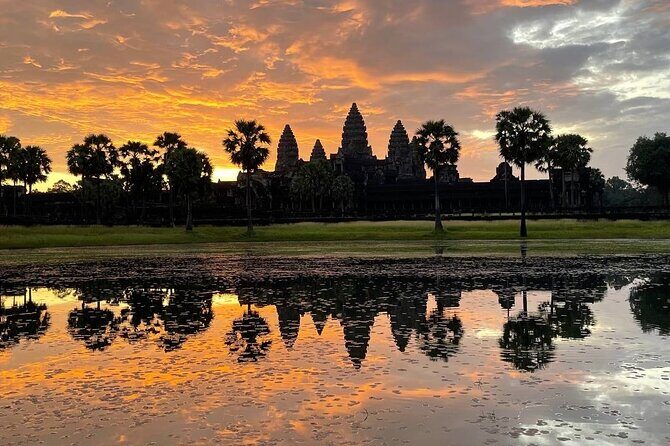
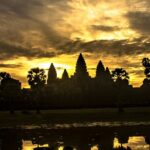
Yes, this tour includes Angkor Wat sunrise—and the timing is specific. On Day 4, your hotel can pack a takeaway breakfast, and you’ll be picked up at 4:40 am for the sunrise visit.
That early start is not just about romance. It also helps you get better light for photos and a calmer feel while you walk. You’ll also be more comfortable because the hottest hours are still ahead of you on most days, not during your sunrise walk.
The schedule shows about 45 minutes at Angkor Wat for sunrise. That’s enough time for the first wow-factor viewpoints, but it also means you should focus. Don’t try to rush through every angle—pick a couple of key views and let the rest come to you.
Angkor Thom Highlights: Bayon, Elephant Terrace, and the South Gate
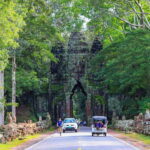
Angkor Thom is where the “big set pieces” start. On Day 2, you’ll visit Bayon, Baphoun, the Royal Palace area, plus the Terrace of the Elephant, Terrace of the Leper King, and the South Gate.
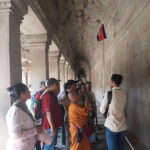
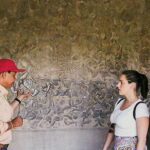
This is a temple day that rewards attention. With a good English-speaking guide, you’ll understand what each terrace is showing and why certain carvings look the way they do. Without context, it can become a loop of stone faces and corridors. With context, it feels like reading a map in stone.
On the schedule, Angkor Thom is about 2 hours. That’s a solid window if you pace yourself and don’t sprint between photo spots. It’s also a good day for a private group because you can pause longer where you’re curious and skip less interesting corners without feeling like you’re “behind.”

Phnom Bakheng Sunset: Stair Breathing and Timing
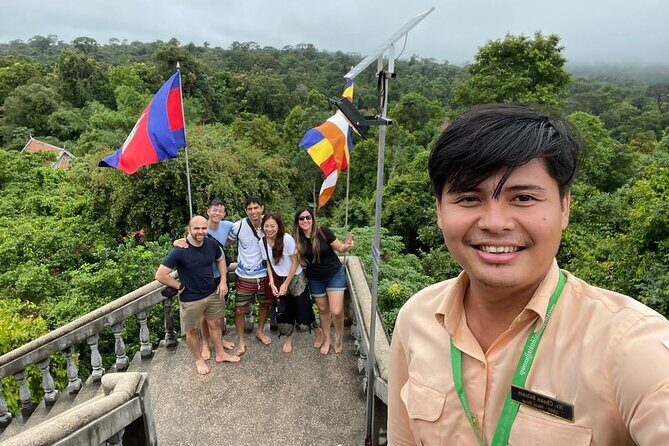
After lunch in the Angkor park area, the tour continues with Phnom Bakheng for sunset. You’ll climb to the top for the view, with about 1 hour allocated for this stop.
Sunset viewpoints are rarely relaxing, because everyone wants the same light and the same angles. If you’re the type who likes breathing easy and taking time, consider this your “move, look, and soak in the moment” stop rather than a slow stroll.
The listing notes that admission isn’t included here. So make sure your day budget accounts for each ticket line item as you go, especially if you’re also planning for boat rides and passes elsewhere.
Kulen National Park and Banteay Srei’s Red Sandstone Detour
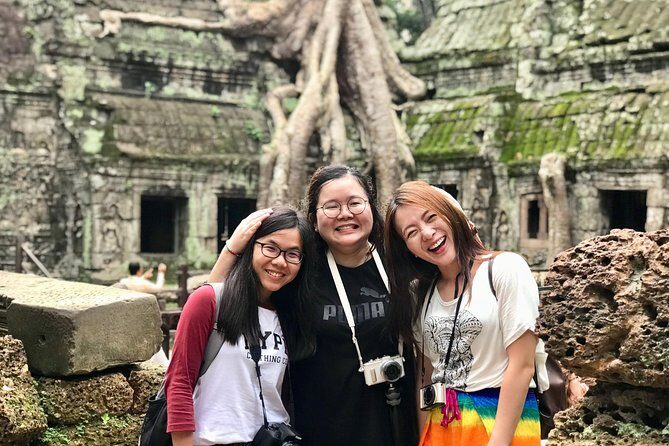
Day 3 shifts tone from temple clusters to rural Cambodia. You’ll head to Phnom Kulen National Park, and the tour includes time for you to purchase the ticket for Kulen mountain.
This is where you’ll start to notice the tour’s “spread out the experience” strategy. Instead of being temple-heavy every day, this one includes village scenery and a different type of day structure. Even the time block (about 3 hours at Kulen) suggests you’re not just passing through.
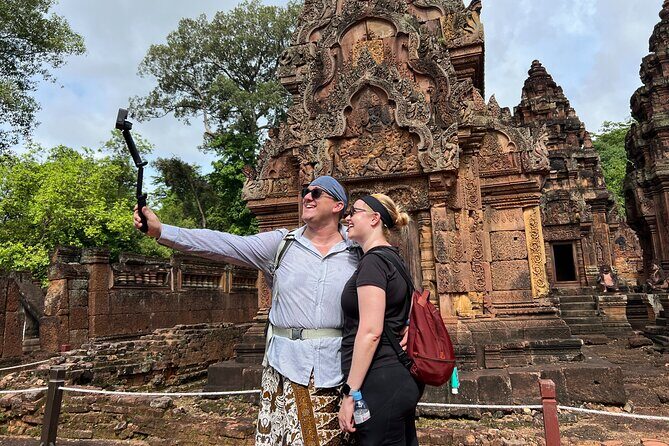
After that, you go to Banteay Srei (Citadel of women), famous for its red sandstone look. Your schedule shows about 45 minutes there, and this stop is one that often feels like the most refined carvings of the trip—smaller and more detailed than the big-scale temple complexes.
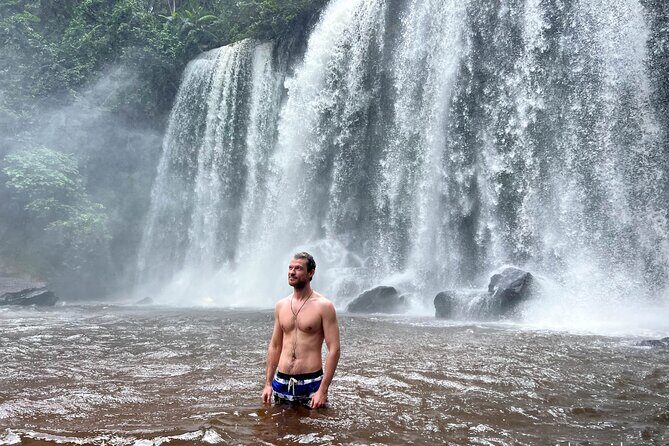
If waterfalls are on your wish list for this trip title, ask your guide how the Kulen portion is handled on your exact day. The provided plan specifies Kulen National Park and the Kulen ticket, but it doesn’t name a specific waterfall stop.
Kampong Phluk on Tonle Sap: Boat Time and Real Daily Life
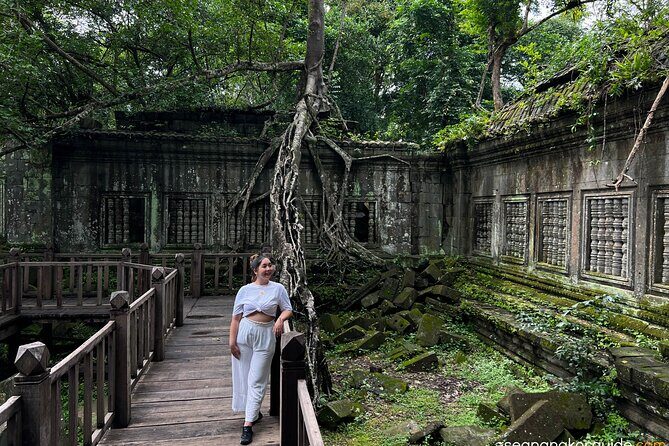
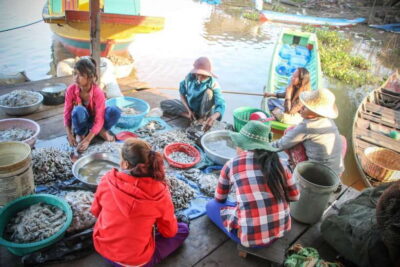
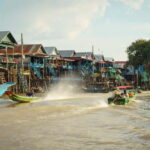
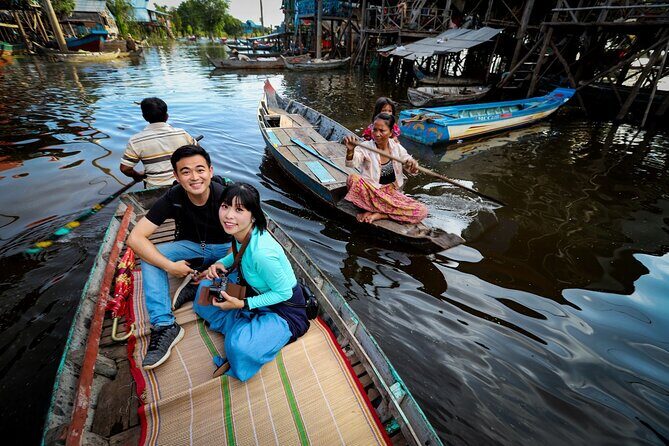
Tonle Sap is a different world than Angkor stone. Day 3 ends at Kampong Phluk, where you’ll take a local boat from the ferry to explore the floating village area.
Your schedule lists about 1 hour for this part. The Tonle Sap lake pass plus the boat ride are separate at $15 per person, so you’ll want that in mind when calculating your full trip cost.
This is one of the most human stops on the circuit. Rather than looking at statues, you’re watching daily routines in a place built around water and seasonal rhythms. For families, it’s often the “wow, this is real life” moment that keeps kids interested even when temples get repetitive.
Price, Passes, and What the Tour Fee Actually Buys
The base price is $249 per person for the 4-day private circuit. That’s not just “a guide.” It also covers a professional English-speaking guide and driver, a private A/C vehicle (SUV/minivan), and extra comfort touches like free bottled water and towels during the tour.
But you should treat entrance fees as a separate budget bucket. The tour lists several not-included items:
- Angkor Wat admission: $62 per person
- Beng Mealea temple pass: $10 per person
- Koh Ker pass: $15 per person
- Kulen Mountain pass: $20 per person
- Tonle Sap pass + boat ride: $15 per person
If you add those named fees to the $249 base, you get $371 per person before any extra Angkor pass requirements that apply to certain sites. The plan also mentions that Bakong and Preah Kor require the Angkor pass, and it may be relevant across other Angkor-area stops—so don’t assume every Angkor temple ticket is covered by the Angkor Wat admission line.
Value-wise, the math usually works best if you want a private guide, early sunrise timing, and remote stops (Koh Ker and Beng Mealea). If you only care about the one-or-two biggest hits and would rather save money by moving faster on your own, another style of trip might be cheaper.
Private Guide Pacing: The Difference Between Seeing and Understanding
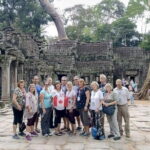
What makes this tour feel smoother than many temple days is the private setup. Your group doesn’t get folded into a bus plan, and the guide can steer you toward the right sequence and timing.
In the past feedback, guides have been singled out for pacing and clarity—names that came up include Mr. August, Ms. Phanne, David, and Samath. Drivers also got credit for safety and calm driving, with Mr. Trea and Sophat mentioned by name.
That matters because these sites can blur together. With a strong guide, you’ll learn what you’re looking at: what the terraces signify, why certain temples are arranged the way they are, and how the different sites connect into a bigger story of the region.
It’s also why sunrise isn’t just a photo stop. A guide who knows the flow can help you avoid standing in the wrong place at the wrong time, and you’ll spend more time actually seeing.
Who Should Book This Circuit (and Who Might Prefer Another)
This works best if you want:
- A private guide and A/C transport for long days
- A mix of famous Angkor sights plus less-visited temple ruins
- A real Tonle Sap experience via Kampong Phluk
- Early mornings, especially for Angkor Wat sunrise
If you’re a first-time visitor and you don’t want to keep changing tuk-tuks or figuring out complicated timing, this is a strong fit. It’s also a good match for families, including tweens and teens, because the mix of temple scale and water life keeps variety high across the four days.
It may not be the best fit if you hate early starts. The sunrise day is built around a 4:40 am pickup. And it may not be ideal if you have a strict sightseeing budget, because admissions and passes add on top of the base rate.
Should You Book This 4-Day Angkor Adventure?
I’d book it if your ideal Siem Reap trip includes both the headline moments and the “less tidy” places like Koh Ker and Beng Mealea. The private guide setup, hotel pickup/drop-off, and early sunrise timing make it feel like you’re being guided through the day, not dragged along a checklist.
Before you say yes, do two quick checks:
- Calculate your total cost with the listed admissions and passes (and remember the Angkor pass may apply beyond just Angkor Wat).
- Decide if you’re okay with a schedule that’s full and starts early, especially on sunrise day.
If those points fit your travel style, this is a smart way to see more than just the usual Angkor highlights—while still getting explanations that make the stones mean something.
FAQ
What is included in the tour price?
The tour includes a professional English-speaking tour guide and driver, a private vehicle with A/C, free bottled water and towels, and breakfast on Day 4 only. Daily pickup and drop-off at your Siem Reap hotel are also included.
What admissions or passes are not included?
You’ll need to budget for several items that are not included in the base price: Tonle Sap lake pass plus a boat ride ($15 per person), Koh Ker pass ($15 per person), Kulen Mountain pass ($20 per person), Angkor Wat admission ($62 per person), and Beng Mealea temple pass ($10 per person). Some sites may also require an Angkor pass.
Is this tour private or shared?
This is a private tour/activity. Only your group will participate.
What time is the Angkor Wat sunrise pickup?
You’ll be picked up at 4:40 am for the sunrise tour at Angkor Wat.
Is breakfast included?
Breakfast is included on Day 4 only. The Day 4 pickup includes a takeaway breakfast packed by your hotel.
How far is Koh Ker from Siem Reap?
Koh Ker is about 120 kilometers from Siem Reap.
What is the cancellation policy?
You can cancel for a full refund if you cancel up to 24 hours in advance of the experience’s start time.