REVIEW · PHNOM PENH
Khmer Cooking Class Full Day
Book on Viator →Operated by Banana Cooking Class · Bookable on Viator
Getting Khmer food right is all hands-on.
This full-day class in Phnom Penh takes you from a local market to the kitchen, with a chef guiding you through real ingredients and real Khmer techniques. I especially like that you start with fruit, vegetables, and spices, then turn what you bought into dishes you can actually recreate later, not just watch once and forget. Market shopping and hands-on cooking are the core of the day, not filler time.
What I like even more is how the chef keeps things moving while still explaining the why behind the steps. In past sessions, chefs such as LomAng Peark (and also Chef Lon Ang in some groups) were friendly, clear in English, and quick to help when you had questions. One possible drawback: it runs close to a full workday, so if you get heat-sensitive or you prefer very light food, you’ll want to pace yourself and plan to ask about adjustments early.
In This Review
- Key highlights you’ll feel right away
- From Banana Cooking Class to the market: where the day starts
- 10:15–12:00 Back in the kitchen: theory, then real practice
- What you’ll cook: classic Khmer dishes with room to customize
- Lunch at your own station: tasting Khmer food you built
- Afternoon cooking from 3:30 onward: the slower, more detailed dishes
- Your take-home win: recipes, certificate, and photos
- Price and value: is $58 worth a full day?
- Who this class is best for
- Practical tips so your day goes smoother
- Should you book the Khmer Cooking Class Full Day?
- FAQ
- Where does the full-day class start?
- What time does the full-day class begin?
- How long is the full-day cooking class?
- Is it private or shared with other groups?
- Do I take the recipes home?
- What happens at the market?
- Do I cook at my own station?
- What dishes are included?
- Is there a certificate?
- Can I get changes to the menu if I need them?
Key highlights you’ll feel right away
- Market visit with ingredient guidance so you learn what to buy and why
- Your own cooking station and wok with chef help as you go
- Classic Khmer dishes including spring rolls, mango salad, and fish amok-style cooking
- Flexible menu changes when requested (the chef has adapted in at least one group)
- Recipes to take home plus a completion certificate and a photo moment
From Banana Cooking Class to the market: where the day starts
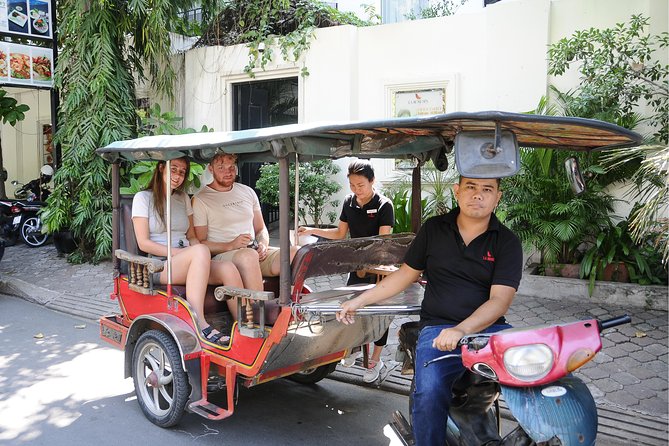
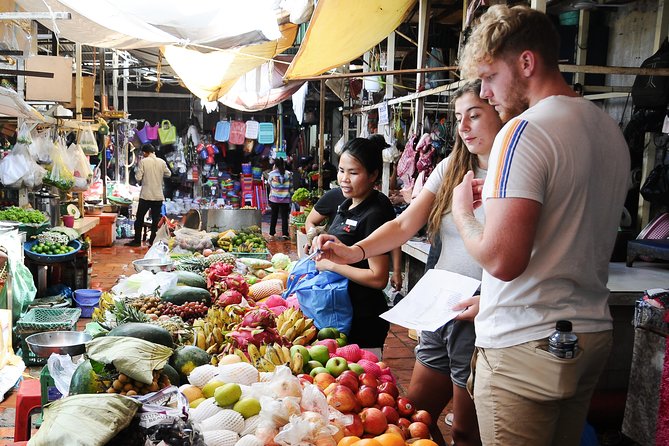
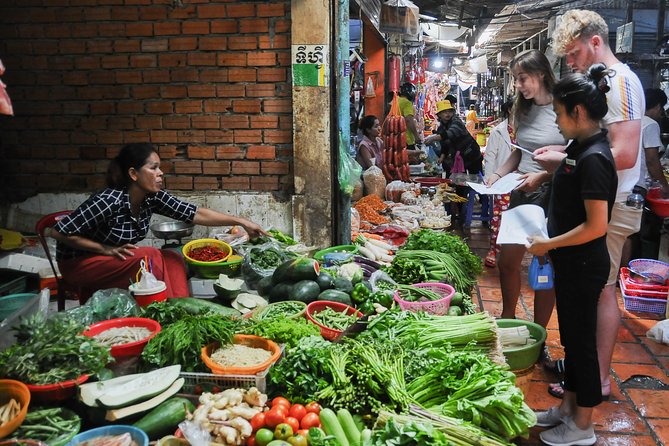
The day begins at Banana Cooking Class (1, 4b Abdul Carime St. (21), Phnom Penh). You meet at 9:00am, then you’re off in a tuk tuk to a local market for the ingredient hunt.
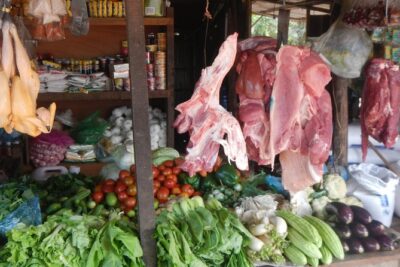
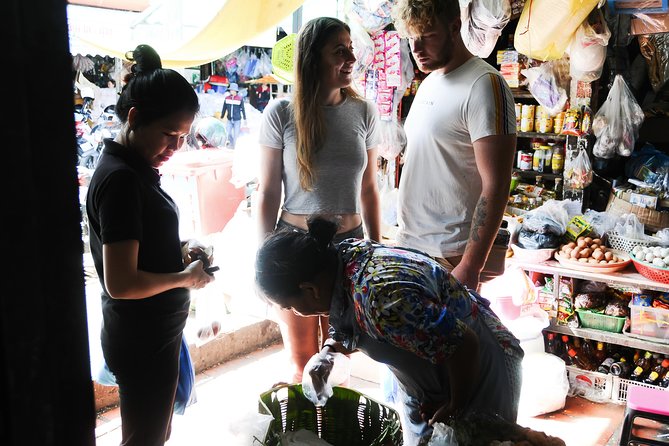
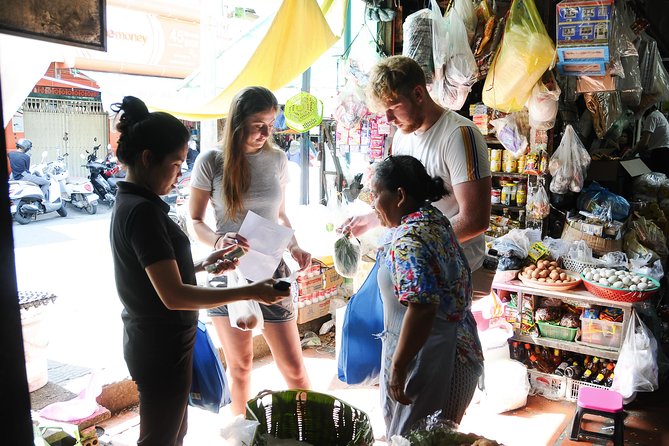
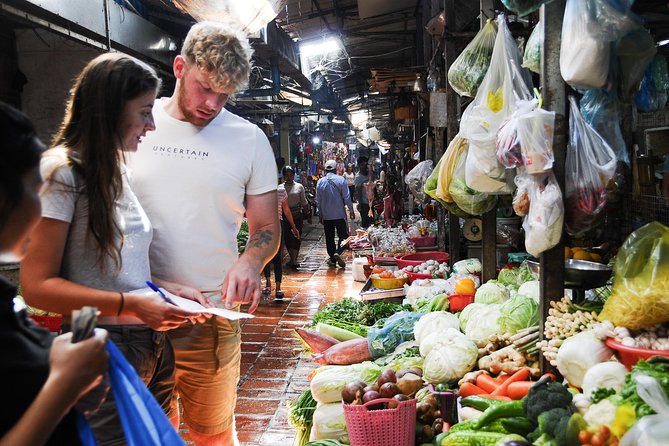
This market start matters more than it sounds. Khmer cooking relies on freshness and balance, and learning what a fruit, herb, or spice is used for helps you cook with confidence later. You’ll be shown Cambodian fruits, vegetables, and spices, then you buy what you need for the dishes you’ll cook back at the kitchen.
Expect a short ride back after shopping, timed so you don’t lose the thread. The rhythm is simple: shop, return, cook. That keeps the experience from turning into a long sightseeing trip where you’re hungry and waiting.
You can also read our reviews of more tours and experiences in Phnom Penh.
10:15–12:00 Back in the kitchen: theory, then real practice
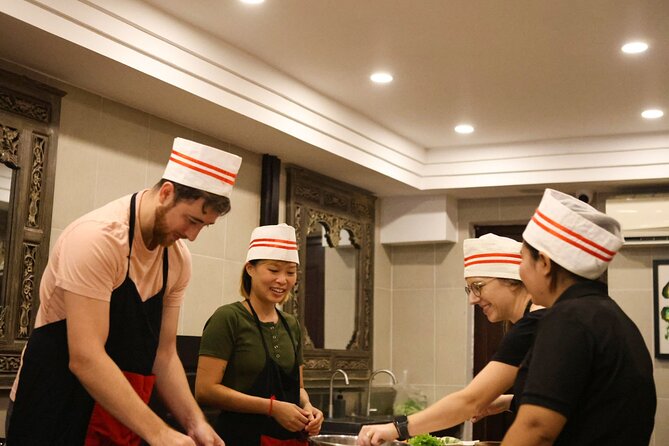
When you get back to Banana Cooking Class, you’re met with a refreshing drink and a cold towel, which is a welcome reset after the morning heat. You also get the recipe so you can follow along while you cook.
Then comes the theory block. The chef demonstrates the dishes you’ll be preparing, which helps if you’re the type who learns better by seeing a finished approach first. After that, it’s straight to hands-on time.
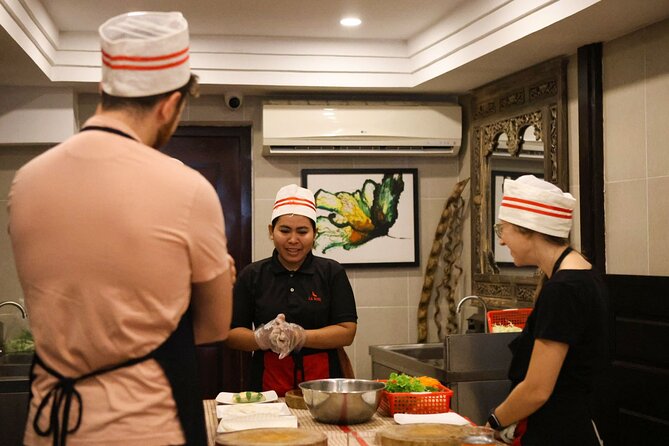
Here’s the practical part: each student gets a cooking station and a wok. That’s important because it stops the class from becoming a passive show-and-tell. The chef assists as you cook, so you can ask questions while you still have the chance to fix technique.
What you’ll cook: classic Khmer dishes with room to customize
The full-day menu is built around several Khmer favorites. The experience includes dishes such as spring rolls, mango salad, and fish amok (listed as fish a mok in the schedule), plus additional Khmer recipes.
From past classes, I’ve seen examples like mango salad, Khmer yellow curry, and a banana palm dessert. One group even reported cooking five dishes in the full-day format. The takeaway is that you’re not just making one single dish well; you’re getting a wider Khmer toolkit.
If you’re worried about food preferences, don’t stay silent. One group described how they asked for changes to the menu and the chef came up with delicious alternatives quickly. So if you have something you can’t eat, ask during the class early rather than hoping it works itself out later.
Lunch at your own station: tasting Khmer food you built
Around 12:00pm, you eat lunch based on what you cooked. This is one of my favorite parts of cooking classes because you’re not waiting for the food to arrive from elsewhere—you’re judging it yourself.
You can taste your own spring rolls, curry, salads, or fish preparation depending on the day’s menu. If something needs adjustment, you’ve already learned the process, so you can spot what made it taste the way it does.
It also makes the day feel efficient. You spend the morning learning techniques, then you get immediate feedback, which helps everything click for the afternoon dishes that take longer.
Afternoon cooking from 3:30 onward: the slower, more detailed dishes
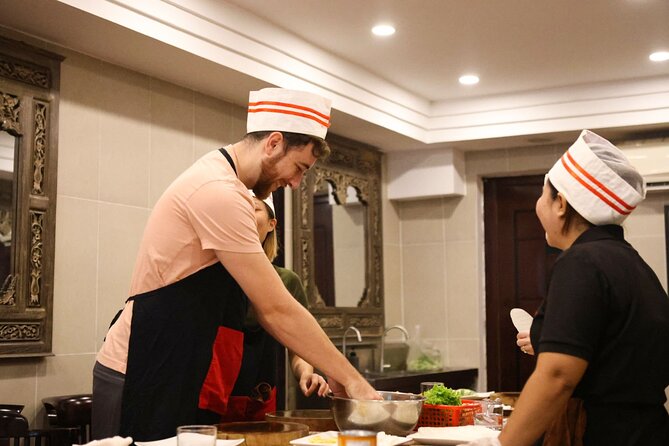
After lunch, the class ramps up again at 3:30pm for the next cooking block. This part is where they teach dishes that take more time to prepare, so plan to stay focused rather than switching into vacation mode.
At 4:30pm, you get another tasting period. This matters because Khmer cooking isn’t always about speed; texture, timing, and balance are part of the flavor. Tasting right after you cook helps you connect technique to taste fast.
Also, if you’re the type who wants photos for later, you’ll have another chance here. The day is paced so you’re not constantly rushing, which makes it easier to enjoy the process instead of just surviving it.


Your take-home win: recipes, certificate, and photos
The class ends around 5:00pm. You’ll receive a certificate of completion and a photo session, which gives the day a nice sense of closure.
Most important for long-term value: you get to keep the recipes. That turns the experience into something practical, not just a one-day memory. If you cook at home even a few times a year, having the written recipe helps you rebuild the dishes without guessing quantities or steps.
And because the morning included market ingredient education, the recipes will make more sense. You’re not staring at unfamiliar ingredients wondering what they’re for. You already saw what to buy and how the chef thinks about pairing flavors.
Price and value: is $58 worth a full day?
At $58 per person for a full-day, you’re paying for more than cooking instruction. You’re paying for three big things: market guidance, hands-on stations, and a full set of ingredients plus the cooking labor that supports you.
In Phnom Penh, food tours can be either quick tasting loops or longer restaurant experiences. This one sits in the middle, but it’s more “learn to cook” than “watch and eat.” The market visit adds real education value, because you learn how ingredients look and what they’re used for, not just what they taste like.
The time investment is also meaningful. The schedule runs about 8 hours, with stops that actively change your tasks instead of stretching into idle time. If you’re in town for only a short visit and you want a strong cultural food skill, this format is a solid use of the day.
If you’re mainly interested in eating and don’t care about technique, a cheaper food crawl might be more efficient. But if you like the idea of making Khmer dishes at home later, $58 starts to feel reasonable.
Who this class is best for
This is a great fit if you want a local-life food skill with a real instructor at your station. It’s especially good for people who enjoy asking questions, learning ingredient choices, and practicing cooking rather than just sampling.
It also works well if you’re traveling with a small group or family, since it’s described as private for your group only. That tends to make it easier to pace the class and get help when you need it.
If you’re traveling with kids, the class format can be a win because the chef works directly with participants at their stations. Past sessions included kids in the cooking group, and the chef was engaging while explaining dishes.
If you dislike spicy food, you should still book, but be upfront. You’ll have more control if you ask about alternatives early rather than assuming everything will be mild.
Practical tips so your day goes smoother
Come with a curious mindset. Khmer cooking involves flavors you might not use at home, so the best results come from paying attention during the market part and then testing what you learned.
Wear comfortable clothes you can cook in. You’ll be at a station with a wok and cooking tasks, and the day includes both market time and kitchen time.
Stay hydrated. The schedule is packed from 9:00am to 5:00pm, and Phnom Penh heat can build fast, so use the drink and towel breaks as a cue to reset.
If you have dietary needs, ask at the start of the class. In at least one full-day session, the chef adapted the menu when requested, so being proactive gives you the best chance of a satisfying outcome.
Finally, take notes during theory. Even if you get recipes later, listening during the chef demonstration helps you understand which step changes the taste most.
Should you book the Khmer Cooking Class Full Day?
I’d book this if you want a real food skill in Phnom Penh. The combination of market ingredient learning, hands-on cooking at your station, and recipes to take home makes it more useful than a typical meal.
Skip it if you’re short on time and just want to eat great Khmer food without cooking practice. Also, if you know you won’t enjoy an active, full-day schedule, consider a shorter option since half-day and full-day formats are offered.
If you’re the type who likes to bring home something practical—something you can cook again—this class is one of the most straightforward ways to do it.
FAQ
Where does the full-day class start?
The class starts at Banana Cooking Class, 1, 4b Abdul Carime St. (21), Phnom Penh, Cambodia.
What time does the full-day class begin?
It starts at 9:00am.
How long is the full-day cooking class?
It runs for about 8 hours.
Is it private or shared with other groups?
This is a private tour/activity, so only your group participates.
Do I take the recipes home?
Yes. You keep the recipes and take them home.
What happens at the market?
You go to a local market where you’re shown and helped to shop for Cambodian fruits, vegetables, and spices.
Do I cook at my own station?
Yes. Each student has his/her own cooking station and wok, and the chef assists you.
What dishes are included?
The class includes Khmer recipes such as spring rolls, mango salad, and fish amok (fish a mok), plus other Khmer dishes depending on the session.
Is there a certificate?
Yes. You receive a certificate of completion and you also get a photo session.
Can I get changes to the menu if I need them?
The class has been described as flexible when participants asked for menu changes, with the chef providing delicious alternatives.