REVIEW · SIEM REAP
Cambodia Highlight 6 Days Tour from Siem Reap to Phnom Penh
Book on Viator →Operated by About Cambodia Travel & Tours · Bookable on Viator
Waking up for Angkor at dawn changes everything.
This 6-day Cambodia highlight tour links Siem Reap (your Angkor gateway) to Phnom Penh with a private-group feel, English-speaking guide support, and an itinerary built to cut the planning headache. You get transfers from Siem Reap airport, daily breakfasts, and included entry fees for the sights on your route.
I also like that the big “heavy lifts” are handled for you: the temples come with access included, and you’re not left figuring out logistics when your energy is lowest (yes, that early morning). The one drawback to think about is the pace: it’s packed—especially around the Angkor temples and the Khmer Rouge sites in Phnom Penh—so if you want lots of slow time, you’ll need to manage expectations.
You’ll see this tour through the eyes of real people behind the scenes. In past groups, guides such as Mr. Sara and Mr. Leap (with drivers like Mr. Orr, Mr. Pip, Mr. Art, and La) are described as attentive, strong on English, and good at keeping the day comfortable with water and cooling breaks. That matters on long temple days when the heat shows up fast.
In This Review
- Key points worth caring about before you book
- A smooth start in Siem Reap: airport to hotel without guesswork
- Angkor Wat sunrise at 4:30 AM: worth the alarm
- Angkor Thom: big monuments, tight storytelling, and a lot of stone
- Day 3 Angkor circuit: restoration contrasts and the quieter corners
- Beyond the main temples: Dragon Bridge, stone carving road, and Skun
- Phnom Penh in one packed sweep: palaces, pagodas, and hard truth
- Day 6: you fly out with a clean finish
- Where you sleep (3-star to 5-star) and why it matters on this route
- Value check: is $759.05 fair for 6 days?
- Pace and comfort: what to expect day to day
- Who this tour fits best
- Should you book this Cambodia highlight tour?
- FAQ
- What is the duration of the Cambodia Highlight 6 Days Tour?
- Where does the tour start and how do you get there at the beginning?
- Are hotel accommodations included?
- Are entrance fees included for the attractions?
- Are breakfasts included?
- On the last day, do you still have a guide for the airport transfer?
Key points worth caring about before you book
- Angkor Wat sunrise at 4:30 AM with a guided circuit that keeps you moving early, not late
- Admission fees included for the major sites across both Siem Reap and Phnom Penh
- Daily breakfasts (5) so you start early with less hassle and less decision fatigue
- Hotel options from 3 to 5 stars across the two main hubs, with a night-by-night plan
- Well-supported touring: water, fresh tissue, and a comfort-first approach from guide/driver teams
- Real historical weight in Phnom Penh, with Tuol Sleng and Choeung Ek built into the route
A smooth start in Siem Reap: airport to hotel without guesswork
Day 1 is designed to get you oriented quickly. A guide and driver meet you at Siem Reap Angkor International Airport, then transfer you into the city and on to your hotel for check-in. You’re not left standing around with a phone in one hand and a map in the other, trying to figure out the first move.
Another small but useful thing: your guide also gives you practical context about life in Siem Reap after you settle in. That kind of “how things work” talk pays off later, when you’re moving between markets, temples, and quieter streets.
You’ll sleep in one of the listed Siem Reap hotels—Royal Crown Hotel & Spa (3-star), Regency Angkor Hotel (4-star), or Angkor Paradise Hotel (5-star)—or a similar option. That range helps you match comfort to budget without rebuilding the whole plan from scratch.
You can also read our reviews of more tours and experiences in Siem Reap.
Angkor Wat sunrise at 4:30 AM: worth the alarm
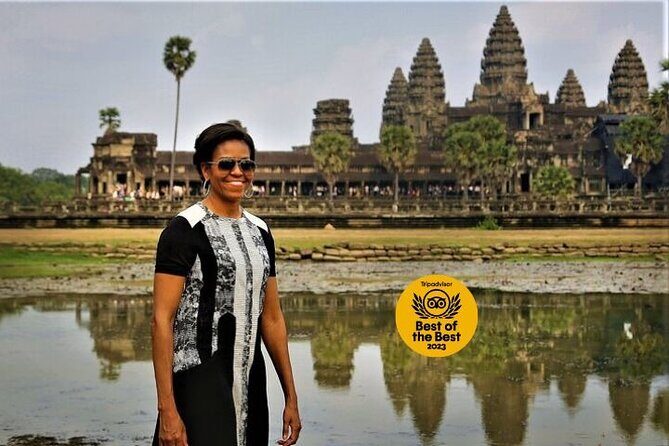
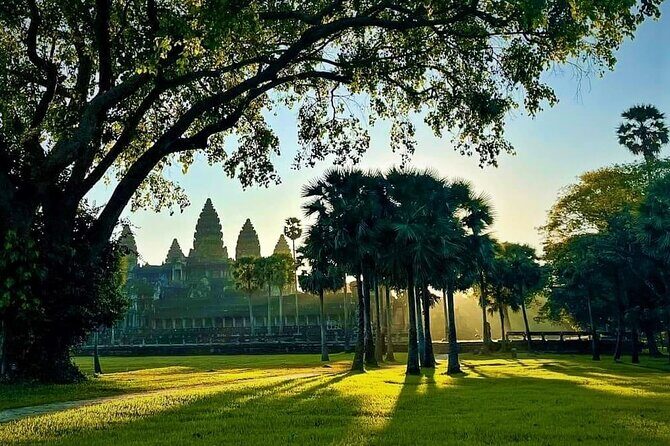
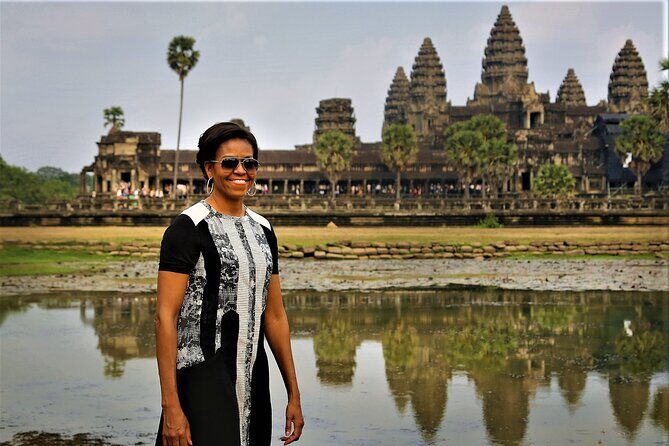
Angkor is famous for a reason, but sunrise is where it clicks. On Day 2, you’ll start very early—getting moving around 4:30 AM—to see the sunrise at Angkor Wat, then continue into the wider temple complex afterward.
Why I think this is one of the best parts of the whole trip: the early timing often gives you a calmer, more atmospheric start, and you’re less likely to feel like you’re fighting the day. Even if you’ve seen photos, the scale and the stone details hit differently in person, especially when you’re there with a guide who can point out what you’re actually looking at.
After the morning circuit, you head back for breakfast at the hotel. That “temples first, breakfast second” rhythm is smart on a trip like this—you don’t burn your energy on an endless loop of choices.
Angkor Thom: big monuments, tight storytelling, and a lot of stone
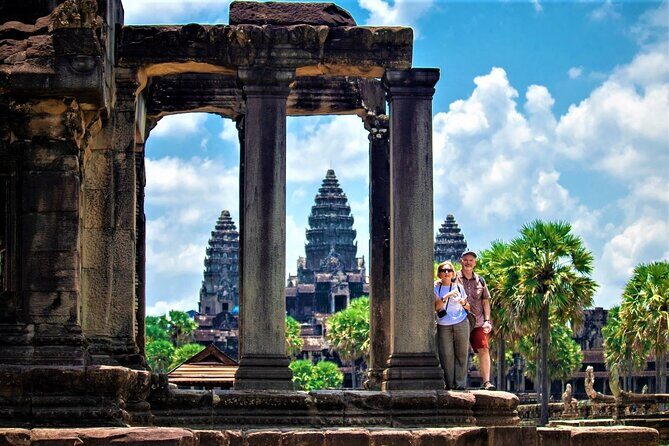
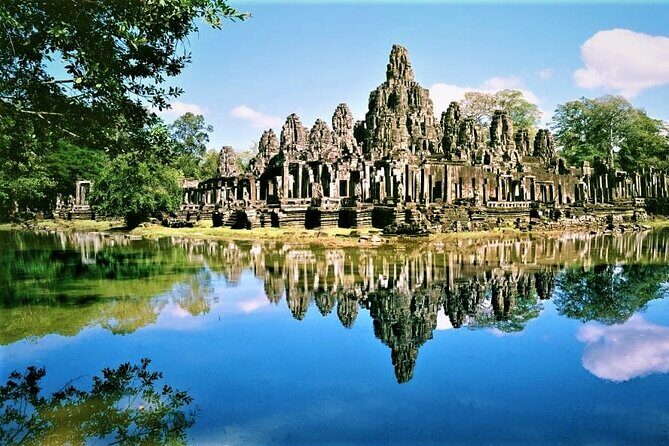
After Angkor Wat, the route pushes into Angkor Thom and nearby temples. You start at Angkor Thom South Gate, then move to Bayon Temple, followed by time inside Angkor Thom itself and then several more stops.
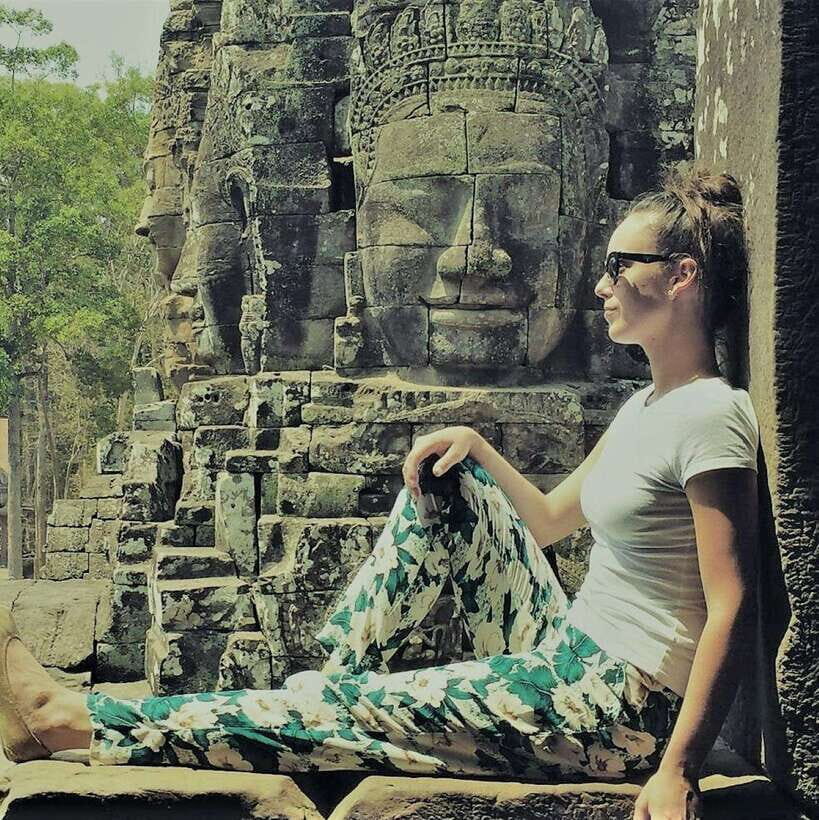
Here’s what makes this section work for your brain: you’re not just ticking off buildings. The guide helps connect the dots between rulers, city layout, and the meaning behind major features. For example, Bayon is known for its faces and symbolism, and you get enough time on-site to notice the differences in carvings and layout rather than just rushing past.
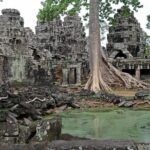
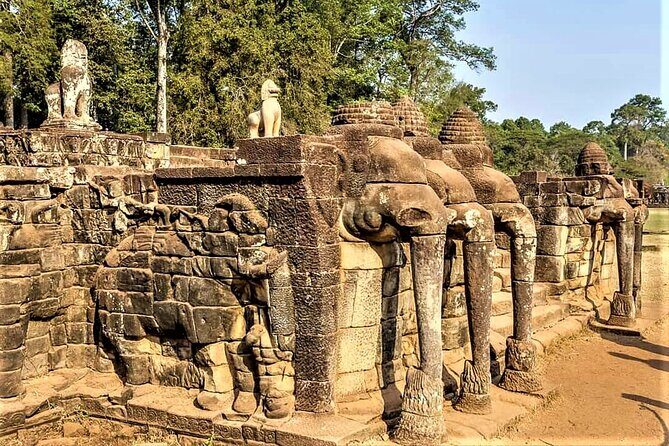
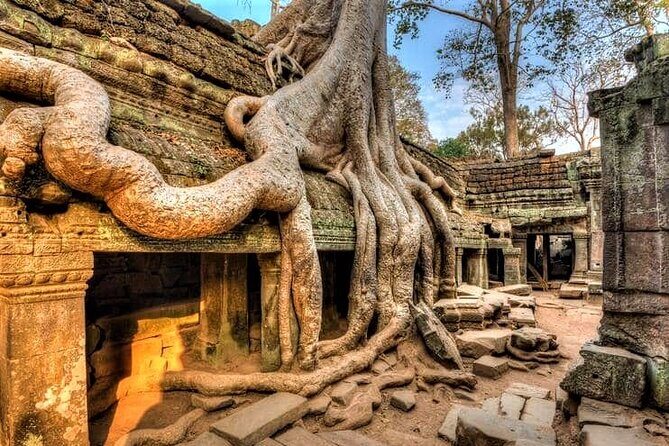
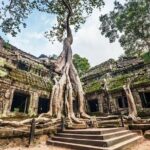
Some of the temples also bring variety in how they feel. Ta Prohm is often visited for a reason—being left with trees that grow through the structures gives you a very different visual mood than the more “clean-lined” sections. And Terrace of the Elephants and Terrace of the Leper King offer long bas-reliefs that reward slow walking and a guide explaining what you’re seeing.
One practical note: with so many stops packed into one day, you’ll want to wear something comfortable and plan for heat. This is exactly where having a guide and driver managing timing helps you stay in control instead of constantly checking the next step.
Day 3 Angkor circuit: restoration contrasts and the quieter corners
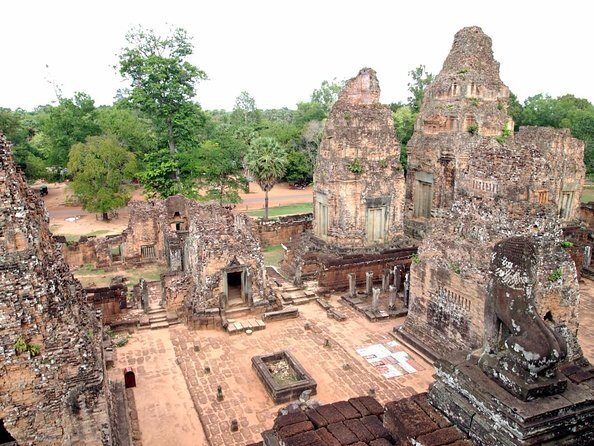
Day 3 shifts the focus toward a slightly different angle of Angkor. You’ll visit Banteay Samre, Banteay Srei, Preah Khan, and more, including Neak Pean, Ta Som, Pre Rup, Eastern Mebon, and others.
This day stands out because it’s not all the same kind of temple experience. Some sites are more restored and complete; others feel more open and weathered. Banteay Samre is described as one of the more complete complexes due to restoration efforts, while Ta Som is noted as quieter and less restored, which can make it feel more peaceful if you catch it at the right time of day.
Banteay Srei is also a big one here. It’s often treated as a highlight for its Khmer art details, and you’ll get a full visit window rather than a quick glance.
Timing-wise, the Day 3 plan is still structured and efficient—so you’ll cover a lot—but the stops are chosen to give you texture. You finish the day back in Siem Reap, again in the listed hotel range (Royal Crown Hotel & Spa, Regency Angkor Hotel, or Angkor Paradise Hotel, or similar).
Beyond the main temples: Dragon Bridge, stone carving road, and Skun
Not every day should be temples, and Day 4 does a good job balancing culture with something unusual. You start at Spean Praptos (Kampong Kdei Bridge), sometimes called the Dragon Bridge, a laterite bridge with local legend behind it and an “older than it looks” feel.
Then you head down Stone Statue Shop Road, where you’ll see many shops selling stone statues. This is the part of the trip where you should go in with eyes open: it’s a shopping area, and the craftsmanship can be impressive. If you like souvenirs, this is where you can look for quality rather than grabbing random items later—but if you don’t want shopping pressure, treat it like a short cultural stop and move on.
The day also includes Skun Spider Sanctuary, which is paired with the wider Skun market experience. You’ll see the market layout and the unique focus on what you won’t find in many other places. Even if you skip food, it’s a good example of how Cambodian daily life can be both practical and surprising.
At the end of the day, you sleep in one of the Phnom region-friendly Siem Reap hotel options: King Grand Boutique Hotel (3-star), Sun & Moon Urban Hotel (4-star), or Sun & Moon Riverside (5-star), or similar.

Phnom Penh in one packed sweep: palaces, pagodas, and hard truth
Day 5 is the emotional pivot. You move from Angkor’s ancient layers into modern Phnom Penh’s stories—beautiful architecture on one side, and grave historical sites on the other.
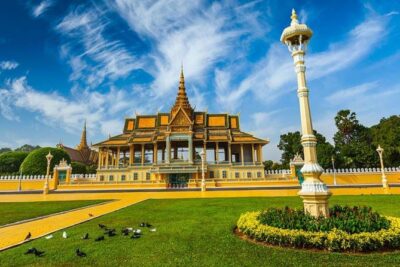
You begin in the city and then visit Royal Palace, Silver Pagoda, and Wat Phnom. This early set of stops helps you understand why Phnom Penh became the national center: you see the official power spaces, the religious spaces, and the legend-based community marker (Wat Phnom sits on a tree-covered knoll and is tied to the founding story of the area).
Next you visit Independence Monument, plus Wat Ounalom. The route then turns to history with Tuol Sleng Genocide Museum, the former Security Prison S-21, followed by Choeung Ek Genocidal Center, the orchard and mass grave area tied to the Khmer Rouge period.
This is the section where I think your mindset matters. These stops are powerful and heavy, and no “fast-tour” technique can soften the facts. The best approach is to take your time where you can, bring tissues if you use them, and give yourself a few minutes to reset after. The fact that the tour includes both museums on the same day means you may feel pulled in two directions—so don’t rush your own emotional pacing.
After the hard history, the itinerary shifts into city life: Central Market gives you a dome-like market space with lots of stalls, and you also stop at the Statue of King Father Norodom Sihanouk for a quick landmark moment.
You end the day back at your Phnom Penh hotel option: King Grand Boutique Hotel (3-star), Sun & Moon Urban Hotel (4-star), or Sun & Moon Riverside (5-star), or similar.
Day 6: you fly out with a clean finish
Day 6 is simpler by design. After breakfast, you get free time in the morning, then transfer from your hotel to Techo International Airport (KTI). The transfer is listed as without a guide, so you’ll still have support from the transfer logistics, but you’ll say goodbye before the airport step.
It’s a nice way to end a 6-day run. You don’t have to squeeze in one last “must-see” stop. You can pack, do a last look at the neighborhood from outside the hotel, and head to the airport with less stress.
Where you sleep (3-star to 5-star) and why it matters on this route
This tour builds in comfortable accommodations along the way. You choose your comfort level from the listed 3-, 4-, or 5-star options in Siem Reap and Phnom Penh (with similar alternatives when needed).
Why this matters: with sunrise temple mornings and long museum time, you want a place that feels like a real base camp. Having the hotel included means you don’t waste mental energy comparing locations, reading reviews at midnight, or bargaining over check-in times.
Also, the structure is consistent: hotel check-ins and breakfasts are part of the rhythm. That consistency reduces “micro-stress,” which is how good trips stay enjoyable.
Value check: is $759.05 fair for 6 days?
At $759.05 per person for about 6 days, this can be good value—mainly because the tour bundles the items that usually cost money and time when you DIY.
Here’s what’s included based on the tour details:
- Accommodation (double/twin/triple)
- English-speaking licensed guide, plus transport
- Entry fees to the sites on the itinerary
- Breakfasts (5)
- Drinks water and fresh tissue
Now compare that to DIY reality. Angkor temple access, guided movement between multiple temple clusters, and entrance fees across Phnom Penh’s major sites add up fast. Add sunrise timing and transport planning, and suddenly the “cheap DIY” idea can become a lot more work than it seems.
So for many people, the value is not just in money—it’s in reduced friction. You spend your limited time doing the sights instead of managing the logistics puzzle.
One pricing note you should keep in mind: single rooms cost extra (listed as a 40% surcharge). If you’re traveling solo, that’s the main factor that can change the math.
Pace and comfort: what to expect day to day
This itinerary moves. You’ll have temple-heavy days, a big transition toward Phnom Penh, and then museum-heavy time in the capital.
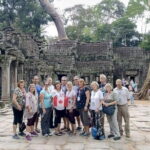
The good news is that support sounds built in. In past group experiences, guides and drivers have been described as attentive, providing water, sanitary wipes, and cooling towels during temple touring, plus help with photos. That kind of practical support is not glamour, but it makes long days feel manageable.
A realistic expectation: bring patience for heat and crowds around major temple moments. Your plan is timed and guided, but Angkor is Angkor. The trick is to let the guide steer the route while you focus on walking, looking, and asking questions instead of worrying about the next move.
Who this tour fits best
This is a strong fit if you:
- want a structured Siem Reap to Phnom Penh route without building one from scratch
- like the big classics: Angkor Wat sunrise, Angkor Thom, and major Phnom Penh landmarks
- appreciate having entry fees included, especially when you’re trying to control costs
- are comfortable with a full day that includes Tuol Sleng and Choeung Ek
It may be less ideal if you want a totally relaxed trip with lots of free time each day. The itinerary is designed to show you a lot in six days.
Should you book this Cambodia highlight tour?
If your priority is maximum sightseeing with minimum stress, I’d say this one makes sense. The early Angkor Wat sunrise start, the included entrance fees, and the mix of ancient temple wonder plus Phnom Penh’s major history stops give you a complete Cambodia snapshot without the planning swirl.
Where you should think twice is the emotional weight and the schedule density. If you’re sensitive to hard history or you need lots of downtime, consider how you’ll handle long days—especially on Day 5.
FAQ
What is the duration of the Cambodia Highlight 6 Days Tour?
It runs for 6 days (approximately).
Where does the tour start and how do you get there at the beginning?
The meeting point is Siem Reap Airport. A guide and driver meet you there and transfer you to Siem Reap for hotel check-in.
Are hotel accommodations included?
Yes. The tour includes accommodation based on double, twin, or triple room options, with hotel choices listed for both Siem Reap and Phnom Penh.
Are entrance fees included for the attractions?
Yes. Entry fees to all sites mentioned on the itinerary are included.
Are breakfasts included?
Yes. The tour includes daily breakfasts (5).
On the last day, do you still have a guide for the airport transfer?
On Day 6, you have free time after breakfast, then a transfer to Techo International Airport (KTI) is provided without a guide.