REVIEW · SIEM REAP
Tonle Sap Lake-Floating Villages-Mangrove Forest
Book on Viator →Operated by Green Era Travel · Bookable on Viator
Tonlé Sap pulls you out of the usual Siem Reap routine. You’re stepping into a UNESCO-listed biosphere where the lake’s flood cycle shapes daily life, village houses, and even what kind of boat time you’ll get. This trip focuses on real routines on the floodplains—not staged markets.
What I like most is how practical it feels from minute one. You get hotel pickup at 8:00 AM, a smooth drive to Chong Kneas, and then a private boat ride with life jackets while an English-speaking guide handles the flow. I also really appreciate the comfort extras: lunch, snacks, cold bottled water, and even local beers are included.
One thing to plan around: the flooded mangrove paddle is only an option from August to January, and the canoe ride itself isn’t included. Weather can also change how you travel up the lake system, with a car swap in poor conditions.
In This Review
- Key highlights to know before you go
- Tonlé Sap Floodplain Life: Why This Trip Feels Different
- 8:00 AM Pickup and the Ride to Chong Kneas
- Chong Khneas From the Boat: The First Look at Floating Life
- Kampong Phluk: Stilt Houses, Fishing Life, and Rural Rhythm
- The Optional Flooded Mangrove Paddle (Aug–Jan)
- Lunch, Snacks, Cold Water, and Local Beers
- How This Small-Group Setup Changes Your Day
- Price and Value: What You’re Really Paying For
- When Weather Changes the Plan (And What That Means for You)
- Who This Tonlé Sap Trip Fits Best
- Should You Book This Tonlé Sap Floating Villages Tour?
- FAQ
- FAQ
- How long is the Tonlé Sap floating villages tour?
- What time does the pickup start in Siem Reap?
- Where do you go first, and how far is it from Siem Reap?
- Do you visit floating villages on the lake?
- How long do you spend at Kampong Phluk?
- Is the mangrove paddle/canoe ride included?
- What’s included for meals and drinks?
- How big is the group?
- What happens if the weather is poor?
- Can I cancel for a full refund?
Key highlights to know before you go
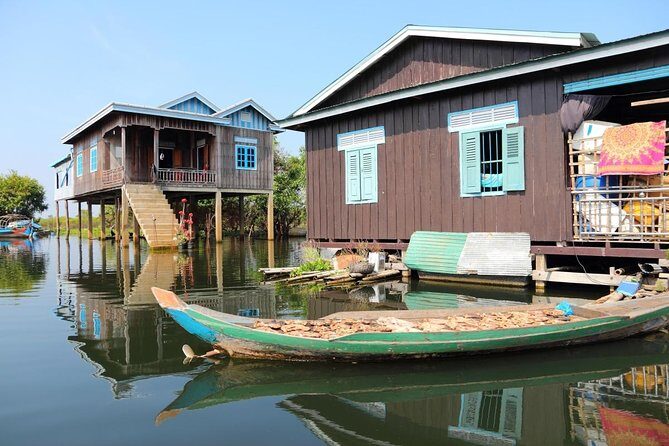
- Floodplain living you can actually see from floating communities to stilted fishing houses
- Private boat segment between Chong Kneas and Kampong Phluk, with life jackets included
- Chong Khneas first look as you ride onto Tonlé Sap
- Kampong Phluk is the main stop, with houses built on stilts and an area that’s almost exclusively Khmer
- Mangrove paddle timing: available in Aug–Jan, but the canoe ride is extra
Tonlé Sap Floodplain Life: Why This Trip Feels Different
Tonlé Sap is Southeast Asia’s largest freshwater lake, and that size matters. The water level doesn’t just change the scenery; it changes how people live. During the months when the floodwaters spread, parts of the forest can go underwater, and that’s when the optional flooded mangrove paddle becomes possible.
That’s the real draw here: you’re not only visiting villages—you’re witnessing how families adapt to living close to the water and each other. It’s especially eye-opening when you shift from the floating village feel of Chong Khneas to the stilt-house world around Kampong Phluk. The vibe is quieter than city tourism, and you’ll come away with a better sense of why these communities have evolved the way they have.
You can also read our reviews of more tours and experiences in Siem Reap.
8:00 AM Pickup and the Ride to Chong Kneas
Your day starts early, with hotel pickup from Siem Reap around 8:00 AM. Then you’ll drive about 15 km south to the boat docks of Chong Kneas. This isn’t a long slog, which helps if you’ve already got temples on your schedule later.
This early start also gives you something underrated: you’re likely to begin your lake time before the day gets fully hot. The tour includes cold bottled water, which sounds basic until you’re standing near a boat and the air is already doing its thing.
The first stop is essentially about getting you to the right starting point and setting the day in motion. After that, the trip really becomes about the water.
Chong Khneas From the Boat: The First Look at Floating Life
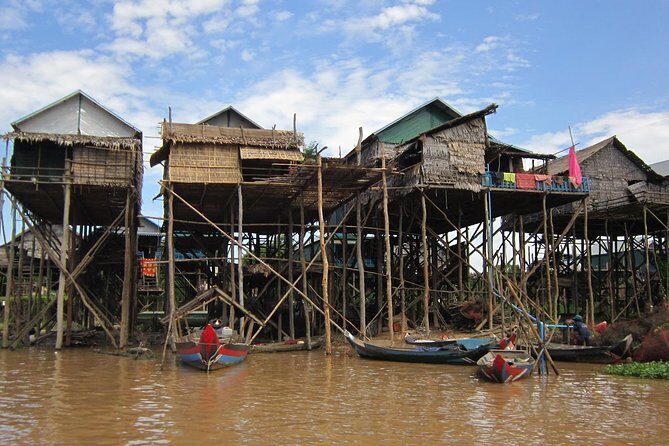
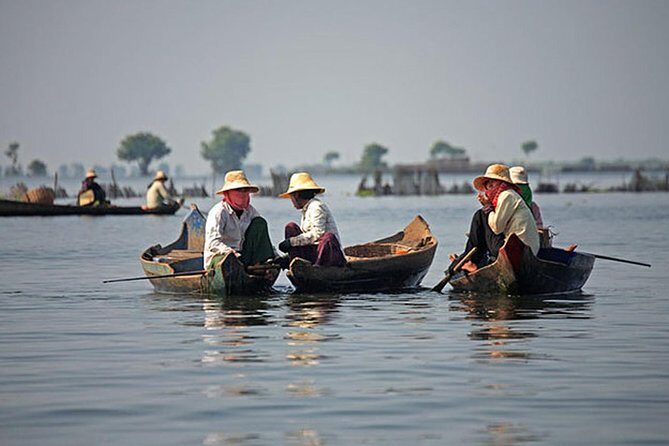
Once you’re set at the docks, you board a local boat for the ride onto Tonlé Sap. As you travel, you pass through the floating village of Chong Khneas. Even without getting off right away, that pass-by is a strong introduction. You get the sense of how homes and daily routines connect to the lake.
A benefit of seeing Chong Khneas from the water is perspective. From a boat, you understand the geography fast. You see why this lifestyle works with the lake’s rhythm rather than against it.
The trade-off is also simple: since you’re mainly riding through this area, you don’t get the same depth of stilt-house detail you’ll see later at Kampong Phluk. Think of Chong Khneas as your warm-up—like getting your bearings before the main show.
Kampong Phluk: Stilt Houses, Fishing Life, and Rural Rhythm
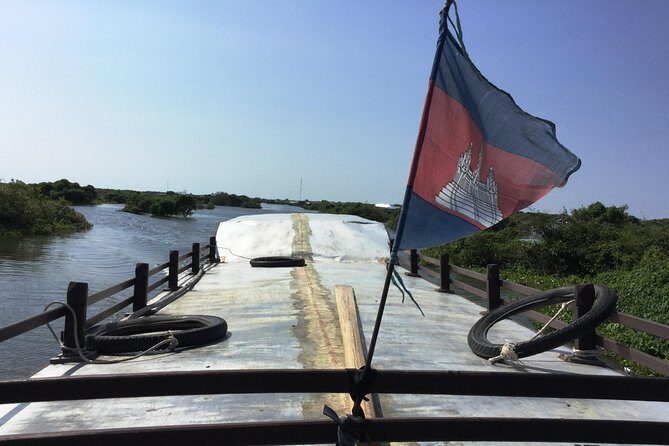
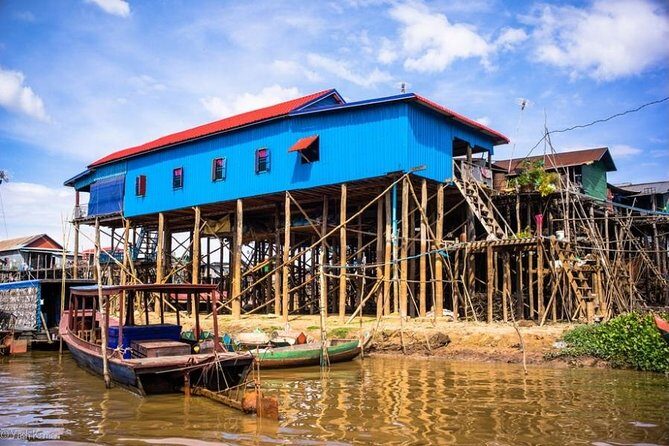
The heart of the experience is the further-up fishing village stop at Kampong Phluk. You’ll continue the boat journey onward, reaching the stilt-house community where houses are built on raised supports.
Two details make Kampong Phluk particularly distinctive. First, the homes on stilts show you the practical engineering of floodplain living. Second, this village is described as almost exclusively of Khmer origin, which helps you understand the community in cultural terms, not just in scenic terms.
This is where the day shifts from “interesting places” to “how people actually manage daily life.” You’ll spend about a couple hours here, which is long enough to slow down and observe rather than rush. And because it’s a fishing village further up the lake, the environment feels more remote than the spots close to Siem Reap that most people do.
What to watch for:
- how the stilt houses relate to the water level
- the close-quarters feel of a community that lives with boats and daily tasks in the same space
- the overall flow of life—practical, routine, and adapted to the lake
The drawback? If you expect constant big-ticket activities like temple-hopping, Kampong Phluk is more observational. It’s a “watch and understand” kind of stop, not a theme-park one.
The Optional Flooded Mangrove Paddle (Aug–Jan)
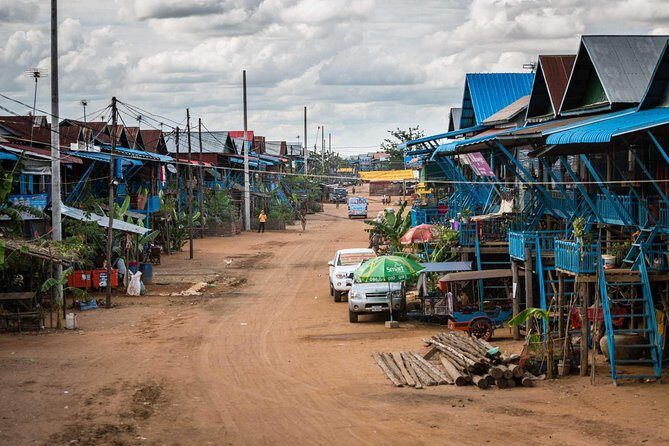
From August to January, there’s an optional chance to paddle through a flooded mangrove forest. The canoe ride isn’t included, so treat this like an add-on if you want the extra texture of the flood season.
Why it’s worth considering: mangroves turn the floodplain from a lake story into a living-ecosystem story. When water covers forest edges, boats become the route, and the forest becomes part of the journey.
Why it might not be for everyone: the paddle is seasonal and the canoe ride costs extra. If you’re visiting outside Aug–Jan, you can still do the core lake-village experience, but you’ll miss this specific flood-season element.
Also keep one practical point in mind. The tour notes that if weather is poor (unlikely, but possible during rainy season from July to mid-November), the route can change and you may not get the full planned mix of boat-and-mangrove time.

Lunch, Snacks, Cold Water, and Local Beers
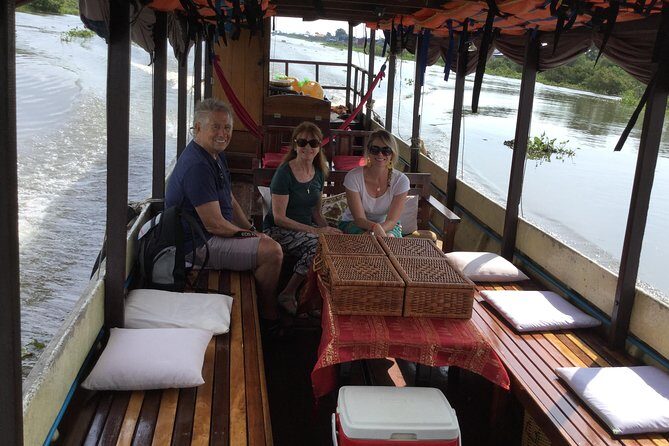
This tour scores points for something most lake trips ignore: you’re fed. Lunch and snacks are included, and the meal plan includes coke and cold bottled water. They also include local beers, which is a fun touch if you want a casual drink after time on the water.
Vegetarian options are available if you ask ahead. If you have any dietary requirements, send them during booking so the team can prepare. Don’t assume it’ll be easy to improvise on a lake day.
The value here isn’t just calories. Food and drinks keep the mood steady. With a 5–6 hour day out of town, having cold water on hand matters. And a proper lunch means you’re less likely to rush through the village stop just to find something to eat.
How This Small-Group Setup Changes Your Day
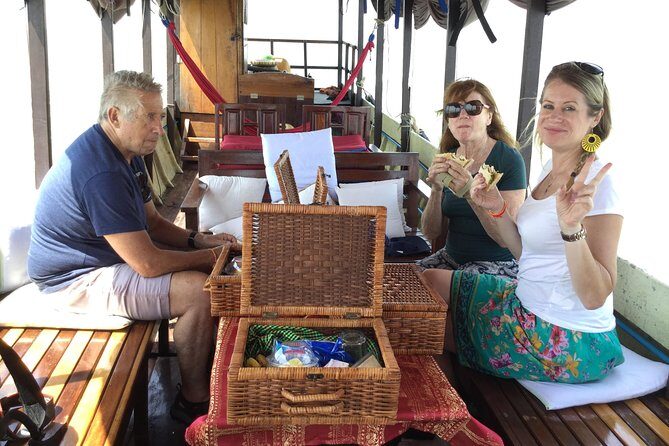
The tour caps at 15 travelers, which is a big deal on a boat-and-village day. Smaller groups move more quietly, and your guide can actually guide—answer questions, keep you together, and adjust if someone needs a moment.
You also get a private boat for the core ride between Chong Kneas and Kampong Phluk. Private doesn’t mean luxury-fancy; it means you’re not packed into a cattle car of strangers while you’re trying to notice details.
Life jackets are included, which is the kind of “boring” safety detail that makes your trip feel smoother. And because there’s an experienced English-speaking guide, you’re not stuck piecing things together with hand signals.
Price and Value: What You’re Really Paying For
At $219 per person, this isn’t the cheapest option around Siem Reap. But it’s also not just a “ticket to a boat ride.” You’re paying for a bundle of the hard parts:
- hotel pickup and drop-off
- boat time (including the private segment)
- an English-speaking guide
- entrance ticket coverage
- lunch, snacks, coke, cold bottled water
- life jackets
If you tried to recreate this on your own—arranging a guide, coordinating the boat logistics, paying for multiple parts of the day, and adding a solid meal—the total usually climbs quickly. Here, the price is essentially the convenience tax, but with real inclusions to justify it.
One note: the optional mangrove canoe ride costs extra. If mangrove time is a must for you, factor that into your budget.
When Weather Changes the Plan (And What That Means for You)
The tour includes a weather contingency. If conditions are poor—rare, but possible during rainy season from July to mid-November—the plan can shift to visiting only Kampong Khleang and Kampong Phluk by car, while still taking boat rides in those areas as possible.
For you, that means don’t panic if the route isn’t identical every day. The bigger picture is still consistent: you’ll see floating/stilt living on Tonlé Sap and get meaningful village time. The only element you might lose is the specific mangrove paddle component, since the optional canoe part ties to season and conditions.
Who This Tonlé Sap Trip Fits Best
This is a great match if you want:
- a break from temple-only sightseeing
- a clearer look at rural life shaped by water levels
- a short day that still feels like a real experience, not a rushed stop
It also works well for couples and small groups who like being on the water and don’t mind a day with lots of watching and learning.
Family note: children must be accompanied by an adult, so plan accordingly. If you’re traveling with kids, keep the 5–6 hour time window in mind and bring patience for boat schedules and village walking time.
Should You Book This Tonlé Sap Floating Villages Tour?
I’d book it if you want something honest and grounded in how people live on one of the region’s defining water systems. The mix of a first floating-village glimpse and the main stilted fishing stop at Kampong Phluk makes the day feel balanced: you get orientation early, then you get the “this is how it works” moment later.
Pass, or switch plans, if mangrove paddling is the only thing you care about and your dates fall outside August to January—because that part is optional anyway and the canoe ride isn’t included. Also, if you want non-stop action like a theme park, this is more observational than loud.
FAQ
FAQ
How long is the Tonlé Sap floating villages tour?
It runs about 5 to 6 hours.
What time does the pickup start in Siem Reap?
Pickup is scheduled for 8:00 AM.
Where do you go first, and how far is it from Siem Reap?
You drive about 15 km south of Siem Reap to the boat docks at Chong Kneas.
Do you visit floating villages on the lake?
Yes. You pass through the floating village of Chong Khneas during the boat ride.
How long do you spend at Kampong Phluk?
You spend about 2 hours at Kampong Phluk.
Is the mangrove paddle/canoe ride included?
No. The optional paddle through the flooded mangrove forest (Aug to Jan) is not included as a canoe ride add-on.
What’s included for meals and drinks?
You get lunch and snacks, including coke and cold bottled water, plus local beers.
How big is the group?
The maximum group size is 15 travelers.
What happens if the weather is poor?
In poor weather (unlikely, but possible in rainy season between July and mid-November), the tour may switch to visiting Kampong Khleang and Kampong Phluk by car, while still taking boat rides in those areas as possible.
Can I cancel for a full refund?
Yes. You can cancel up to 24 hours in advance for a full refund.