REVIEW · SIEM REAP
Siem Reap: Kulen Elephant Forest & Tonlesap Lake
Book on GetYourGuide →Operated by GREEN ERA TRAVEL · Bookable on GetYourGuide
Elephants and a floating village in one day. This 7-hour Siem Reap outing pairs a guided forest walk in Kulen Elephant Forest with Kompong Phluk on Tonle Sap Lake. I love the up-close elephant time in their natural habitat, and I also like how the day mixes jungle trekking toward waterfalls with real Khmer village life, explained by guides like Nak (with driver Channa) and others such as Sath and Sophy.
One possible drawback: the lake portion can feel like a detour if you’re short on time, and lunch is not included. Also, the overall price can feel high unless you truly care about both the elephants and Tonle Sap.
In This Review
- Key things to notice before you go
- Why Kulen Elephant Forest and Tonle Sap fit together so well
- Getting there from Siem Reap: pickup, A/C comfort, and a longish road
- Kulen Elephant Forest: your briefing, then the forest walk with elephants
- The 2-kilometer trek toward waterfalls: how the hike actually works
- Kompong Phluk on Tonle Sap: stilt houses, floating market energy, and local routine
- Boat trip and canoe time: flooded forests in rainy season
- Guides really matter here: Nak, Channa, Sath, and Sophy
- Price and value: $217 for a 7-hour combo day
- What to bring, what to wear, and how to behave
- Who this tour suits best (and who should skip it)
- Final verdict: should you book Kulen Elephant Forest & Tonle Sap Lake?
- FAQ
- How long is the tour?
- What is the price per person?
- Do I get hotel pickup and drop-off in Siem Reap?
- Is lunch included?
- What is included at Kulen Elephant Forest?
- Is the boat trip to Kompong Phluk included?
- Is a canoe ride included at Kompong Phluk?
- What language is the tour guide?
- What should I bring, and are there any restrictions?
- Is this tour suitable if I have altitude sickness?
Key things to notice before you go
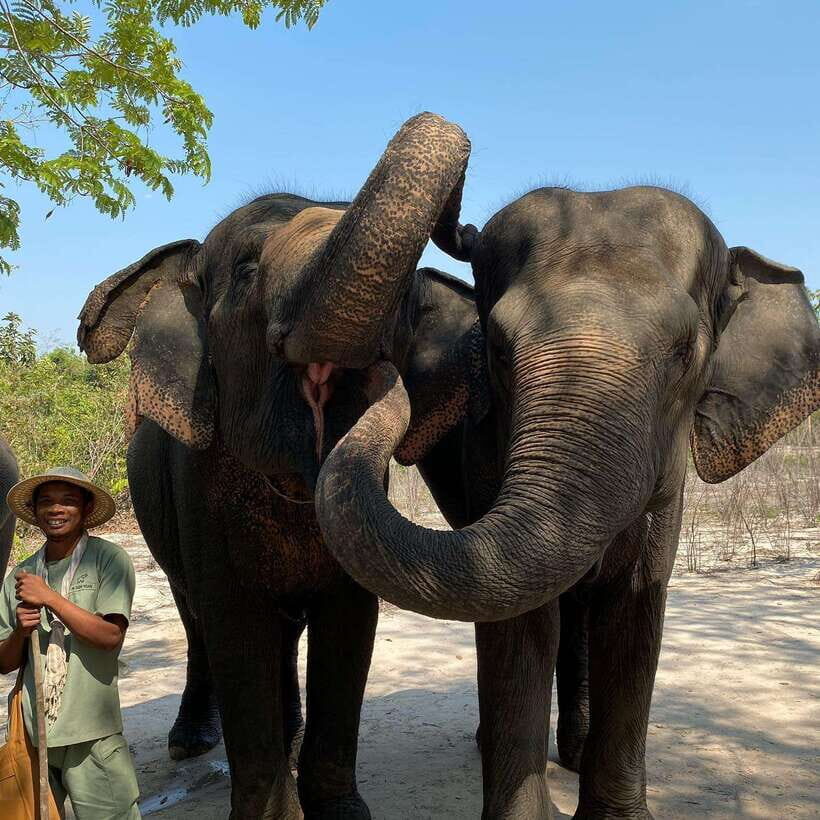
- Elephants in a protected setting: You get face-to-face time with elephants in their habitat, with sanctuary guides explaining individual elephants.
- A real jungle walk, not just a photo stop: Expect a guided trek of about 2 kilometers for waterfall views.
- Kompong Phluk is about daily life: Stilt houses, a floating market atmosphere, and a look at routines around the water.
- Boat trip plus canoe-style time (season matters): In wetter months, flooded forest routes can be more interesting.
- Guides can make or break the day: Friendly, attentive guides like Nak and Sophy often turn the drive and walks into useful context.
- You’ll walk in sun and mud: Bring the right shoes and clothes, because this is outdoors the whole time.
Why Kulen Elephant Forest and Tonle Sap fit together so well
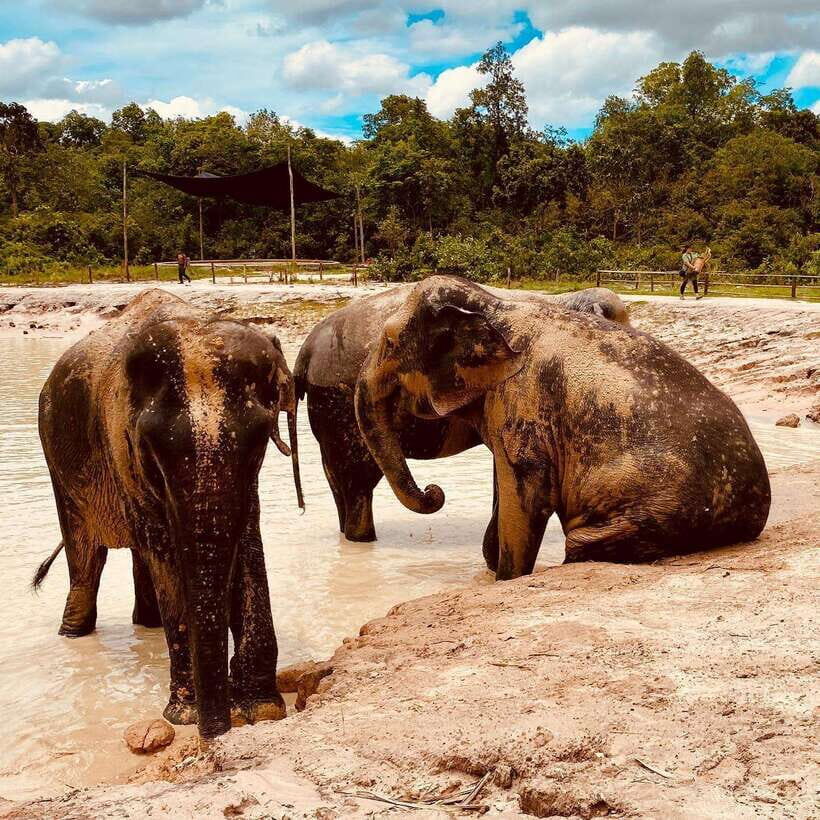
This is one of those rare day trips where two big highlights actually complement each other. The morning is all about elephants and rainforest sounds. The afternoon shifts to Tonle Sap’s rhythm—boats, stilted homes, and flooded forest edges where daily life adjusts to the season.
If you’re only interested in Angkor-era temples, this won’t replace that. But if you want something more animal-and-nature focused (and still want a cultural stop), it works well as a break from crowds. The best days are the ones where you slow down: watch how elephants move, then watch how people live with the water.
Also, it’s not just “see, leave, repeat.” You get a guided introduction, time on foot, and a proper walk through the park toward waterfall scenery.
You can also read our reviews of more tours and experiences in Siem Reap.
Getting there from Siem Reap: pickup, A/C comfort, and a longish road
You’re picked up from your Siem Reap hotel and driven in an air-conditioned car or minivan. That matters because this kind of outing starts early and keeps you moving. A/C isn’t glamorous, but on a hot Cambodia day it helps you arrive with energy instead of wilt.
The drive also gives you a buffer. While you’re in transit, your guide can set the tone—how the day works, what to expect around the elephants, and what you’ll be seeing later at Tonle Sap. On some days you may have a smaller group (one couple even described it as close to private), which usually means fewer time-wasting stops and more room for questions.
One practical tip: even when the car is cool, you’re outdoors a lot. Your biggest comfort wins will come from shoes that can handle walking and clothing that can get dirty later in the day.
Kulen Elephant Forest: your briefing, then the forest walk with elephants
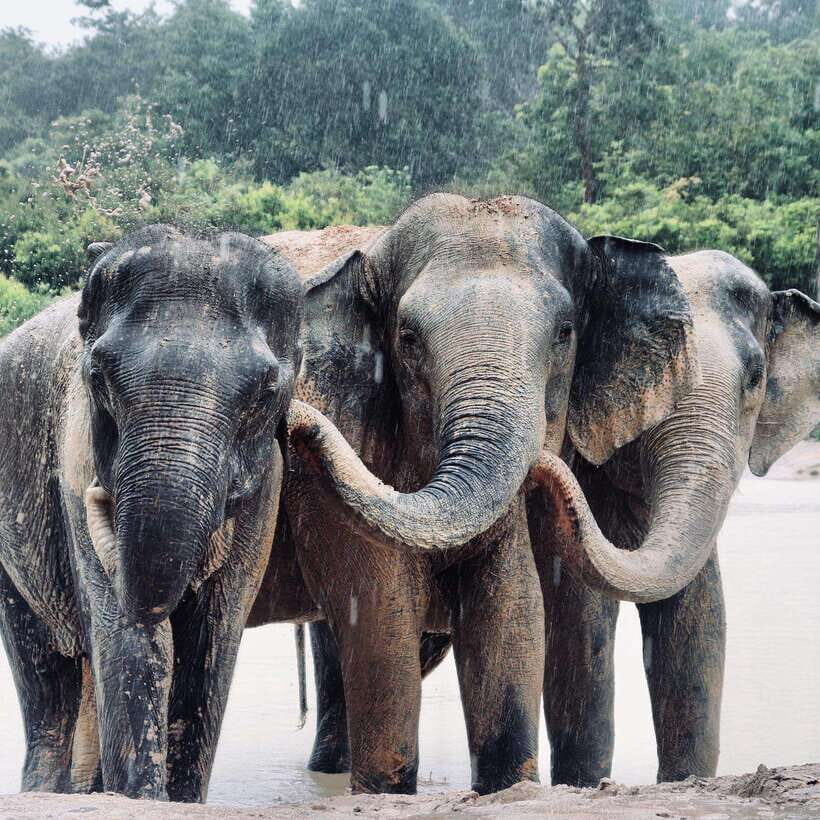
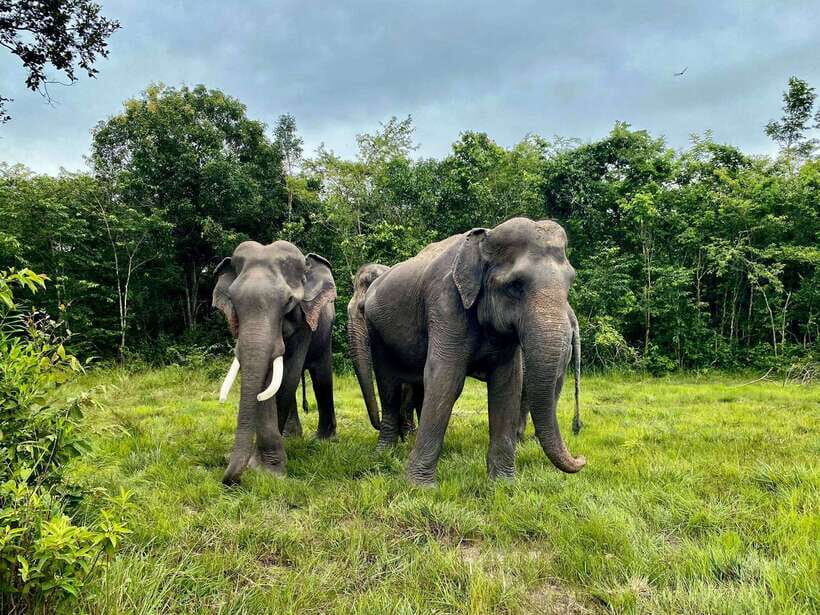
The heart of the tour is your visit to Kulen Elephant Forest. You’ll get a short intro briefing before you meet the elephants. This is where good guides shine. In practice, it helps you understand what you’re seeing—how the sanctuary handles elephant care and why the animals’ routines matter.
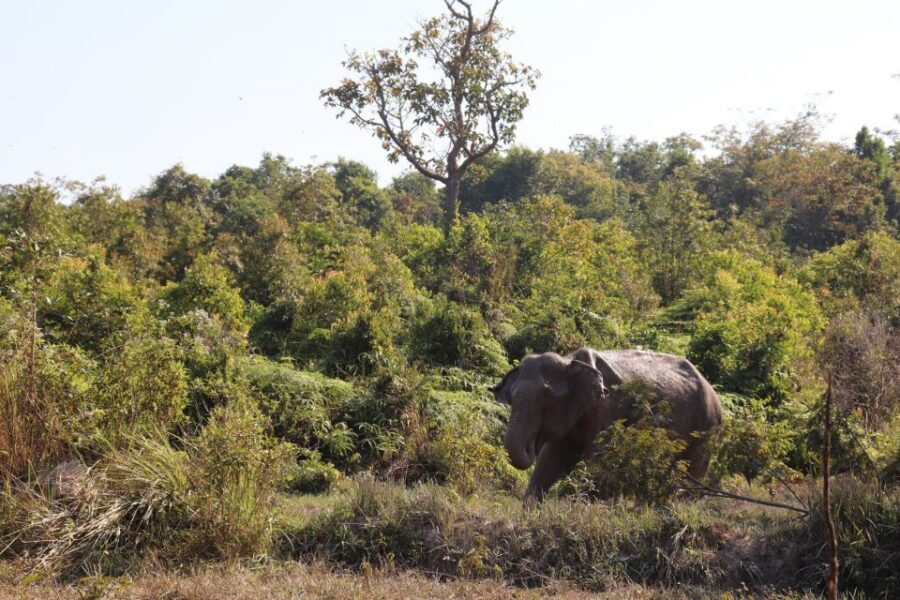
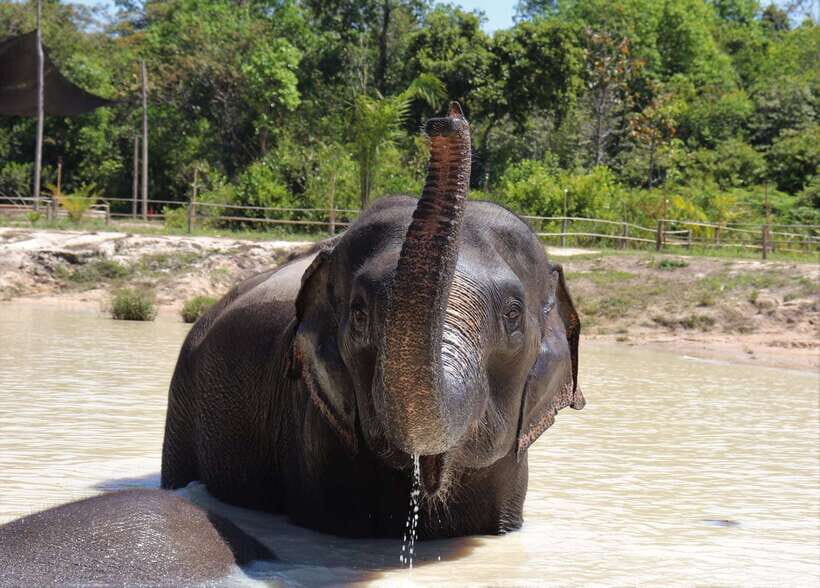
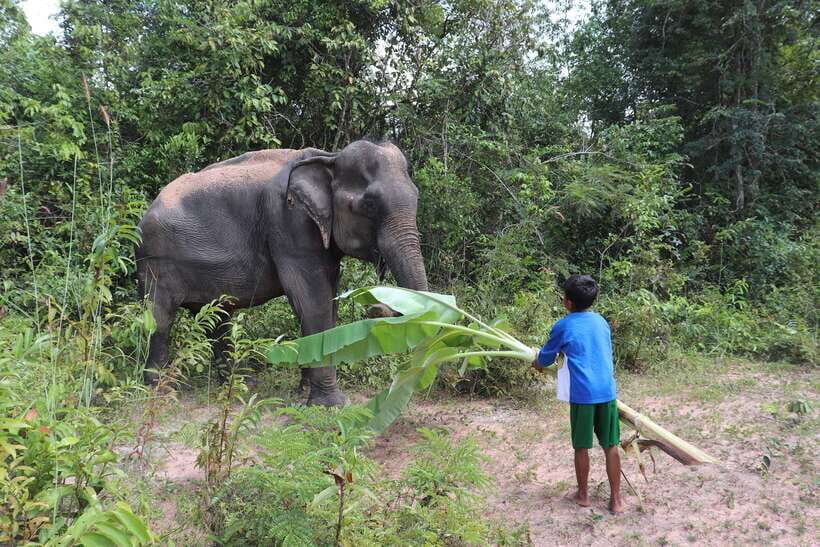
Then comes the moment most people come for: meeting the elephants face to face and walking with them into the forest. This is not a quick roadside encounter. You’re close enough to notice their behavior—how they pause, move, and respond to their environment. One thing I like about this part is that it’s framed as an animal encounter in their natural setting, not a theme-park performance.
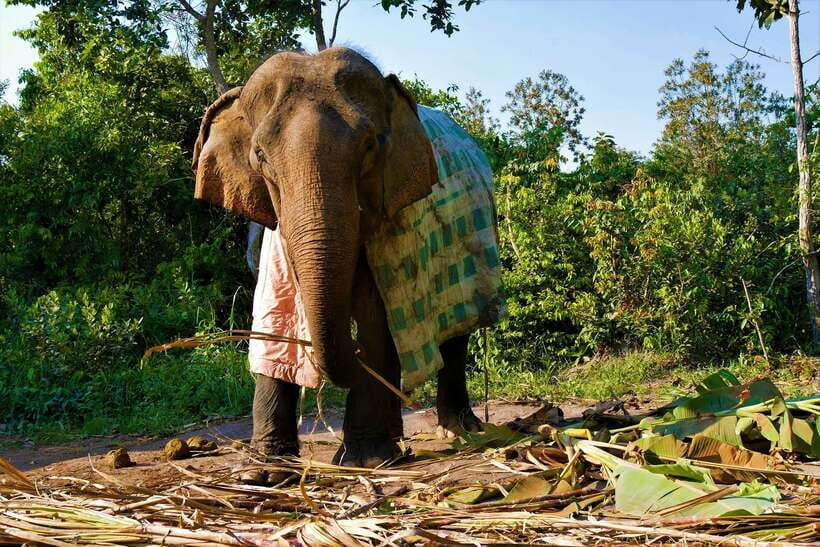
In several cases, sanctuary guides also share backstories for individual elephants. That kind of context turns the encounter from a single moment into something you can actually connect to.
You should still keep expectations realistic. You’re outdoors with large animals, so you won’t control the pace. But if you’re patient, you’ll get the benefit: calmer watching time and fewer “rush, pose, leave” vibes.
The 2-kilometer trek toward waterfalls: how the hike actually works
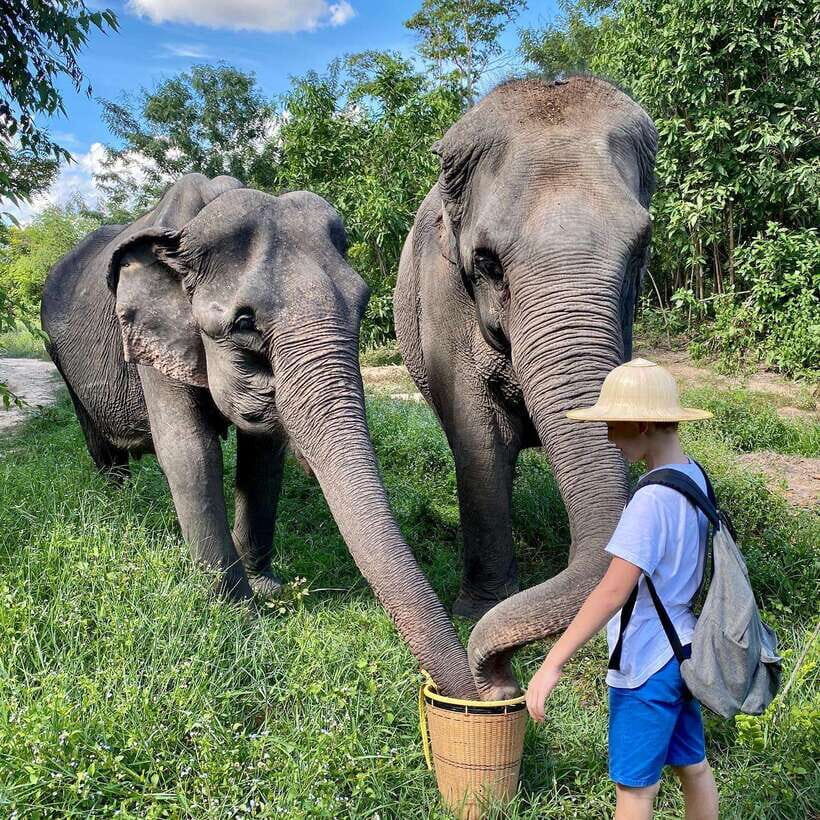
After the elephant time, you move deeper into the park for a guided hike. The trek is listed as about 2 kilometers, with waterfall scenery as the goal.
This is the part of the day that changes based on weather and trail conditions. On a dry day, it’s more of a steady nature walk with stops to take in views. During wetter conditions, expect mud and slick patches, plus the rainforest feeling that makes the air seem thicker.
The value here is not just the waterfalls. It’s the way the trek makes the elephant part feel grounded. You’re not only watching elephants—you’re experiencing the jungle habitat they live in and moving through the same kind of scenery that shapes their day.
If you’re prone to sore feet, plan for it. This is a full day tour, and the elephant forest walk plus the trek means your legs will work twice.
Kompong Phluk on Tonle Sap: stilt houses, floating market energy, and local routine
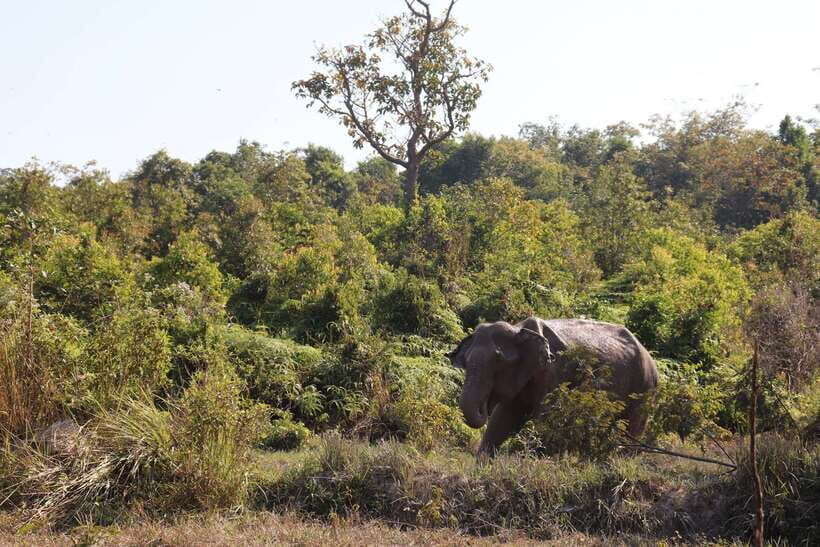
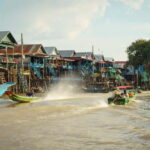
Once the jungle time is done, the tour shifts to Tonle Sap Lake and Kompong Phluk. Kompong Phluk is a scenic village area on the water, with stilted homes and a floating market atmosphere.
What I like about this stop is that it’s not designed as a totally separate world. You see daily life shaped by the lake—boats functioning like transport, buildings built to handle changing water levels, and the whole place moving at a different speed than land towns.
You’ll cruise around stilted houses and see the floating market vibe, then continue to the village area with entrance included. A local guide keeps the context on track, so you’re not just looking at structures and boats—you’re learning what they mean to locals.
One consideration: market areas can attract sellers trying to get your attention. If you’re sensitive to that, go in with a calm plan and a firm idea of what you want to buy (or what you don’t).

Boat trip and canoe time: flooded forests in rainy season
At Kompong Phluk, you get a boat trip and access to the floating village area. In the highlights, there’s also mention of a canoe ride through flooded forests, and the rainy season can make this part special.
In wetter months, you may get the chance to go through flooded forest sections that feel serene and enclosed—an experience that’s more about quiet observation than speed. One review described a very beautiful, calm ride during the rainy season, with mangrove-like scenery.
Now for the practical part: at least one participant reported needing to pay an extra fee (11 USD) specifically for the canoe portion. Your tour includes a boat trip, but this canoe segment can be handled a bit differently depending on conditions and operator decisions that day.
So if canoe time is a must for you, ask your guide what’s included on the day you book, or budget a little extra just in case.
Guides really matter here: Nak, Channa, Sath, and Sophy
This tour lives or dies on the human side: the guide’s calm pacing and their ability to explain what you’re seeing.
Some people specifically mentioned guides by name:
- Nak was described as friendly and accommodating, with a lot of Cambodia context beyond the itinerary.
- Channa (the driver) was part of the smooth day, which sounds small but matters when you’re stuck on the road for hours.
- Sath provided clear explanations during the floating village portion.
- Sophy was praised for staying attentive, even helping with photos, and guiding people through local routines.
Even if your guide isn’t one of these names, the lesson is the same: on an animal day trip, you want someone who can manage timing and keep you respectful around the elephants. In the best versions of this tour, the guide makes you feel like you understand the place, not just pass through it.
Price and value: $217 for a 7-hour combo day
At $217 per person, this is not a cheap throwaway day. The value depends on what you prioritize.
Here’s what you do get for the money:
- Hotel pickup and drop-off
- Air-conditioned transport
- A local guide (English)
- Bottled water
- Walking with elephants
- Kul en Elephant Forest experience with briefing and forest walk
- Kampong Phluk boat trip
- Kampong Phluk floating village entrance
- A guided trek (about 2 kilometers)
What’s not included:
- Travel insurance
- Lunch
So you’re paying for logistics (pickup, A/C transport), plus two big-time blocks that are effort-heavy: elephants and Tonle Sap water village time. If you’re the type who thinks, why pay to do this, you can skip. But if you want a structured day that ties nature and local life together, the price starts to make sense.
The main value question is time allocation. Some people felt the Tonle Sap segment wasn’t the best use of their limited Siem Reap time. If you already know you love Kompong Phluk-style experiences, you’ll likely feel differently. If you’re unsure, look at your trip overall: will you have enough days for temple sightseeing and a nature-and-lake day?
What to bring, what to wear, and how to behave
This is an outdoors day, so pack for comfort, not looks.
Bring:
- Comfortable shoes (you’ll thank yourself later)
- Sunglasses
- Sun hat
- Sunscreen
- Water
- Comfortable clothes
- Clothes that can get dirty
- Biodegradable insect repellent
And keep a few behavior notes in mind:
- Alcohol and drugs are not allowed.
- You’re walking and trekking, so expect physical effort.
- It’s not suitable for people with altitude sickness.
The “dirty clothes” line is not a joke. Jungle and lake-area ground can be wet, muddy, or both. Wear clothes you don’t mind getting stained, and keep your most delicate items packed away.
Who this tour suits best (and who should skip it)
You’ll likely enjoy this tour if you:
- Want a well-structured day trip that mixes elephants, jungle trekking, and a lake village
- Care about learning from guides, not just taking photos
- Prefer animal experiences where you stay in the animals’ environment, with time to observe behavior
You might want to skip or adjust your expectations if you:
- Have only a very small window in Siem Reap and feel you can’t spare time for the lake segment
- Are uncomfortable with market-area selling pressure in any form
- Don’t do well with walking and uneven outdoor conditions
Also, since lunch is not included, plan your day around that gap. You’ll want snacks or budget for a meal when the tour ends (or use a stop strategy if your guide allows it).
Final verdict: should you book Kulen Elephant Forest & Tonle Sap Lake?
If your top priority is the elephant part—and you like the idea of a guided forest walk plus a real jungle trek—then this tour is a strong match. The elephant time is widely treated as the highlight, and the sanctuary setup with careful elephant care and guide explanations tends to land well.
If your goal is mainly Kompong Phluk photos or quick sightseeing, you might feel the price is steep for what is ultimately a time-split day. In that case, consider how many days you have in Siem Reap. When you have flexibility, you can appreciate both halves. When you’re rushed, you might wish you’d focused more on one highlight.
My practical takeaway: book it if you want a full, nature-and-lake day with good guidance, and pack properly for walking. If the lake portion feels like “extra” to you, you may want to swap this for a more temple-centered plan.
FAQ
How long is the tour?
The experience lasts 7 hours.
What is the price per person?
The price is listed as $217 per person.
Do I get hotel pickup and drop-off in Siem Reap?
Yes. Pickup from your hotel in Siem Reap is included, and you’ll be dropped off back at the end.
Is lunch included?
No. Lunch is not included.
What is included at Kulen Elephant Forest?
You get walking with elephants, plus an included elephant forest experience with a guided component and briefing.
Is the boat trip to Kompong Phluk included?
Yes. The tour includes a Kampong Phluk boat trip, and it also includes Kampong Phluk floating village entrance.
Is a canoe ride included at Kompong Phluk?
The experience description mentions a canoe ride. However, at least one participant reported paying an additional 11 USD for the canoe portion, so it may vary by day.
What language is the tour guide?
The live tour guide is available in English.
What should I bring, and are there any restrictions?
Bring comfortable shoes, sunglasses, sun hat, sunscreen, water, comfortable clothes (and clothes that can get dirty), and biodegradable insect repellent. Alcohol and drugs are not allowed.
Is this tour suitable if I have altitude sickness?
No. It is not suitable for people with altitude sickness.