REVIEW · SIEM REAP
Siem Reap: Angkor Wat Sunrise Explore The Most Iconic Temples
Book on Viator →Operated by Hellobird Tour · Bookable on Viator
Sunrise at Angkor has a way of sticking with you. This Siem Reap tour is built around the early start and a guided circuit through several of the most famous (and a few quieter) temples in the Angkor Archaeological Park. You get air-conditioned transport, hotel pickup and drop-off, and an English-speaking guide who helps you make sense of what you’re seeing.
Two things I really like: you’re not left to figure everything out alone, and you get a real temple mix instead of only doing Angkor Wat. I also like the practical touches that show up when plans meet reality—like drinking water and umbrellas if weather turns wet. One consideration: Angkor sunrise depends on conditions, and if rain or cloud cover shows up, you may not get the view you hoped for.
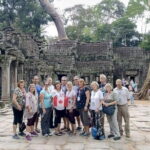
One more thing to keep in mind: while this is a small-group style tour (max 25), you can still end up divided across vehicles, and that can affect how much time you spend with the guide at each stop.
In This Review
- Key things to know before you go
- 4:30am in Siem Reap: how the sunrise timing works
- Pickup, transport, and the reality of a max group of 25
- Paying $26: what’s included, what costs extra, and why it can still be good value
- Entering Angkor Wat at first light: timing, attention, and ticket planning
- Banteay Kdei: why the quieter temple can be the best hour
- Ta Prohm: the “jungle temple” effect and what to notice
- Bayon and its faces: the moment Angkor Thom clicks
- Tonle Om Gate area: the grand causeway finish
- What you should bring (and what to expect if it rains)
- Who this tour suits best (and who might prefer a different plan)
- Should you book this Angkor Wat sunrise tour?
- FAQ
- What time does the tour start?
- How long is the experience?
- What’s included in the price?
- Is the Angkor Wat ticket included?
- Does the tour use a mobile ticket?
- How big is the group?
- Will I get help if it rains?
- What language is the guide?
- What’s the cancellation policy?
Key things to know before you go

- 4:30am departure from Siem Reap for the Angkor Wat sunrise timing
- Hotel pickup and drop-off in an air-conditioned vehicle, plus drinking water
- English-speaking guide (I’ve seen names like Nuon and Channoun credited)
- Fast-but-focused temple circuit: Angkor Wat, Banteay Kdei, Ta Prohm, Bayon, and the Angkor Thom gate area
- Angkor Wat admission ticket not included, so budget extra for entry
- Rain plan: umbrellas can be provided, but sunrise visibility is never guaranteed
4:30am in Siem Reap: how the sunrise timing works
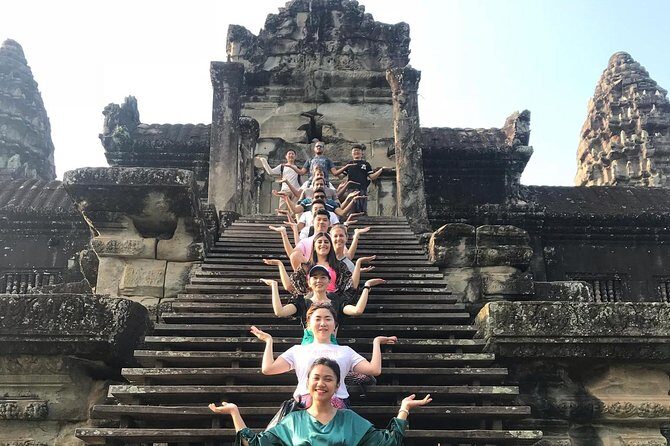
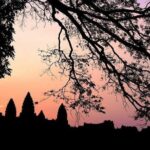
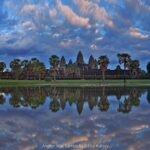
This tour starts early—start time is 4:30am—because Angkor Wat looks best when the light is cool and the crowds haven’t fully arrived. You’ll leave from your Siem Reap hotel area and ride out in an air-conditioned minibus, which matters more than it sounds. At sunrise, you’re often dealing with early darkness, moped traffic, and that first wave of heat building over the stone.
The big expectation here is simple: you’re trading a normal morning sleep-in for a chance at soft light over one of Cambodia’s most iconic sights. If weather is good, you get that classic “first light” feeling. If weather is bad, you still have a structured temple day, but the sunrise moment may be muted.
And yes, rain can happen. One review noted that even when it was raining and people got soaked, umbrellas were provided and the tour continued. That’s the kind of practical flexibility you want when you’re paying for early-morning time.
You can also read our reviews of more tours and experiences in Siem Reap
Pickup, transport, and the reality of a max group of 25
You’re paying just $26, and a lot of that value shows up in the logistics. Pickup and drop-off take the hassle out of getting to the park. The vehicle is air-conditioned, and water is included. On a temple day, those details help you stay functional.
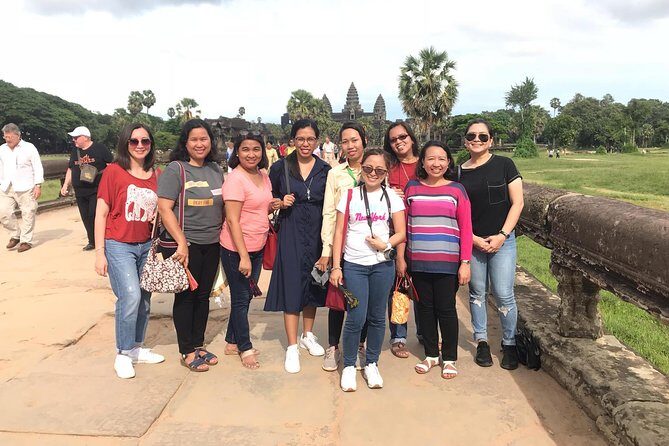
The tour runs with a guide in English, and the group size is capped at 25 travelers. In theory, that’s still manageable. In practice, there’s a consideration: the day may be split between transport vehicles at the ticket area or at park entry. One person reported ending up on a different vehicle from the guide, which affected how much guided time they received. If you’re the type who really wants commentary at every stop, keep that in mind.
Here’s my practical advice: be ready to be flexible. Use the guide at the stops that matter most to you—Angkor Wat and Bayon tend to deliver the most payoff for learning what you’re looking at.
Paying $26: what’s included, what costs extra, and why it can still be good value
At $26, this is the kind of tour that works best as a smart way to bundle transport + guide + key temples. Included basics are:
- Hotel pickup and drop-off
- English-speaking tour guide
- Air-conditioned transportation
- Drinking water
Not included:
- Angkor Wat ticket
- Meal
So the value equation is mostly about one thing: your Angkor Wat admission. If you were planning to visit anyway, the included guide and park route can turn this into a “pay once, save time” day. If you were only half-committed to the full circuit, it may feel like you’re paying for sites you didn’t want as strongly.
Also, note that the itinerary includes a ticket purchase step at Angkor Wat. That’s normal, but it can eat into the time you’re expecting for sunrise photos and exploration. Come with a clear priority list: where you want to stand, what angles you want, and how long you want to wander before you join the group again.
Entering Angkor Wat at first light: timing, attention, and ticket planning
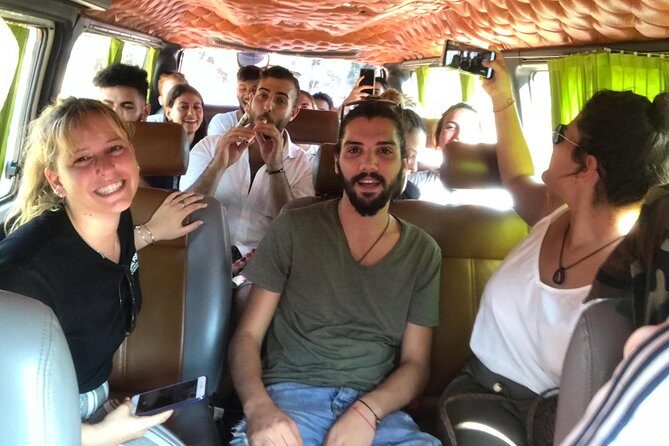
Angkor Wat is where the tour earns its name. The day starts with a ride into the Angkor Archaeological Park, then you buy your entrance ticket (not included). The tour schedule gives you about 3 hours at Angkor Wat, which is a decent amount for sunrise viewing and then a first pass through the main areas.
Two practical tips make this part go smoother:
- Plan your photo goals quickly. Early morning crowds are still a factor; you won’t want to spend your best light time deciding where to go.
- Factor in ticket time. If you lose momentum at the ticket counter, you feel it immediately in how rushed your walking becomes.
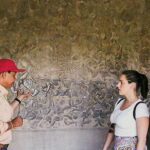
What’s worth paying attention to at Angkor Wat is how the whole complex works as a designed stage. Even if you’re not a temple-architecture expert, a good guide can help you connect what you see—causeways, towers, courtyards—with the ideas behind Khmer royal and religious symbolism. One review highlighted how guide Nuon was very knowledgeable and shared insight into Khmer history, which is exactly the kind of value you’re buying when you choose a guided tour instead of a DIY walk.
Potential drawback: if you expect a slow, deep explanation, the time may feel tight. One review described it as more of a quick visit than a history-focused session. For me, the sweet spot is using your guide for the big-picture context while you still have energy to explore on your own feet.
Banteay Kdei: why the quieter temple can be the best hour
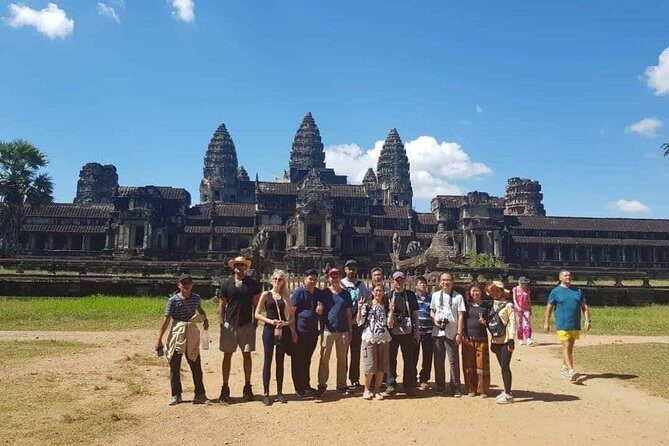
After Angkor Wat, you head to Banteay Kdei for about 1 hour. This is a good palate cleanser. Banteay Kdei is described as the “Citadel of Chambers,” built in the late 12th century as a Buddhist monastery. It’s often quieter than the headline temples, and that matters when you’re tired from an early morning.
What makes Banteay Kdei worth your time is how it feels calmer. You get unique carvings and more serene corridors than you’ll find in the busiest temple spots. In other words: you can actually slow down.
For this stop, I’d suggest you take the guide’s cues and then look around more than you take photos. The carvings and layout are easier to appreciate when you’re not constantly pushing through a crowd.

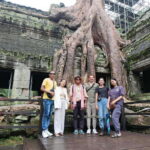
Ta Prohm: the “jungle temple” effect and what to notice
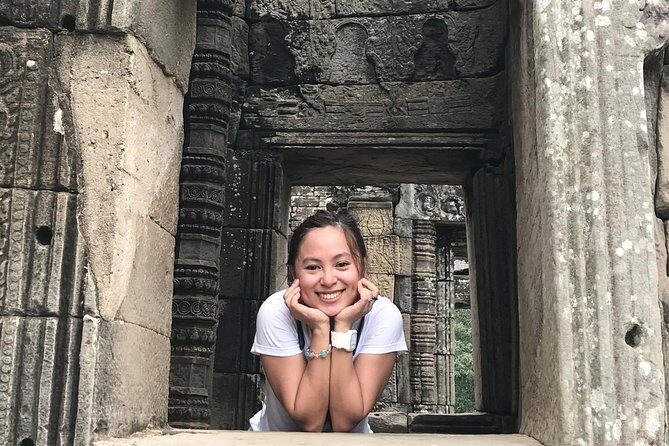
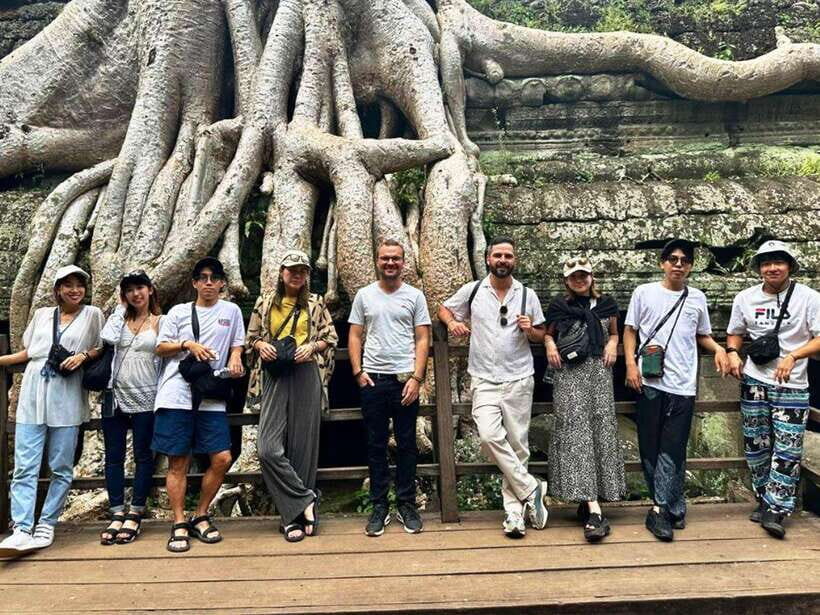
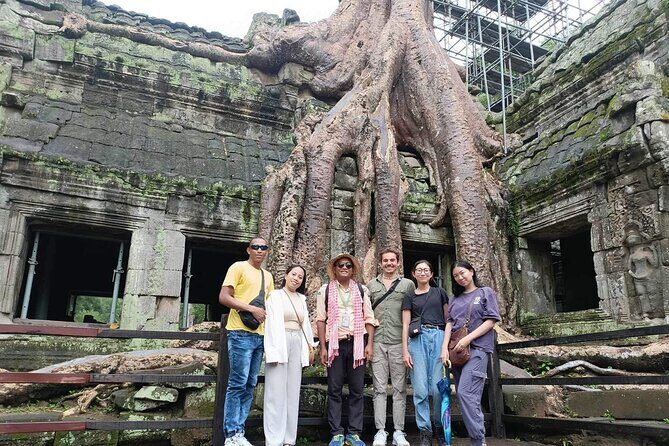
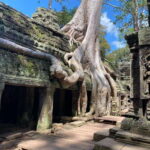
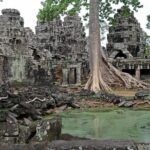
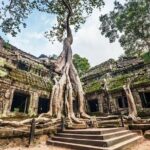
Next up is Ta Prohm, with about 2 hours on the schedule. This is the temple many people imagine before they arrive, thanks to the massive tree roots gripping the stone walls.
Ta Prohm dates to the 12th century, and a major reason it looks so dramatic is that it was left largely unrestored, creating that jungle temple look. That also means you’ll be walking on uneven surfaces and working around natural growth. Wear shoes you trust.
This is one of those stops where a guide helps you shift your view. It’s easy to think of Ta Prohm as purely cinematic. With context, you can better understand why preservation decisions shaped what you see today, and why the temple feels both ancient and alive. If you’re the type who enjoys atmosphere and “wow” visuals, Ta Prohm is one of your best bets on this route.
Bayon and its faces: the moment Angkor Thom clicks
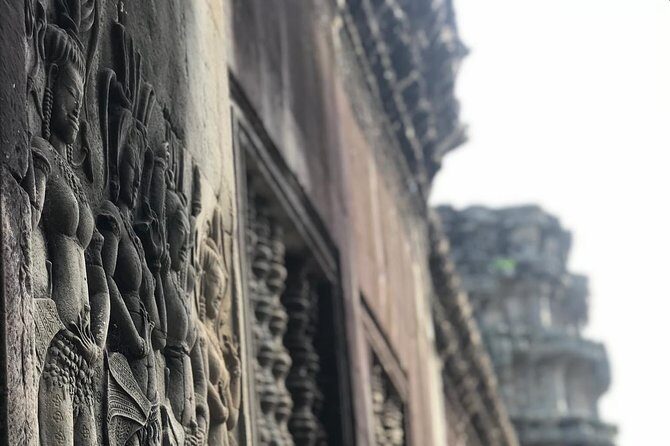
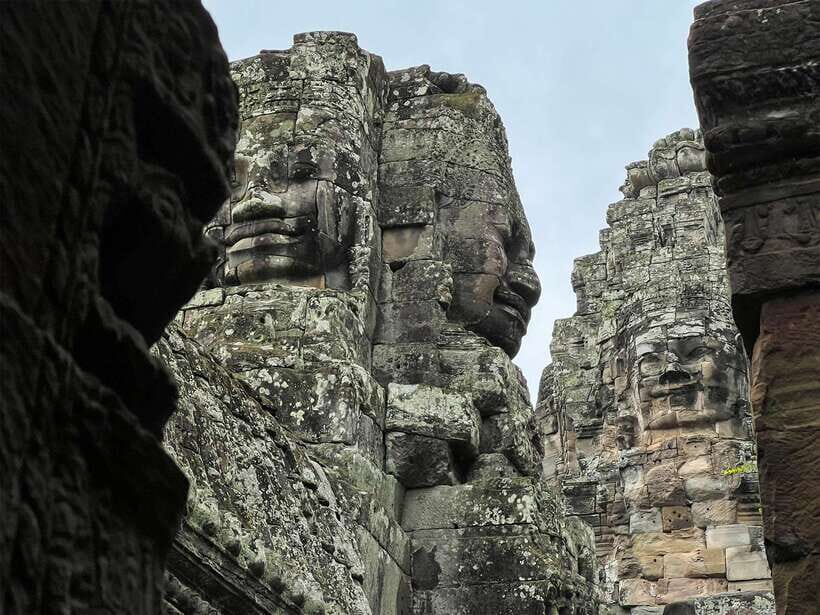
Then you move into Angkor Thom for Bayon Temple. You get about 1 hour here. Bayon is known for 54 towers, each with four massive, serene faces of Avalokiteshvara. Even if you’ve seen photos, being there puts the scale in your body.
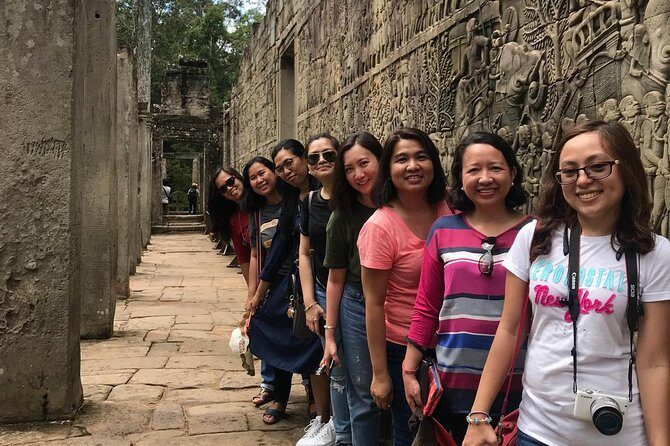
Bayon also gives you something different from the earlier stops: you see more storytelling through carvings. The itinerary notes scenes connected to daily life and history, which is where a guide can turn “pretty stone” into something more meaningful.
This is usually where the tour’s learning payoff becomes obvious. Early morning might be about spectacle; later in the day, the carvings and layout start to feel like a narrative. If you liked the explanations you got at Angkor Wat, Bayon is where that momentum can continue.
Tonle Om Gate area: the grand causeway finish
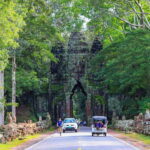
For the final temple-side stop, the tour mentions the gate area around Tonle Om Gate (described as the South Gate of Angkor Thom) and the causeway lined with statues of gods and demons. This is a dramatic ending for a day packed with stone.
The gate is crowned with four giant stone faces, similar in style to what you saw at Bayon. The causeway statues create that classic Angkor “processional” feeling—the sense that this was designed for people to move through, not just for tourists to stand and take pictures.
You’ll get about 1 hour here. That’s enough time to walk the area, reset your legs after earlier temples, and end on something visually memorable without needing another long climb.
What you should bring (and what to expect if it rains)
You’re starting at dawn and you’re walking. Even with guided stops, this isn’t a sit-and-ride tour.
Bring:
- comfortable walking shoes
- a light layer for early morning chill
- a rain layer if your forecast looks sketchy
- sunscreen (the sun ramps up fast after sunrise)
Water is included, and umbrellas can be provided if it rains, so you’re not going in totally empty-handed. The only thing you can’t control is sunrise visibility. Cloud cover and rain can block the exact light moment you hoped for. Still, the temple circuit keeps the day worthwhile even if the sky doesn’t cooperate.
Who this tour suits best (and who might prefer a different plan)
This is a strong fit if you want:
- easy logistics from Siem Reap with hotel pickup
- an English guide to explain what you’re seeing
- a route that mixes the big names (Angkor Wat, Ta Prohm, Bayon) with a calmer stop (Banteay Kdei)
It may be less ideal if you:
- want lots of time inside Angkor Wat for slow, detailed study
- expect a guarantee of sunrise photos regardless of weather
- need constant one-on-one guidance at every minute (because the group can be handled across transport in some situations)
If you’re traveling as a family or you just want the “best-of” outline without the stress of planning tickets, driving, and route mapping, this kind of guided sunrise tour usually hits the right balance.
Should you book this Angkor Wat sunrise tour?
If you’re trying to do Angkor without turning it into a logistics project, I think it’s a smart booking. For $26, you’re buying transport, pickup/drop-off, an English guide, and key temple stops—with drinking water included and umbrellas potentially available when it rains.
Book it if sunrise is important to you but you’re also okay with the reality of weather. Book it if you want help understanding what you’re looking at rather than wandering in the dark (literally at the start).
Skip or consider alternatives if you’re mainly chasing a long, quiet Angkor Wat deep dive, or if you know you’re the type who gets frustrated when a group runs across vehicles and guide attention doesn’t feel uniform.
FAQ
What time does the tour start?
The start time is 4:30am.
How long is the experience?
The duration is about 8 hours (approx.).
What’s included in the price?
Pickup, drop-off, an English-speaking tour guide, transportation, and drinking water are included.
Is the Angkor Wat ticket included?
No. The Angkor Wat ticket is not included, and you’ll purchase your entrance ticket on arrival.
Does the tour use a mobile ticket?
Yes, the tour offers mobile ticket options.
How big is the group?
The tour has a maximum of 25 travelers.
Will I get help if it rains?
The tour is weather-dependent, but umbrellas were provided in at least one rainy experience, and the tour still ran when it was wet.
What language is the guide?
The guide is English speaking.
What’s the cancellation policy?
You can cancel for a full refund up to 24 hours before the experience starts, and free cancellation is offered.