REVIEW · SIEM REAP
Kulen Mountain Tour with Kampong Phluk Floating Village
Book on GetYourGuide →Operated by ASEAN ANGKOR GUIDE · Bookable on GetYourGuide
One day, two Khmer worlds. This tour strings together Phnom Kulen’s sacred river shrines and cliff views, then shifts to the floating village life of Kampong Phluk on Tonlé Sap. I love how the day moves at a human pace for a long outing, and I love the waterfall-area picnic that tastes like real local food, not a factory lunch. One thing to plan for: you’ll pay separate temple/boat admission on the day in cash.
I also really like the guidance style. When I’m with guides like Seila or Mr Sam, the history lands in plain language, not a lecture, and you get helpful context for what you’re seeing (and why locals care). The driver support matters too: cold water and cold towels show up at the right moments, which makes the day feel easier.
The route is packed—mountain, temple sites, a long drive, then boats and sunset—so if you hate long days, think twice. Also note the tour isn’t a fit for children under 10, and there are limits on strollers and large bags.
In This Review
- Key things that make this tour worth it
- Phnom Kulen first: a sacred mountain day trip with real countryside stops
- The Poeng Ta Kho viewpoint: cliff views that make the drive feel worth it
- 1000 Lingas and Wat Preah Ang Thom: religion you can see, not just read about
- Kulen waterfall and picnic lunch: where the tour slows down
- Kampong Phluk on Tonlé Sap: mangroves, stilt houses, and a floating monastery
- Sunset by boat on Tonlé Sap: the moment that sticks
- Price and value: what you really pay for (and why it can be fair)
- Logistics that matter on the day: passes, cash, and what to pack
- Who should book (and who should skip)
- Quick tips to make your day smoother
- Should you book this Kulen + Kampong Phluk tour?
- FAQ
- FAQ
- What time does pickup happen?
- How long is the tour?
- Is the tour guide included, and what language do they speak?
- Is the admission to Phnom Kulen included in the price?
- Do I need cash for tickets?
- How much is the Tonlé Sap pass and boat share?
- What’s included for food and drinks?
- Is there a vegetarian option for lunch?
- Will I get time to swim at the waterfall?
- Are strollers or large bags allowed?
Key things that make this tour worth it
- You get both Kulen and Kampong Phluk in one 11-hour day, with a real shift from mountain ritual to Tonlé Sap village life.
- Guides like Seila, Mr Sam, Dara, Makara, and August explain Khmer spirituality and daily Cambodian life in clear, conversational English.
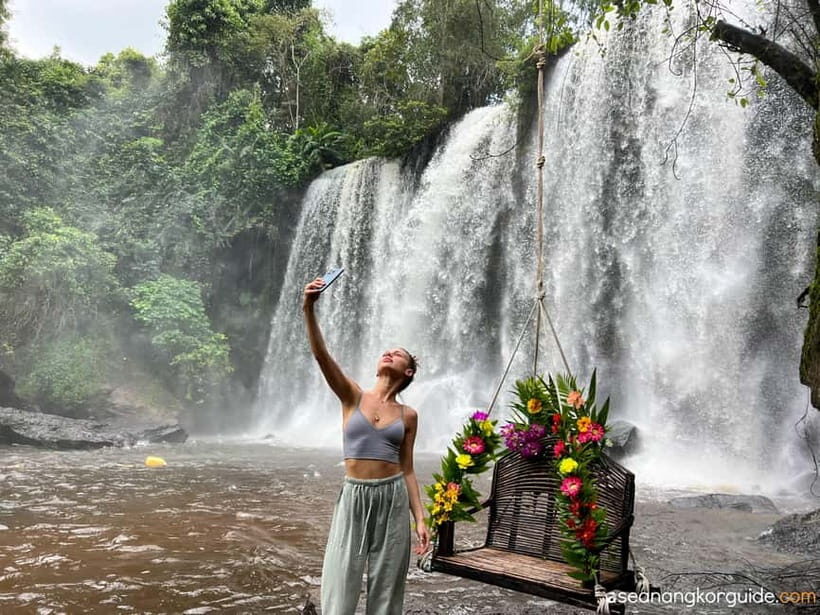
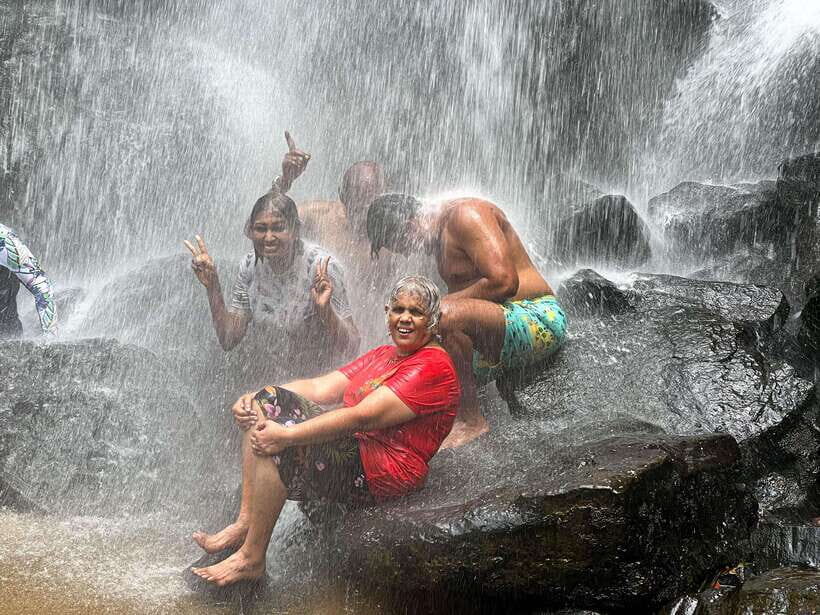
- Waterfall time is more than a photo stop: you get a break, plus picnic lunch, and many people choose to cool off in the water.
- Boat time isn’t window dressing: you’ll travel through the flooded mangrove area, then out toward sunset on Asia’s largest lake.
- Admissions aren’t included (Kulen pass and Tonlé Sap boat pass), and they’re cash-only on the spot.
Phnom Kulen first: a sacred mountain day trip with real countryside stops
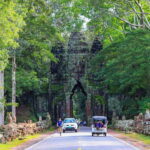
You start with a hotel pickup between 8:00 and 8:30 AM. From there, you roll out in an A/C minivan/bus through rural villages and farmland, where you’ll see rice fields, palm trees, and everyday Cambodian life outside the main tourist strips. It’s a good warm-up because it lowers the “temple fatigue” you can get if you go straight to monuments.
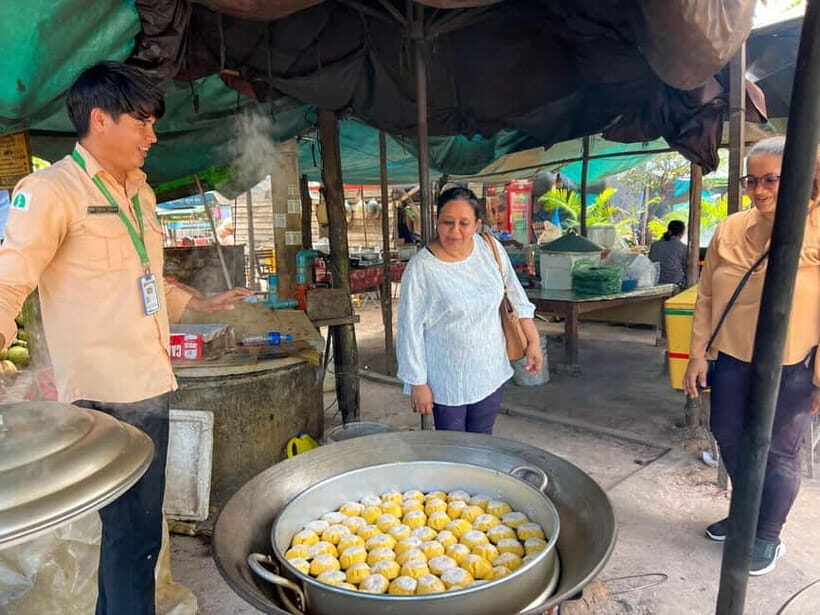
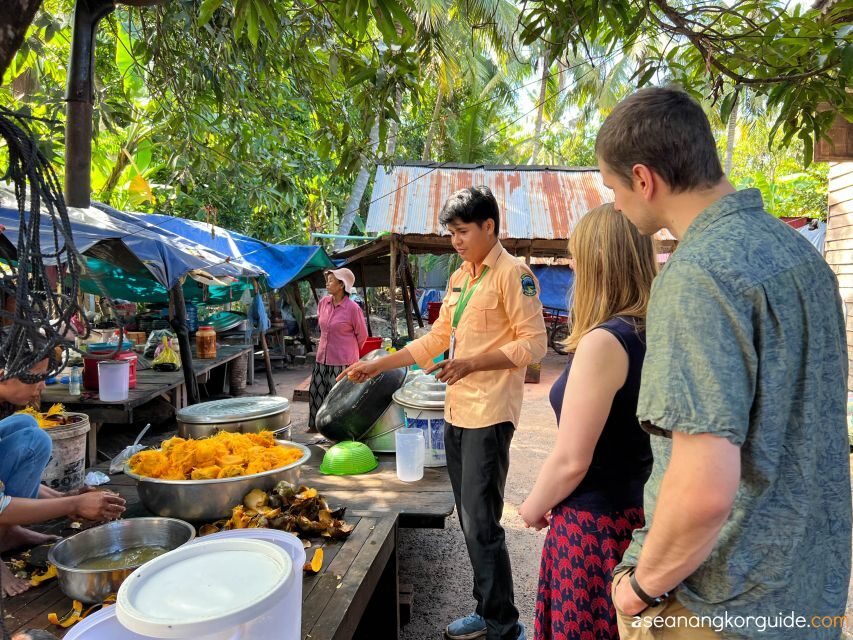
Your first guided stop is at a more local-feeling area in Phum Preah Dak. Here, you can watch and taste palm cake and palm sugar, which is a small but memorable way to understand how people earn a living around Siem Reap. It’s not just snack time—it gives you a baseline for what “local” means in this region.
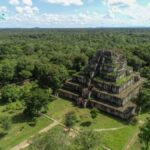
Then the drive continues up toward Phnom Kulen National Park. This is where the tour earns its name: you’re heading to Cambodia’s lost Khmer-era heartland and the religious sites connected to it. The pacing matters. You get a sequence of stops that feel connected—cliff viewpoint, river shrines, a temple, then waterfall—so the day doesn’t feel like random hopping.
You can also read our reviews of more tours and experiences in Siem Reap.
The Poeng Ta Kho viewpoint: cliff views that make the drive feel worth it
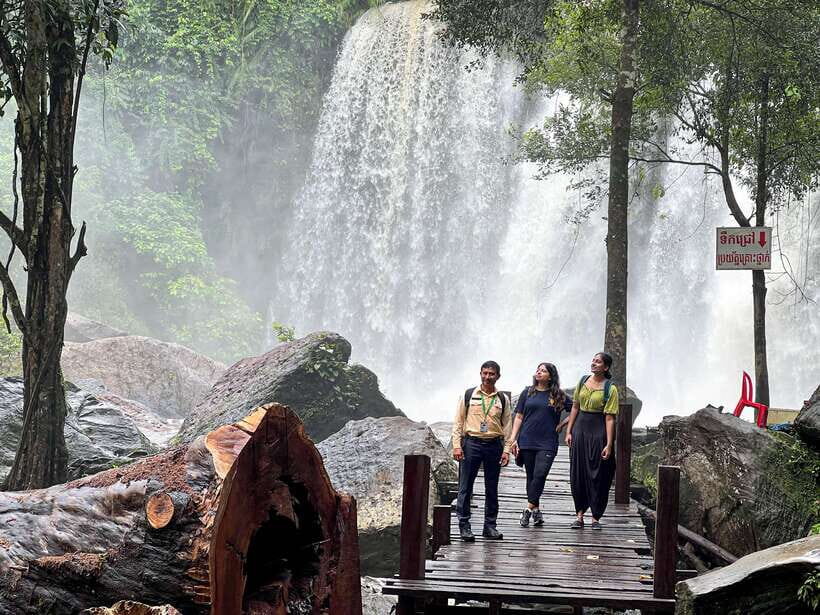
One of the first “wow” moments is at Poeng Ta Kho, also described as the Amazing Cliff. You walk briefly, and you’re meant to take in the view and the dramatic rock setting. Even if you’re not the type who loves hiking, it’s a short stretch—just enough to turn the mountain ride into something special.
This is also a good point to get your bearings. You’ll be surrounded by park scenery, and your guide can explain how this area fits into Khmer religious geography. If you like photos, this is one of your better chances of getting angles that aren’t limited to flat temple fronts.
1000 Lingas and Wat Preah Ang Thom: religion you can see, not just read about
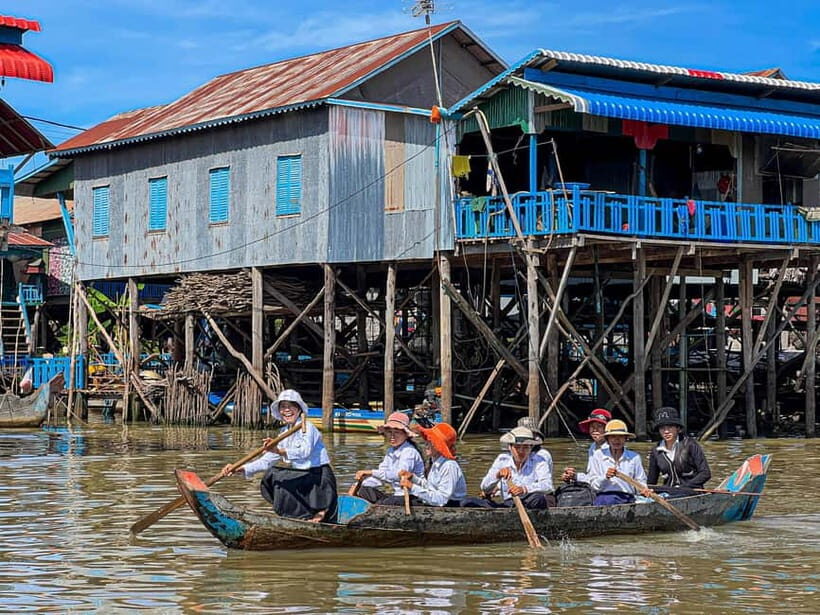
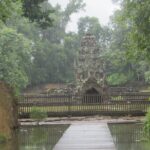
Next comes 1000 Lingas, the river of carved Shiva lingas built in 802 AD. You’ll see the shrines connected to sacred water, and your guide will connect the dots between belief and landscape. This is the part of the day that feels most “understood” when the guide talks clearly—because you can’t fully get the meaning just by looking.
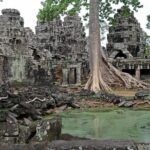
After that, you visit Wat Preah Ang Thom. You’ll have time to walk and take in the temple setting, with your guide guiding you through what to notice. This stop adds a different angle from the river shrines: you’re shifting from ritual objects in/near water to a temple space where people historically gathered.
A practical note: these parts of Phnom Kulen are outdoors. Heat and sun are real. Bring sunglasses, sunscreen, and a hat, and plan to keep water within reach. The tour includes unlimited bottled water and cool towels, which helps a lot.
Kulen waterfall and picnic lunch: where the tour slows down
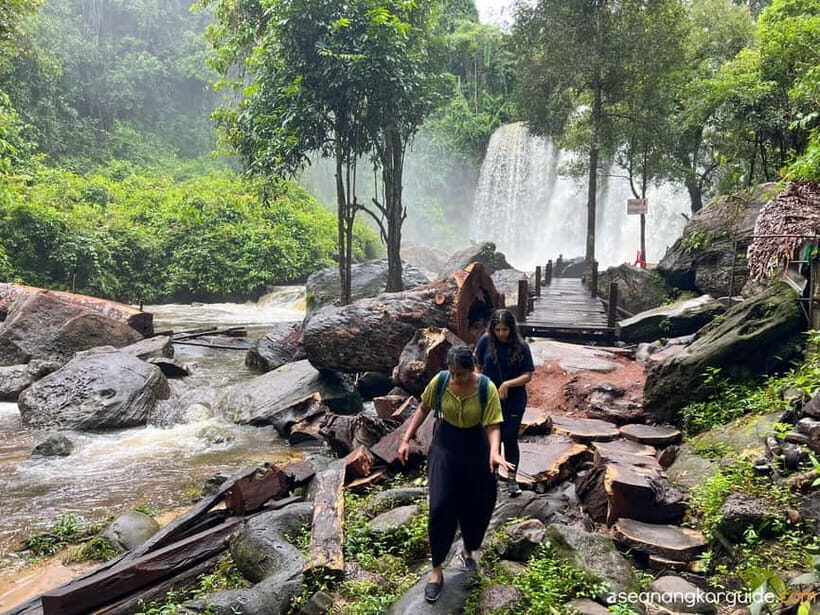
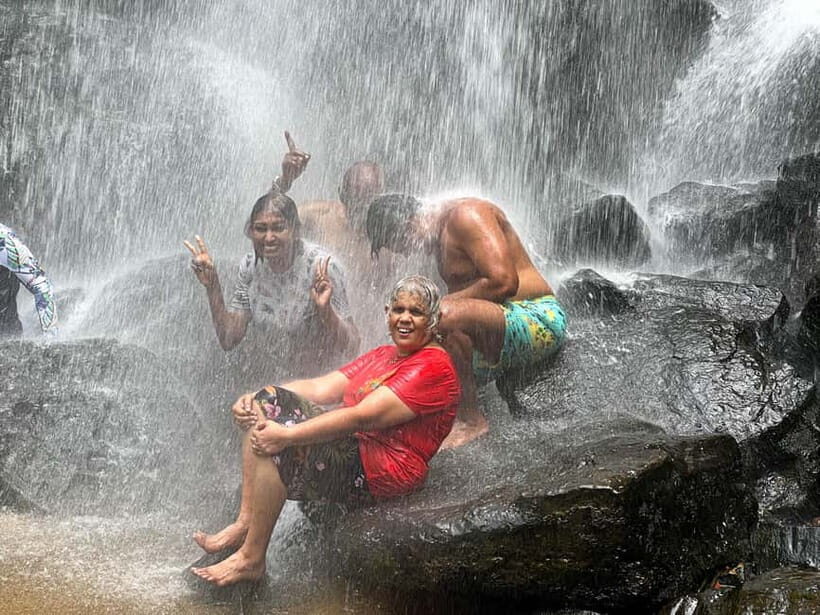
Kulen waterfall is your break point. You get time at the waterfall area, plus lunch/picnic. In the better version of this day, this is where you feel the tour company’s attention to comfort: the lunch is prepared on-site in a set picnic style, and it’s paired with seasonal fruits. Many people also swim here, so bring a towel (and swimwear if you want to get in).
The food is a highlight: grill chicken is mentioned, plus rice and more items depending on what’s served on the day. One of the strongest repeat themes is that the lunch doesn’t feel like a rushed afterthought. It feels like the centerpiece for the middle of an intense day.
If you’re sensitive to crowds, keep in mind you’re sharing the waterfall with other visitors. Still, the tented picnic vibe can make it feel relaxed. Think of it as your reset before the switch to lake life later.
After lunch, you may also get more cliff views before heading out toward Tonlé Sap. This is a good moment to stretch your legs one last time and let the guide’s context sink in—because once you reach Kampong Phluk, the scenery and culture shift quickly.
Kampong Phluk on Tonlé Sap: mangroves, stilt houses, and a floating monastery
Kampong Phluk is the other half of this tour. You’ll go by local boat through the flooded mangrove forest. You’re not just viewing a village from a shore—you’re moving through the water world where stilt houses, schools, and daily routines happen differently than on land.
You’ll see floating houses and stilted homes, and there’s also a Buddhist monastery built on an artificial island. Having a guide here matters again. The monastery and village layout make more sense when someone explains how life is shaped by water level and how the community organizes around it.
This stop also comes with a human touch. Several guides in past groups (including Dara and Makara) are praised not only for explanations, but for making time for photos and for making interaction feel respectful—especially when you’re near schools and community spaces.
Sunset by boat on Tonlé Sap: the moment that sticks
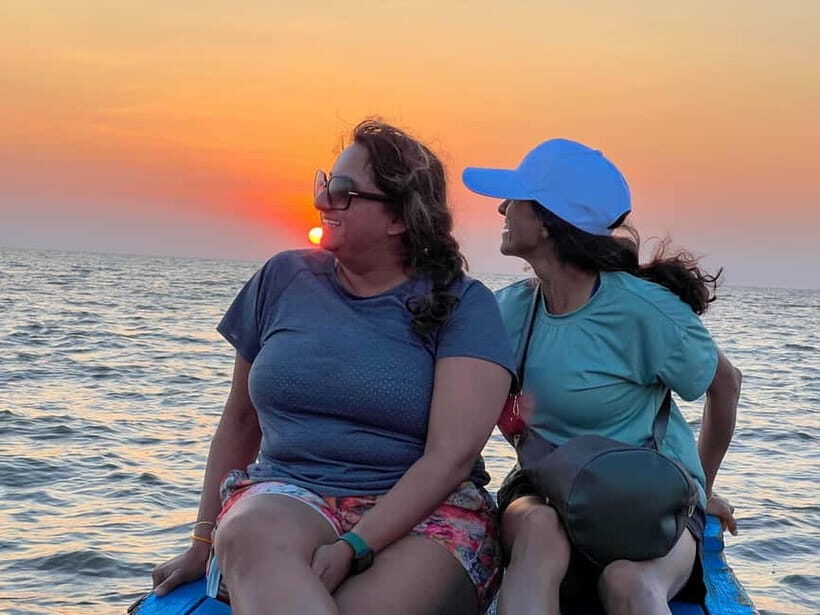
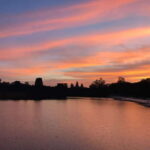
Tonlé Sap is Asia’s largest lake, and this tour takes you out toward sunset from the Kampong Phluk area. The idea is simple: after a full day of mountain stops, you get a calmer, scenic finish with the light changing across the water.
In the wet season, conditions can shift how the boat ride feels. People have described tree-top water travel where boats move through flooded areas in a more dramatic way than in the dry months. Even if you’re not chasing that weather effect, sunset on Tonlé Sap gives the day a softer ending.
Bring patience here. The tour is scheduled to return around 19:00, and the sunset stop is part of the flow. If you want the best photos, hold off on too much wandering for last-minute shots—just listen to your guide and position yourself when they tell you.
Price and value: what you really pay for (and why it can be fair)
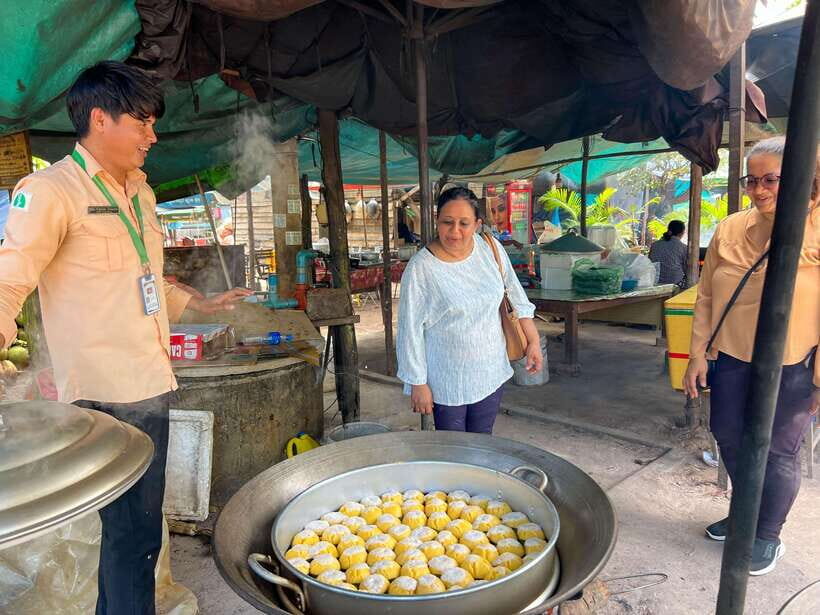
The listed price is $49 per person for an 11-hour small-group tour. That’s not just transport—you get an English-speaking guide, A/C pickup/vehicle, hotel pickup and drop-off, unlimited bottled water and cool towels, palm cake testing, seasonal fruits, and a picnic lunch at the waterfall (with a vegetarian option if requested in advance).
But you should budget for admissions you’ll pay separately in cash on the spot:
- Kulen Mountain pass: $20 per pax
- Tonlé Sap pass plus a shared boat: $15 per pax
That puts the practical total closer to $84 per person, before any soft drinks. For many people, that still feels like solid value because you’re paying for a day that includes both mountain sites and a full lake/village boat segment, plus a guide who stitches it together.
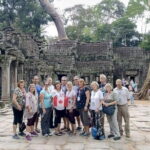
Also factor in the group size: it’s limited to 12 participants for a more personal experience. In places like Kulen and Kampong Phluk, a smaller group can mean less waiting and more time at the right moments.
Logistics that matter on the day: passes, cash, and what to pack
Plan for cash admissions. The tour notes that tickets can be purchased on the spot and accept cash only (USD). If you show up with no cash, you’ll slow the day down.
What to bring is straightforward:
- Sunglasses
- Sun hat
- Towel
- Sunscreen
- Insect repellent
If you plan to get into the waterfall, bring a swimsuit or at least expect to dry off and change with your towel. There are also limits on what you can carry: no baby strollers, and no luggage or large bags. The day is busy, so travel light.
One more reality check: this is a full day. There’s a lot packed in, including several guided walking segments. Wear comfortable shoes and expect sun and heat.
Who should book (and who should skip)
This is a great fit if you want a full cultural-and-nature day beyond Angkor temples—especially if you like mixing spirituality, countryside, and water-world village life. It also suits people who want a guide who can explain Khmer religious sites and Cambodian daily living in everyday language.
You may want to skip if:
- you can’t handle long days with multiple stops
- you’re traveling with kids under 10
- you prefer a slower, less structured outing
- you strongly dislike boats or being outside for extended time
If you’re older than 70, this small-group option may not be suitable based on the tour’s guidance.
Quick tips to make your day smoother
- Bring cash for admissions in USD so you’re not scrambling at Kulen or Tonlé Sap.
- Use insect repellent before you start, since you’ll be outdoors for hours.
- If swimming is on your list, plan a towel and quick-dry setup.
- At Kampong Phluk, be ready for boat movement and follow your guide’s instructions for photo timing.
- Eat a real breakfast. The day is long and food stops are scheduled.
Should you book this Kulen + Kampong Phluk tour?
If your Siem Reap itinerary is heavy on temples and you want at least one day that feels like Cambodia’s real geography—mountain sacred sites plus Tonlé Sap village life—this tour is a strong choice. The best part is the mix: waterfall picnic energy in the middle, then a boat-based ending with sunset.
Book it if you like variety, don’t mind a full schedule, and you’re comfortable paying separate cash-only admissions ($20 + $15). If you prefer a slow day with minimal walking or you need a very kid-friendly schedule, you might look for a different style of outing.
FAQ
FAQ
What time does pickup happen?
Pickup is scheduled between 8:00 AM and 8:30 AM from your hotel.
How long is the tour?
The total duration is listed as 11 hours, with return to your hotel expected around 19:00.
Is the tour guide included, and what language do they speak?
Yes, you’ll have a professional English-speaking guide throughout the day.
Is the admission to Phnom Kulen included in the price?
No. The Kulen Mountain pass is listed as $20 per person and is not included.
Do I need cash for tickets?
Yes. Admission tickets can be purchased on the spot and only accept cash in USD.
How much is the Tonlé Sap pass and boat share?
The Tonlé Sap pass plus a shared boat is listed as $15 per person and is not included.
What’s included for food and drinks?
You get picnic lunch plus seasonal fruits and palm cake testing. The tour also includes unlimited bottled water and cool towels.
Is there a vegetarian option for lunch?
Yes, a vegetarian option is available if you request it in advance.
Will I get time to swim at the waterfall?
The tour allows for swimming at the waterfall area, and you’re advised to bring a swimming suit or towel if you want to shower there.
Are strollers or large bags allowed?
Baby strollers are not allowed, and luggage or large bags are also not allowed.