REVIEW · BATTAMBANG
A Day TukTuk Bambootrain, Banan, Killing & Bat Caves, Sunset
Book on GetYourGuide →Operated by Battambag full day city and countryside Tuk Tuk tour · Bookable on GetYourGuide
A day can feel like a full movie. This Battambang tuktuk-and-countryside loop strings together temple views, a classic bamboo train ride, and the bat cave spectacle into one long, memorable storyline. I like that your day isn’t just monuments; you also get village time, farming talk, and those hanging fruit bats along the way.
Two things I really love: the guide-led context (I’ve seen tours led by Samol, with his partner Wendy driving the tuktuk), and the evening bat flight that turns the sky into motion. One thing to consider: this is a long day with some climbing, plus the Killing Cave content is heavy, so go in with clear expectations.
In This Review
- Key Highlights That Make This Day Trip Work
- Battambang in One Long Day: Temples, Countryside, and a Sky Show
- Getting Started at 8:20 and the City Stops You’ll Actually Remember
- Bamboo Train to Ou Srauo Laou: Bumpy Rails Through Real Farming Life
- Wat Banan: Five Towers, 358 Steps, and Temple History That Explains the Details
- Rat Barbecue and Phnom Sampov: When the Killing Cave Turns the Day Heavy
- Bat Cave at Sunset: The 50-Minute Exit of Millions of Bats
- Price and What You’re Really Paying For
- Comfort, Pace, and Who This Trip Fits Best
- Should You Book This Battambang Day Tour?
- FAQ
- What time does pickup start?
- How long is the tour?
- Is lunch included?
- How much does the bamboo train cost?
- Is rat barbecue included?
- What admission tickets are included?
- Are there limits on pickup location?
- Do I need to bring cash?
Key Highlights That Make This Day Trip Work
- Bamboo train + suspension bridge + rice fields: real countryside rhythm, not just a photo stop
- Wat Banan’s five towers and 358 steps: a temple climb with payoff views
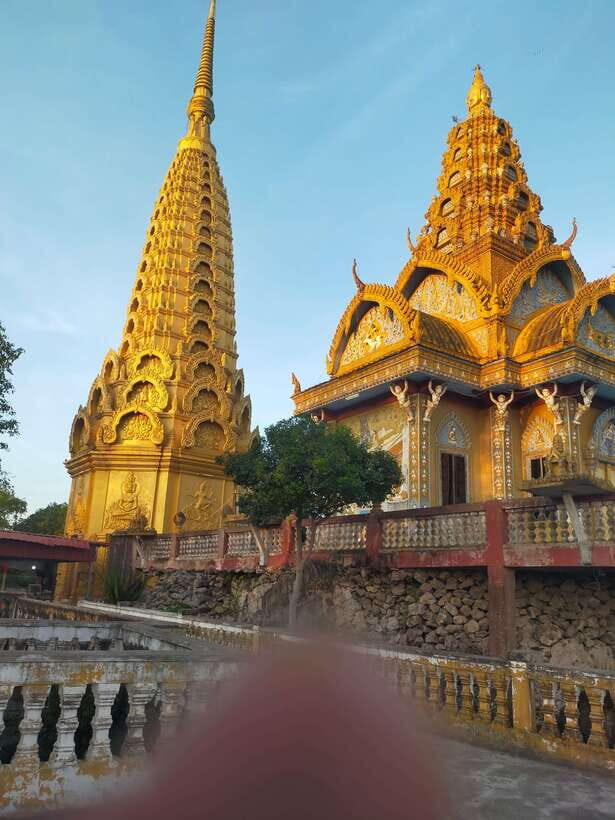
- Phnom Sampov Killing Cave + viewpoints: history you don’t forget
- Rat barbecue tasting (optional): a local snack stop, if you’re game
- Bat cave at sunset: millions of bats emerging over about 50 minutes
Battambang in One Long Day: Temples, Countryside, and a Sky Show
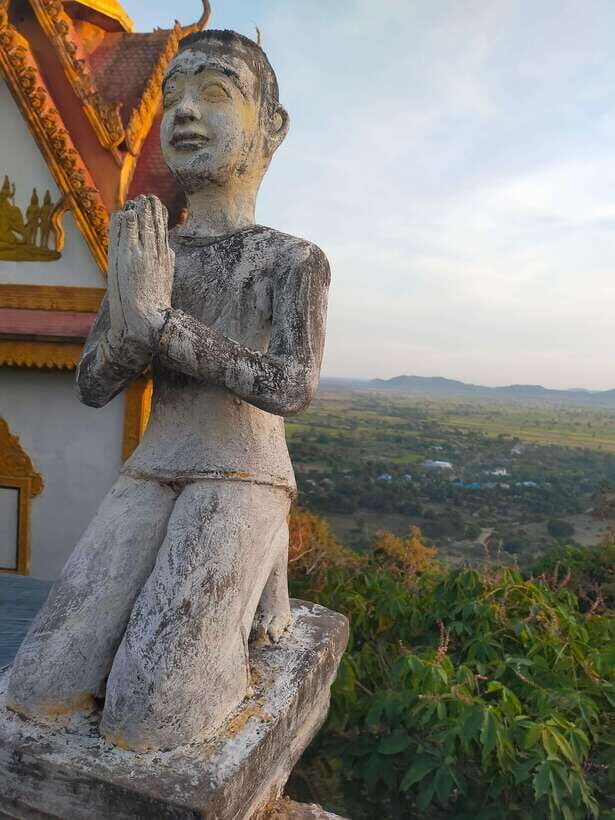
Battambang shines when you move beyond the city center. This tour is built for that: you start with town sights, then slide into villages, plantations, and paddy fields, and finish with sunset on the hill before the bats pour out.
If you like days that feel busy but not chaotic, this one fits. You’ll get guided time at major stops, photo moments, cold water and wet wipes, and a couple of food breaks like fruit salad and optional rat barbecue.
The emotional tone shifts too. Temples and countryside are bright and scenic, then Phnom Sampov turns sobering fast—plan for that mental reset.
You can also read our reviews of more evening experiences in Battambang
Getting Started at 8:20 and the City Stops You’ll Actually Remember
Pickup starts at 8:20 AM from your accommodation or a nearby restaurant (within about 5 km of Battambang town). Before you even leave the city, your guide sets the stage with stories about Cambodia and Battambang—how people live, how agriculture works, how religion shaped the past, and how local folklore shows up in daily life.
You’ll also see a handful of key landmarks. Expect a stop at the central market area, the provincial hall, and the Battambang symbol statue known as Ta Dambong Kranhoung. It’s the kind of grounding that helps later when you’re standing in temple ruins or watching farming life roll by.
Practical note: the earlier you start, the more you benefit. Morning light is kinder, and you’re less likely to feel cooked by midday heat during the temple and hill segments.
Bamboo Train to Ou Srauo Laou: Bumpy Rails Through Real Farming Life
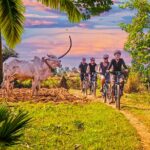
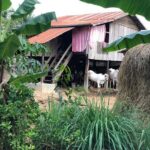
The bamboo train section is where the day turns from sightseeing to lived-in scenery. You’ll travel past small villages, fruit plantations, and rice fields, and you’ll often stop to talk with farmers so you get more than a quick glance.
One of the fun “how do they do this” details is the suspension bridge walk you can include during this stretch. It’s not huge, but it adds a little adventure and gives you different angles on the countryside.
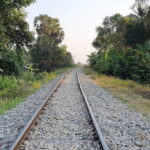
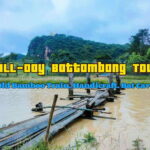
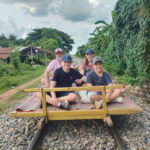
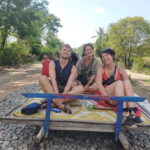
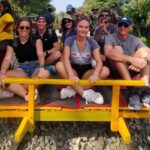
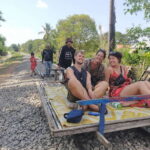
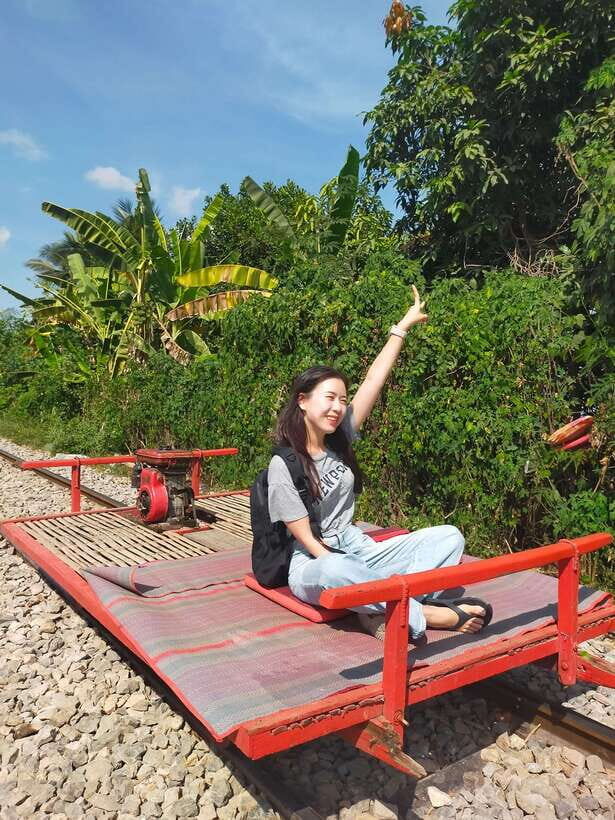
Then comes the main event: ride the original bamboo train (you’ll pay extra for it—see budget section below). Bamboo trains are bumpy by nature. That’s part of the charm. You’ll feel the shake, hear the creak, and watch the countryside slide by in a way that feels slower than car travel.
Between the bamboo train area and Bannan, you may also spot fruit bats hanging in the trees. It’s a great prelude to the bat cave later, when it’s nighttime and the spectacle scales up.
One extra perk mentioned in the tour flow: after you board and get settled, you may get a free massage as part of the bamboo train experience. Even if you don’t think you’ll need it, it’s a nice reset before the next climb.
Wat Banan: Five Towers, 358 Steps, and Temple History That Explains the Details
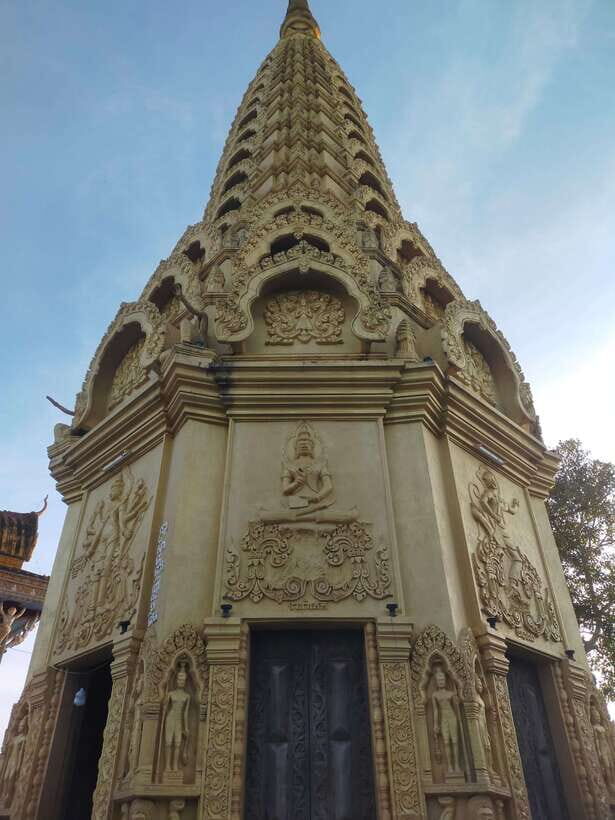
Wat Banan (often written Bannan) is a top Battambang temple stop because it’s visually striking and unusually well preserved. The temple is known for its five towers, which immediately remind you of Angkor Wat’s iconic silhouette, just on a smaller, more local scale.
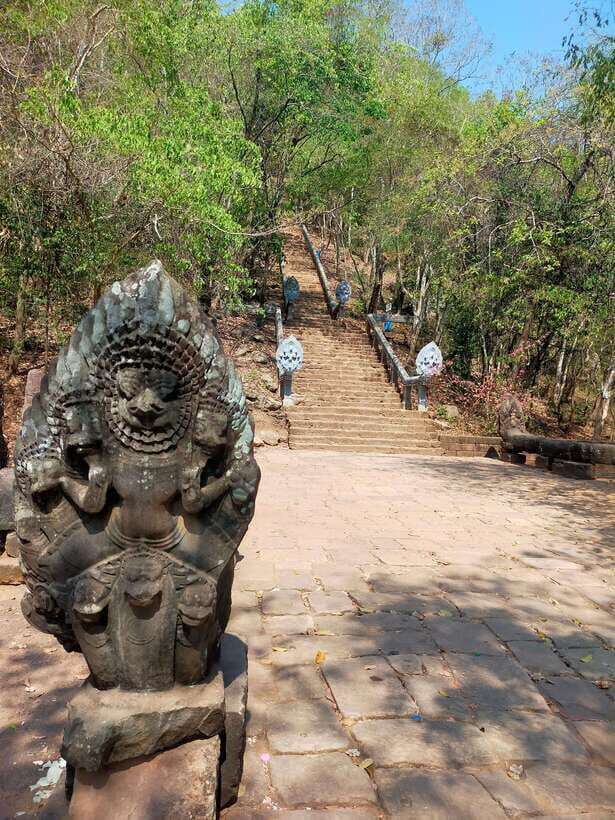
Your visit includes a climb—this route is known for 358 steps. The staircase is laterite, and you’ll see the entrance area framed with carved nagas at the base. It’s the kind of design choice that keeps temple architecture readable, even if you don’t know the language.
What I like about this stop is that it’s not just “pretty ruins.” Your guide explains the temple’s background: it dates to the 11th century and is connected to King Udayadityavarman II, the son of Suryavarman I. The temple was built to pray for help and ask blessings, with Hindu influence present at the time.
Later, things shift. The sculptures associated with Phnom Banan lean Buddhist in what survives. The theory shared during visits is that rebuilding under Jayavarman VII may have contributed to the Buddhist form you see today, especially since older carvings across the region were often defaced or replaced over time.
After the climb, you’ll take a lunch break by the lake area as part of the day’s flow. Lunch itself is not included in the base price, so treat it as a budget item rather than a free meal.
Rat Barbecue and Phnom Sampov: When the Killing Cave Turns the Day Heavy
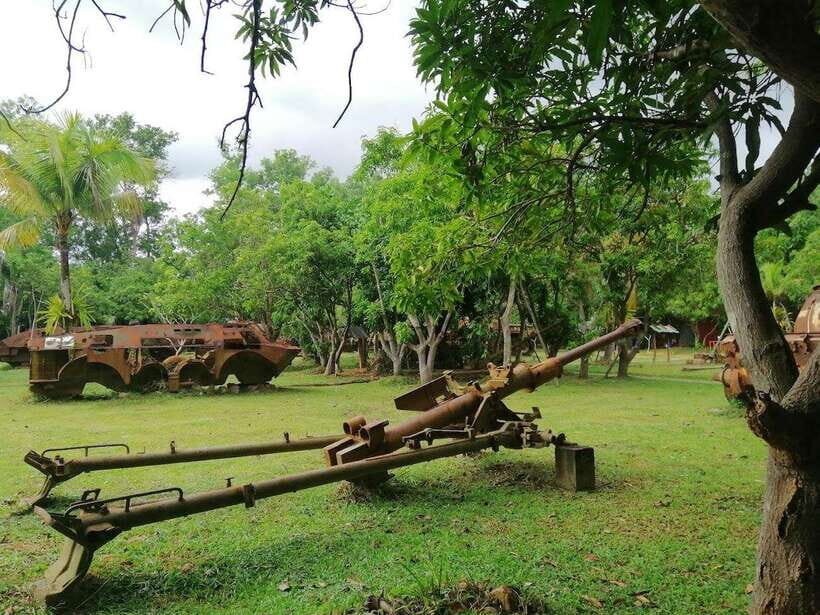
Phnom Sampov is the part of this tour that demands respect. It’s tied to the Khmer Rouge period (1975–1979), when more than 10,000 victims were killed. Your guide will explain the site’s role in that history, and you’ll visit the caves as the tour reaches Killing Cave territory.
Before you go deeper into the cave area, there’s a quick food stop: the chance to test rat barbecue (listed as optional). If you’re curious about everyday local food habits, it’s a memorable chance. If you’d rather not, you can skip it—no one needs to force that choice.
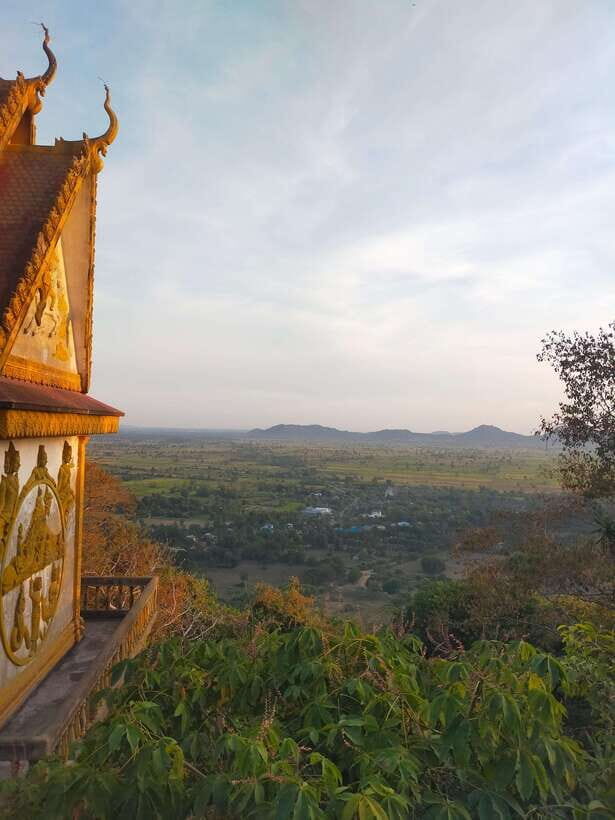
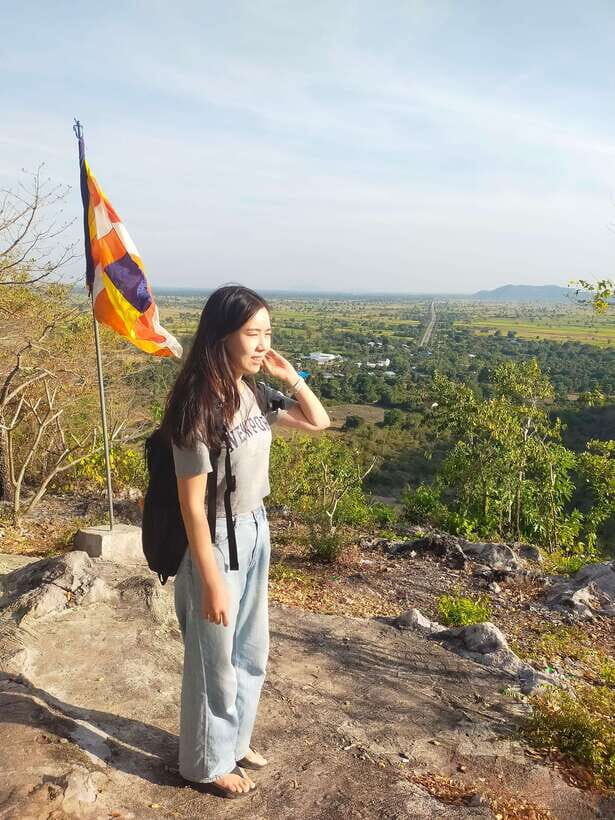
From there, the pace becomes more physical. You’ll likely take a motor taxi or pickup truck up toward the hill, then make your way around areas with temples, monkeys, and viewpoints near the summit. The views are beautiful, but they’re hard to enjoy in a normal “vacation” way once you’ve absorbed what this place represents.
One practical caution: sometimes a site can close for reasons you can’t control, so your guide may adjust and swap in other nearby stops. That’s rare, but it’s worth keeping flexible expectations for the day.


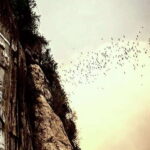
Bat Cave at Sunset: The 50-Minute Exit of Millions of Bats
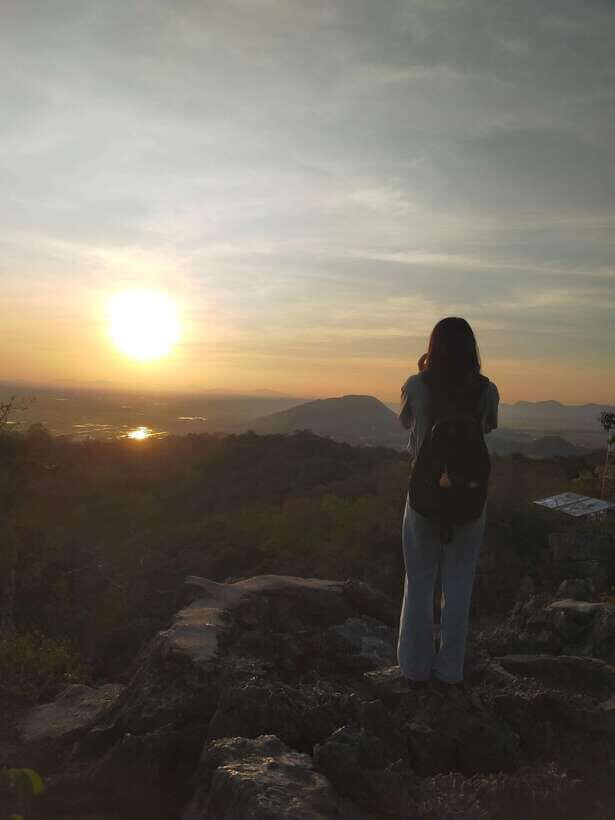
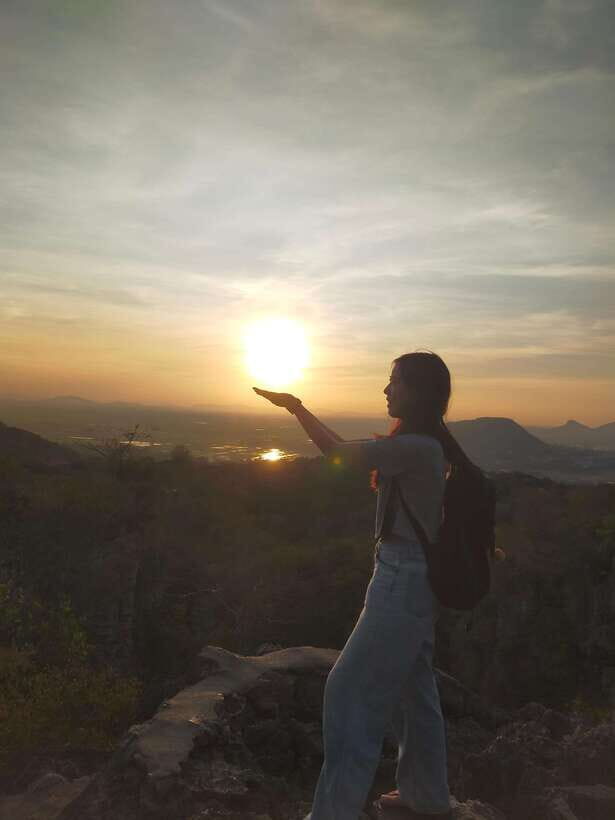
If the Killing Cave is the hard chapter, the bat cave is the plot twist. Your day heads toward evening viewpoints, so you can watch the hill area from above as the light falls.
Then you wait for the show: millions of bats emerging from the bat cave. The timing varies, but you’re looking at a watch that can last around 50 minutes in the evening window.
What matters most here is how you experience it. You’re standing still for a long stretch while the first bats begin to move, and then the cave mouth becomes a funnel. The air starts filling with small silhouettes, and the whole scene turns into a living pattern overhead.
Bring your camera, but also keep a few minutes for your eyes only. Some of the best moments are the seconds right before you realize how many bats there are.
After the bat flight, you return to your hotel or continue into town options like Pomme Bar (if you want a drink and some recovery time after a long day).
Price and What You’re Really Paying For
The headline price is $14 per person for an 11-hour day. That’s solid value in Cambodia standards when you compare what’s included: hotel pickup and drop-off, guided info at multiple sites, cold bottled water, wet wipes, photo opportunities, fruit salad, admission to Banan, Phnom Sampov, and the Bat Cave, plus donations.
The one extra cost you should plan for is the bamboo train: $5 per person. On top of that, lunch isn’t included, even though there’s a lunch stop in the day’s schedule. If you budget lunch carefully, the overall day still feels fair because you’re paying for access and a full route, not just a single attraction.
Also note what’s included on the ground: there’s mountain shuttle/motorbike support for return, plus the tuktuk transport between stops. That matters in Battambang, where distances and heat can turn “short hop” plans into exhausting detours.
Comfort, Pace, and Who This Trip Fits Best
This tour is physically manageable for many people, but it’s not a sit-everywhere day. There’s temple climbing at Bannan (358 steps), plus hill walking and viewpoint time. You’re also spending most of the day outdoors, with heat as a real factor.
Bring sunscreen and rain gear even if skies look clear. Cambodia can switch quickly, and you don’t want your day shortened by weather. A camera is useful, and keep cash on hand for extra purchases like lunch and the bamboo train.
The tour is not a good fit for some body and health needs. It’s listed as not suitable for pregnant women, people over 220 lbs / 100 kg, people with high blood pressure, and people over 95 years. If you’re in any of those categories, it’s best to choose a gentler alternative.
Pace-wise, you’ll notice two different tempos. The morning can feel unhurried after Bannan, then the countryside and afternoon hill segments pick up. That’s good if you like not being rushed through each stop. If you only enjoy fast action, you might find the morning rhythm a bit slow.
Should You Book This Battambang Day Tour?
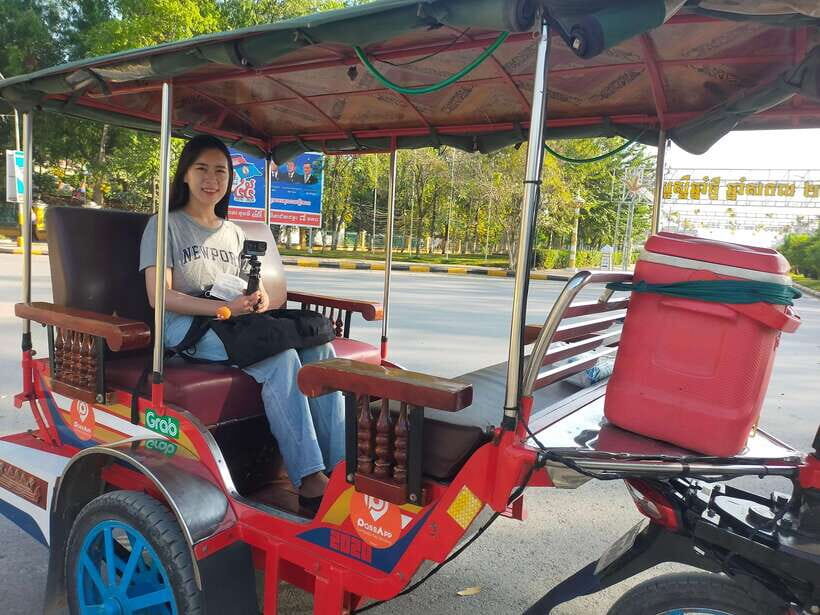
Book it if you want a full Battambang day that connects the dots: city context, countryside farming life, a classic bamboo train ride, a temple climb, a sobering historical site, and then the bat cave sunset finale.
Don’t book it if you can’t handle a heavy historical topic or if you want a very low-walking, low-climbing itinerary. The Killing Cave stop is not light, and the Bannan steps are real.
If your idea of a good tour is a guide telling stories while you move through real places—like a day with Samol and Wendy behind the scenes—this one is a strong match.
FAQ
What time does pickup start?
Pickup starts at 8:20 AM from your accommodation or a nearby restaurant.
How long is the tour?
The total duration is 11 hours.
Is lunch included?
No. Lunch is not included, though the day includes a lunch stop.
How much does the bamboo train cost?
The bamboo train costs $5 per person (extra).
Is rat barbecue included?
Rat barbecue tasting is listed as optional, not mandatory.
What admission tickets are included?
Admission is included for Wat Banan, Phnom Sampov (Killing Cave), and the Bat Cave.
Are there limits on pickup location?
Pickup and drop-off are only offered within about 5 km of Battambang town.
Do I need to bring cash?
Yes—bring cash for extra expenses like the bamboo train and lunch.