REVIEW · SIEM REAP
From Siem Reap: Koh Ker and Beng Mealea Temples Tour
Book on GetYourGuide →Operated by Siem Reap Shuttle · Bookable on GetYourGuide
Jungle temples beat the Angkor grind. I love how this day trip sends you to Beng Mealea and Koh Ker, two Khmer sites that feel worlds away from the main circuit, yet still connect clearly to the big Angkor story. I also love the contrast: Beng Mealea’s sandstone is half-swallowed by jungle, while Koh Ker’s seven-tier pyramid and linga shrines feel grand and mysterious. One drawback to plan for is the uneven ground and moderate walking, so it is not the easiest day if mobility is a concern.
The tour runs as a small group (up to 10) with an English-speaking guide, and the best part is how the explanations make the ruins easier to read. Guides such as Lok, Nara, Kim, John, and Chenda show up in recent experiences, and their styles tend to match the site: some are storytelling-heavy, others are more practical and detail-focused. You’ll also want to budget for entrances and lunch since those are not fully covered.
In This Review
- Key takeaways before you go
- From Siem Reap to Beng Mealea: pickup, hop-on stop, and the road north
- Beng Mealea temple: Angkor ticket access and jungle-reclaimed sandstone
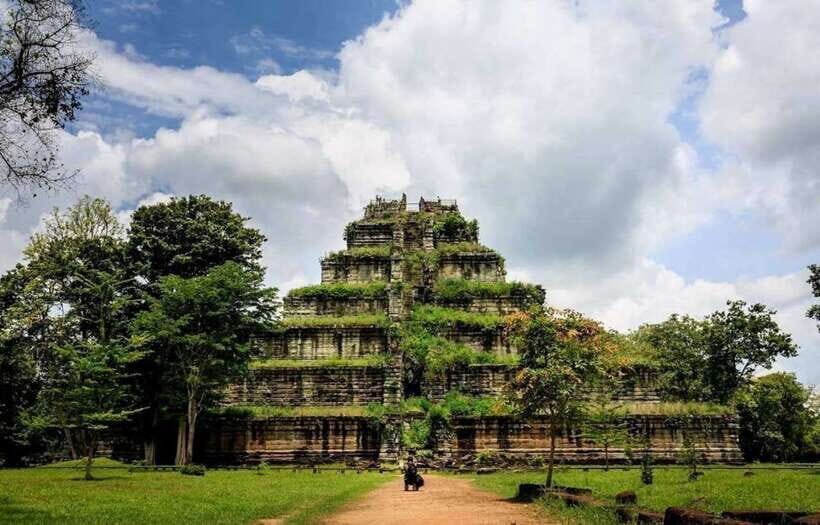
- Koh Ker: the forested ruins north of Siem Reap and the seven-tier pyramid
- Prasat Thom, Prasat Pram, and Prasat Chrap: where to focus your eyes
- A good guide can change everything: stories from Rah, John, Lok, Nara, Kim, and Chenda
- Lunch and breaks near the ruins: what you should plan for
- Price and value: why $50 works, and what adds to your bill
- What to wear, what to bring, and how much walking is involved
- Who should book this Koh Ker and Beng Mealea tour
- Should you book this tour?
- FAQ
- How long is the Koh Ker and Beng Mealea tour?
- Is lunch included in the price?
- Do I need an Angkor Wat ticket to enter Beng Mealea?
- How much is the Koh Ker entrance fee?
- What’s included in the tour price?
- What should I wear and bring?
- Is this tour suitable for kids or mobility issues?
- Can I cancel for a full refund?
Key takeaways before you go
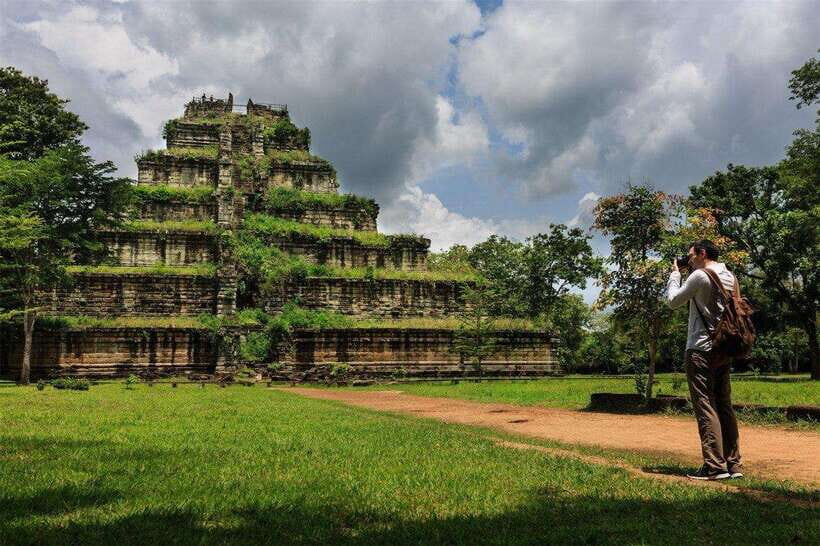
- Beng Mealea feels calmer than the classic Angkor stops, with thick jungle growth around towers and courtyards.
- Koh Ker’s seven-tier pyramid and other sacred sites are a different type of Khmer monument, farther north and more remote.
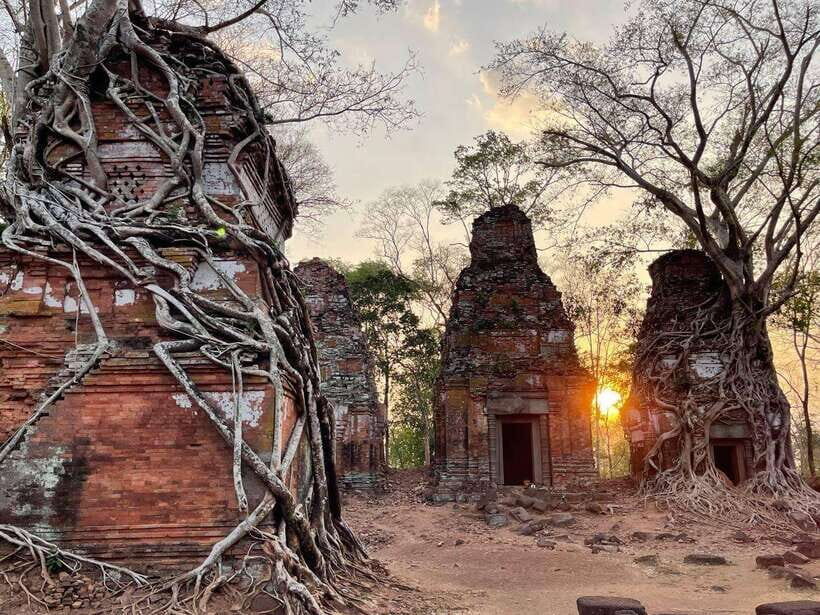
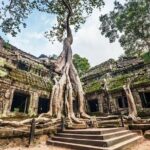
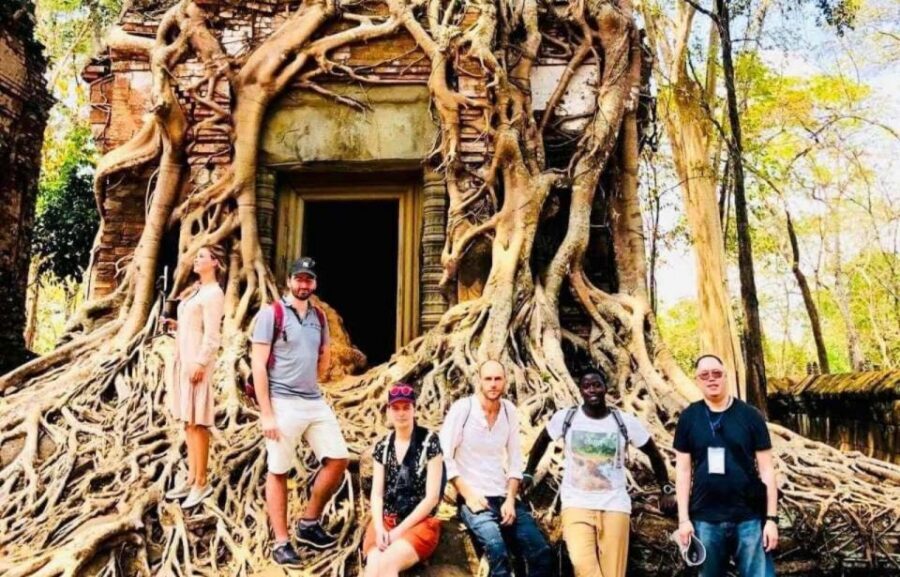
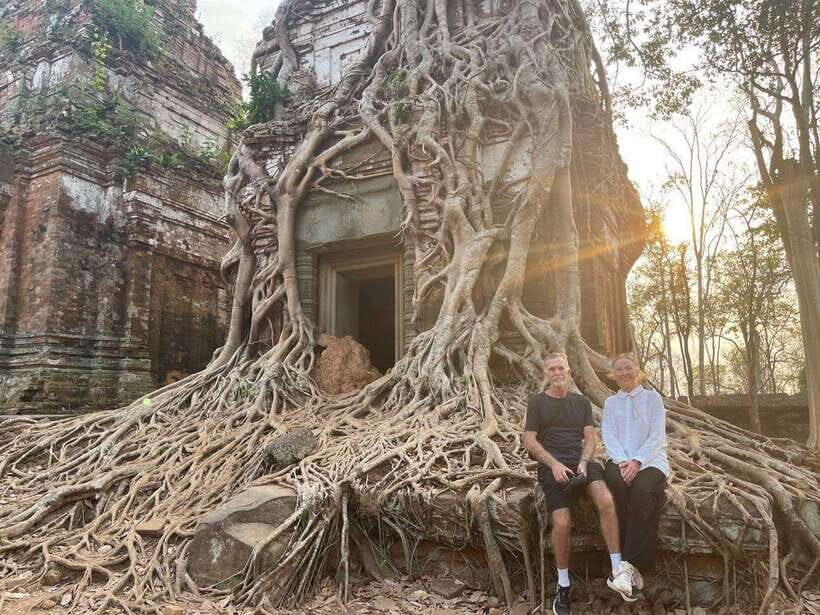
- Prasat Pram’s tree detail is a memorable photo moment when a large tree grows through the temple structure.
- Guides can tailor the pace, with some even acting like an extra set of hands for photos when you want it.
- You must handle extra costs: Beng Mealea needs your Angkor ticket, and Koh Ker has an additional entrance fee.
- Bring the right shoes and bug spray, because you’re walking on uneven surfaces in a real outdoor ruin environment.
From Siem Reap to Beng Mealea: pickup, hop-on stop, and the road north
This is a straightforward day from Siem Reap Province, built around a lot of driving and a few concentrated temple visits. Pickup happens from Siem Reap City hotels, and the operator asks you to be ready in the lobby about 40 minutes before departure. You’ll then ride in a quality vehicle with bottled water and cold towels, which matters when the Cambodian sun is doing its thing.
After pickup, there’s a short stretch that includes a quick hop-on hop-off stop at a local café. It’s not a long detour, but it does change the feel: you’re not just sitting in a bus for eight hours straight. Once you’re settled, you get that satisfying shift from city noise into countryside scenes.
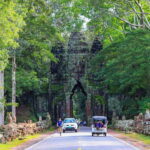
The drive is part of the point. You’re heading toward older royal-road areas associated with the Khmer heartland, so the day feels like a slow slide away from the modern tourist center and toward the atmosphere of forgotten roads and ruined sanctuaries.
You can also read our reviews of more tours and experiences in Siem Reap.
Beng Mealea temple: Angkor ticket access and jungle-reclaimed sandstone
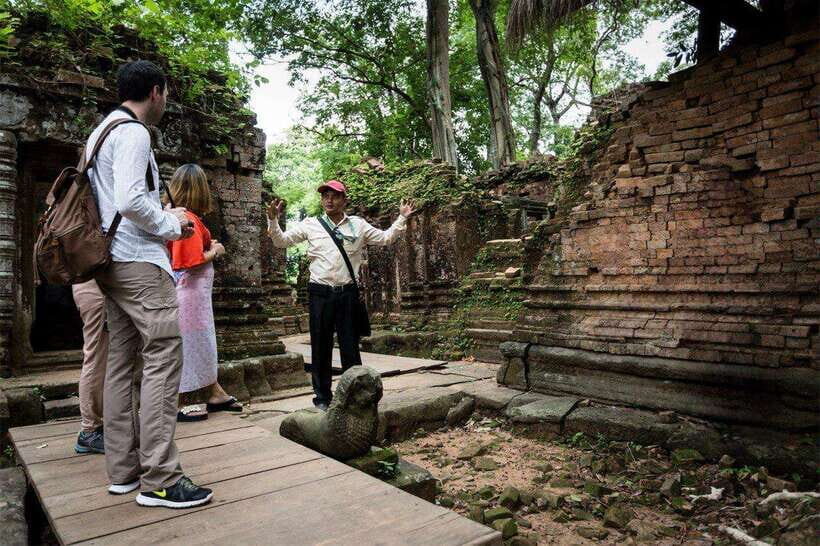
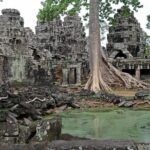
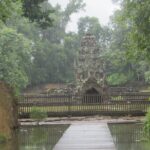
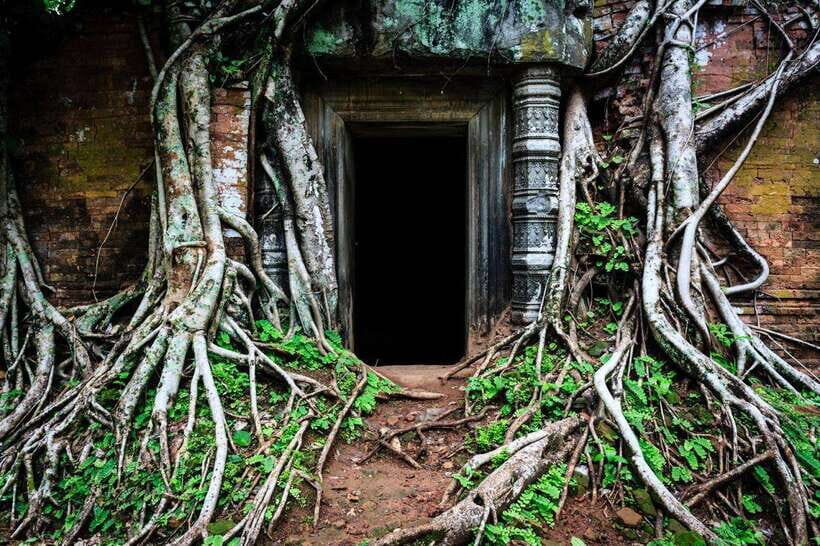
Beng Mealea is where the tour stops feeling like a checklist and starts feeling like a place. The temple was built out of sandstone as a Hindu temple in the 12th century, and today it’s partly reclaimed by nature. Dense brush hides sections of the complex, so you end up seeing towers and courtyards in a more fragmented, story-like way than the restored monuments you may know.
Here’s the practical detail you need: the entrance to Beng Mealea is not covered, even if you already have an Angkor pass. Your Angkor Wat ticket is required for Beng Mealea entry, so check that you actually have the right ticket format before you leave your hotel.
During the visit, plan on about two hours for guided exploration and enough time to look slowly. The guide helps you recognize what you’re seeing—religious purpose, architectural layout, and why nature reclaimed so much without erasing the original sense of sacred order. It’s especially good if you like details, because Beng Mealea rewards curious looking.
One small consideration: Beng Mealea is beautiful, but it’s also real ruin terrain—uneven ground and vegetation. Wear shoes with grip, not sandals, and keep an eye on where you step.
Koh Ker: the forested ruins north of Siem Reap and the seven-tier pyramid
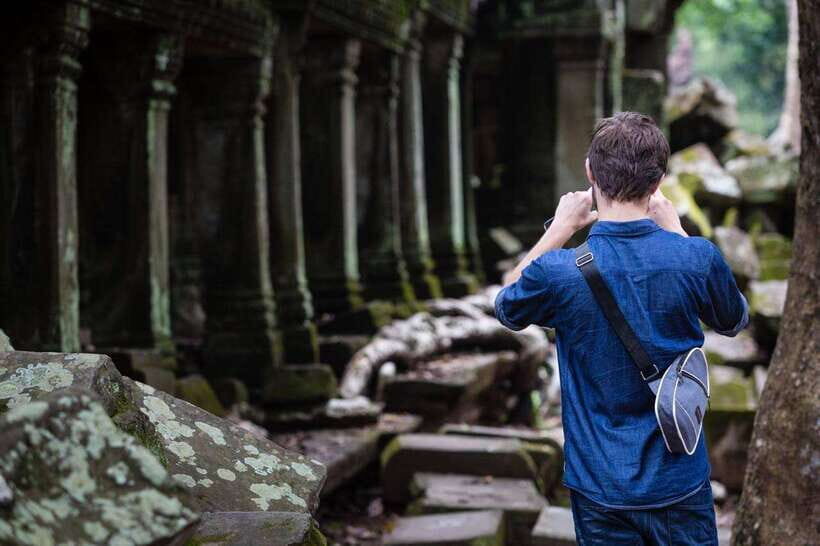
Koh Ker is the reason many people choose this tour: it’s far enough from the main Angkor circuit that the day feels less choreographed. The site sits abandoned to the forests north of Siem Reap, and the ruins reflect that. You get linga-shrines reclaimed by nature, plus temple clusters that feel quieter and more open to wandering.
Koh Ker also includes an extra entrance fee, listed at USD 15. You’ll want cash on hand for that expense, since you’re dealing with onsite ticketing processes.
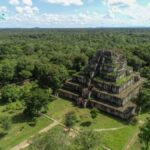
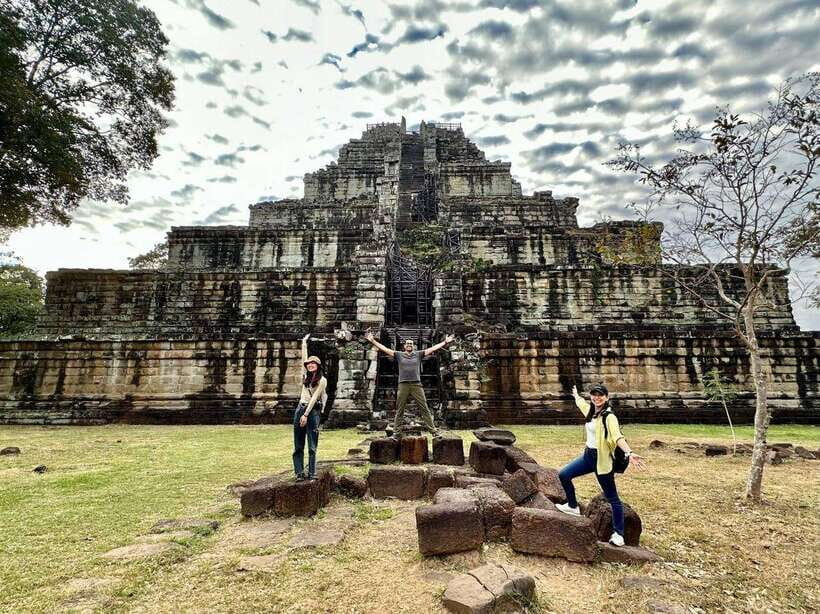
What you should aim to experience here is monument scale. Koh Ker is famous for its massive pyramid temple, described in many guides as a seven-tier structure. If you climb portions of the pyramid, you should get a clearer sense of the sight lines and the way the sacred space was meant to dominate its surroundings.
And yes, it’s a photography day. People mention the views from the top and the way the temple structure creates strong angles against the surrounding greenery. If you’re visiting in a wetter season, Beng Mealea in particular may look especially green and alive, so pack for weather changes and expect the jungle to look different than in dry months.
Prasat Thom, Prasat Pram, and Prasat Chrap: where to focus your eyes
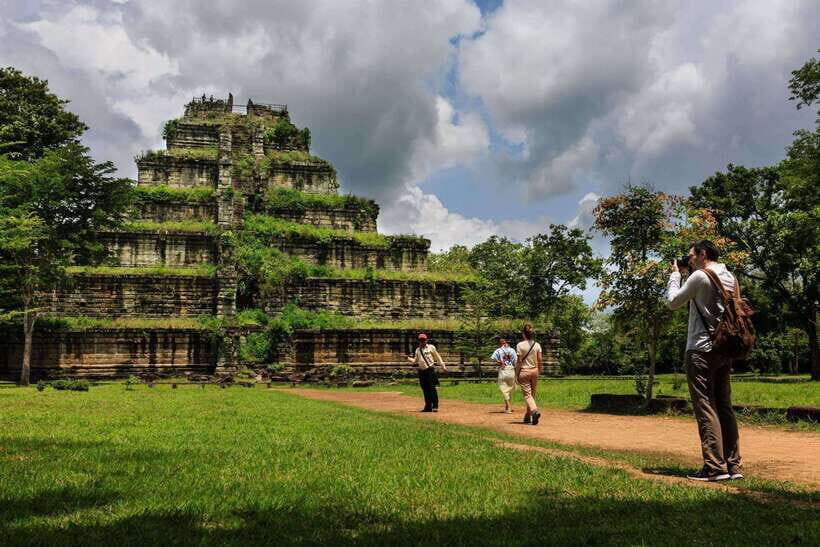
This tour doesn’t treat Koh Ker as one stop and done. You’ll move between sacred sites in the Koh Ker area, including Prasat Thom, Prasat Pram, and Prasat Chrap. Each one gives you a different “read” of Khmer religious design and what later centuries did to these structures.
Prasat Thom is the big-name experience here, and it’s also the one where a climb can pay off with satisfying views. If you like architecture, notice how the steps and layout guide you upward and inward.
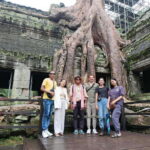
Prasat Pram is the surprise favorite for many visitors. A standout detail is the presence of a large tree growing through the temple structure, creating a haunting mix of man-made sacred space and nature’s slow control. It’s the kind of scene where you’ll want time to step back, frame the shot, and just stare for a moment.
Prasat Chrap rounds out the day by adding more texture—more ruined sacred points, more carvings that hint at the former intensity of religious life in the Khmer Empire.
If you want to get the most from these stops, ask your guide what the carvings and layout are trying to communicate. Some guides, like Chenda, have experience in archaeology and can explain the ruins with extra clarity—sometimes even using maps to show access points and how gates connect to the complex.
A good guide can change everything: stories from Rah, John, Lok, Nara, Kim, and Chenda
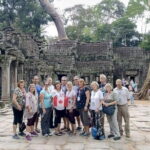
A temple tour lives or dies on the guide. This one has an English-speaking guide, and recent experiences highlight a range of styles, from enthusiastic storytelling to careful, detail-led explanations.
For example, Rah is described as prepared even when historical questions stretch beyond the usual temple script. John is praised for walking people through each temple clearly and keeping the pacing comfortable, including practical breaks and cold towels after major stops. Lok and Nara are noted for balancing facts with breathing room—giving you space to explore quietly while still making sure you understand what matters.
Kim shows up in many positive accounts as a friendly, humorous guide who explains both temples and Cambodian culture. And Chenda is specifically mentioned for the depth of his context and his ability to connect Khmer religion and Hindu perspectives in a way that feels personally relevant.
If you care about meaning—what these temples were for, and how Hindu traditions later shifted into Buddhist contexts—this tour is set up for that kind of attention. You’re not just passing by stones; you’re learning how the Khmer Empire expressed belief in stone, and how those beliefs lived long enough to shape the carvings you see today.
Lunch and breaks near the ruins: what you should plan for
Lunch is not included, but the day includes a break at a local restaurant. Expect simple Cambodian options like curries, soups, and stir-fries, available at your own expense. The restaurant stop is helpful because it resets the energy level before more uneven-walking ruins.
A practical tip: if you have a strong preference for taste or dietary needs, consider packing a small backup snack from Siem Reap. The tour gives you one planned lunch window, and it’s better to be comfortable than hungry when you’re back in the ruins.
Also, keep water and sun protection in mind. Bottled water is included for the day, but sunscreen and insect repellent are still on you. The outdoors is real.
Price and value: why $50 works, and what adds to your bill
The price is listed at USD 50 per person for an 8-hour tour, and that base price already covers a lot of the “day out” costs. You get hotel pickup and drop-off, transport by a quality vehicle, an English-speaking guide, bottled water, cold towels, and local taxes.
Where the math changes is entrances and meals. Beng Mealea entrance requires your Angkor Wat ticket, and Koh Ker has an additional entrance fee of USD 15. Lunch is also not included. So you should expect your total day cost to be higher than the base USD 50 once you add those items.
Still, the value feels solid if you compare it to trying to organize this route on your own. Koh Ker is far enough that a guided day reduces the hassle, and the guide time is not just wasted “lecture hours”—it’s used while you’re standing inside the ruins trying to understand them. If you want the quiet, less-touristy temple experience without spending time figuring out logistics, the structure is the deal.
What to wear, what to bring, and how much walking is involved
This tour is active in a very specific way: moderate walking on uneven surfaces. The company says it isn’t recommended for people with walking disabilities or wheelchair users, and most of the terrain at ruined sites supports that warning.
Dress code is casual, but with a clear boundary: shoulders must be covered, and pants should be knee-high. You’ll likely want light layers that you can keep on even in heat, plus something breathable for temple time.
Bring:
- hiking shoes (important for grip)
- camera
- sunscreen
- insect repellent
- cash
Not allowed: pets, smoking, and luggage or large bags. Keep your daypack small and manageable so you’re not stressed during climbs, uneven steps, and brushy paths.
Also note that the tour runs in all weather conditions, so plan for sun or showers. You don’t want to reach Beng Mealea without the right footwear or protection for sudden weather.
Who should book this Koh Ker and Beng Mealea tour
This tour fits best if you want a calmer Siem Reap day that still feels deeply connected to Khmer temple culture. If you’ve already done the main Angkor temples and you want the next layer—older and less crowded sites—Beng Mealea and Koh Ker deliver.
It’s also a good fit for photography lovers. Multiple guides are described as helping with photos and suggesting spots or angles. And if you like architecture details, Koh Ker’s pyramid structure plus the different nearby sanctuaries give you lots to study.
It’s less ideal if you want a fully flat walking day or if your mobility is limited. Even though the walking is described as moderate, the ground at both temple areas is uneven and outdoors.
Should you book this tour?
Book it if your goal is a break from Angkor crowds and you want to see Khmer temple sites that feel more remote and atmospheric. The combination of Beng Mealea’s jungle-reclaimed sandstone and Koh Ker’s forested pyramid ruins gives you two different kinds of temple beauty in one day.
Skip it (or choose a different option) if you can’t handle uneven ground or if you need a totally wheelchair-friendly plan. Also, only book if you’re okay with the extra costs for Koh Ker entrance and the requirement that your Angkor ticket covers Beng Mealea entry, since those will affect your final budget.
If you want my practical rule: this is a strong choice for people who like meaning and quiet ruins more than crowds and speed.
FAQ
How long is the Koh Ker and Beng Mealea tour?
The duration is 8 hours.
Is lunch included in the price?
No. Lunch is available at your own expense during the break at a local restaurant.
Do I need an Angkor Wat ticket to enter Beng Mealea?
Yes. Entrance to Beng Mealea requires an Angkor Wat ticket.
How much is the Koh Ker entrance fee?
The Koh Ker entrance fee is listed as USD 15.
What’s included in the tour price?
Hotel pickup and drop-off, transportation by quality vehicle, an English-speaking guide, bottled water, cold towels, and local taxes are included.
What should I wear and bring?
Wear casual clothing with shoulders covered and pants knee-high. Bring a camera, hiking shoes, sunscreen, insect repellent, and cash.
Is this tour suitable for kids or mobility issues?
Children under 12 are not suitable. It is not recommended for those with walking disabilities or for wheelchair users due to uneven surfaces.
Can I cancel for a full refund?
Yes. You can cancel up to 24 hours in advance for a full refund.