REVIEW · SIEM REAP
Siem Reap: Angkor Wat Small-Group Day Tour
Book on GetYourGuide →Bookable on GetYourGuide
Angkor in a small group is the sweet spot. This Angkor Wat day tour keeps you moving through the big-name temples without the constant cattle-car feeling, and you get a real guide to explain what you’re seeing. I also like that it’s designed with a human pace—time for photos and questions—so the place lands, instead of just passing by.
My favorite parts are simple. I love the licensed professional guide who can walk you through the temples with clear cultural context, and I love the comfort touches like cold water and cold towels on a long hot day. When the group is kept small, the whole experience feels easier to manage, especially when you’re bouncing between stops.
One thing to consider: Angkor is hot and crowded by nature, and the itinerary can still bunch in lots of sun exposure depending on the day’s timing. You’ll be better off if you pack for heat and plan to move at a steady, patient pace.
In This Review
- Key things I’d prioritize before you book
- A Small-Group Angkor Day That Feels Almost Private
- Price and Logistics: The Real Cost of One Day at Angkor
- Getting There in Comfort: Tuk-Tuk vs Air-Conditioned Van
- Morning Start: Ta Prohm and the Victory Gate Photo Moment
- Angkor Thom’s Big Names: South Gate Faces, Bayon Smiles, and Terraces
- Baphuon and Srah Srang: A Break in the Middle of the Heat
- Angkor Wat in the Afternoon: Symbolism, Layout, and Time to Photograph
- What to Bring (and What Can Get You Turned Away)
- Guide Quality and the Small-Group Advantage
- Who This Tour Fits Best (and Who Should Skip It)
- Should You Book This Siem Reap Angkor Wat Small-Group Tour?
- FAQ
- FAQ
- How many people are in the small group?
- What time does the tour pick you up in Siem Reap?
- What’s included in the tour price?
- Is the Angkor entrance ticket included?
- Is lunch included?
- What temples are on the schedule?
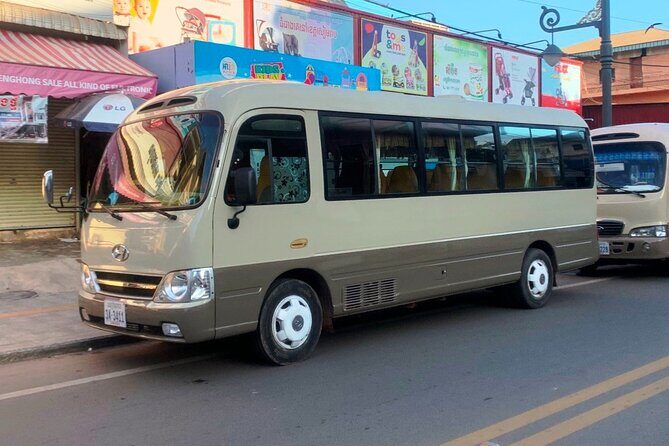
- What transport will I ride in?
- How long is the tour?
- What should I wear to the temples?
Key things I’d prioritize before you book
- Max 6 people means more personal time with your guide and fewer photo bottlenecks
- Licensed, multilingual guide helps you understand the symbols, not just the stone
- Tuk-tuk or air-conditioned van depending on your group size, with comfort upgrades built in
- Cold water + cold towel keeps you sane during the temple grind
- Small Circuit highlights pack the must-sees: Ta Prohm, Bayon, terraces, and Angkor Wat
- Entrance ticket not included (US$37 for 1 day), so budget that extra cost up front
A Small-Group Angkor Day That Feels Almost Private
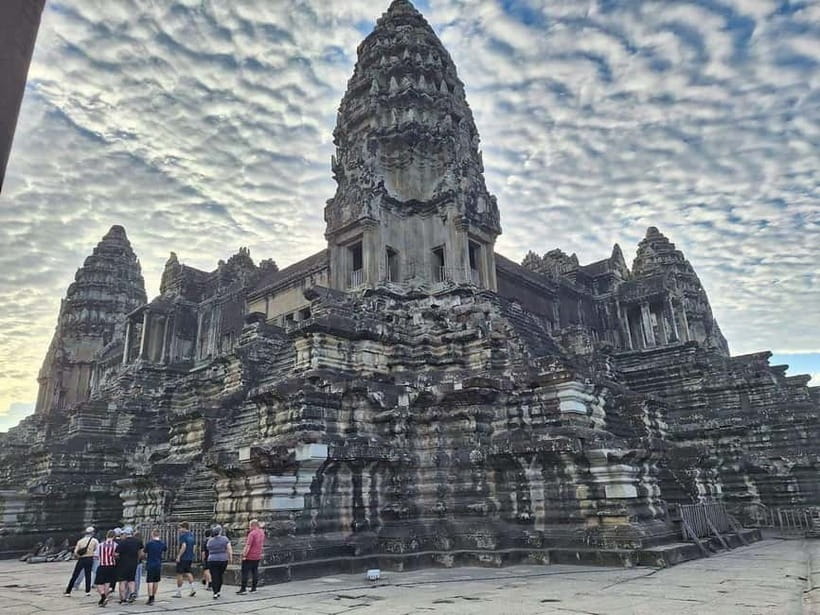
Angkor Wat is famous for a reason, but it can also feel overwhelming if you’re stuck in a big group that never slows down. This tour’s whole idea is to keep the group small—up to 6 people—so you’re not constantly elbowing for a view or trying to hear over a wall of chatter. The result is a day that feels close to private, without the private-tour price tag.
You also get a live guide in the language you choose: English, Spanish, Japanese, Italian, Portuguese, French, German, or (in practice) guides who can explain religion, history, and the meaning behind temple design. That matters because Angkor isn’t just an architectural “look at this” stop. It’s a place where symbols, layout, and religious history all connect.
Finally, the pace is built for real viewing. You’ll get photo time, cultural explanations, and enough spacing between key stops that you’re not doing frantic “run-and-guess” sightseeing.
Price and Logistics: The Real Cost of One Day at Angkor
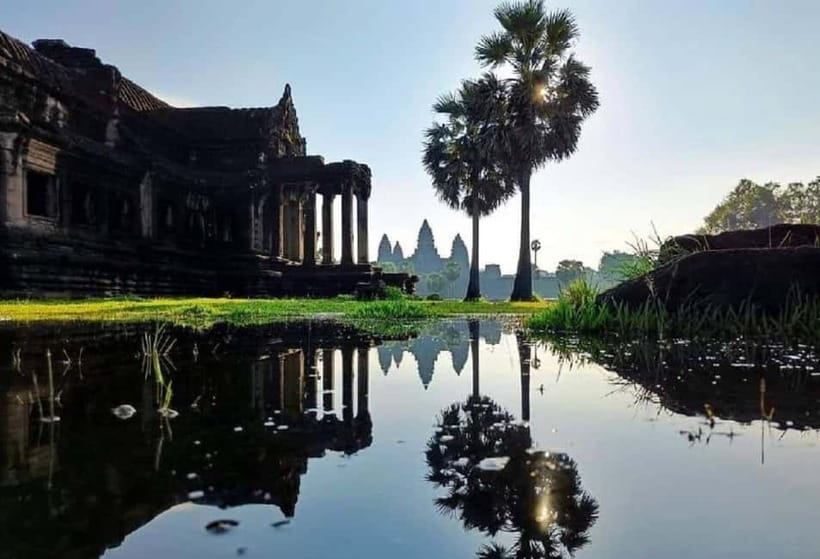
The tour price is $25 per person for an 8-hour day, and it includes a guide, transport around Siem Reap city, and the visits scheduled on the route. That’s strong value if you want the convenience of a driver and a guide without paying a premium for a big-name private company.
Two costs are still on you:
- Angkor Archaeological Park entrance ticket: US$37 per person (1 day)
- Lunch (not included)
So, a reasonable quick budget looks like $25 + $37 = $62 before lunch. If you eat reasonably, this still lands in the “good value” zone for a guided Angkor day where you’re not dealing with logistics yourself.
Also note: the tour includes skip the ticket line. You’ll still need to buy your entrance ticket separately, but this helps reduce wasted time at the gates once you’re ready to enter.
Getting There in Comfort: Tuk-Tuk vs Air-Conditioned Van
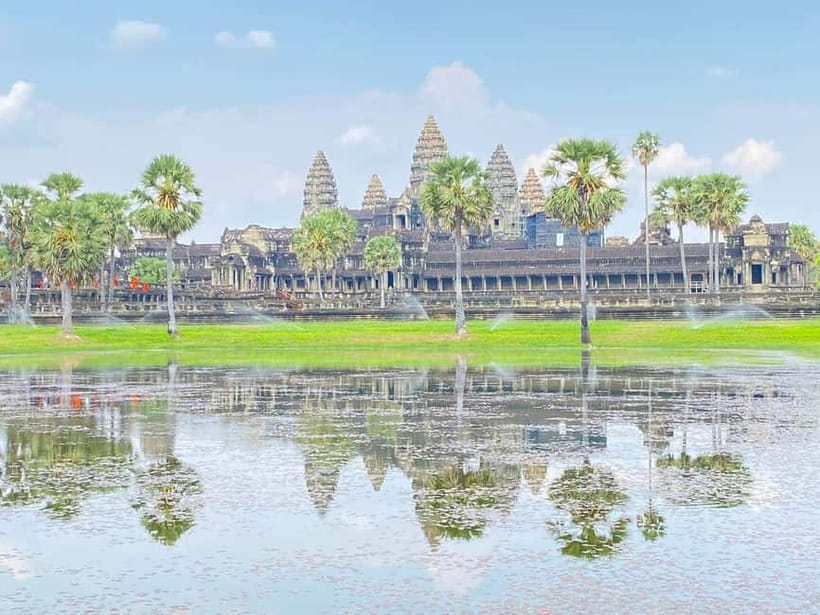
You’re picked up from your hotel lobby in Krong Siem Reap between 08:30 and 09:00 AM. The pickup is handled in a comfortable vehicle, and you get the transport that matches your group size.
Here’s the practical part:
- For 1–2 people, expect a tuk-tuk (open-air).
- If your group reaches 3 or more, you get an air-conditioned van upgrade for free.
This is a smart setup. Tuk-tuks are fun for the ride, but Angkor heat is real, and an A/C van can make the difference between enjoying the day and feeling drained. Either way, you’re not arranging anything: the driver and transfers are part of the plan.
And don’t skip the small comfort items. Having cold water and a cold towel on hand during temple hours is exactly the kind of “boring but useful” detail that makes long sightseeing feel manageable.
Morning Start: Ta Prohm and the Victory Gate Photo Moment
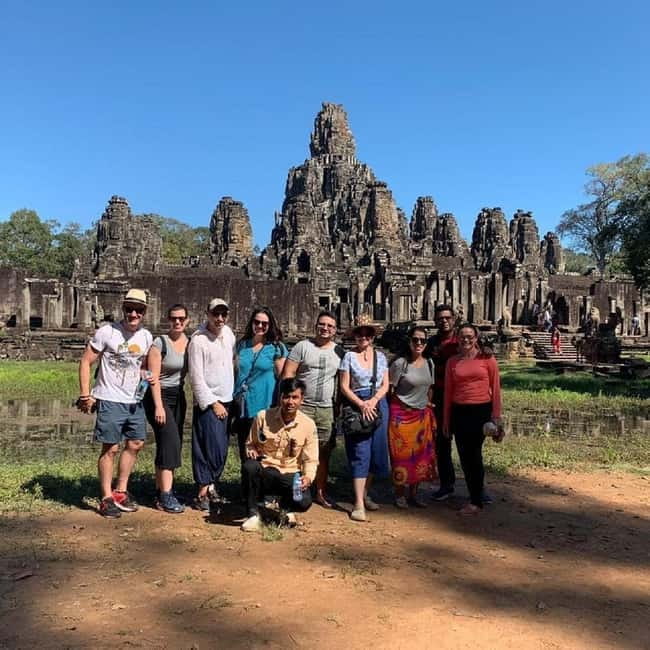
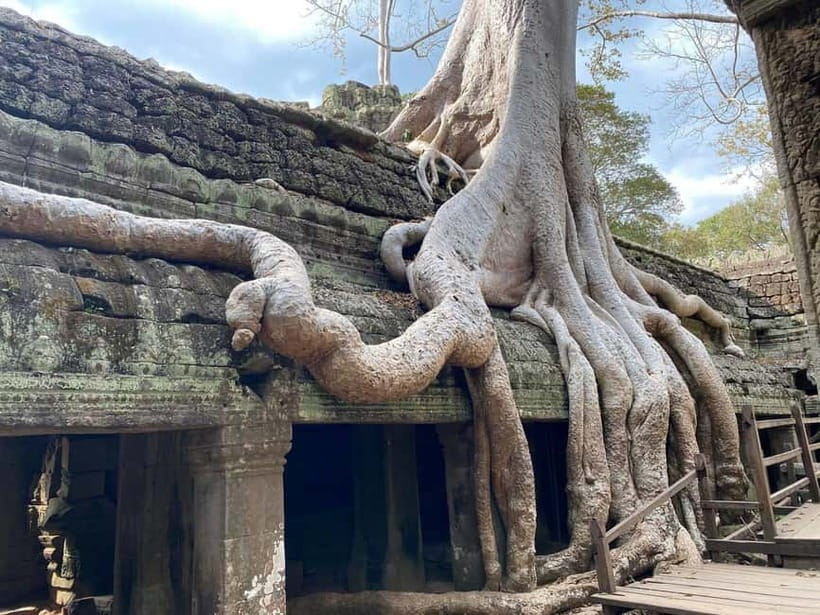
After pickup, your route includes Ta Prohm, and the stop is guided for about 1 hour. This is one of the most visually dramatic temples on the circuit. The big draw is the way massive tree roots have grown through the structure, creating that instantly recognizable, cinematic feel. It’s the kind of place where a guide helps you see beyond the photo angle—explaining how the site has changed over time and what the temple’s setting means.
After Ta Prohm comes a short, targeted photo stop at the Victory Gate, Angkor (about 15 minutes). This isn’t meant to be a long wander. It’s a timing-friendly pause so you can capture a key view without losing momentum for the rest of the day.
That rhythm is part of why this tour works. You get one “big visual hit” (Ta Prohm), then a quick “frame the shot” moment (Victory Gate), and then you settle into the deeper Angkor Thom area.
Angkor Thom’s Big Names: South Gate Faces, Bayon Smiles, and Terraces
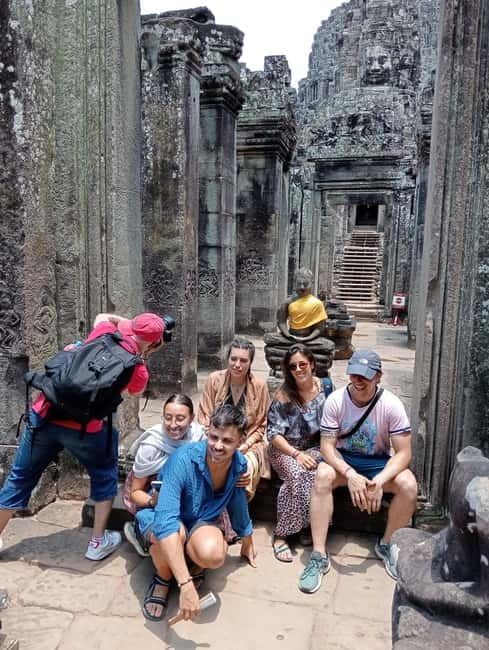
Angkor Thom is the heart of the circuit, and you spend a solid 2 hours there with guidance. When you hit the South Gate, you’ll see the famous stone faces that guard the approach. This is the first moment where the scale really hits—because you’re not just looking at ruins; you’re entering a designed gateway meant to communicate power and belief.
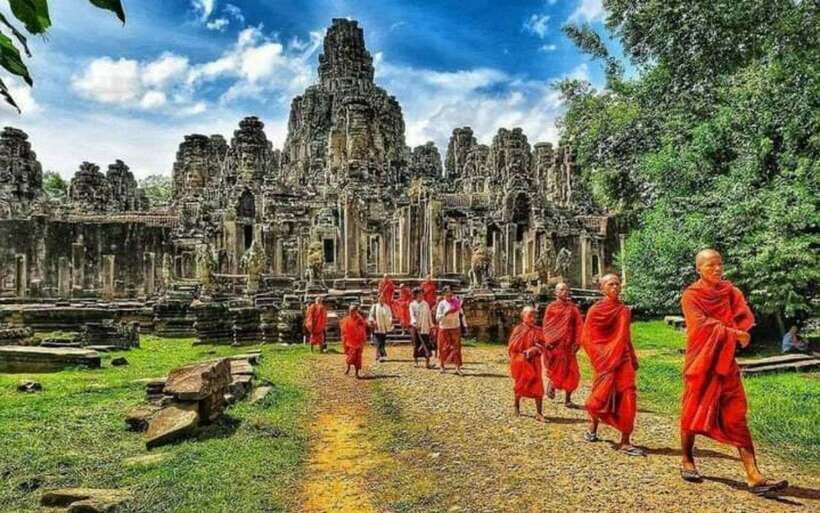
Next up is Bayon Temple (about 45 minutes). Bayon is known for its many towers and the serene faces that appear from different angles. A guide is especially useful here because the meaning behind what you’re seeing is the difference between a cool photo and a real understanding of why these elements exist where they do.
Then you move through key terrace stops:
- Terrace of the Elephants (about 20 minutes)
- Terrace of the Leper King (included as part of the terrace experience)
These terraces feel like “background” when you first look at photos online. On-site, they’re more interesting because they connect temple life to performance, storytelling, and religious symbolism. You’re not only walking stone corridors—you’re reading the architecture like a visual narrative.
There’s a practical side too. Terraces can be busy, so smaller-group pacing helps. If you’re traveling with someone who wants to ask questions, you’ll have less competition for the guide’s attention.
Baphuon and Srah Srang: A Break in the Middle of the Heat
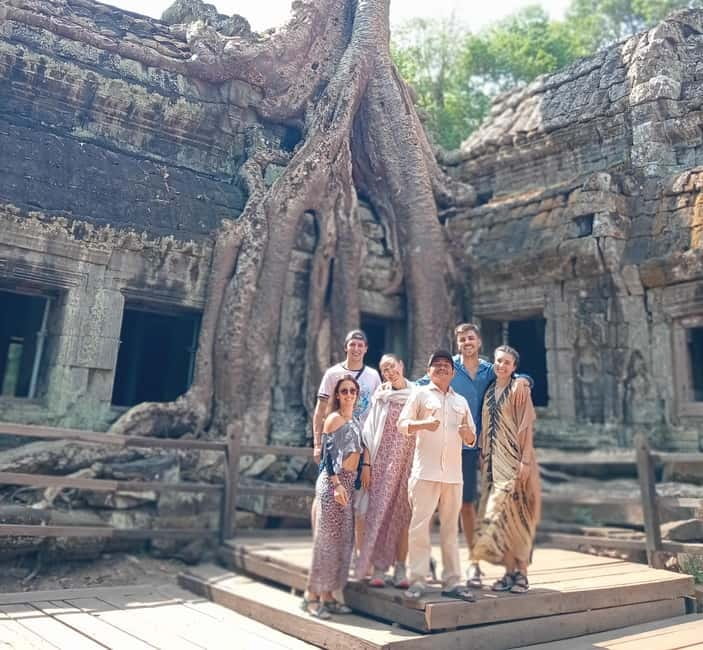
After Angkor Thom’s core stops, the tour includes Baphuon (about 30 minutes). Baphuon is worth treating like more than a quick pass. Even with time limits, your guide can explain why it matters in the broader Angkor Thom story, and what to notice as you walk through the space.
Then comes a break at Srah Srang. You get time for a reset, plus a 1-hour break that includes lunch time, although lunch itself is not included in the tour price. This stop is helpful because it gives you space to cool down, use the restroom, and decide how you want to handle the rest of the afternoon.
One caution based on how heat can affect your day: plan your lunch like a strategic pause, not a rushed meal. If you go heavy and fast in the midday sun, you’ll feel it later. Keep water in your system and take advantage of the time you’re given before Angkor Wat.
Angkor Wat in the Afternoon: Symbolism, Layout, and Time to Photograph
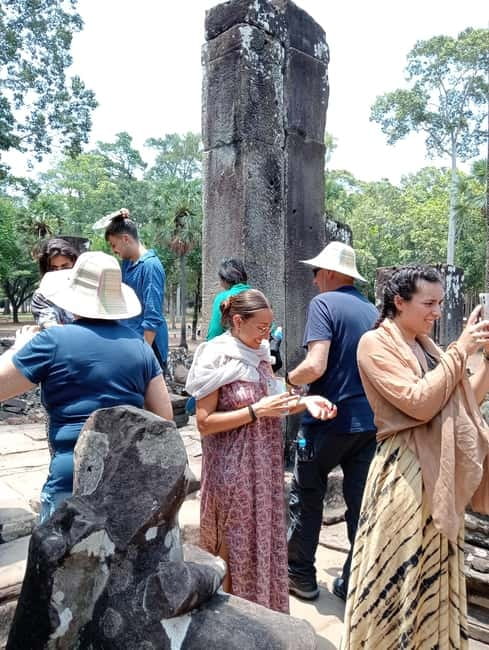
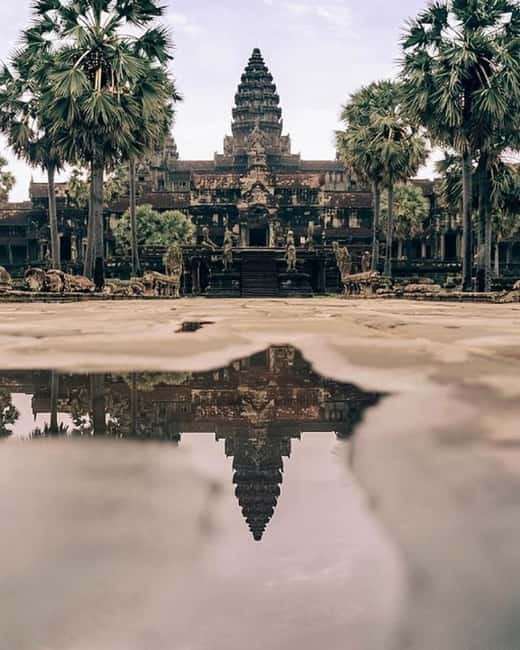
Your last major temple is Angkor Wat, guided for about 2 hours. Since this is the world’s largest religious monument, the site rewards structure. The guide’s job is to help you make sense of what you’re seeing—how the layout works, what key artworks and architectural elements signal, and why the place was designed the way it was.
This is also where you’ll feel the advantage of the tour’s pacing. Two hours of guided time gives you enough duration to:
- appreciate multiple angles (not just the first postcard spot)
- understand what the decorations and geometry mean
- take photos without constantly feeling like you’re cutting it too close
You finish around 05:00 PM, then you return to your hotel. That timing is part of the value: you’re not spending the entire day trapped in a never-ending queue system. You’re following a plan with built-in viewing time.
What to Bring (and What Can Get You Turned Away)
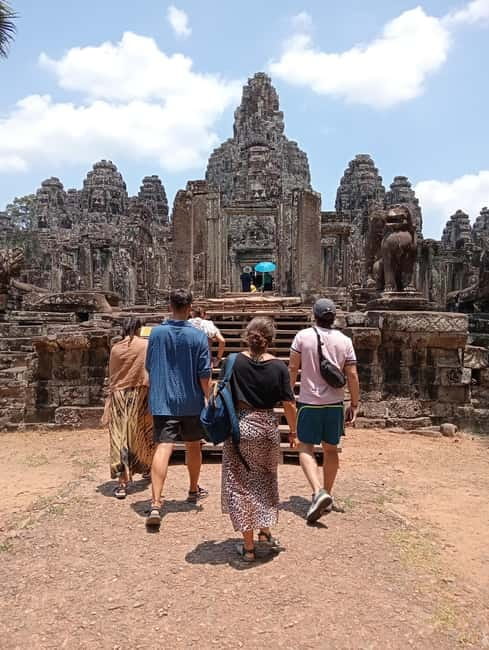
Angkor temples have dress expectations, and the tour is clear about what you can’t wear. Please plan ahead:
- No shorts
- No short skirts
- No sleeveless shirts
- No alcohol and drugs
For what to bring, think practical, sun-proof, and low-drama:
- Comfortable shoes (you’ll be walking)
- Sunglasses
- Sun hat
- Camera
- Sunscreen, plus biodegradable sunscreen if you’re using it near waterways or exposed areas
- Insect repellent
- Cash (useful for lunch and any small extras)
If you’re packing light, I’d prioritize the hat, sunscreen, and shoes over extra outfits. You’ll sweat; you’ll walk; and temple hours don’t care about your fashion choices.
Guide Quality and the Small-Group Advantage
A tour like this lives or dies by the guide. The experience is built around licensed guiding and live explanations in your chosen language, and that’s not just comfort—it changes what you get from each temple.
In particular, the guides associated with this format tend to focus on:
- explaining history and religion in a way that’s easy to follow
- helping you understand why specific features matter
- keeping the day organized so you’re not stuck waiting around
There’s also a practical bonus: you’ll get help with photos. And with a small group, your guide can take time to reposition you rather than telling everyone to stand where they ended up.
One note: some days can feel extra hot, and if the itinerary timing shifts, the sun can feel relentless. When that happens, a good guide will keep things sensible and help you adjust your expectations. Still, you should show up prepared.
Who This Tour Fits Best (and Who Should Skip It)
This is designed for people who want a well-structured Angkor day without the big-group stress. It’s a great fit for:
- couples or small friend groups who want a calmer pace
- people who want a guide to explain symbolism and temple design
- anyone who appreciates included comforts like cold water and towels
It’s not suitable for:
- children under 12
- wheelchair users
- people over 95
If you’re in a hurry to see Angkor’s main highlights in one day, this does the job. If you want a slower, deeper dive into fewer temples only, you might prefer a longer multi-day plan—but this route is strong for a first Angkor day.
Should You Book This Siem Reap Angkor Wat Small-Group Tour?
Yes, you should book if your top priority is value plus convenience, with an actual guide and a small group size. At $25, you’re buying a lot: transport, a professional guide, cold water, cold towels, and access to the major stops in the Small Circuit flow.
Book it especially if you:
- want less crowd pressure at key temples
- care about understanding what you’re seeing
- prefer a manageable schedule that returns you to your hotel around 05:00 PM
Skip or rethink it if:
- you’re extremely sensitive to heat and want an itinerary that avoids midday intensity as much as possible
- you need accessible support for mobility needs
FAQ
FAQ
How many people are in the small group?
The group is limited to a maximum of 6 people, which is what keeps the pace relaxed.
What time does the tour pick you up in Siem Reap?
Pickup happens from your hotel lobby between 08:30 and 09:00 AM.
What’s included in the tour price?
You get a small-group day at the Angkor complex, a professional licensed guide in your chosen language, transport (tuk-tuk or A/C van), hotel pickup and drop-off within Siem Reap city, plus cold water and a cold towel.
Is the Angkor entrance ticket included?
No. The Angkor Archaeological Park entrance ticket (US$37 for 1 day) is not included and must be purchased separately.
Is lunch included?
Lunch is not included. You do get a break period at Srah Srang with time for lunch.
What temples are on the schedule?
You’ll visit Ta Prohm, Victory Gate (photo stop), Angkor Thom (including Bayon), Terrace of the Elephants, Baphuon, and Angkor Wat. You also stop at Srah Srang for a break.
What transport will I ride in?
For groups of 1–2, it’s usually a tuk-tuk. If the final group size reaches 3 or more, the operator upgrades the group to an air-conditioned van at no extra cost.
How long is the tour?
It’s an 8-hour day tour, finishing around 05:00 PM.
What should I wear to the temples?
Plan to wear comfortable clothes and no shorts, short skirts, or sleeveless shirts. Also bring sunscreen, sunglasses, and a sun hat.
If you want, tell me your travel dates and which language you prefer, and I’ll help you sanity-check the timing for heat and what to prioritize first when you arrive at Angkor.