REVIEW · GUIDED
Kulen Waterfall Park with Small Groups & Guide tour
Book on GetYourGuide →Bookable on GetYourGuide
Sacred water and big stories in one day. This small-group tour climbs Kulen’s jungle hills to the River of a Thousand Lingas and the world-famous Reclining Buddha, plus a holy-water waterfall stop that feels very local, not staged. You also get a reality check on Cambodia’s past with a guided visit tied to the Khmer Rouge era.
I love the practical setup: an AC mini-van, cold towels, and enough time at each hilltop stop to actually look, not just pose and rush. The main drawback to plan for is extra spending: meals and some temple/attraction tickets aren’t included, and the day includes walking and even a swimming stop.
In This Review
- Quick hits on Kulen in a small group
- Kulen Waterfall day trip: the sacred mountain plus real-world context
- The $45 value: what’s included, what you’ll likely pay on top
- Getting to the mountain: the AC mini-van and the long Siem Reap drive
- Stop 1: Cambodia Landmine Museum—important facts with a guided walk
- Poeng Ta Kho cliff: a short guided viewpoint that’s worth the detour
- Leper King Temple: why the details matter during a 1-hour visit
- Wat Preach Angthom: a swimming hour and a welcome break from walking
- Kulen morning to hilltop: quarry stories, a sacred river, and holy water
- Reclining Buddha at the pagoda: the famous sight, explained in context
- Two-level holy-water waterfall park: bath with the river’s blessing
- Lunch at Rom Chang Ankor Restaurant: plan for extra cost and shareable portions
- Who this tour suits best (and who should skip it)
- Quick packing checklist that actually helps
- Should you book this Kulen Waterfall Park small-group tour?
- FAQ
- How long is the Kulen Waterfall Park small-group tour?
- What is included in the $45 price?
- Are meals included?
- Do I need to pay extra for the Landmine Museum or temples?
- What should I bring for the day?
- Is the tour wheelchair-friendly or suitable for older travelers?
- Is free cancellation available?
Quick hits on Kulen in a small group
- River of a Thousand Lingas + holy-water blessing: You’ll see intricate Shiva linga carvings and get the Cambodian-style blessing with holy water.
- Reclining Buddha on the Kulen hilltop: The most famous religious sight of the day, reached after a scenic climb.
- Two-level holy-water waterfall park: You can rinse off and cool down with the holy-water flow.
- Poeng Ta Kho cliff stop: A short guided viewpoint that breaks up the day nicely.
- Landmine Museum time for context: A guided stop (with a walk) focused on Cambodia’s difficult history.
- Swimming at Wat Preach Angthom: One hour to cool off, with a towel on your shopping list.
Kulen Waterfall day trip: the sacred mountain plus real-world context
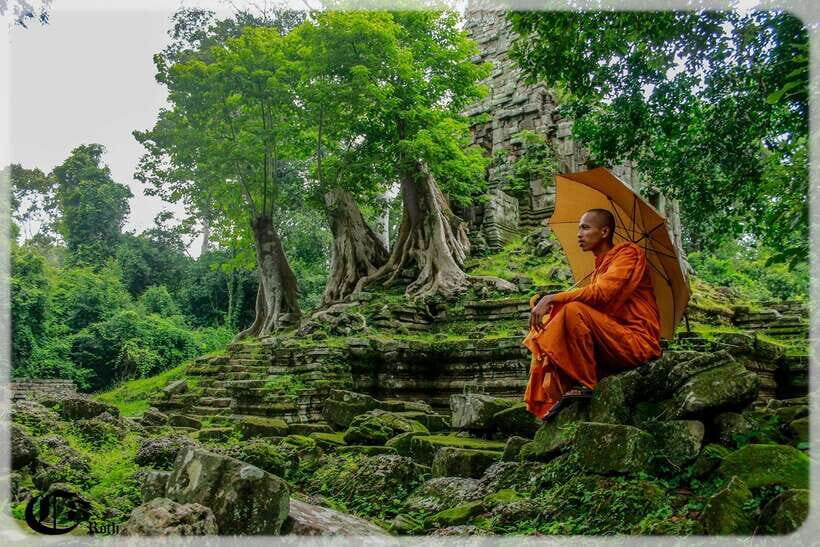
Kulen is the kind of place where spirituality and history sit side by side. It’s a holy mountain for Hindus and Buddhists, tied to the rise of the Khmer Empire, and you’ll move through riverside carvings, pagodas, and waterfall rituals that feel woven into daily belief.
What makes this tour worth your time is the mix. You get the obvious wow moments—the Reclining Buddha and the holy-water waterfall—then you also get a guided history stop connected to the Khmer Rouge story, plus views and stone-cut clues about how the region’s famous temple structures were made.
The pacing is built for a long day. You’ll be in transit early, you’ll do guided walks and sightseeing stops, and you’ll have a lunch break during the Kulen portion. If you want a slow, mostly relaxing outing, this may feel busy.
The $45 value: what’s included, what you’ll likely pay on top
The headline price is $45 per person, and that includes several things that usually add up on day trips in Siem Reap. You get an English speaking guide, hotel pickup/drop-off, a mini van with AC, and the Kulen waterfall park entrance fee. You also get cold towels during the day, which sounds small until you’re sweating on a sunlit hillside.
Meals are not included, and neither are entrance fees for the Landmine Museum and temples ticket. So the true cost depends on what you choose to buy at lunch and what exact fees are charged at the stops that require separate tickets. In practice, plan on spending extra for food at the designated restaurant stop.
Is it still good value? Yes—mostly because you’re paying for organized time and interpretation. When guides like Makara, Chout, or Sayon keep the day flowing with clear explanations, you stop feeling like you’re paying just for a ride. You’re also getting cold-water comfort, not just a hot car and a map.
Getting to the mountain: the AC mini-van and the long Siem Reap drive
The day starts with pickup from Krong Siem Reap, then a coach/van ride that takes about 1.5 hours to reach the first stop area. Expect similar short bus legs between sights, because this is one of those day trips where the geography matters.
The good news is the ride is in a mini van with AC. That matters in Cambodia when you’re going from road heat into humid jungle air. You’ll also get cold towels/wet towels, and in my book that’s not a gimmick—it’s practical.
One logistics note: be ready at your pickup spot. The driver waits no longer than 5 minutes after the scheduled pickup time. Plan to be in the lobby about 10 minutes before, so you don’t lose your place to the time crunch.
Stop 1: Cambodia Landmine Museum—important facts with a guided walk
The day includes the Cambodia Landmine Museum as an early guided stop, with about 40 minutes for the tour and a walk. This is the part of the day that isn’t about views or photos. It’s about learning what happened and how communities are affected, including the Khmer Rouge story tied to the region.
A guided format helps here. Without interpretation, you might just see displays and feel overwhelmed. With a guide, you get the story framed in a way that makes the visit easier to process, even though the subject matter is heavy.
A possible consideration: this stop may not be everyone’s favorite. If you prefer upbeat cultural sights only, you may need a mental reset afterward—because the rest of the day moves into sacred spaces and waterfall time.
Poeng Ta Kho cliff: a short guided viewpoint that’s worth the detour
After the museum, you’ll head to Poeng Ta Kho (Amazing Cliff) for about 30 minutes of guided sightseeing. This is a shorter stop, which is smart. It gives your legs a change of scenery before you start the temple/hilltop sequence.
Even in a brief time window, a cliff viewpoint can help you understand Kulen’s geography. You get a better sense of why the temples sit where they do and how the mountain shapes daily life in the area.
Leper King Temple: why the details matter during a 1-hour visit
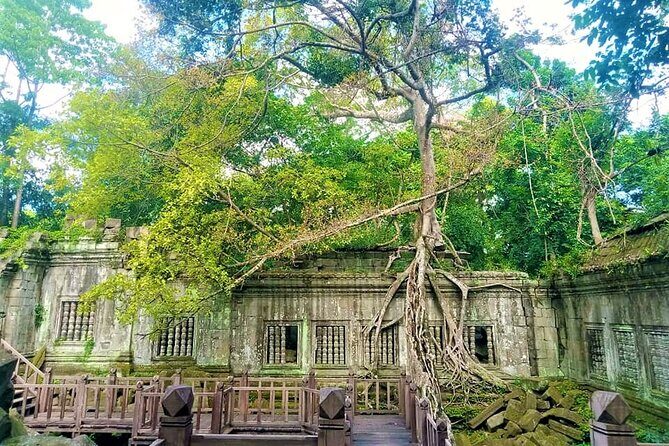
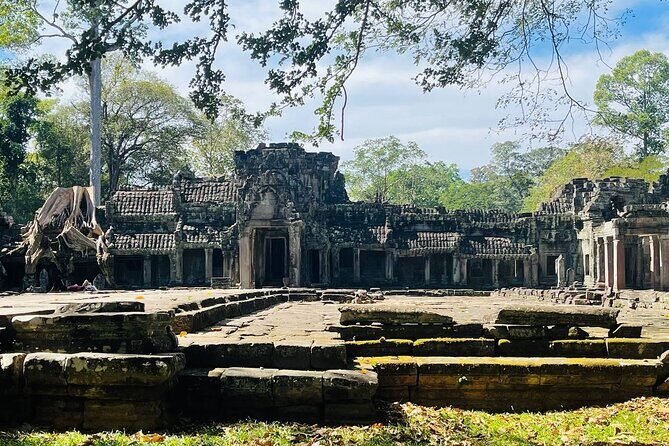
The Leper King Temple stop is around 1 hour with guided sightseeing. Temples like this are often more interesting when you notice small things—stonework, the way paths are cut, and the human scale of the site.
A temple hour is usually a good balance: long enough to see what’s going on with a guide, short enough that you don’t feel trapped in heat. Wear shoes you can trust, because you’ll be walking on uneven surfaces.
If you’re the type who likes religious sites but gets bored when it’s only about one big photo moment, this stop is a good match. The guide can connect the visual details to the story of the place.
Wat Preach Angthom: a swimming hour and a welcome break from walking
Next up is Wat Preach Angthom, with about an hour that includes swimming. This is one of those rare Siem Reap day trip features that actually gives you a bodily break from the sightseeing schedule.
Bring a towel. You’re also going to want water-friendly footwear instincts. Sports shoes are recommended, but use common sense for wet stones.
This stop also gives you a natural transition before Kulen’s main sacred waterfall portion. You go from guided stops into a more physical reset, then you’re back on the hilltop path sequence.
Kulen morning to hilltop: quarry stories, a sacred river, and holy water
As you move onto Kulen mountain, you’ll hear why the place matters. Kulen is linked to the birthplace of the Khmer Empire in AD 802, and you’ll also visit areas connected to a quarry where stone used for temple construction was cut.
That quarry detail adds weight to the day. Instead of treating temples as floating monuments you only admire at a distance, you start seeing where materials came from and how the mountain fed the building story.
Then comes one of the most memorable segments: the River of a Thousand Lingas. You’ll walk to this river section where Shiva linga carvings cover the floor. It’s gorgeous, and it also frames the holy-water ritual in a more meaningful way—this isn’t just water because it’s wet. It’s part of a religious geography.
Reclining Buddha at the pagoda: the famous sight, explained in context
After the river blessing segment, you continue to the mountain top to find the pagoda and the world-renowned Reclining Buddha. This is the big, recognizable religious landmark of Kulen, but what makes it satisfying is the lead-up.
If you arrive already tired, the reclining statue might feel like just a photo stop. With the guide’s explanations about sacred significance, the sight feels more like a destination with layers, not a quick checkpoint.
You’ll also have time for strolling and sightseeing at the hilltop before the final waterfall segment. That matters because Kulen’s power isn’t only in one view; it’s in moving through spaces and noticing how people behave around them.
Two-level holy-water waterfall park: bath with the river’s blessing
The final big highlight is the Kulen waterfall area, described as a two-level waterfall park where you can take a bath with holy water. This is the part most people remember afterward, because it’s active and cooling.
The holy-water element is key. You’re not only there to look at water. You’re there to participate in a ritual way of receiving blessing—at least in the local sense of how the area is used.
Bring the right gear mindset. Sports shoes are recommended, and a towel helps. If it rains, conditions can affect how slippery the stones feel and how easily you can see all the rock details, but the waterfall itself usually remains impressive.
Lunch at Rom Chang Ankor Restaurant: plan for extra cost and shareable portions
Meals aren’t included, and lunch is part of the day’s structure at the Kulen site or at the later restaurant stop area (Rom Chang Ankor Restaurant is listed as part of the schedule). This can be the most variable part of your budget because you’ll be paying on-site.
From what I’ve seen in the way this tour is run, the lunch stop is intended to keep you on schedule rather than to let you wander for your own meal. That’s convenient, even if you might find it pricey compared to casual roadside options.
If you want to keep costs in check, consider sharing a meal if portions are large enough when you’re there. The important practical point: show up hungry, because you’ll likely be eating while you still have hours left in the day.
Who this tour suits best (and who should skip it)
This tour fits best if you want one day that covers both sacred sights and Cambodia’s harder stories. You’ll like it if you enjoy guided interpretation and don’t mind a full schedule.
It’s also a strong choice for families and mixed ages who can handle moderate walking, since the stops are structured and guided. Some groups can stay small enough to keep things friendly and conversational, which makes a big difference on a day like this.
It’s not suitable for people over 70, wheelchair users, or anyone with mobility impairments. You should also think twice if you hate walking on uneven surfaces, because the day includes multiple temple and hilltop segments.
Quick packing checklist that actually helps
You’re told to bring sports shoes, biodegradable insect repellent, sunscreen, and a towel. I agree with all of that. The mountain and waterfall stops are exactly when sun and bugs become a problem.
Also remember what isn’t allowed: no backpacks, no alcohol, and no drugs. If you’re bringing a day bag, keep it simple and light, because the park and temple areas can be strict.
Respectful dress is the rule of thumb at ancient religious grounds. Comfortable and casual is fine, but you’ll feel better if you dress for walking and heat.
Should you book this Kulen Waterfall Park small-group tour?
Book it if you want a structured Siem Reap day trip that does more than just waterfalls. The mix of River of a Thousand Lingas, the Reclining Buddha, a holy-water waterfall bath, plus the history-focused Landmine Museum stop makes the day more meaningful.
Skip it if you’re sensitive to heavy topics, you want meals included in the price with zero extra cost, or your mobility is limited. This is a full-day route with walking and at least one swimming option.
If you do book: wear good shoes, bring sunscreen and repellent, and go in with the right mindset. Kulen isn’t a checklist of sights. It’s a day where the sacred and the real parts of Cambodia sit close together.
FAQ
How long is the Kulen Waterfall Park small-group tour?
The tour lasts about 8.5 to 9 hours.
What is included in the $45 price?
You get an English speaking guide, a mini van with AC, hotel pickup and drop-off, Kulen waterfall park entrance fee, and cold towels/wet towel.
Are meals included?
No, meals are not included.
Do I need to pay extra for the Landmine Museum or temples?
Yes. Entrance fees to the Landmine Museum and the temples ticket are not included.
What should I bring for the day?
Bring sports shoes, biodegradable insect repellent, sunscreen, and a towel.
Is the tour wheelchair-friendly or suitable for older travelers?
No. It is not suitable for people over 70, wheelchair users, or people with mobility impairments.
Is free cancellation available?
Yes. You can cancel up to 24 hours in advance for a full refund.