REVIEW · SIEM REAP
Unveiling 2 Days Private Angkor Wat/Beyond In Sunrise/Sunset Tour
Book on Viator →Bookable on Viator
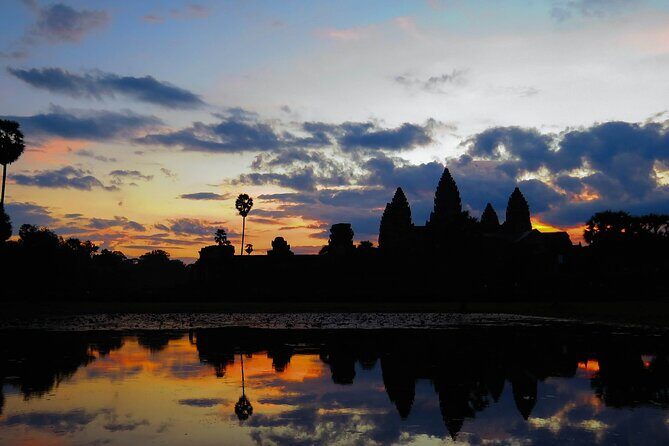
Sunrise at Angkor Wat changes the whole trip. This private two-day tour is built around early light and the chance to see Angkor Wat again later, plus a second day’s quieter sunset temple circuit. I love the private setup for pacing and crowd avoidance, and I love that you ride in an air-conditioned minivan instead of baking in a hot tuktuk. One thing to consider: temple admission tickets are not included, so you’ll want to budget for those and plan your timing around early starts.
You’ll cover the big names and the slightly overlooked stops that make Angkor feel bigger than one postcard. The route blends the jungle mood of Ta Prohm, the faces at Bayon, and the carved pink-sandstone detail at Banteay Srei, then finishes with sunset at Pre Rup and Phnom Bakheng. A possible drawback: it’s a lot of temples in two days, so you’ll walk and stand more than on a slower sightseeing day.
The payoff is that the guide’s role isn’t just reading facts. If you get a guide like Sam or Han (names that have shown up in past groups), you’ll likely spend more time understanding what you’re seeing and getting help for better photo spots. And yes, you’ll still be watching real ancient stone do real things as the light shifts.
In This Review
- Key things I’d watch for on this 2-day Angkor Wat tour
- Why sunrise and sunset both matter at Angkor Wat
- Your two-day temple route, stop by stop (and why each one earns its place)
- Day 1: Angkor Wat in the early morning, then the jungle and city temples
- Day 2: Pre Rup for quieter views, then Phnom Bakheng for sunset
- Price and value: what you’re really paying for
- Getting comfortable: transport, walking, and what to bring
- How the guide improves the experience (especially at sunrise)
- Who this private Angkor Wat sunrise and sunset tour fits best
- Should you book it? My practical take
- FAQ
- Is this a private tour?
- Is hotel pickup and drop-off included?
- Do I need to buy temple admission tickets separately?
- What’s the approximate duration?
- What should I wear to visit the temples?
- What’s the group size?
- What should I bring for comfort?
- Is meals included?
Key things I’d watch for on this 2-day Angkor Wat tour
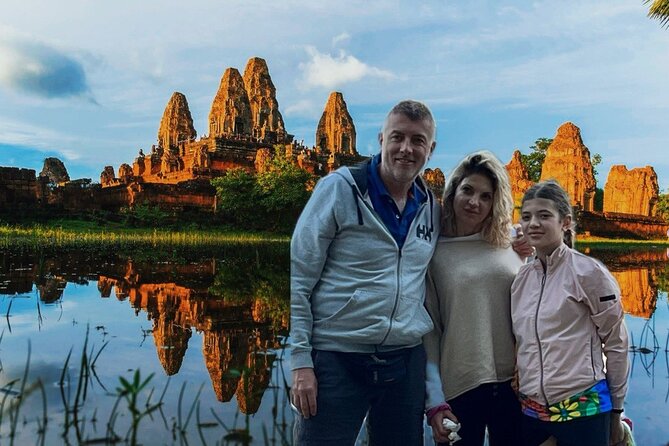
- Sunrise plus a later Angkor Wat visit: you get the dramatic start and a second chance to explore the monument’s layout.
- A true private group experience (up to 12): your schedule can run smoothly without constant negotiating with other groups.
- Beyond Angkor Wat temple variety: jungle, island temples, and carved pink sandstone all in one compact itinerary.
- AC transport, cold water, and wipes: welcome comfort for hot Cambodian days between temple stops.
- Photo-minded guidance: guides like Sam and Han have been praised for pointing out practical sunrise photo spots away from the worst crowd crush.
- Temple tickets are separate: you’ll still need admissions, so budget ahead and keep your ticket-ready timing in mind.
Why sunrise and sunset both matter at Angkor Wat
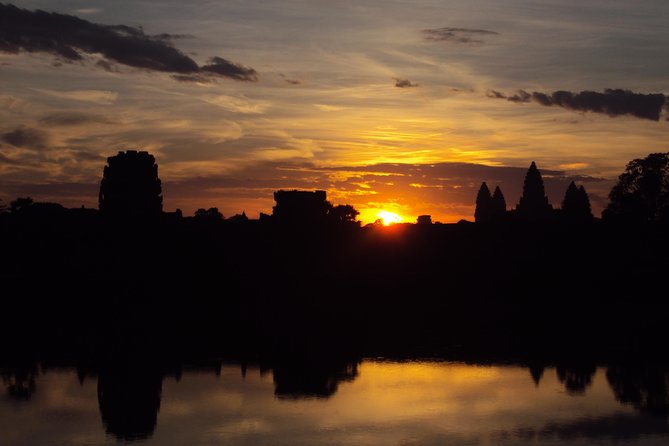
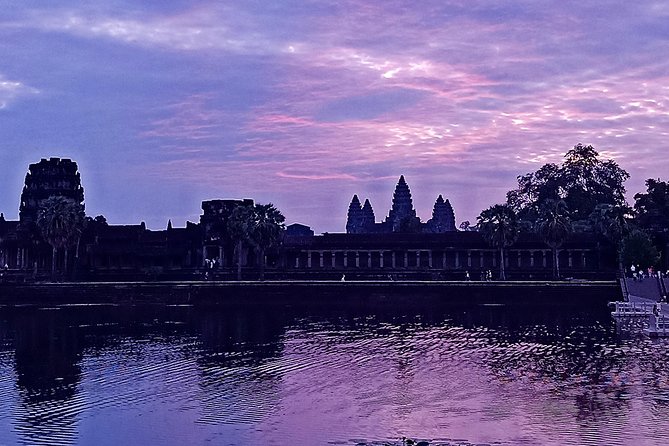
Angkor Wat isn’t only famous because it’s big. It’s famous because of how it behaves in light. In the early morning, the stone looks different, shadows move slower, and the atmosphere feels calmer before the day’s momentum kicks in. That’s why this tour anchors your first day with an early sunrise at Angkor Wat and then builds in time to explore the complex later.
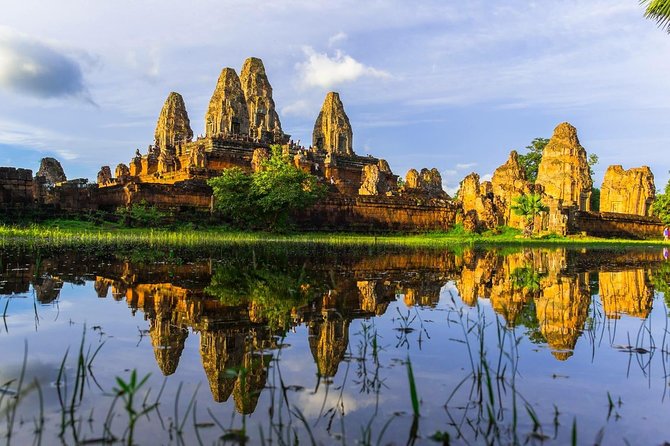
On the second day, sunset temples shift the focus from grand symmetry to mood. Pre Rup is often described as a quieter viewpoint, and Phnom Bakheng is the classic higher perch for evening views. If you want photos and also want to actually enjoy your visit, you’ll be grateful the itinerary is structured around the light instead of forcing everything into the hottest hours.
The private format matters here. You’re not just buying access to temples—you’re buying a schedule with less crowd friction, more control over your pace, and a guide who can steer you away from the worst bottlenecks when timing matters most.
Your two-day temple route, stop by stop (and why each one earns its place)
This is a dense “highlights + texture” circuit. You’ll move through the major Angkor sites, but you’ll also get the smaller temples that make the whole area feel layered instead of repetitive. Admission to temples isn’t included, so you’ll want to keep your ticket planning tight and wear clothing that fits the dress expectations for holy sites (covered knees and shoulders).
Day 1: Angkor Wat in the early morning, then the jungle and city temples
Angkor Wat (sunrise, then later exploration)
The tour starts with sunrise viewing at Angkor Wat and then gives you time later to explore the entire monument. That split is smart: sunrise helps you understand why the site is so iconic, while the later visit helps you read the layout—courtyards, causeways, and the way the complex guides your eye.
One practical advantage of having a guide here: they can help you notice what you’d likely miss if you were just wandering. Think of it as getting your bearings fast, so your second pass feels purposeful instead of rushed.
Ta Prohm (Tomb Raider temple)
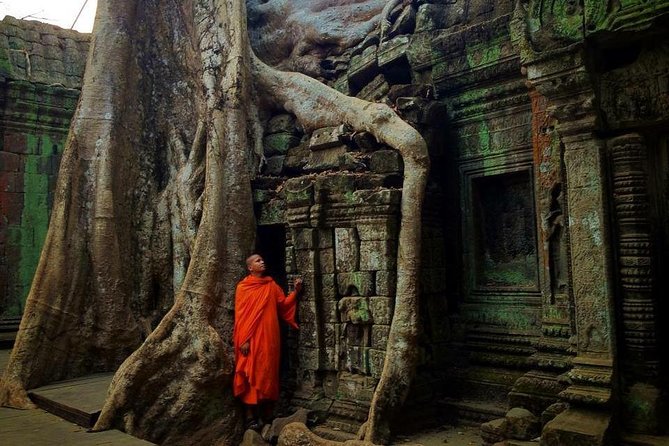
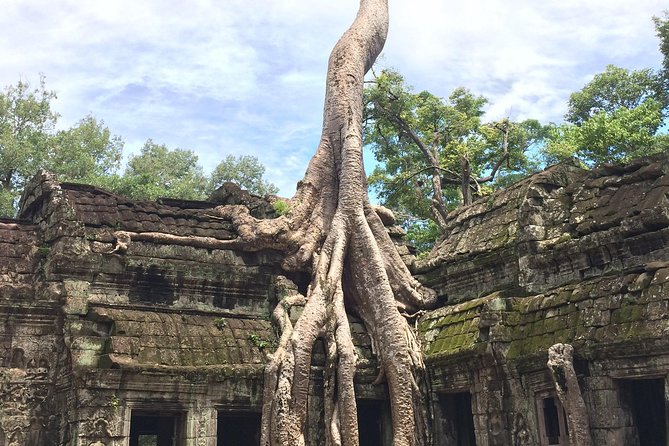
Next you move to Ta Prohm, the jungle-covered temple often linked to film fame. The big draw is the visual contrast: carved stone holding its own while roots and growth work around it. It’s also a relief after Angkor Wat’s tight symmetry—this place feels more untamed, and the walking paths make it easier to enjoy without constantly checking a map.
Bayon Temple (the face-filled stop)
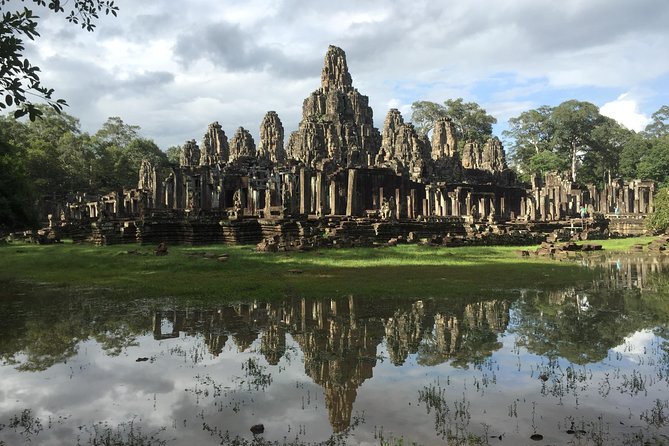
After a lunch break at a local restaurant (meals aren’t included, so plan on buying your own), you’ll head to Bayon. Bayon is the temple with more than 1,000 Buddha faces, and the experience is less about counting and more about the feeling of being watched from multiple angles.
Angkor Thom (a wider sweep around Bayon)
From there you explore around Angkor Thom for another chunk of time. This section is valuable because it turns one famous view into a neighborhood of temples and sightlines. You get a sense for how people moved through the city space, not just one highlight photo.
Preah Khan (the jungle temple)
Preah Khan continues the jungle theme, but with a different mood. You’re moving from a well-known cinematic temple into another complex that still feels wrapped in the forest. If you like textures—stone surfaces, shadow gaps, and that damp jungle air feeling—this stop delivers.
Neak Pean, Ta Som, and Eastern Mebon (the smaller, special-format temples)
You also hit a cluster of smaller temples with distinct layouts:
- Neak Pean, the small island temple (a shorter stop, but visually memorable because of its form).
- Ta Som, the fig tree overgrown on the eastern gate (a good quick hit if you like nature reclaiming architecture).
- Eastern Mebon, an island Hindu temple made from clay brick (a useful contrast to the heavier stone look elsewhere in the circuit).
These shorter stops are where the itinerary feels efficient. You get variety without burning your whole day on only the biggest names.
Banteay Srei (pink sandstone carving temple)
Banteay Srei is the “slow down” moment. It’s known for the pink sandstone carvings and is often called the Citadel of Women. This is where your guide’s attention to detail really helps: the place can look impressive from far away, but the real satisfaction comes from seeing the craft up close.
Banteay Samre (quiet Hindu temple ambiance)
Then you continue to Banteay Samre, another smaller Hindu temple. It may not be the first name people think of, but it gives your eyes a breather and lets you enjoy the scene without feeling like you’re always chasing the next crowd photo.
Day 2: Pre Rup for quieter views, then Phnom Bakheng for sunset
Pre Rup (quiet sunset spot)
Day two aims at sunset light, starting at Pre Rup, described as a quieter temple for sunset. This is a good choice if you don’t want your entire evening experience to be one long wait in a crush. The viewpoint is part of the reason it’s on the list—sunset here tends to feel slower and more relaxed.
Phnom Bakheng (final sunset on the top)
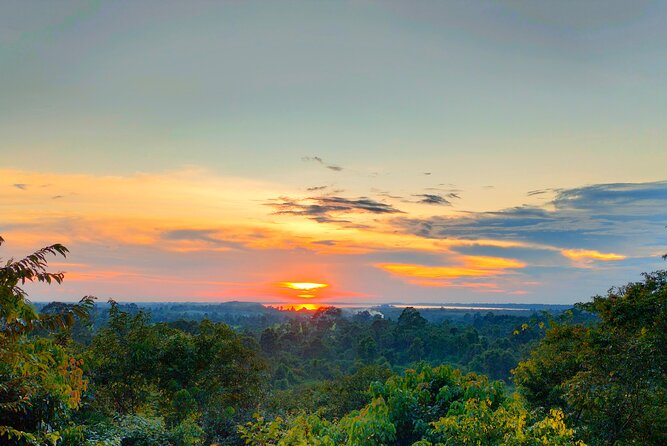
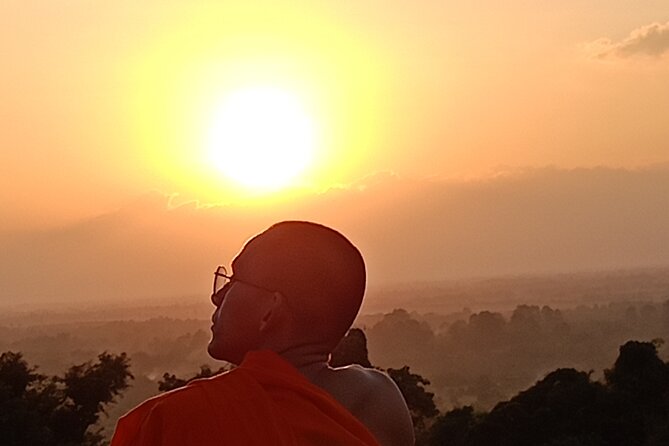
Your last stop is Phnom Bakheng, built around the mid 10th century and used as an evening viewpoint. The itinerary notes that an accredited guide will lead you to the sunset spot on top of the temple. Having a guide matter here because timing is everything: you want to arrive with enough time to settle in and not lose precious minutes to indecision.
If you care about getting good sunset photos, the final payoff is that you’re not just there—you’re placed where you need to be, with a person who understands the flow.
Price and value: what you’re really paying for
The listed price is $234 per group (up to 12), plus you’ll need to cover temple admission tickets separately. At first glance, that might look pricey for a “ticket-only” attraction list. But this isn’t one ticket price—it’s two days of logistics built around sunrise and sunset, with private transport and active guidance.
Here’s the value breakdown that matters:
- Private air-conditioned vehicle (SUV/minivan) for your group, including toll roads, gasoline, parking, and cold water/wipes. In hot weather, that comfort isn’t a luxury—it’s what keeps your energy for walking.
- Hotel pickup and drop-off, so you’re not coordinating rides while also trying to show up at sunrise on time.
- A professional guide/driver/historian & photographer guide. Even when you know the basics, having context changes how you see stone and symbols. If you’re after photos, a guide who knows where to stand and when to shift positions makes a noticeable difference.
- Two full days of temple pacing. Many short Angkor tours rush you through highlights only. This one includes a broader set of temples, including jungle, island temples, and the pink-carving stop.
What’s not included is equally important: meals and admission passes. So you should plan for lunch (there’s a break during the day) and dinner on your own terms, and budget for the temple tickets that your day-to-day itinerary requires.
If you’re traveling as a couple or small group, private can be a smart value. If you’re solo, it can still be worth it if you truly want sunrise/sunset structure without sharing your schedule.
Getting comfortable: transport, walking, and what to bring
This tour is designed for comfort between stops. You’ll ride in an air-conditioned SUV/minivan and get cold waters and wipes. That matters because Angkor temples involve repeated sun exposure and short walks between areas.
The dress code is practical: cover knees and shoulders. Plan clothing that feels breathable but meets the rules; you don’t want to fight your outfit while you’re climbing steps or waiting for sunrise light.
You’ll also want:
- Walking shoes or sneakers (you’ll be on uneven surfaces)
- Sunblock and mosquito repellent (bring both)
- A moderate fitness mindset. The itinerary is busy, but it’s not described as a hardcore trek.
One more practical note: the tour includes a mobile ticket feature. That can save hassle, especially if you’re juggling multiple sites.
How the guide improves the experience (especially at sunrise)
Sunrise is where tours either feel organized or feel chaotic. This one is structured to help you get the timing right for Angkor Wat, then keep the day moving with purpose.
Guides such as Sam or Han have been praised for:
- fluent English
- humor and a clear storytelling approach
- showing photo-friendly spots that avoid the worst crowd crush for sunrise
Even if you’re not a serious photographer, that kind of help is about more than pictures. It’s about not wasting your limited sunrise time fighting for a decent angle.
At the end of the second day, the accredited guide leading you to the Phnom Bakheng sunset spot adds a similar layer of confidence. You’re not guessing where to stand, and you’re not arriving too late to enjoy the atmosphere.
Who this private Angkor Wat sunrise and sunset tour fits best
This tour is a strong match if you want:
- Sunrise at Angkor Wat without the stress of early-morning planning
- A second-day sunset temple experience
- A mix of big-name temples and smaller “this is why Angkor is special” stops
- A private format that keeps you from getting separated from your group
It’s also a good fit for families with kids who can handle long days, as long as children are accompanied by an adult. If your group includes anyone who needs slower pacing, the private setup gives you more room to adjust within the schedule.
Should you book it? My practical take
Book it if you want Angkor to feel like a two-day story instead of a one-day checklist. The biggest strengths are the sunrise structure, the private pacing, and the way the route goes beyond only Angkor Wat and Ta Prohm.
Skip or reconsider if your idea of a vacation is minimal walking and maximum downtime. This is temple-heavy. Also remember: you’ll pay extra for admission tickets, and you’ll cover meals on your own.
If you’re in Siem Reap with limited time and you care about sunrise/sunset timing, this is the kind of tour that saves you stress and adds meaning to the sights.
FAQ
Is this a private tour?
Yes. It’s listed as a private tour/activity, and only your group participates.
Is hotel pickup and drop-off included?
Yes. Hotel pick up and drop off are included.
Do I need to buy temple admission tickets separately?
Yes. Temple admissions are not included.
What’s the approximate duration?
It’s listed as 2 days (approx.).
What should I wear to visit the temples?
Dress code is formal for holy sites, meaning your knees and shoulders should be covered.
What’s the group size?
The price is per group, up to 12 people.
What should I bring for comfort?
Bring walking shoes or sneakers, sunblock, and mosquito repellent.
Is meals included?
No. Breakfast, lunch, and dinner are not included.