Few places beat a real mountain push.
This Aural Mountain challenge takes you into the Cardamom Mountains with jungle camping and proper hiking, not a soft sightseeing day. What I like most is the mix of effort and payoff, especially the climb toward Cambodia’s tallest peak (Aural Mountain, 1813 m) and the chance to see rural life along the way.
I also love that you’re not doing it all alone. This is a fully serviced trek with a professional guide, local support, meals, and your tent-or-hammock setup handled for you. One consideration: it’s physically demanding in hot, humid conditions, and you’ll be sleeping in tents with bugs and critters part of the bargain.
In This Review
- Key things to know before you go
- Aural Mountain: why this 1813 m climb feels different
- Small-group trekking with real support (not just a guide)
- Day 1: Phnom Penh pickup, village life, then camp in the bamboo forest
- Day 2: base camps, the hot-humid grind, and more time on your feet
- Day 3: summit effort, views you’ll remember, and one last jungle night
- What’s included (and what you’ll need to sort yourself)
- Money and value: is $385 actually a good deal?
- Gear, food, and water: the stuff that decides whether it’s fun
- Fitness level: moderate is the right word, but don’t underestimate heat
- Who should book this trek (and who should skip it)
- Tips that make a difference: critters, pacing, and the 7:30 am start
- Should you book the Aural Mountain Trek with Vana Adventure Travel?
- FAQ
- FAQ
- How long is the Aural Mountain Trek?
- What time is the meeting point?
- What’s the price per person?
- How many travelers are in the group?
- What kind of accommodation do you sleep in?
- Is food and drinking water included?
- What transportation is included?
- Do I need to bring travel insurance?
- Are alcoholic drinks included?
- What luggage limits should I follow?
Key things to know before you go
- Aural Mountain summit (1813 m): the main reason you’ll feel your legs tomorrow
- Full-service camping: tent or hammock, plus cooking and local meals
- Small group pace: capped at a very small group size for less waiting and better attention
- Cardamom jungle time: bamboo forest camp near a natural waterfall and a night under the trees
- History in the forest: a plane-crash site tied to events from 1974 during the civil war
- Early start matters: meeting time is 7:30 am, so plan a stress-free morning
Aural Mountain: why this 1813 m climb feels different
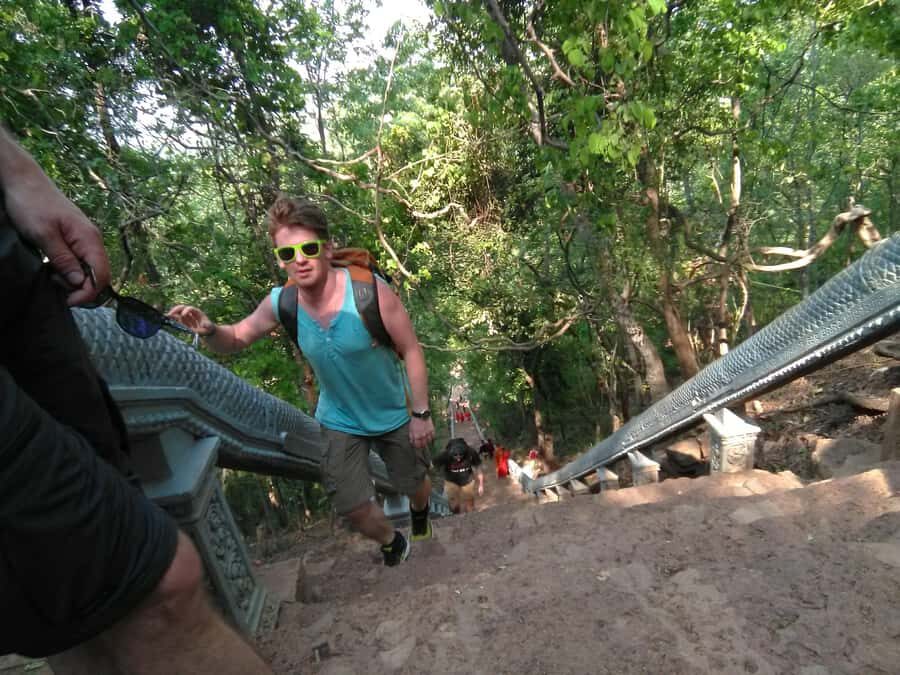
Aural Mountain is the tallest peak in Cambodia, and that matters because the trek isn’t pretending to be a casual hike. You’re walking through the Cardamom Mountains’ steamy, green world where the air feels thicker than at sea level, and the path asks for steady rhythm.
I like that the day-to-day focus stays on the outdoors. You’re not rushing between viewpoints. You’re working uphill, then resting, then working again. The reward is those broad high views after you’ve earned them, plus the satisfaction of finishing a challenge that isn’t marketed as easy.
One detail I really appreciate: you’re also guided toward a plane crashed site in the forest—wreckage from a Lon Nol air force plane that was shot down in 1974. It adds a human layer to the wilderness, without turning the trek into a history lecture.
Small-group trekking with real support (not just a guide)
This is set up as a small-group trek with between two and 12 travelers, and the operator also notes a maximum of 10. Either way, you get the benefits of a smaller crew: less chaos, fewer people to wait for, and easier communication with your guides and support team.
The biggest value point is that it’s fully serviced. Your support team sets up tent or hammock accommodation and cooks your meals, so you’re trekking instead of playing “camp chef” and “gear porter.” You still have to hike, of course. But you’re not carrying everything on your back for the full three days.
Transfers are also part of the package. You get round-trip private transfer and hotel pickup and drop-off. That matters in Phnom Penh, where leaving your hotel at the wrong time can turn a mountain day into a traffic day.
Day 1: Phnom Penh pickup, village life, then camp in the bamboo forest
You meet at 7:30 am, and you’ll start with transport out of Phnom Penh with the local team running the logistics. After the drive, you’ll ease into the trek experience with village visits and a closer look at how people live in rural areas.
This part is underrated. Even a few hours of seeing day-to-day routines—how families organize life away from the city—makes the trek feel like it’s connected to real Cambodia, not a bubble in the jungle.
Later on Day 1, you’ll settle into camp in a bamboo forest close to a natural waterfall. This is where the “true nature” pitch becomes real: damp air, birds and insects, and the sound of water nearby. You’ll sleep in tents or hammocks as arranged in the camp setup.
What to watch for on Day 1: heat. Even if you’re not pushing a summit pace yet, humid conditions can feel draining, especially in the morning after travel. Go slow, drink water early, and save your energy for the climbs.
Day 2: base camps, the hot-humid grind, and more time on your feet
Day 2 is where the trek starts to feel like a challenge. Expect uphill hiking toward base camp 1 and base camp 2. The conditions can be hot and humid, and you’ll likely feel it in your breathing and pace even if you’re generally fit.
This is also the day where the jungle becomes more than a backdrop. You’ll move through dense greenery, and you’ll deal with the “normal” outdoors stuff: insects and critters, plus occasional muddy or uneven ground where you need to place your feet carefully.
I also like that the trek includes a plane crashed site in the forest as part of the experience. That stop adds a pause from straight climbing, so it can feel like a brief mental reset. Just remember: you’ll still be trekking overall, so don’t treat it like a long sightseeing break.
A practical note: if you tend to overthink workouts, let this be simple. Slow steps. Steady breathing. Small sips of water more often than chugging once or twice.
Day 3: summit effort, views you’ll remember, and one last jungle night
Reaching the peak is the moment the whole trip bends toward. You’ll work your way to the top of Aural Mountain (1813 m), and the payoff comes as you rise into clearer sightlines—big views that feel earned because you’ve been moving for days.
After the summit, the trek continues into that last night under the trees and stars. The operator’s plan includes one final night sleeping under nature—so you get more than one “camp feeling,” not just a single stopover.
This is also when you’ll notice how the mood changes after the hardest work. Climbing fatigue doesn’t vanish, but it turns quieter. You’re more focused on small things: warmth in the evening, a steady rhythm during the final stretch, and the simple comfort of settling down after a long day.
If you’re the kind of person who cares about atmosphere, this third night is a strong reason to pick this trek over easier options. You’re deep enough into the experience that the jungle sounds start to feel like part of the story, not background noise.
What’s included (and what you’ll need to sort yourself)
The included list is refreshingly practical for an adventure like this:
- Hotel pickup and drop-off in Phnom Penh
- Professional guide and local guides
- 2 nights accommodation by tent or hammock
- Meals as per itinerary (breakfast, lunch, dinner)
- Drinking water
- Local transport if required
- Round-trip private transfer
That “food, water, and camp setup” combo is what makes the price feel more reasonable. You’re not paying to rent a bed and then figure out the rest.
What’s not included:
- Alcoholic drinks (bring if you want them)
- Travel insurance and personal expense
One more important detail: the listing notes a formal dress code. Trekking plus formal dress is awkward on paper. So here’s how I’d handle it: pack something presentable for the start/finish moments, and keep your practical hiking clothes for the actual walking. Keep it protected from moisture.
Money and value: is $385 actually a good deal?
At $385 per person for about three days, the key question is what you’re getting besides hiking.
You’re getting:
- Camp setup (tent or hammock)
- Your meals across multiple days
- Drinking water
- Guides and local support
- Private round-trip transfers and hotel pickup/drop-off
So you’re not paying for “transport and vibes” only. You’re paying for the staff and logistics that let you focus on the trek.
You can also read the price as a trade: if you tried to build this trip yourself, you’d likely spend time and money lining up permits, local guides, camp gear, food, and transportation. Here, those pieces are bundled.
My take: if you want a guided, small-group mountain experience in the Cardamom region without handling the logistics, the price can make sense. If you’re a solo backpacker who already has jungle-camping experience and wants maximum freedom, this might feel packaged. But the planning load is exactly what many people pay for.
Gear, food, and water: the stuff that decides whether it’s fun
You’re covered for meals and drinking water, which is a big stress reducer. Still, what you bring controls comfort.
Think in layers. Even in a tropical region, mornings and evenings can feel cooler once you’re higher and deeper in the trees. Also, humidity can make clothes cling, so having quick-dry items helps.
Bring what you need for:
- A sweaty day of uphill walking (breathable shirt, light layers)
- A night in a tent or hammock (warm layers, especially after sunset)
- Rain unpredictability (a rain layer is more useful than you think)
Also pack for the formal dress code. Since you’re hiking, bring a clean, dry option in a protected bag so you’re not trying to scramble for something halfway through damp jungle conditions.
Fitness level: moderate is the right word, but don’t underestimate heat
The tour notes moderate physical fitness. That means you don’t need to be an athlete, but you do need to be comfortable with sustained hiking and uneven ground for multiple days.
The review-style takeaway from the experience is consistent: it’s tough going in hot, humid conditions. You’ll be walking to base camps, and you’ll push toward the summit. There’s no way to make that truly gentle.
If you’re recovering from an injury or you don’t handle heat well, you might find this harder than you want. If you can handle a solid day of hiking and you’re willing to move slow and steady, you’re in the right zone.
Who should book this trek (and who should skip it)
This trek suits you if you want:
- A true trekking experience with jungle camping
- A small-group feel and full support
- Real Cambodia moments like village visits, not just drive-by stops
- The reward of summiting Aural Mountain (1813 m)
Skip or consider alternatives if:
- Sleeping in tents or basic outdoor conditions is a deal-breaker
- You hate insects and critters (you’ll deal with them)
- You want a low-effort itinerary with minimal physical challenge
- You can’t comfortably hike in humidity
It also helps if you enjoy the outdoors as a whole. This isn’t only about the top of a peak. It’s about the time on the trail, the sounds at camp, and the feeling of moving through the Cardamom Mountains with a local team.
Tips that make a difference: critters, pacing, and the 7:30 am start
A few practical ideas, based on the nature of the trek:
- Pace for heat, not pride. Start slower than you think. Humidity steals energy fast.
- Hydrate early. Even though water is provided, your body still needs consistent sipping.
- Pack for night comfort. Your final night is under trees and stars, so you’ll want warm layers even if daytime is sweaty.
- Keep valuables dry. Rain and jungle dampness can be relentless.
- Follow the formal dress code without suffering. Bring something clean and presentable for the beginning or ending moments, but hike in practical clothes.
And the big one: be ready for 7:30 am. The faster you’re out of the hotel and into the plan, the more time you’ll have before the hardest heat hits.
Should you book the Aural Mountain Trek with Vana Adventure Travel?
If you’re craving a real mountain challenge with jungle camping and a small-group setup, this is a strong pick. The big selling points—Aural Mountain summit, full-service camping, meals and water, plus the added stop at the plane wreckage site—create an experience that feels both adventurous and thoughtfully guided.
I’d book it if you:
- want guided support with less logistics stress
- are okay with tents, insects, and humid hiking
- like the idea of learning through village visits and real terrain
I’d think twice if you want comfort-first travel, or if you’re not confident hiking in heat for several days.
FAQ
FAQ
How long is the Aural Mountain Trek?
It’s approximately 3 days.
What time is the meeting point?
You meet at 7:30 am.
What’s the price per person?
The price is $385.00 per person.
How many travelers are in the group?
It’s a small-group tour, with a maximum of 10 travelers (and it’s described as small group overall).
What kind of accommodation do you sleep in?
You’ll sleep in either a tent or a hammock for the nights included in the trek.
Is food and drinking water included?
Yes. Meals are included as per the itinerary, and drinking water is provided.
What transportation is included?
The tour includes hotel pickup and drop-off and round-trip private transfer, plus local transport if required.
Do I need to bring travel insurance?
Yes. Travel insurance is not included.
Are alcoholic drinks included?
No. Alcoholic drinks are not included, and you can bring them if you want.
What luggage limits should I follow?
You’re allowed a maximum of 1 suitcase and 1 carry-on bag. Oversized or excessive luggage may be restricted, so check in advance if you have something large.